
Filters
Level
Grade
Subject
Subject Area
Subject Topic
Standard(s)
Audience
Keyword
DurationMinutes
Lesson Plans

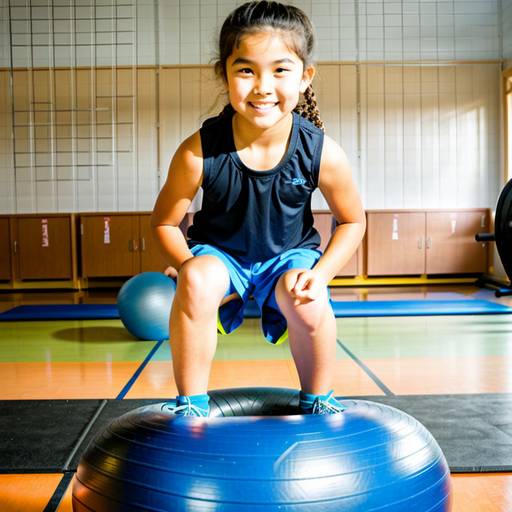
In this 3rd-grade physical education lesson, students will participate in engaging strength-building activities aimed at improving fitness and teamwork. The class begins with dynamic stretching and a fun game of Freeze Tag to warm up. Students will then rotate through four strength stations, including jumping jacks, resistance band exercises, hula hoop squats, and a ball-passing relay that incorporates bodyweight exercises.
After the main activities, students will cool down with static stretches while focusing on deep breathing. The lesson concludes with a group discussion that reinforces the importance of strength and fitness, allowing students to share their experiences and insights. Throughout the session, teachers will observe and ensure proper exercise techniques are maintained, promoting an inclusive environment that encourages all students to participate and enjoy physical activity.
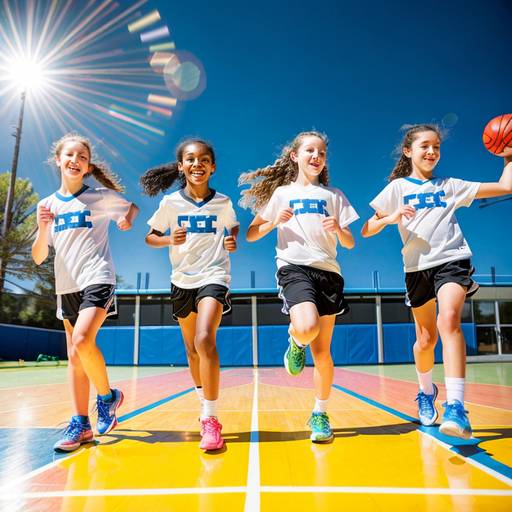
This 5th-grade physical education lesson focuses on promoting fitness and strength through engaging activities and teamwork. Students will begin with a dynamic warm-up to prepare their bodies, followed by a brief introduction to key strength exercises, including push-ups, squats, planks, and resistance band workouts.
The main activity consists of a fitness challenge course with multiple exercise stations where small groups rotate through each station, aiming to complete as many repetitions as possible within a set time. This structure encourages collaboration and friendly competition among classmates.
To conclude, students will participate in a cool-down stretching routine, followed by a group discussion reflecting on their experiences and the importance of fitness. The lesson emphasizes active participation, personal goal setting, and the development of lifelong fitness habits while ensuring students learn proper exercise techniques safely. Assessment will be based on participation, effort, and contributions to group activities.
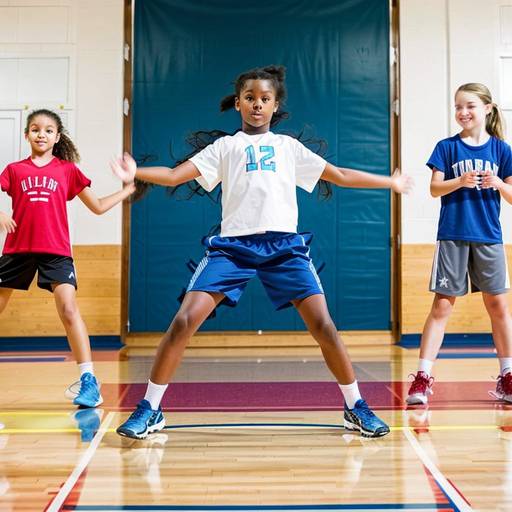
In this 4th-grade physical education lesson, students will engage in a variety of fitness challenges designed to enhance their strength and overall fitness levels. The session begins with a dynamic warm-up to prepare their bodies for activity. Students will learn about different muscle groups and their importance before participating in five interactive stations that feature various fitness challenges, such as push-ups, squats, and medicine ball tosses. After completing the stations, students will cool down with static stretches and gather for a reflective discussion on their experiences and learnings from the challenges. The lesson emphasizes teamwork, communication, and the significance of maintaining an active lifestyle. Finally, students will complete a reflection exercise, identifying strength exercises they can practice at home. Throughout the lesson, the focus remains on fostering a fun, engaging, and safe environment for all participants.


This preschool science lesson aims to introduce young learners to the concept of energy through hands-on exploration and engaging activities. The lesson begins with a group discussion to spark interest in energy, where students are encouraged to share their thoughts on what makes things happen around them.
Students rotate through three interactive stations, each focusing on a different form of energy: light, motion, and sound. At the first station, they use flashlights to explore light energy and create shadows. The second station features battery-operated toys and the opportunity to launch toy cars using homemade catapults, emphasizing motion energy. The final station allows students to experiment with musical instruments, discovering sound energy.
After the station activities, students regroup to share their findings and reflect on their experiences. They then engage in a creative drawing activity where they illustrate their favorite energy-related experience and contribute their artwork to a collaborative display.
The lesson concludes with a summary of what was learned and encourages students to explore energy in their everyday lives, extending the learning experience to their homes. Assessment is based on participation during activities and the ability to communicate understandings through their drawings. Follow-up activities include sharing discoveries from home and incorporating energy-themed songs or stories in future lessons.

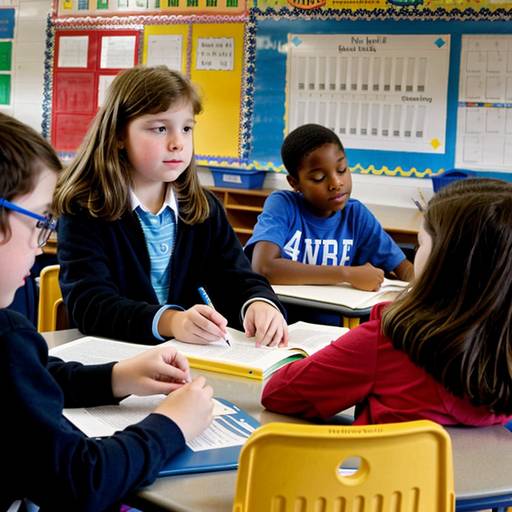
This 4th-grade Language Arts lesson focuses on persuasive writing, aiming to teach students the key components and techniques used to convince an audience. The lesson begins with a discussion on persuasion, followed by a mini-lesson that highlights essential elements such as stating a clear opinion, providing reasons, and considering the audience. Students engage in guided practice by brainstorming topics and outlining their thoughts using graphic organizers. They then independently write persuasive letters, incorporating at least three persuasive techniques learned earlier. The lesson concludes with students sharing their letters and receiving feedback, fostering a collaborative environment. Assessment is based on the completed letters with criteria focused on clarity, technique, structure, and creativity. Extensions include showcasing student work and organizing a presentation day to further enhance public speaking skills. Reflection on the lesson will inform future instruction.
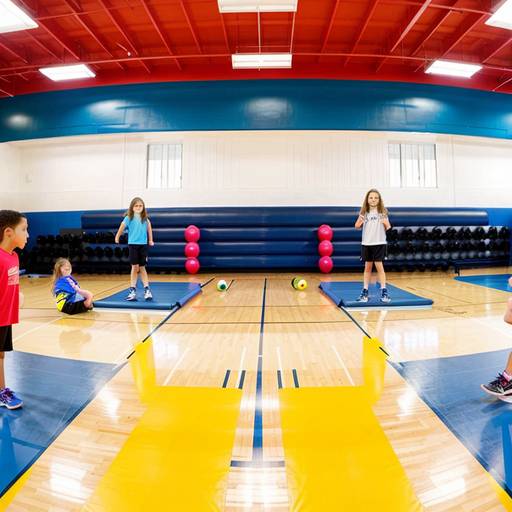
This 2nd grade physical education lesson plan focuses on teaching students the importance of fitness and strength through engaging activities. The lesson begins with a dynamic warm-up that includes various stretches and movements to prepare the students for physical activity.
Students will then rotate through four different activity stations that promote fitness and strength: Hula Hoop Hop, Resistance Band Row, Ball Toss Balance, and Jump Rope Challenge. Each station allows students to develop agility, upper body strength, balance, and endurance, while also fostering cooperation with peers as they work in pairs or small groups.
The lesson concludes with a group discussion, encouraging students to reflect on their experiences, share their favorite activities, and express how they plan to stay active outside of school. Throughout the session, emphasis is placed on participation, teamwork, and hydration, ensuring a safe and enjoyable learning environment.
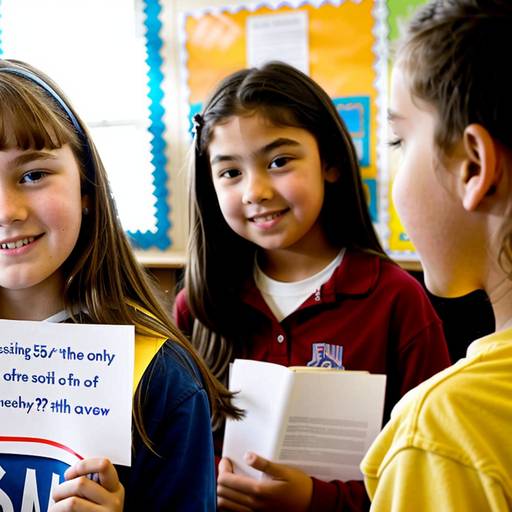
This 5th-grade language arts lesson focuses on introducing students to persuasive writing. The lesson begins with a discussion about personal experiences in trying to persuade others, leading to an exploration of persuasive writing techniques such as emotional appeal, logical reasoning, and credibility. Students engage in group work to brainstorm persuasive arguments around assigned topics and share their ideas with classmates. Following this collaboration, each student composes an individual persuasive paragraph, incorporating the techniques learned. The class concludes with selected students sharing their writing, fostering an understanding of effective persuasion and its importance. Assessment includes evaluating students' written paragraphs and monitoring group interactions to gauge understanding. The lesson includes differentiation strategies and an optional extension activity for those seeking further engagement.

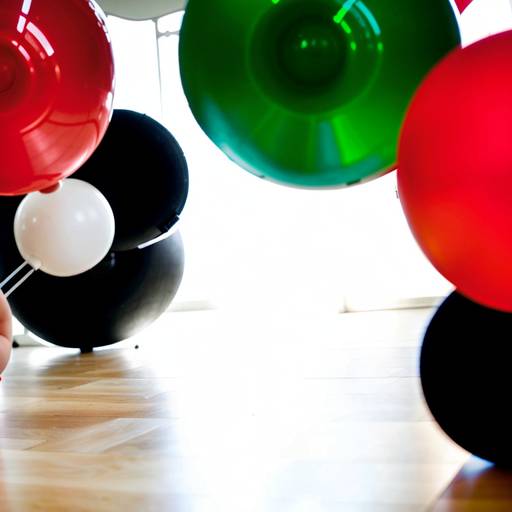
This lesson plan focuses on enhancing hand-eye coordination for infants aged 12-24 months through a series of engaging activities designed for a small group with caregivers. The session lasts 30-40 minutes and includes five interactive tasks: rolling a soft ball back and forth, tossing and catching colorful scarves, building with stacking and foam blocks, playing a bowling game with empty plastic water bottles, and bursting bubbles. Each activity aims to develop fine motor skills and visual tracking in a fun and social environment. Caregivers are encouraged to participate actively and engage with their infants, promoting interaction and cooperative play. The lesson concludes with a group reflection and a handout for caregivers, providing suggestions for continuing motor skill development at home, ensuring a comprehensive approach to nurturing early motor skills in a supportive setting. Assessment is carried out through observations to tailor future sessions effectively.

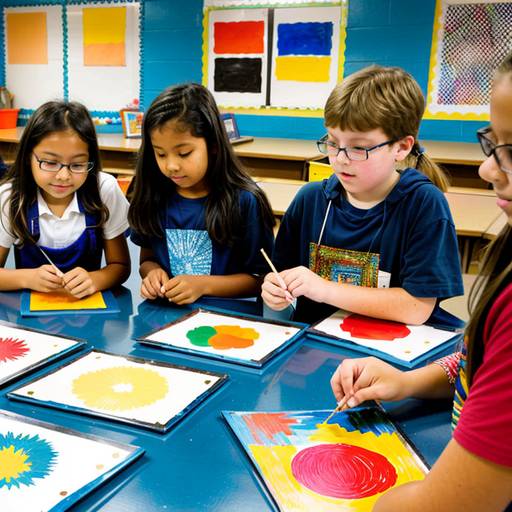
In this 5th-grade art lesson, students will explore the creative process of printmaking using foam plates. They will start with a brief introduction to printmaking techniques and famous artworks, followed by a demonstration on how to design and carve simple images into foam. Students will then create their own prints by applying paint to their foam plates and pressing them onto paper. The hands-on activity encourages experimentation with color and design while developing fine motor skills. As students share their artworks, they will reflect on their experience and the techniques they've learned. The lesson concludes with cleanup and a discussion, ensuring students appreciate their unique creations and the art form. Extensions could include themed projects or creating greeting cards with their prints.
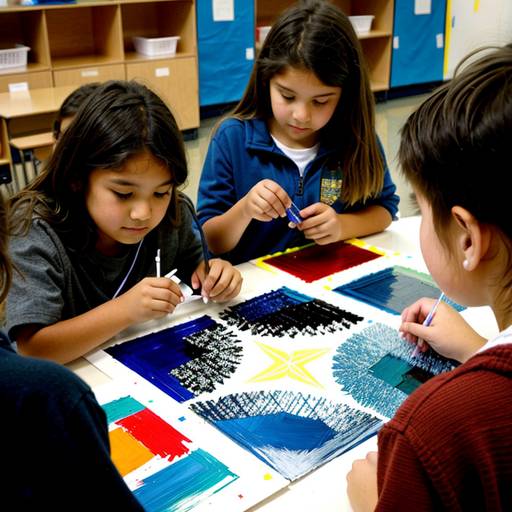
In this engaging art lesson for 4th-grade students, the focus is on exploring printmaking techniques through the use of natural materials. Over two sessions, students will learn about various printmaking methods, including relief printing, mono printing, and collagraph techniques. They will begin by experimenting with different textures and patterns created from natural items, producing multiple prints that display their understanding of these techniques.
The first session involves an introduction to printmaking, a demonstration of the techniques, and hands-on exploration where students create prints using their chosen materials. During the second session, students will build upon their initial creations by designing layered prints, emphasizing composition and color layering.
Throughout the lesson, students engage in discussion and reflection, sharing their experiences and learning outcomes. They will have the opportunity to display their finished prints, fostering a sense of community and appreciation for their artistic efforts. Assessment will focus on creativity, technique use, and individual reflections on the printmaking process. The lesson aims to deepen students' understanding of texture in art and enhance their overall creativity.