
Filters
Level
Grade
Subject
Subject Area
Subject Topic
Standard(s)
Audience
Keyword
DurationMinutes
Lesson Plans

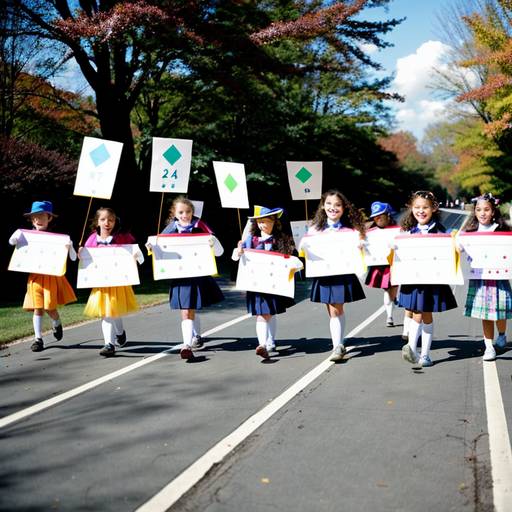
This lesson plan focuses on teaching second-grade students the fundamental concepts of grammar and capitalization. The objectives include helping students identify proper nouns and correctly capitalize them, as well as understanding that sentences begin with a capital letter.
The lesson begins with an introduction that encourages students to share their knowledge about capital letters, followed by a mini-lesson that explains proper nouns and the importance of capitalization. Guided practice involves students working in pairs to fill in missing capital letters on sentence strips, which they then share with the class.
For independent practice, students receive a worksheet to correct sentences with capitalization errors. The lesson concludes with a fun interactive activity, allowing students to present sentences they fixed, reinforcing their understanding through peer engagement. Assessment includes monitoring participation during the activity and reviewing the completed worksheets. Differentiation strategies are provided to support various learning needs. Overall, the lesson aims to make learning about grammar and capitalization engaging and enjoyable for young learners.
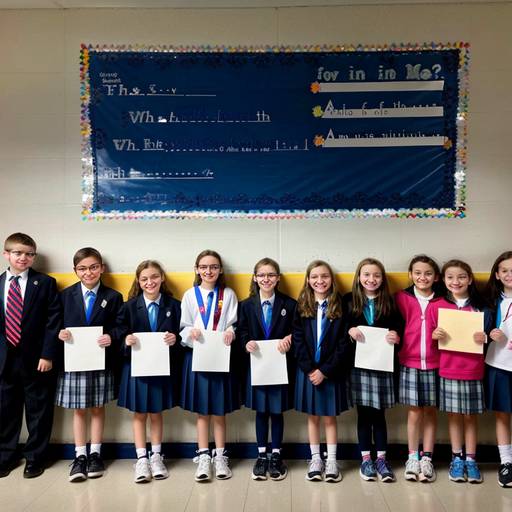
In this 5th-grade language arts lesson, students will explore key punctuation marks and their roles in writing. The lesson begins with a discussion on the importance of grammar and punctuation, followed by direct instruction on various punctuation marks such as periods, commas, question marks, exclamation points, quotation marks, and apostrophes. Students will engage in guided practice by correcting punctuation errors in a short story, working collaboratively to discuss their decisions. For independent practice, they will write a creative paragraph about a themed “parade,” incorporating at least five different punctuation marks correctly. The lesson concludes with a sharing session, allowing students to showcase their work and reflect on the necessity of punctuation in conveying clear meaning. Assessment will involve monitoring participation, evaluating corrections, and reviewing the imaginative paragraphs for proper punctuation usage. Differentiation strategies will be employed to support diverse learners.
In this 60-minute language arts lesson for 3rd graders, students will explore the importance and application of essential punctuation marks, namely periods, question marks, and exclamation points. The lesson begins with a class discussion to introduce these punctuation marks, followed by direct instruction where students examine sentences lacking punctuation and learn how punctuation alters meaning.
During guided practice, students work on worksheets to identify and correct punctuation errors in sentences, collaborating in pairs to enhance their understanding. Independent practice involves creating short stories that incorporate various punctuation marks, allowing for creativity and personal expression.
The lesson concludes with a sharing session where students can present their work, followed by the distribution of participation certificates. Assessment will be based on classroom participation, worksheet accuracy, and the proper use of punctuation in their stories. Extensions and modifications are provided to accommodate diverse learning needs.
This 4th-grade Language Arts lesson focuses on teaching students the importance and correct usage of basic punctuation marks, including periods, commas, question marks, and exclamation marks. Initially, the teacher engages students in a discussion about the role of punctuation in writing. Direct instruction follows, where each punctuation mark is introduced alongside examples. Guided practice involves small groups correcting sentences missing punctuation, fostering collaboration and communication. For independent practice, students complete a worksheet identifying missing punctuation and create their own short stories or sequences of sentences that utilize the discussions' highlighted punctuation marks. The lesson concludes with a recap of the key points and an exit ticket task where students compose an original sentence showing their understanding. Assessment is based on group participation, worksheet completion, and the accuracy of the exit ticket sentences. Extensions and modifications are suggested to accommodate diverse learning needs and encourage creativity.
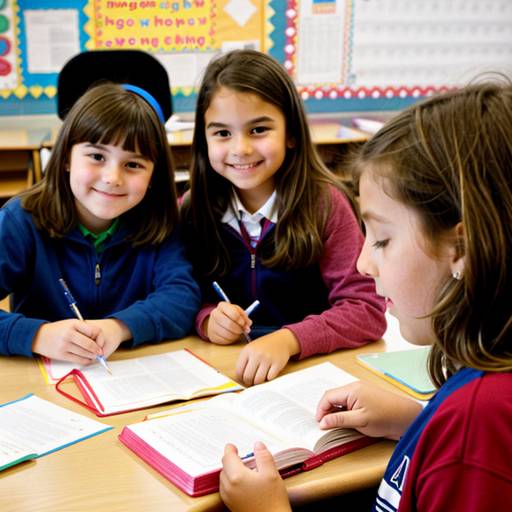
In this 4th-grade language arts lesson, students will learn the importance of punctuation in writing by focusing on four key marks: periods, commas, question marks, and exclamation points. The lesson begins with a discussion to gauge students' prior knowledge, followed by direct instruction that provides clear examples of how each punctuation mark should be used.
Students will engage in guided practice through a worksheet that reinforces their understanding by requiring them to identify and apply correct punctuation in sentences. The lesson includes a collaborative activity where students work in small groups to correct sentences that lack proper punctuation, fostering teamwork and critical thinking.
As a creative writing exercise, students will compose a short paragraph about their favorite animal, ensuring the use of all four punctuation marks. The lesson concludes with a review and sharing session, allowing students to showcase their writing. Assessment will be based on observation during activities and the collection of worksheets and written paragraphs, enabling the teacher to evaluate each student’s grasp of the material. Finally, students will have a homework assignment that reinforces this learning by identifying punctuation in their favorite books. This lesson promotes both individual understanding and cooperative learning.

This 5th grade language arts lesson plan focuses on grammar and punctuation, helping students understand the importance of using punctuation marks correctly in their writing. The lesson begins with a discussion on punctuation, followed by an introduction to various punctuation marks and their uses. Students engage in guided practice by correcting sentences together as a class, then work in small groups to edit additional sentences. Each group shares one corrected sentence with the class, reinforcing their learning. The lesson emphasizes collaboration and encourages students to understand how punctuation impacts the meaning of sentences. Assessment is done through observation of participation, review of completed handouts, and evaluation of group presentations. Extensions and support are provided for students with varying levels of understanding. Overall, this lesson aims to enhance students’ writing clarity through proper punctuation usage.

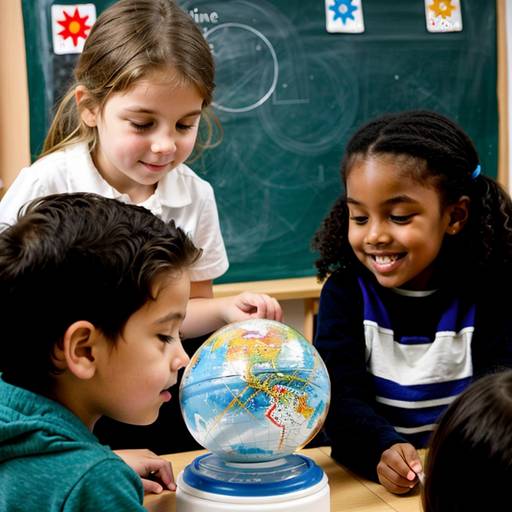
In this preschool science lesson, students explore the concepts of push and pull through engaging hands-on activities. The session begins with a circle time discussion where children learn the basic definitions of push and pull, accompanied by demonstrations using toy cars and balls.
The lesson includes two main activities: a ramp race where students push toy cars down a slope, allowing them to observe how different levels of force affect motion, and a push and pull challenge with boxes and lightweight objects. Following these activities, students reflect on their experiences and share which actions felt easier and why.
To reinforce the concepts, children participate in a creative art activity, drawing something they pushed or pulled during the session. The lesson concludes with a recap and encourages students to identify examples of push and pull in their everyday lives. Throughout the lesson, the emphasis is on observation, discussion, and playful experimentation, allowing children to grasp the fundamental principles of forces and motion in a fun and interactive manner.

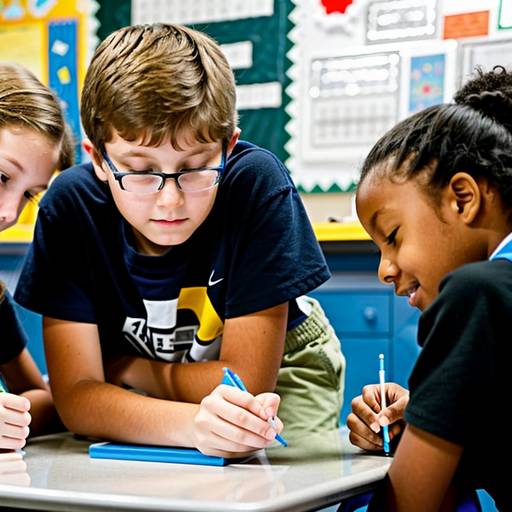
In this 5th-grade physical science lesson, students will explore the concepts of forces, focusing on push and pull, and how these forces affect the motion of objects. The lesson begins with a discussion to assess prior knowledge, followed by a mini-lecture that introduces key vocabulary and principles, including balanced and unbalanced forces.
Students will engage in hands-on activities where they experiment with toy cars on different surfaces using ramps to observe the impact of friction on motion. They will also measure the force required to pull various objects across surfaces using spring scales. After conducting their experiments, students will regroup to discuss their findings, reinforcing the understanding of friction's role as an opposing force.
The lesson concludes with a recap of the key concepts and an assessment through a short quiz. Extensions encourage students to further observe forces in their environment at home. The lesson emphasizes collaboration and hands-on learning while allowing for differentiation based on individual student needs.
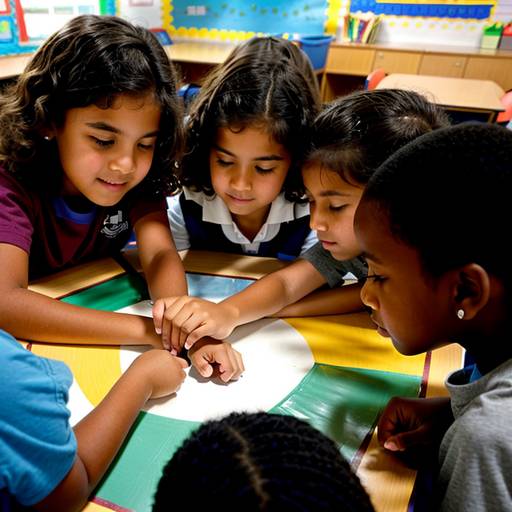
In this 3rd-grade science lesson, students will explore the fundamental concepts of pushes and pulls as types of forces through engaging discussions and hands-on activities. The lesson begins with students sharing their ideas about what forces are, followed by explanations and demonstrations using toy cars to illustrate pushing and pulling.
In small groups, students will conduct experiments by building ramps and testing how far toy cars travel when pushed or pulled, while varying the weight of the cars to observe the effects of different forces. They will record their findings and engage in a class discussion to share observations and insights about their experiments.
Students will solidify their understanding of these concepts through presentations and will be assessed based on their participation and the accuracy of their findings. Extensions and challenges for further exploration will be provided, encouraging students to apply their learning to real-life situations. Safety will be emphasized throughout the activities to ensure a secure learning environment.
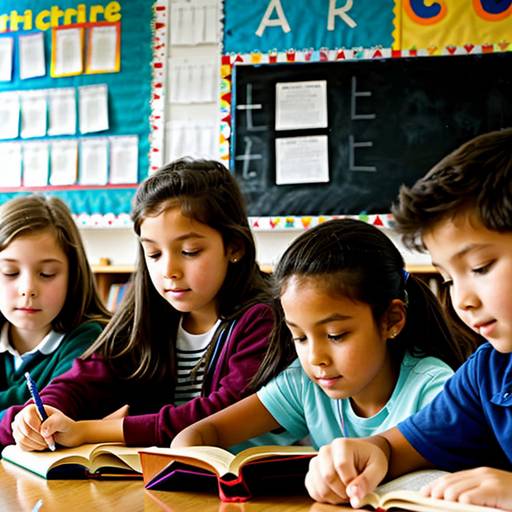
This 4th Grade Language Arts lesson focuses on enhancing students' reading fluency through interactive, collaborative activities. The lesson begins with a discussion about the qualities that make storytelling captivating, followed by a demonstration of fluent reading. Students then engage in partner reading, where they take turns reading short passages aloud while providing feedback to one another using a fluency checklist. After practicing together, students choose a new passage for independent reading and reflect on their understanding and experiences through writing. The lesson concludes with a group discussion about their reflections and previews an upcoming activity that will further develop their expressive reading skills. Overall, this lesson emphasizes the importance of fluency in reading and comprehension while fostering a supportive learning environment.