
Filters
Level
Grade
Subject
Subject Area
Subject Topic
Standard(s)
Audience
Keyword
DurationMinutes
Lesson Plans

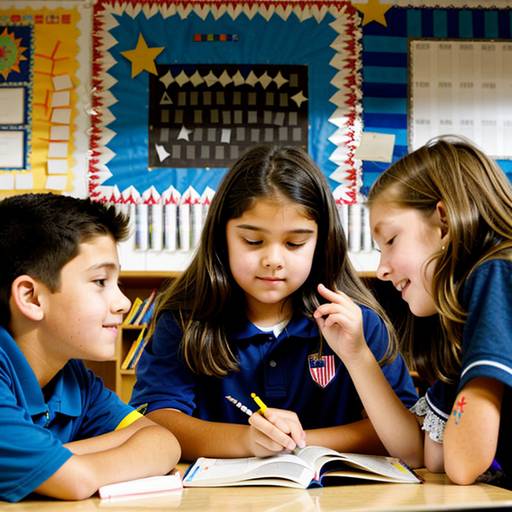
This 5th-grade language arts lesson focuses on enhancing reading fluency through engaging activities and group discussions. Students begin by discussing their experiences with enjoyable reading and what fluency entails. They listen to a fluent reading sample and participate in a choral reading of a selected passage to understand rhythm and expression.
During guided practice, the teacher models fluent reading, followed by a group discussion to assess comprehension of the text. In independent practice, students pair up to read the text aloud to one another, tracking their words per minute and focusing on accuracy and expression during multiple readings.
The lesson concludes with a group reflection where students discuss their reading experiences and strategies for tackling difficult words. An exit ticket activity reinforces learning, as each student notes one new insight about reading fluency. Assessment includes observing student interactions during reading, reviewing progress charts, and evaluating exit ticket responses. Differentiation strategies ensure that all students, regardless of their reading levels, receive appropriate support and challenge.
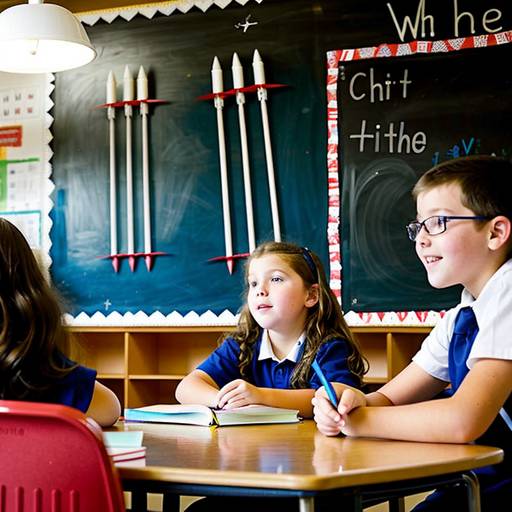
This 4th Grade Language Arts lesson focuses on enhancing students' reading fluency through engaging activities and strategies. The lesson begins with an introduction that highlights the importance of fluency, using a video of a professional reader to illustrate effective pacing and expression. Students are then taught various fluency strategies, including repeated reading, expressive reading, and paired reading.
During guided practice, students work in pairs to read assigned short passages, taking turns and providing feedback based on a Fluency Checklist. Following this, they engage in independent practice by recording themselves reading another passage and assessing their own fluency.
The lesson concludes with a group reflection where students share their experiences and set future fluency goals, reinforcing their understanding of the concepts learned. The teacher will assess participation, checklist completion, and exit tickets to gauge student learning outcomes. Adaptations are available for diverse learners, ensuring all students can engage effectively with the material. Opportunities for extension activities are also proposed, further promoting reading fluency development.
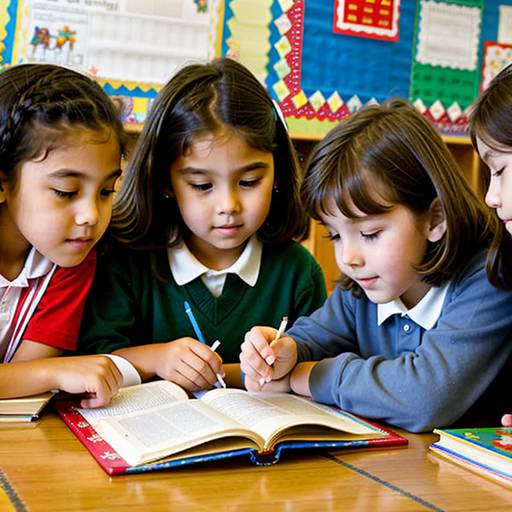
In this 1st-grade language arts lesson, students will work on improving their reading fluency through a series of engaging activities. The lesson begins with a discussion about reading fluency, followed by the introduction of high-frequency sight words using flashcards. Teachers will model choral reading with a simple text, and then students will practice reading aloud together as a class.
Next, students will engage in partner reading, taking turns reading short stories to one another while offering support and encouragement. This is followed by an independent fluency challenge, where students will practice reading a selected passage multiple times with the goal of increasing their speed without sacrificing comprehension.
The lesson concludes with a sharing session where students can discuss their experiences and contribute to a group storytelling activity, reinforcing fluency through collaborative participation. Assessment will involve observing students during reading activities and optionally evaluating individual reading of a new text. Differentiation strategies will be employed to support both struggling and advanced readers, ensuring an inclusive learning environment. Follow-up activities will focus on sustaining fluency development over time.
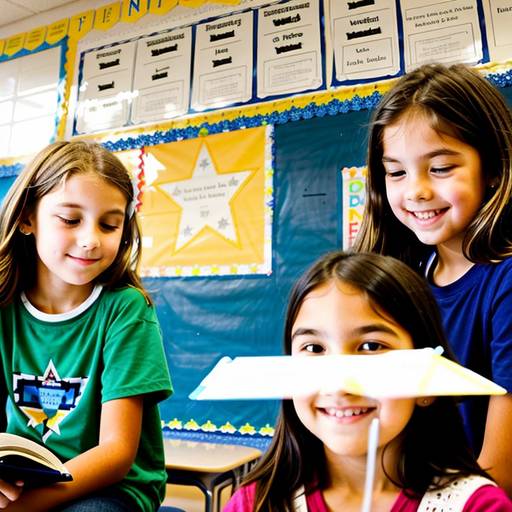
In this 2nd grade Language Arts lesson, students will focus on enhancing their reading fluency by engaging in a variety of interactive reading activities. The lesson begins with a captivating read-aloud, where students will observe smooth and expressive reading. After discussing the concept of reading fluency, students will participate in choral reading to practice pacing and expression together.
In pairs, students will take turns reading short stories or poems while using a fluency checklist to assess each other’s performance. This peer feedback will help them recognize elements of fluent reading. Next, during independent practice, students will rotate through various reading stations, allowing them to practice different texts at their own pace, including the option to record themselves to reflect on their fluency.
The lesson concludes with a group reflection where students share their experiences and insights about fluent reading. Assessment will involve informal feedback during partner reading and evaluations of individual recordings. Extensions to the lesson include creating a display for fluency tips and encouraging ongoing collaboration through a "Fluency Buddy" program. This comprehensive approach aims to foster a supportive and engaging learning environment for improving reading fluency skills.
This 3rd Grade Language Arts lesson focuses on enhancing students' reading fluency through rhythmic reading techniques using engaging short poetry or rhythmic texts. The lesson begins with a discussion on the importance of reading fluency, followed by a modeled reading that demonstrates effective rhythm and expression. Students will then be divided into small groups, where they will practice reading assigned stanzas while incorporating simple rhythms using instruments. After practicing, each group will perform their stanzas, emphasizing fluency and expression. The lesson culminates with a reflection and assessment activity, where students track their fluency progress and set personal goals for improvement. Differentiation strategies are included to support varying learning needs, ensuring all students can participate and benefit from the activities.
In this 1st grade language arts lesson, students explore the world of picture books through interactive reading strategies. The lesson begins with a group discussion about favorite picture books, followed by a read-aloud of a selected title. Students make predictions based on the cover and title, reinforcing their ability to infer meaning and identify the main idea and key details of a story.
Next, students break into small groups, each assigned a different picture book to read and discuss, sharing their predictions, main ideas, and details with the class. For independent practice, students select their favorite book, draw a representation of its main idea, and write a brief description. The lesson culminates with a sharing session where students present their drawings and summaries to reinforce comprehension skills.
Throughout the lesson, students engage in collaborative learning and hands-on activities that foster a love for reading while developing critical thinking and comprehension skills. Assessments are based on student participation and their ability to convey the main ideas and details of the stories read. Adaptations and extensions are provided to support diverse learners and enhance engagement beyond the classroom.

This lesson plan focuses on teaching toddlers essential self-care and hygiene skills related to getting dressed. Aimed at children aged 2-4, the activities include identifying various clothing items, practicing putting on simple garments, and promoting independence. The session begins with a discussion about clothing, followed by interactive activities such as a dress-up relay, where children work in teams to dress up partners or dolls. They also engage in peer pairing to assist each other in dressing, fostering social skills and cooperation.
During a "Mirror Time" segment, children reflect on their appearance, enhancing their self-image and confidence. The lesson concludes with a reflection circle and a fun sing-along, reinforcing the enjoyment of getting dressed and expressing personal preference. Observations will be made to assess participation and comfort with dressing skills, and optional extensions include a dedicated dress-up area for ongoing practice. This engaging lesson supports the development of fine motor skills, social interaction, and self-esteem in young learners.

This lesson plan focuses on enhancing memory development in infants aged 6 to 12 months through engaging sensory activities. The session begins with an introduction to the significance of memory in cognitive growth, followed by a series of interactive activities.
Infants participate in an object recognition game that encourages them to identify familiar toys while caregivers support their learning by naming objects. Next, a family faces match activity introduces infants to familiar photographs, fostering connection and recognition. Storytime with colorful books engages infants in a sensory exploration of images and sounds, reinforcing their memory through repetition. Finally, a musical memory activity allows infants to interact with instruments while enjoying a repetitive song, promoting both memory recall and rhythm recognition.
The session concludes with a reflection on the activities and strategies for caregivers to support memory skills at home. Observations during the lesson provide insights into each infant's engagement and memory abilities. This structured yet playful approach aims to stimulate cognitive development in a nurturing environment, encouraging infants to explore and connect with the world around them.

This lesson plan aims to educate 5th-grade students about digital citizenship and cyberbullying awareness. The class begins with an engaging video highlighting the importance of being respectful online, followed by a group discussion defining digital citizenship. Students work in small groups to explore various scenarios involving cyberbullying, discussing the feelings of victims and bystanders as well as appropriate ways to respond.
Through role-play activities, students practice empathetic responses to cyberbullying situations, reinforcing the importance of kindness and support. Additionally, students create informative posters that summarize their understanding of cyberbullying and digital citizenship. The lesson concludes with a reflective discussion about applying these concepts in their daily online interactions.
Assessment is conducted through participation, the quality of group discussions, and the effectiveness of the posters. The lesson includes opportunities for extension through guest speakers and a "Digital Citizenship Week." Modifications are incorporated to support diverse learning needs among students. Overall, the lesson emphasizes the significance of responsible online behavior and promoting a supportive digital community.


In this lesson plan aimed at toddlers, children will explore the concept of respect through interactive activities and discussions. The session begins with a circle time greeting and an introductory discussion on respect and its importance in friendships. Following this, a storybook emphasizing sharing and caring is read aloud, encouraging children to identify moments of respect among characters.
Through role-playing with puppets or soft toys, children will act out scenarios that highlight sharing and taking turns, practicing respectful communication. They will then engage in a collaborative building activity where they must work together using blocks, fostering teamwork and the use of respectful language.
To conclude, the children will gather for a reflection session, sharing their experiences and ways they demonstrated respect during the activities. A visual chart illustrating respectful behaviors will be created to serve as a reminder in the classroom. The lesson not only aims to teach social skills but also encourages families to reinforce these lessons at home.