
Filters
Level
Grade
Subject
Subject Area
Subject Topic
Standard(s)
Audience
Keyword
DurationMinutes
Lesson Plans
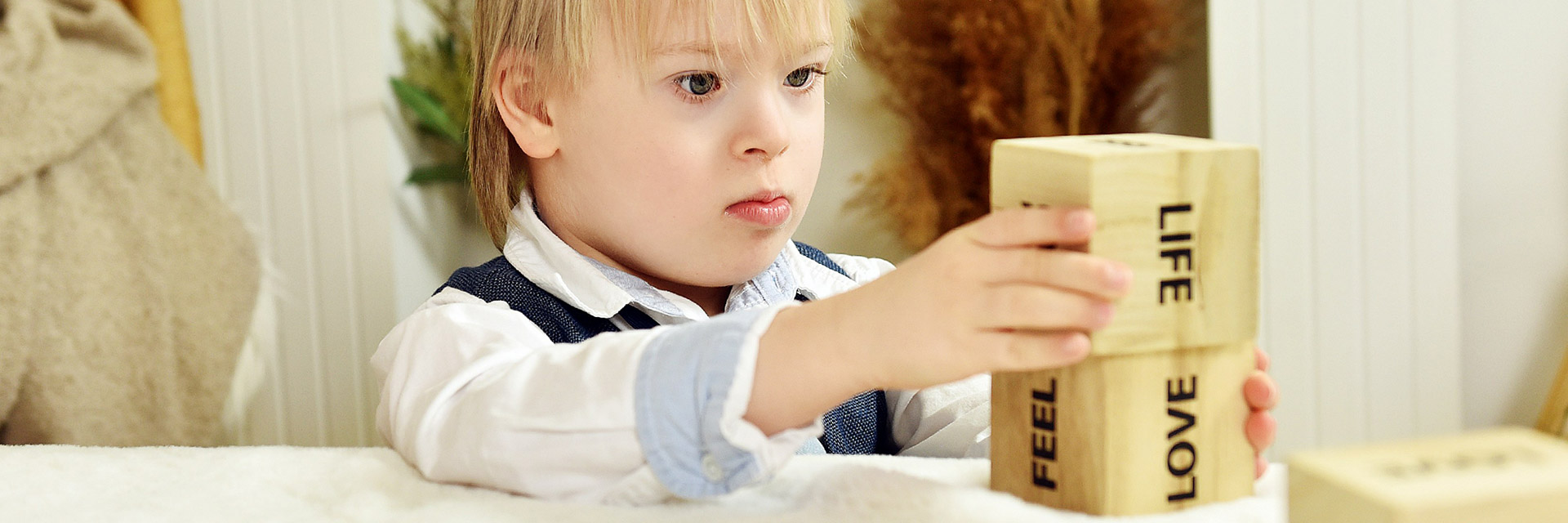
This lesson plan focuses on teaching toddlers about personal boundaries and the importance of respecting others' space during social interactions. The session begins with an engaging circle discussion where children share their favorite parts of playing with friends. A story is then read to illustrate the concept of personal space, with follow-up questions to encourage reflection.
Children participate in a hands-on activity using hula hoops to visually represent their personal space while practicing gentle movements without touching others. Following this, an interactive game allows them to pass a soft ball or stuffed animal while respecting their own and others' boundaries. In a creative expression segment, toddlers draw pictures representing their understanding of personal space, which they share with the group to reinforce community and respect.
The lesson concludes with a review of the key concepts learned and an affirmation of friendship and respect, encouraging children to apply these social skills in their play. Assessment is based on observation during activities and discussions, and optional follow-up activities can extend the theme further. Overall, the lesson fosters healthy social interactions and a foundational understanding of boundaries among young children.
In this 2nd-grade technology lesson, students will explore the concepts of digital citizenship and online safety. They will learn the importance of being responsible online friends by understanding key practices such as respecting others, keeping personal information private, and reporting inappropriate behavior. The lesson will feature a presentation outlining safe and unsafe online behaviors, followed by a group activity where students will discuss various scenarios to determine appropriate responses. Students will then create a personal Online Safety Pledge, committing to positive online interactions. The lesson emphasizes engagement through discussion, creativity, and reflection, enabling students to apply what they learn to their own online activities. Assessments will include observation of group work and review of the pledges, allowing educators to gauge understanding and encourage further exploration of digital citizenship.
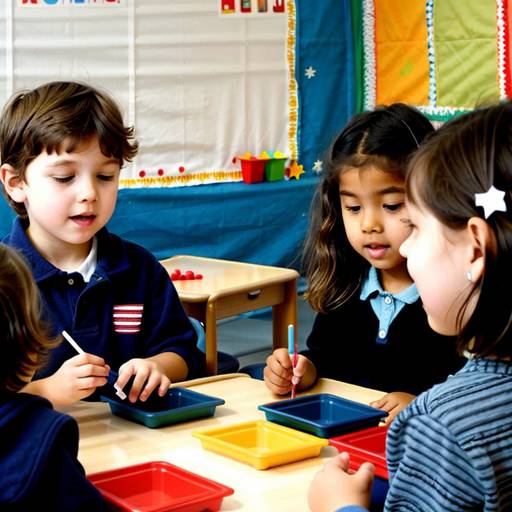
This preschool lesson focuses on developing phonological awareness through the exploration of rhyming words. Over the course of 35 minutes, students engage in activities designed to help them recognize and produce rhymes, which are essential foundations for reading.
The lesson begins with a circle gathering where the concept of rhyming is introduced in simple terms. A read-aloud session of a rhyming book follows, allowing students to hear examples of rhymes in context and practice identifying them.
Students then participate in a rhyme-matching activity in small groups, where they pair cards that contain rhyming words and practice saying these words aloud. An interactive game encourages students to generate rhyming words based on prompts, enhancing their creativity and engagement.
The lesson wraps up with a fun rhyming song that involves active participation through singing and movement. Throughout the session, the teacher assesses students’ understanding informally through observation and encourages them to share more rhymes. The lesson concludes with a discussion that reinforces what they learned and inspires further exploration of rhyming at home.
Extensions include creating a "Rhyme Wall" for students to add new words they discover and incorporating art activities to reinforce the newfound skills. Overall, the lesson is designed to be engaging and responsive to students' interests, laying a strong groundwork for literacy development.
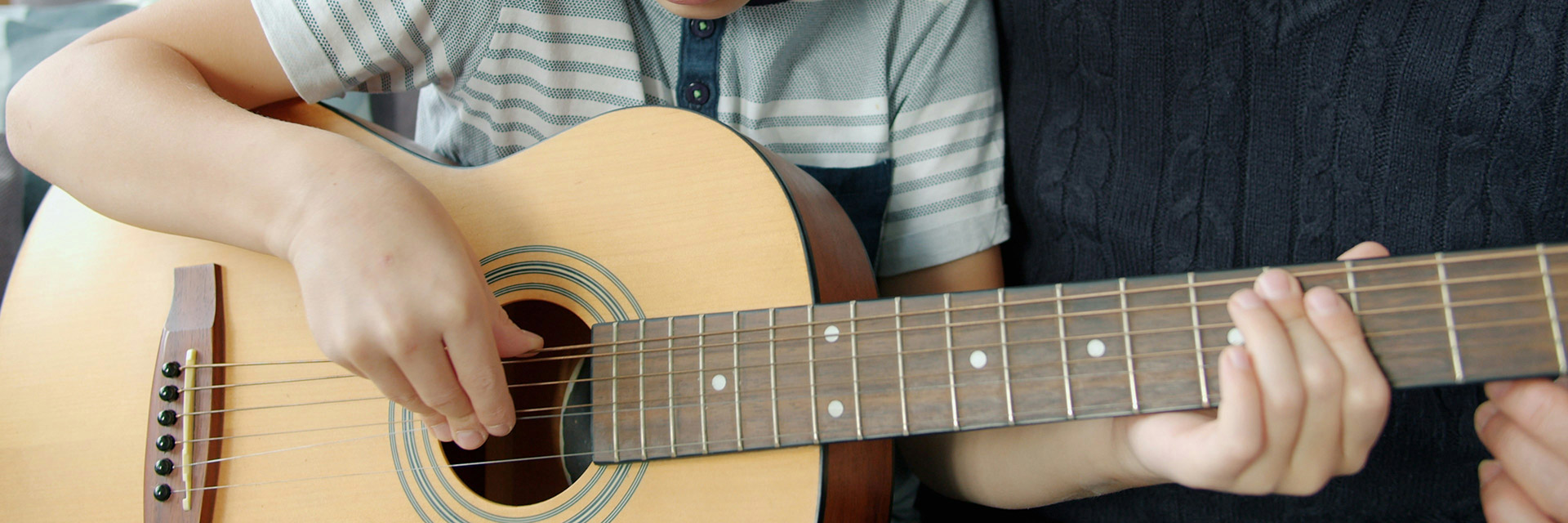
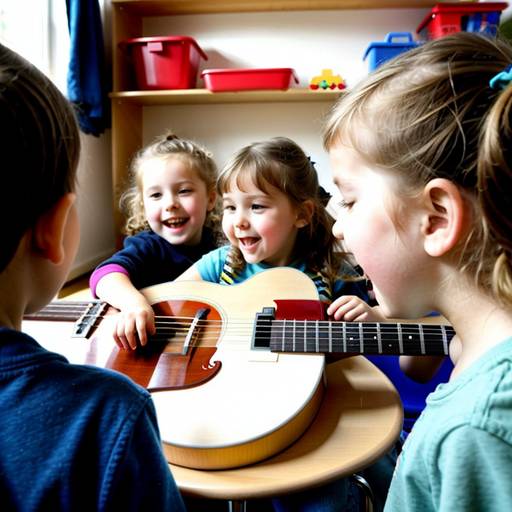
In this preschool music lesson, students will engage in a 45-minute exploration of various musical instruments while developing their understanding of rhythm and melody. The lesson begins with an introduction to different instruments through visual aids and sound clips, allowing students to identify and discuss their experiences. Next, students break into small groups to explore and experiment with various instruments, providing hands-on learning opportunities.
Afterward, the class will participate in rhythm games, where they will replicate clapping patterns and create their own simple rhythms using the instruments. The lesson will also include a musical movement activity, encouraging students to express the rhythm through dance as they hold their instruments.
Finally, the lesson concludes with a group discussion, giving students a chance to reflect on their favorite instruments and what they learned. Throughout the lesson, teachers will assess engagement and understanding, with optional extension activities suggesting ways to create homemade instruments and explore music from different cultures.

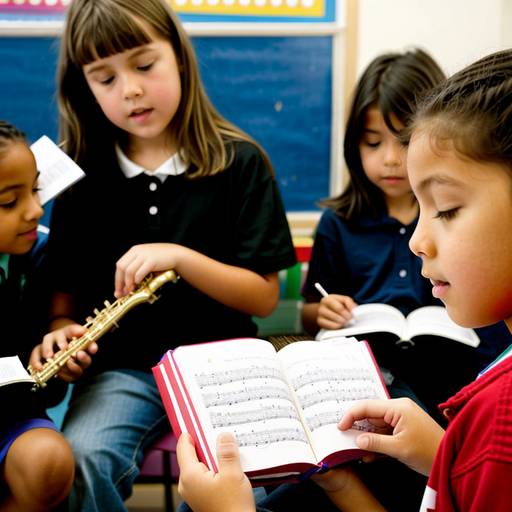
In this 3rd-grade music lesson, students will explore the fundamentals of music theory, specifically focusing on identifying and naming basic musical notes: whole notes, half notes, and quarter notes. The lesson begins with an interactive discussion to introduce these notes and their corresponding beats.
Students will participate in a fun game utilizing flashcards to reinforce their understanding, clapping and tapping out rhythms as they identify each note. They will then practice with percussion instruments, playing along to a steady beat and applying their knowledge of rhythms.
To further solidify their learning, students will complete worksheets that challenge them to identify note names and draw notes based on given rhythms. The class will conclude with a group reflection, allowing students to share their insights and favorite activities from the lesson. The assessment will be based on observational evaluations during activities and the completion of worksheets, ensuring that each student reaches a foundational understanding of musical note names and rhythms. Extensions and accommodations will be provided to enhance learning for all students.

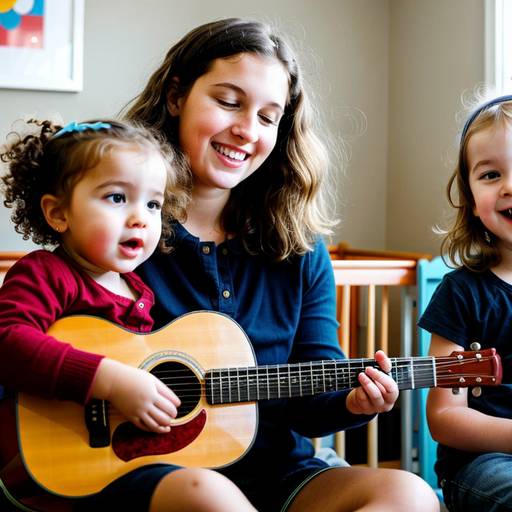
This lesson plan focuses on enhancing infants' language development through engaging activities centered around rhymes, rhythm, and sound play. The session begins with a warm welcome and an introduction to the theme, followed by an exploration of soft musical instruments, encouraging infants to experience sound. A sing-along segment features popular nursery rhymes, promoting movement and rhythm as caregivers bounce their infants to the music.
Interactive activities utilize colorful picture cards linked to the rhymes, facilitating visual and auditory connections. A storytime segment introduces a short rhyming text, encouraging expressive reading while caregivers engage with illustrations. The session concludes with a cool-down period featuring soft music, allowing for reflection on the day's activities and sharing tips for incorporating rhyme and rhythm into daily life at home. This approach aims to foster early language skills and a love for sounds and storytelling in infants.

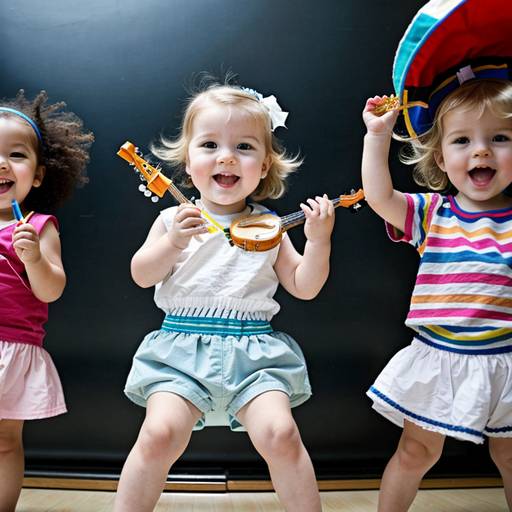
In this toddler-focused lesson, children will engage in hands-on exploration of various musical instruments, enhancing their understanding of sound, rhythm, and coordination. The session begins with a circle time where students are introduced to different instruments through visual aids and demonstrations. Following this, they rotate among exploration stations, experimenting with instruments like tambourines, maracas, and drums.
The lesson incorporates a movement activity using fabric, encouraging children to express themselves and respond to different musical styles through dance. A group jam session allows them to play instruments together, fostering collaboration and creative expression. The session concludes with a quiet listening time, where children reflect on their experiences, followed by a recap of the instruments explored. Throughout the lesson, educators will observe interactions and engagement, promoting a fun and enriching musical experience for all students.
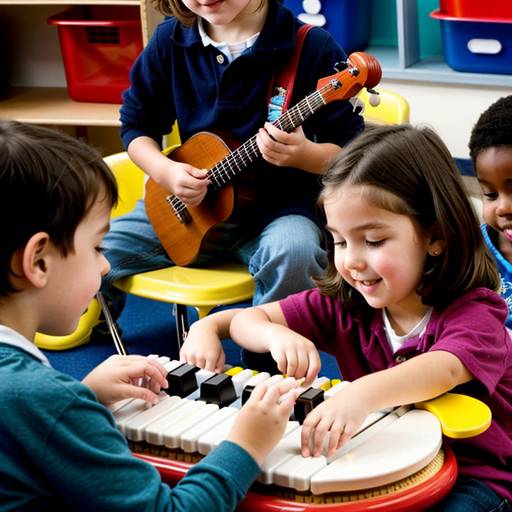
This preschool music lesson plan is designed to introduce young children to a variety of musical instruments and their sounds while fostering creativity and teamwork. The session begins with a brief discussion about music and identification of instruments through pictures. Children then engage in hands-on exploration by playing different instruments in small groups, allowing them to discover various sounds.
The interactive “Name that Instrument” game enhances their listening skills as they guess the instruments being played. Following this, students participate in a rhythm activity using rhythm sticks or clapping, encouraging both individual expression and collaboration. A simple song incorporating instrument-related movements offers a fun way to bring music to life, enabling students to sing and play along.
The lesson concludes with a reflection time where students share their favorite instruments and listen to music while identifying different sounds. Throughout the session, the focus is on participation, collaboration, and enjoyment of music, making it a comprehensive and engaging experience for preschoolers. Adjustments are included for varying needs, and informal assessments occur through observation of participation and understanding.
In this 2nd-grade music lesson, students explore music theory through an engaging combination of activities focused on note names and rhythm. The class begins with an introduction to the staff and treble clef, where students learn to identify and label musical notes, including those on the lines and spaces of the staff.
Students participate in a relay activity, working in teams to correctly place note name flashcards on a drawn staff, reinforcing their understanding of note identification. This is followed by a clapping circle where they learn about quarter notes and half notes, practicing simple rhythm patterns together.
The lesson concludes with an auditory activity, where students listen to short melodies, identifying notes based on their position on the staff. The session wraps up with a class discussion and a homework assignment that allows students to practice drawing the staff and labeling notes. Overall, the lesson promotes active participation, collaboration, and a solid foundation in basic music theory concepts.
Participants engage with simple instruments, allowing them to play along with familiar songs while emphasizing rhythm. The lesson also includes a free dance segment where children use scarves or ribbons to express themselves through movement. The session concludes with a calming song where children reflect on their favorite parts of the lesson in a closing circle.
Throughout the lesson, observation of individual participation helps assess the children’s understanding and enjoyment of the musical activities, fostering communication and creativity. The lesson can be extended by incorporating props and planning future music-focused days to reinforce the skills learned. Flexibility is encouraged to maintain high engagement levels among the students.