
Filters
Level
Grade
Subject
Subject Area
Subject Topic
Standard(s)
Audience
Keyword
DurationMinutes
Lesson Plans

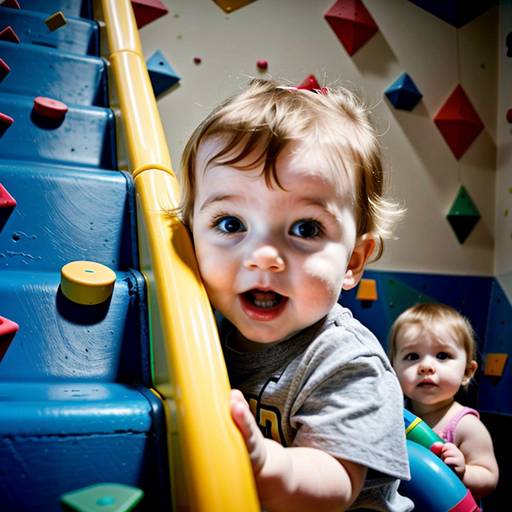
This engaging lesson plan focuses on enhancing gross motor skills through various climbing activities designed for toddlers aged 2-3 years old. The session begins with an introduction to the concept of climbing, followed by a warm-up that incorporates moving to music. Participants engage in a series of climbing stations, including a foam block mountain, tunnels for crawling, a slide zone, and an obstacle course, allowing them to explore different climbing challenges and develop spatial awareness.
A fun relay race encourages teamwork and social interaction as toddlers navigate through the course. The lesson concludes with a cool-down period where children reflect on their experiences and share their favorite climbing moments. Throughout the session, adult supervision is emphasized to ensure safety, and opportunities for parental involvement are provided. Overall, the plan promotes physical development, self-confidence, and cooperative play skills among young learners.
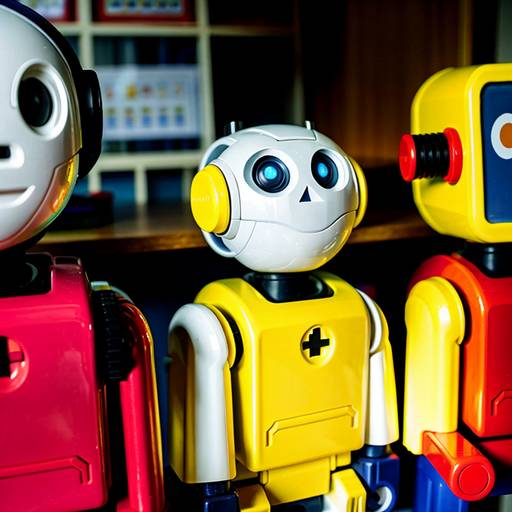
In this engaging preschool lesson, students will explore the exciting world of robotics through a series of interactive activities. The session begins with a group reading of a robot-themed story, sparking curiosity and encouraging discussion about how robots work and their functions. Following the introduction, students will have the opportunity to engage with simple programmable robots, learning how to give basic commands to navigate a floor grid while collaborating with their peers.
After hands-on programming, children will express their creativity by designing their own robotic characters on paper, complete with unique names and abilities. The lesson concludes with a sharing session where students present their designs and reflect on their learning experience. Throughout the activities, opportunities for assessment will arise as teachers observe student engagement and understanding, ensuring a fun and educational exploration of technology and teamwork. Extensions for advanced challenges can be provided in future sessions, further enriching the students' understanding of robotics.
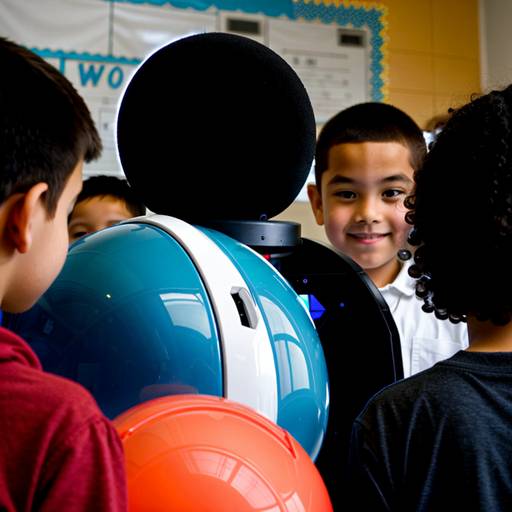
In this 4th-grade technology lesson, students will explore the fundamentals of robotics and programming by working with various types of robots. The lesson begins with an engaging discussion about robots in everyday life and progresses to an introduction of the components that make up a robot and the basics of block-based programming.
Students will be divided into small teams, where they will create an obstacle course and program their robots to navigate through it using the programming software. Through hands-on experimentation, they will test their programs, make observations, and iterate on their designs to overcome challenges.
At the end of the lesson, students will share their experiences and learnings, reflecting on what they found effective and what they would like to explore further. Assessment will involve observing group collaboration and participation, as well as having students write an exit ticket summarizing their insights and questions. The lesson encourages critical thinking, creativity, and teamwork, laying a solid foundation for future exploration in robotics and programming concepts.

In this 4th-grade technology lesson, students are introduced to robotics through engaging discussions and hands-on activities. The lesson begins with an interactive exploration of the role of robots in everyday life, followed by students working in small teams to build and program simple robots using basic robotics kits. After constructing their robots, teams plan their approach for a defined challenge that involves navigating the robots through an obstacle course. Students are encouraged to collaborate, strategize, and share ideas as they customize their robots and develop coding commands.
After a brief break, teams participate in the robot challenge, where they guide their robots through the course, reflecting on successes and areas for improvement. The lesson concludes with a wrap-up discussion that emphasizes teamwork, problem-solving, and the practical applications of robotics. Throughout the session, students enhance their understanding of robotics while honing key skills such as collaboration and critical thinking, with opportunities for extension tasks to further explore the field.
This lesson plan is designed for 4th-grade students to explore robotics through hands-on activities and collaborative challenges over three days. It begins with an introduction to the fundamentals of robotics, where students discuss components and view videos showcasing various robots. They then form small groups to brainstorm and sketch their robot designs, fostering teamwork and creativity.
In the second session, students build their robots using kits and construction materials, while also learning to program basic commands to control their creations. They work collaboratively, assigning roles within their groups to enhance cooperation.
The final day focuses on a series of robotic challenges, where groups test their robots in tasks such as navigating mazes or racing. Teams present their designs and programming solutions while participating in a competitive environment that encourages problem-solving and critical thinking. Throughout the lesson, students reflect on their learning experiences, and their progress is assessed based on teamwork, creativity, and performance. Extension activities are available for further exploration of robotics. Overall, the plan aims to engage and inspire students in the field of technology and engineering.
In this 5th-grade technology lesson plan, students will explore the world of robotics and programming through hands-on activities. The lesson is divided into two class periods. In the first period, students will learn about the basic components of robots and engage with building simple robot models using LEGO Mindstorms or EV3 kits. They will also be introduced to fundamental programming concepts such as sequencing and loops, using related coding software.
During the second period, students will apply their learned skills to design and program their robots to navigate a custom obstacle course they created in pairs. They will iteratively test and optimize their code while collaborating and troubleshooting any issues. As a class, students will evaluate each other's robots through demonstrations and peer feedback, promoting critical thinking and teamwork. Assessments will focus on participation, the robot's performance, and a reflective assignment where students will articulate their learning experiences and challenges encountered. Optional extensions will encourage further exploration and creativity in robot capabilities. Overall, the lesson aims to foster an understanding of robotics, coding, and essential collaborative skills.
This lesson plan is designed for 3rd-grade students and introduces them to the fundamentals of robotics through engaging, hands-on activities. Students will learn about the basic components and functions of robots while collaborating in small groups to build a simple robot using provided materials. Over the course of two class periods, students will first explore the concept of robots, their real-world applications, and the roles of various team members in a project.
In the second class, groups will construct their robots and participate in two fun challenges: navigating an obstacle course and a timed race that tests their robot's speed. Throughout the lesson, emphasis is placed on teamwork, problem-solving, and creativity. Student participation will be assessed based on collaboration and challenge performance, and reflections will encourage them to consider the implications of robotics in everyday life and potential future applications. This lesson aims to foster an understanding of robotics while developing key 21st-century skills.
In this 60-minute technology lesson for 2nd-grade students, learners will explore robotics by working in small teams to design and build simple robotic models using provided materials. The lesson begins with an engaging discussion about robots, followed by an introduction to key vocabulary relevant to robotics.
Students will then form groups and receive building kits, allowing them to brainstorm, sketch, and create their own robot designs. During the construction phase, they will test and refine their robots, encouraging critical thinking and collaboration.
The lesson concludes with group presentations where students describe their design process and the challenges they encountered. A reflective discussion will help solidify their understanding of the concepts covered. Assessment will be based on participation and presentation quality. Extensions can include introducing basic programming tasks with block-based tools, allowing for further engagement with technology. Overall, this activity fosters teamwork, creativity, and foundational skills in engineering and robotics.
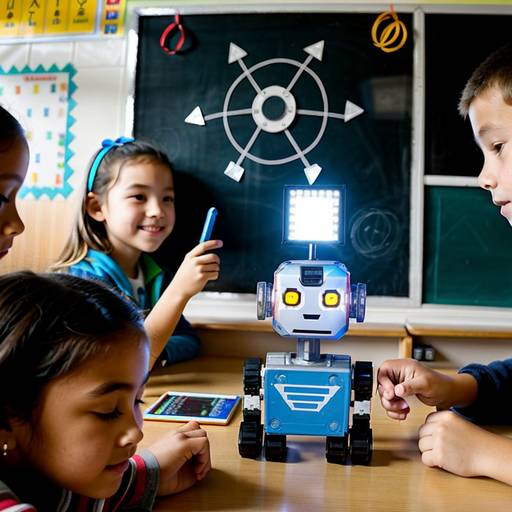
In this 2nd-grade technology lesson, students will explore the world of robotics by learning about the basic components of robots and their functions. The lesson begins with an engaging discussion and a short video to introduce the concept of robots and their presence in everyday life. Following this, students will work in small groups to design and build their own robots using LEGO sets or craft materials. They will first sketch their designs and then construct their creations, fostering collaboration and creativity. Each group will present their robot to the class, explaining its features and potential tasks, which encourages communication skills. The lesson concludes with a recap of key concepts learned, emphasizing teamwork and the importance of creativity in engineering. Assessment will be based on group participation, the completeness of the design process, and presentation content. Optional follow-up activities may further enhance students’ understanding of robotics and programming.

In this engaging 4th-grade technology lesson, students explore the fundamentals of robotics and programming through hands-on activities. Pairs of students work together to build simple robots using a robotics kit, learning about key components such as sensors and motors. After constructing their robots, they dive into a programming software to create basic commands that control their robots' movements.
The class sets up an obstacle course where students test their robots, adjusting their programming to overcome challenges successfully. Throughout the lesson, valuable skills such as collaboration, problem-solving, and critical thinking are emphasized as students navigate obstacles and share their experiences. The session culminates in a reflection, where students discuss their learnings, fostering a deeper understanding of robotics and its applications. Extensions include more complex programming challenges and a showcase event, promoting further exploration of technology.