
Filters
Level
Grade
Subject
Subject Area
Subject Topic
Standard(s)
Audience
Keyword
DurationMinutes
Lesson Plans

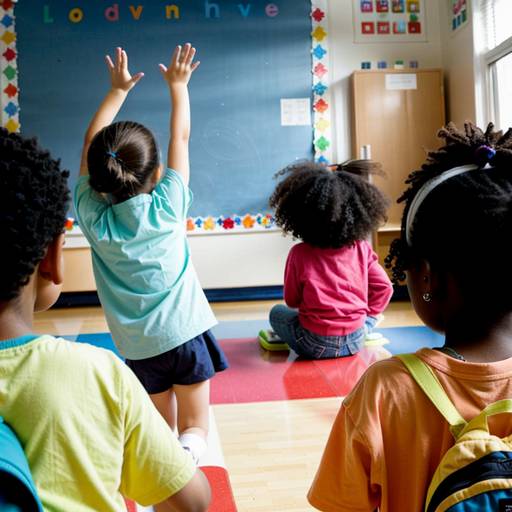
In this Kindergarten music lesson, students will explore fundamental concepts of rhythm and beat through engaging activities. The session begins with a discussion about music, followed by a clapping warm-up to familiarize children with different sound patterns, including long and short notes. Students will then break into small groups, where they will work with rhythm sticks or percussion instruments to create their own simple rhythms incorporating both long and short sounds. After practicing, each group will perform their rhythm for the class, allowing peers to listen and identify the differences in sound. The lesson concludes with a reflection on their musical experiences and an informal assessment of their understanding of rhythm. Extensions include creating rhythm games for home and integrating rhythm into other subjects like math and storytelling, ensuring that all students have the opportunity to participate and succeed. Differentiation strategies will support diverse learning needs, allowing for collaborative learning and creative expression.
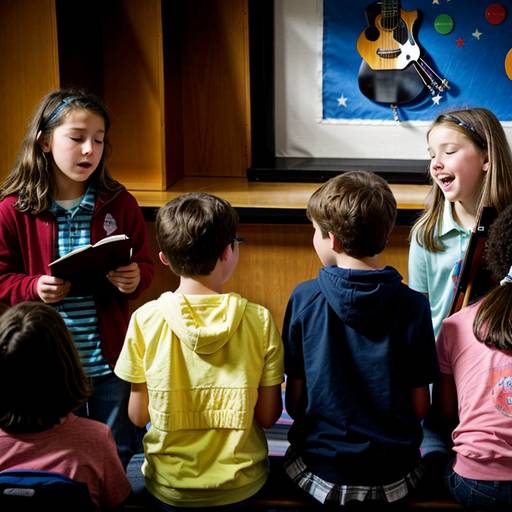
In this 5th-grade music lesson, students focus on enhancing their vocal skills and performance techniques through engaging activities centered on singing and rhythm. The lesson begins with warm-up exercises to prepare their voices, followed by a discussion about their favorite songs. Students then explore basic rhythmic patterns using clapping and body percussion, moving on to create their own rhythms with various instruments.
Next, a lively and age-appropriate song is introduced, and students work together to understand the lyrics and melody. They practice singing the song, incorporating the rhythms they developed earlier. The class is divided into small groups to rehearse, allowing them to perform for one another while receiving constructive feedback.
At the conclusion of the lesson, students reflect on their learning experiences and what they enjoyed most. An exit ticket is used to assess their understanding and identify areas for improvement. The overall goal is to build confidence in singing and performance while developing a deeper appreciation for melody and rhythm.
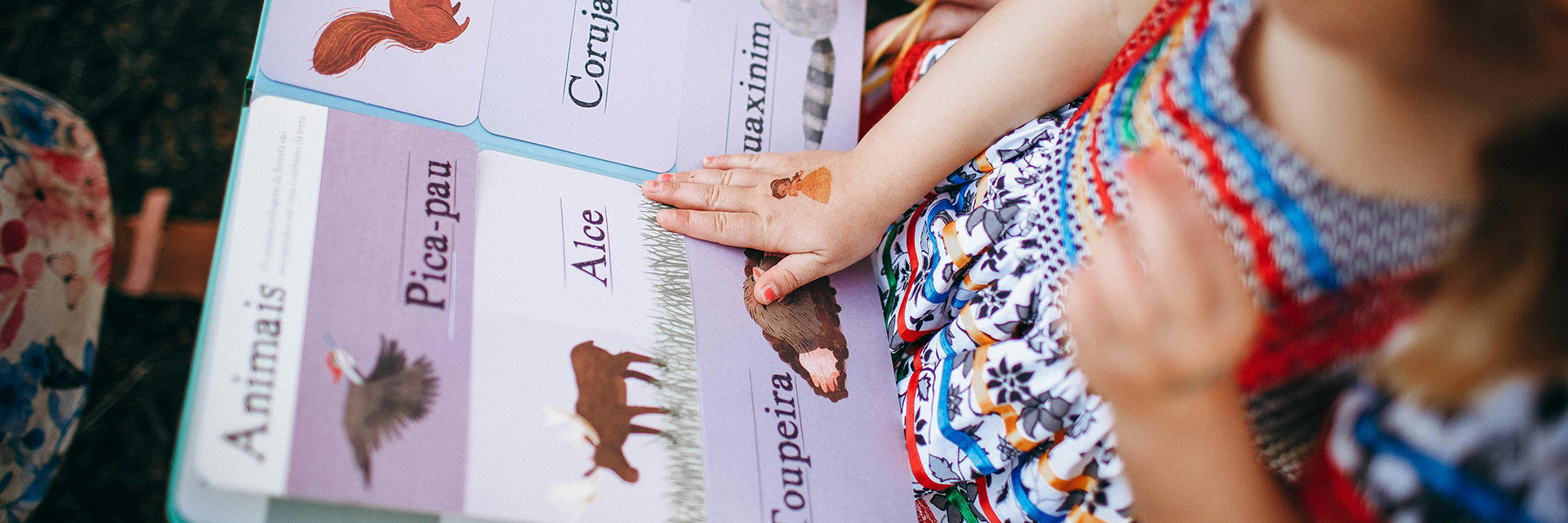
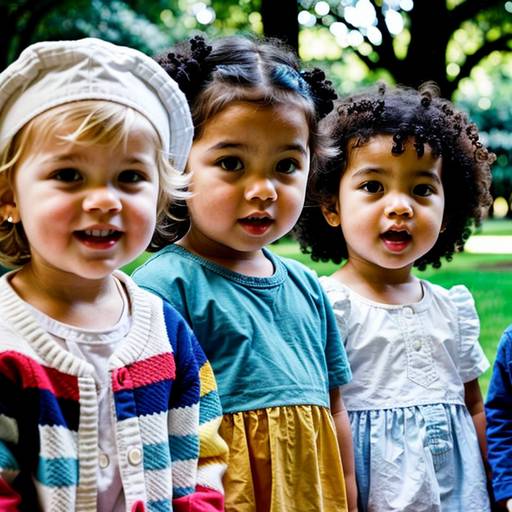
This lesson plan aims to enhance phonemic awareness in toddlers by engaging them in interactive activities that focus on recognizing and producing sounds, rhythms, and rhymes. The 30-45 minute session includes warm-up sound exploration using rhythm sticks and maracas, a lively storytime featuring rhythmic and rhyming books, and an energetic dance segment where children can express themselves through movement.
Children will participate in an interactive rhyming game using picture cards, followed by a creative craft activity where they create their own rhyme picture and share it with the group. The lesson concludes with a closing circle, allowing children to reflect on their experiences and practice verbal expression. Throughout, the lesson emphasizes fun and engagement, encouraging toddlers to explore sounds and words in a playful context, which supports early literacy development.

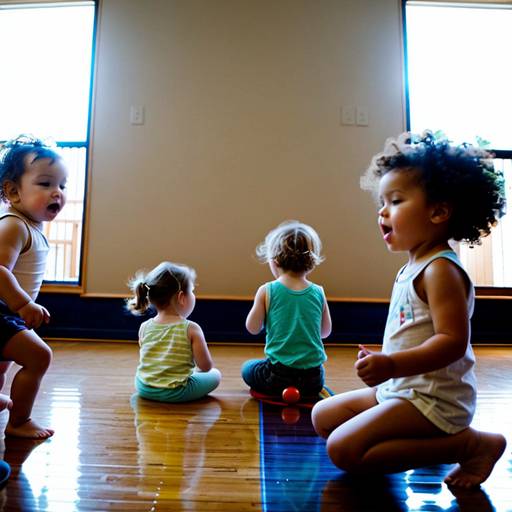
This lesson plan is designed for toddlers to engage in sensory exploration through music and movement over a 30-45 minute session. The activities aim to enhance gross motor skills, cognitive development, and social interaction. Starting with a welcome song, children will explore various musical instruments, allowing them to create and listen to different sounds. They will then participate in movement activities, dancing with scarves in response to upbeat music and slow movements to calming tracks.
Following this, toddlers will engage with sound jars filled with various materials to discover a range of auditory experiences, encouraging prediction and discussion about the sounds produced. The lesson continues with a fun bubble activity where children pop bubbles while dancing, heightening sensory engagement. As the session winds down, toddlers will participate in gentle stretching to calming music, followed by sharing their favorite moments from the lesson.
The session concludes with a farewell song that incorporates familiar movements, fostering a sense of community and positive reinforcement. Educators are encouraged to observe and assess children's engagement and interactions, adapting future lessons to support their unique interests and sensory preferences.
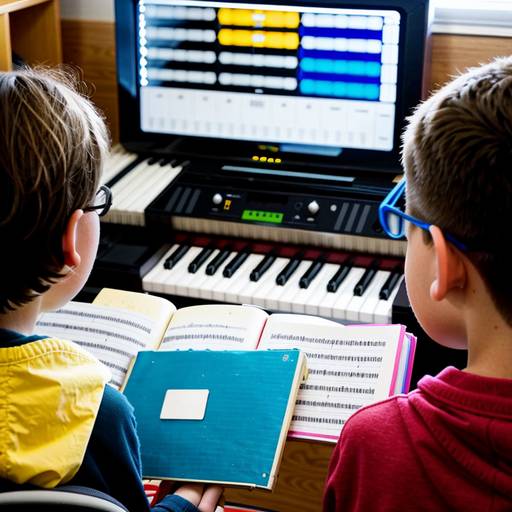
In this 5th-grade music lesson, students will delve into fundamental concepts of rhythm and music theory, focusing on rhythmic notation and time signatures. The session begins with a warm-up clapping exercise to establish a steady beat and to introduce various note values such as quarter notes, half notes, whole notes, and rests. Students will then work in small groups to practice and perform rhythmic patterns, which they will translate into playing on percussion instruments, fostering creativity and collaboration.
As a group, the class will combine their rhythms into a layered performance, using a metronome for synchronization. Following the rhythmic activities, students will listen to selected songs, identifying their rhythmic elements and time signatures, reinforcing their learning through real-world examples. The lesson concludes with a reflection and writing exercise where students summarize what they learned and pose any remaining questions. Assessment will be based on participation, group performances, and individual reflections. Extensions for the lesson include homework on identifying rhythmic elements in favorite songs, encouraging further exploration of rhythm in music.
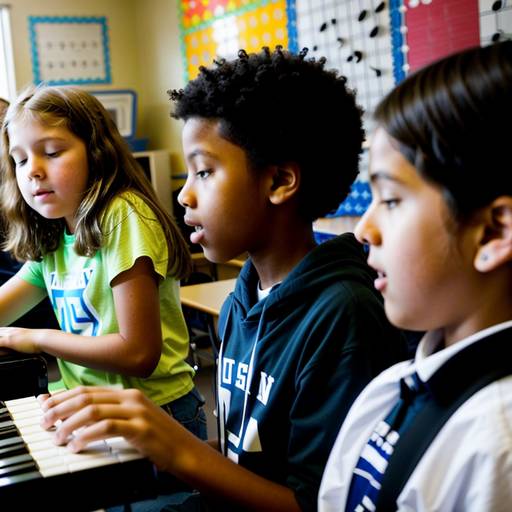
This 5th-grade music lesson focuses on music theory and rhythm, engaging students through various activities designed to enhance their understanding of rhythmic patterns. The lesson begins with a clapping warm-up to introduce basic rhythmic concepts, followed by a discussion that involves students sharing their prior knowledge.
Students will learn about different rhythmic elements, including quarter notes and eighth notes, and practice clapping specific patterns. An interactive listening activity allows them to identify rhythms in music, while a rhythm echo game reinforces their skills in a fun and engaging manner.
In small groups, students will create their own rhythmic patterns using percussion instruments, fostering their collaborative skills and creativity. The lesson culminates in a performance where groups showcase their rhythmic creations, followed by a reflective discussion on the importance of rhythm in music. Assessment will be based on participation and student-generated rhythms, with adaptations available for diverse learning needs. Extensions for future lessons may explore rhythms from different cultures, broadening students' musical horizons.
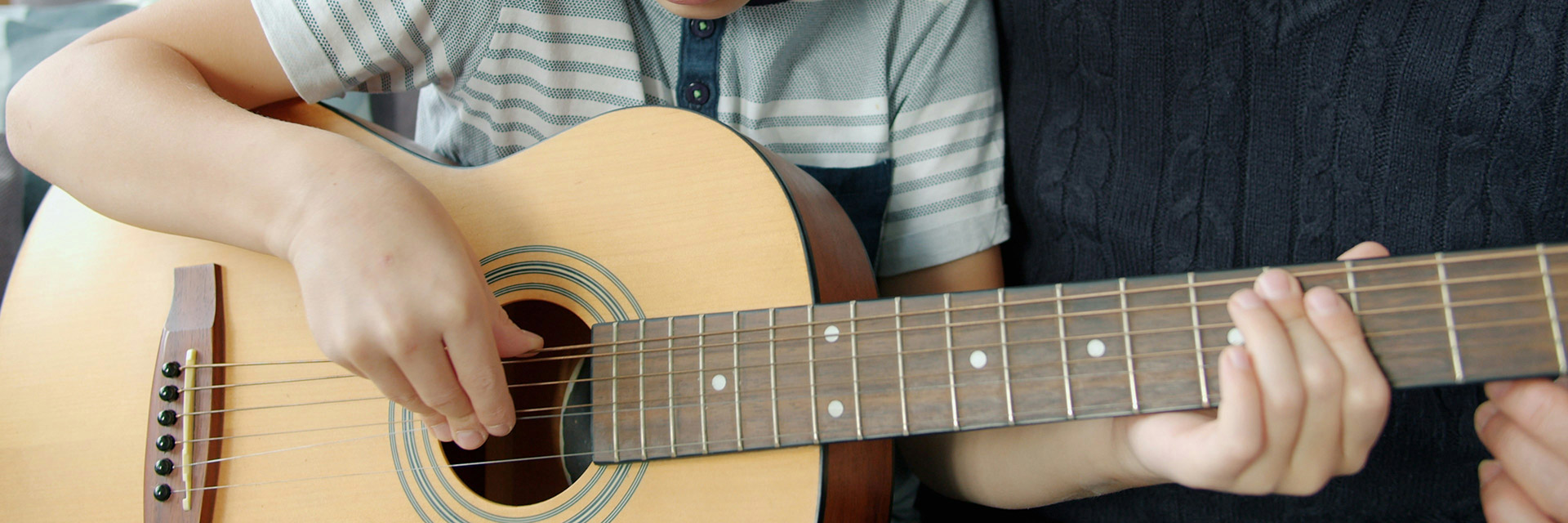
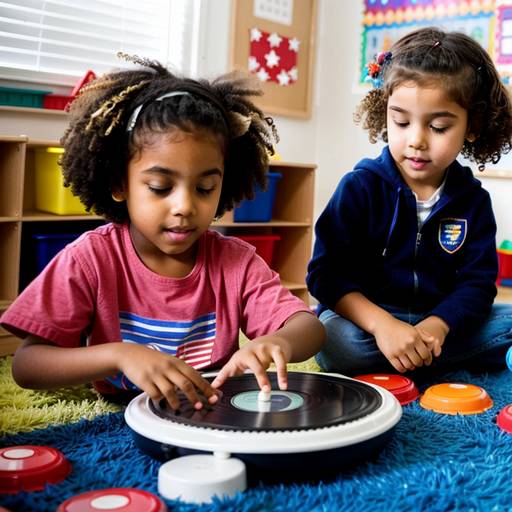
This preschool music lesson plan focuses on introducing young children to the concept of rhythm through a variety of engaging activities that span 45 minutes. The lesson begins with a circle discussion where children are encouraged to share their experiences with rhythm, followed by a demonstration of different clapping patterns for them to mimic.
Next, students participate in body percussion activities, including clapping and stomping, and play a rhythm echo game to reinforce their understanding of rhythms. They then explore various musical instruments, such as drums and shakers, allowing for free play and the creation of their own rhythm patterns in small groups, which they later perform for their peers.
Incorporating movement, the lesson includes a lively dance party with different musical genres, followed by a "Follow the Leader" activity where children imitate rhythmic movements. As the lesson winds down, students engage in a calming session with soft music, encouraging gentle play on their instruments. The session concludes with a group reflection on their favorite activities and a farewell song, fostering a sense of community and closure.
Throughout the lesson, children are assessed on their ability to follow rhythms and patterns, with adaptations available to support diverse learning needs. The overall goal is to develop early rhythm skills while promoting coordination, creativity, and social interaction among students.
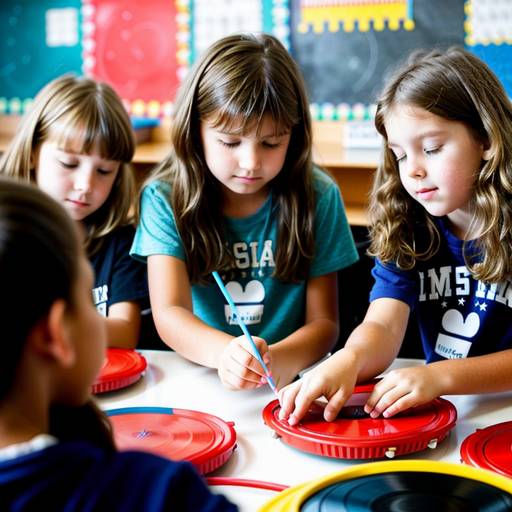
In this 3rd-grade music lesson, students will explore the concept of rhythm and learn to identify and perform basic rhythmic patterns. The session begins with a discussion on rhythm and tempo, differentiating between fast and slow beats. Students engage in a warm-up activity that involves clapping various rhythms at different tempos. They are then introduced to rhythmic notation through flashcards representing different note values and practice clapping simple rhythms together as a class.
Students will be divided into small groups to compose their own short rhythmic pieces, using body percussion and classroom instruments. After practice time, each group will perform their composition for the class, receiving feedback and encouragement. The lesson concludes with a discussion that reinforces the understanding of rhythm and encourages students to notice rhythm in their daily lives. Assessment will focus on participation, engagement, and the creativity demonstrated in group compositions. Extensions may include exploring rhythm with different instruments or using music notation software to deepen their understanding.
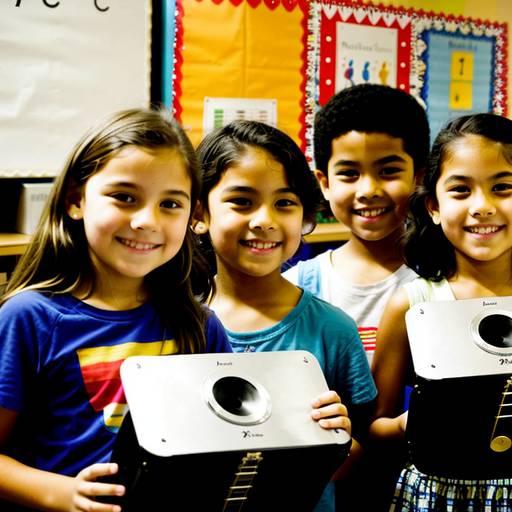
In this 45-minute music lesson for 2nd graders, students explore the concepts of rhythm and basic music notation. The lesson begins with an introduction to rhythm and a distinction between steady beat and rhythm patterns, using clapping as an interactive example. Students engage in a warm-up activity that includes body percussion to build their rhythm skills.
Following this, the teacher introduces basic rhythmic notations such as quarter notes, eighth notes, and half notes, using visuals to enhance understanding. Students are then divided into groups, where they practice and create their own rhythm patterns using body percussion or instruments. Each group shares their rhythm creations with the class, allowing for collaborative learning and expression.
The lesson wraps up with a reflection on what students learned and a discussion about their favorite rhythm patterns. Assessment is based on participation and understanding demonstrated during activities. Extensions include introducing songs that incorporate the rhythmic elements learned, while providing differentiation to support various learning needs within the classroom. By the end, students gain a foundational understanding of rhythm and experience the joy of making music together.
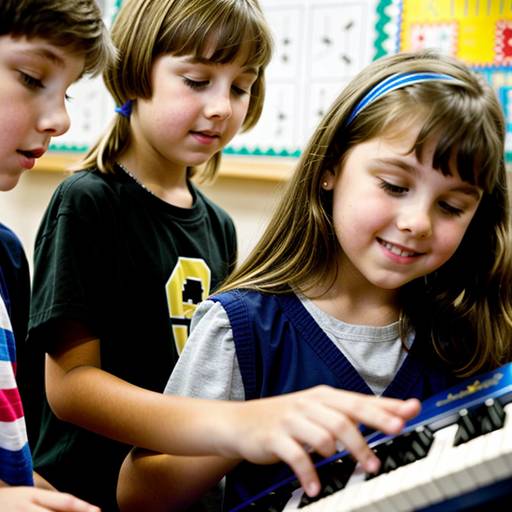
In this 4th-grade music lesson, students will explore rhythm through engaging activities that emphasize understanding and identifying basic rhythmic patterns, specifically focusing on quarter notes, eighth notes, and rests. The lesson begins with a warm-up clapping exercise to establish a foundational understanding of rhythmic notation and sound.
Following direct instruction that includes demonstrating rhythms with flashcards and writing patterns on the whiteboard, students will be divided into small groups. Each group will create their own rhythmic sequences on large sheets of paper, incorporating various note types. This collaborative effort promotes teamwork and creativity.
After the groups have developed their rhythms, they will take turns performing their compositions using claps and percussion instruments, while the rest of the class maintains a steady beat. Constructive feedback will be provided after each performance to encourage growth and confidence.
The lesson concludes with a class discussion reflecting on the challenges and successes of creating and performing rhythms. Overall, students will gain a deeper understanding of rhythm's crucial role in music, while enhancing their collaboration, performance skills, and critical thinking abilities. Assessment will be based on participation, creativity, and collaboration, with potential extension activities to further explore rhythmic concepts.