
Filters
Level
Grade
Subject
Subject Area
Subject Topic
Standard(s)
Audience
Keyword
DurationMinutes
Lesson Plans

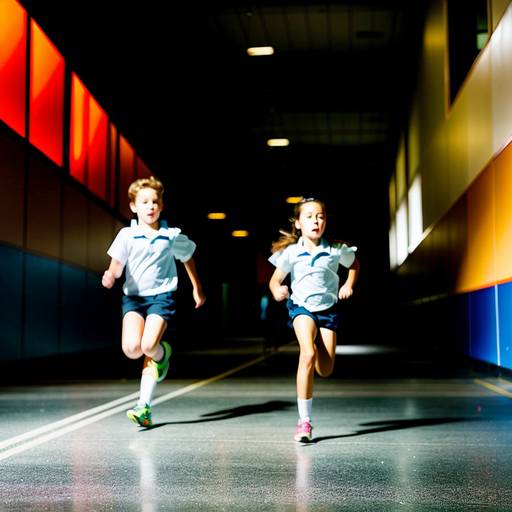
This lesson plan for 3rd-grade students focuses on the concepts of motion, speed, and forces within physical science. The lesson begins with an interactive discussion where students define motion and explore related vocabulary like "force," "push," and "pull." Demonstrations involving toy cars and ramps illustrate how gravity influences motion. Students then work in small groups to conduct a hands-on experiment, varying the angle of ramps to observe how it affects the speed of the cars. They record their observations and discuss their findings with the class, reinforcing their understanding of the relationship between force and motion. The lesson concludes with an evaluation of student participation and science journal entries, with an optional extension activity for those who finish early or seek further challenge. Overall, this plan emphasizes collaborative learning and critical thinking while exploring fundamental scientific principles.

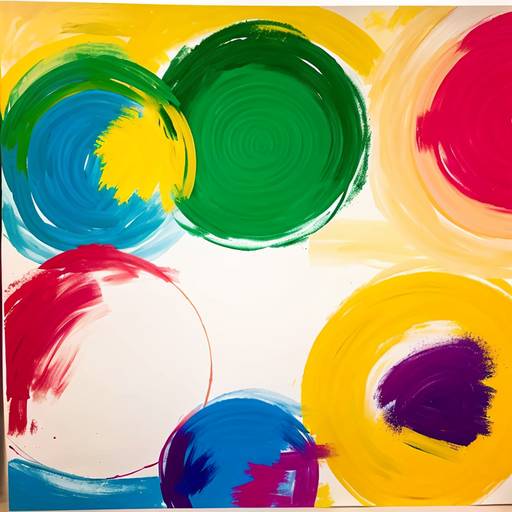
This preschool art lesson focuses on introducing young children to the concepts of color mixing and abstract painting. The session begins with a discussion about rainbows and their colors, demonstrating how primary colors can be mixed to create secondary colors. Children then engage in a hands-on exploration by mixing paints and creating their own abstract artwork on large sheets of paper or canvas. Throughout the activity, they are encouraged to express their feelings and imaginations without the pressure of specific guidelines. The lesson emphasizes creativity, self-expression, and the development of fine motor skills. Following the painting session, children participate in clean-up activities and share their artwork with peers, promoting a sense of community and validation of their individual expressions. The lesson can be extended with additional creative activities and a gallery display for parents, enhancing engagement and appreciation for their artistic creations.

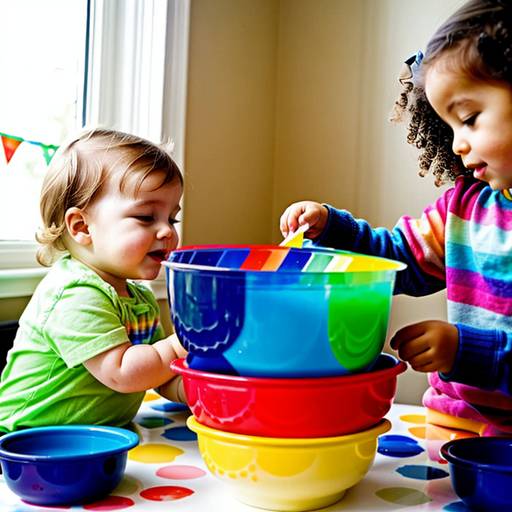
In this engaging lesson plan designed for toddlers aged 2-4 years, students will explore the world of colors and shapes through the fun activity of color mixing. The session begins with a vibrant introduction where children identify primary colors found in their surroundings. A captivating story is read to reinforce color concepts and spark interest.
Following this, the children participate in a hands-on activity where they mix primary colors (red, blue, and yellow) to create secondary colors (green, orange, and purple) using paint and brushes. They are encouraged to experiment and express their creativity on construction paper.
The lesson also includes a sensory exploration segment, allowing children to experience the textures of wet paint and other colorful materials. To conclude, students will share their artwork in a group discussion, reflecting on the colors they created and how they felt about the mixing process. This interactive experience not only enhances fine motor skills but also reinforces color recognition and creativity among the young learners.

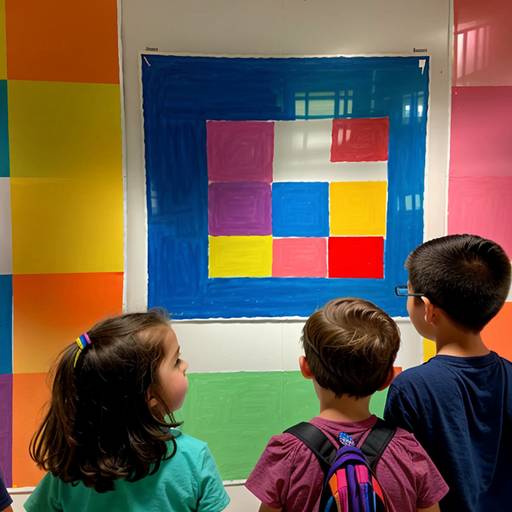
In this 1st Grade art lesson, students will explore the elements of art through a hands-on activity focused on color theory and shape recognition. The lesson begins with an engaging discussion about colors, where students will identify primary and secondary colors using a color wheel. They will also learn about basic shapes like circles, squares, triangles, and rectangles.
After the introduction, students will work in small groups to create a large mural using crayons, markers, and optional paint. They will have the opportunity to mix colors and utilize various shapes to design their sections of the mural, allowing their creativity to shine. The lesson concludes with a sharing session where students reflect on their artwork and discuss the colors and shapes they used. This collaborative activity not only fosters artistic skills but also encourages teamwork and self-expression.


In this engaging lesson plan for toddlers focused on emotional development, children will learn to identify and express their feelings through interactive and creative activities. The session begins with a group discussion encouraging children to name and make faces for different emotions using colorful flashcards. A storybook centered on emotions is read, prompting reflections on characters’ feelings.
A feelings chart and mirror activity allow children to explore their own emotions and practice expressing them physically. To further reinforce their understanding, children will create drawings depicting their favorite emotions, sharing their artwork and experiences with the group. The lesson concludes with a wrap-up circle where children review what they’ve learned and share affirmations about the importance of feelings. Extensions for the lesson include setting up a “Feelings Corner” in the classroom and encouraging discussions about emotions at home. Overall, the plan aims to foster emotional awareness and expression in a supportive and fun environment.
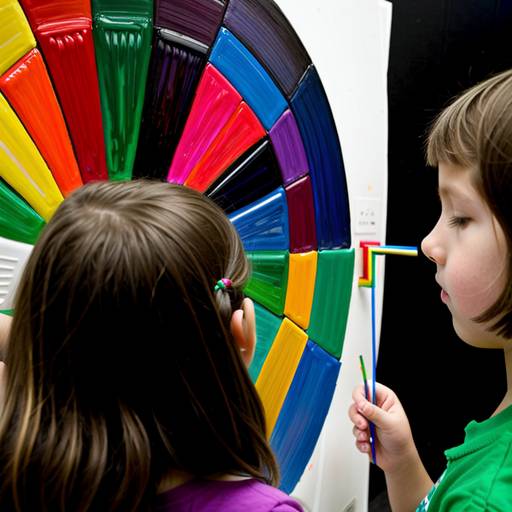
In this 2nd-grade art lesson, students will explore the elements of art with a focus on color theory. The session begins with a discussion about favorite colors and the introduction of primary colors (red, blue, yellow) and how they can be mixed to create secondary colors (green, orange, purple). Students will observe demonstrations of color mixing and complementary colors through the use of a color wheel.
Following the introduction, students will engage in a hands-on activity where they will create their own colorful artwork using watercolor paints. They will paint a background, mix primary colors to form secondary colors, and apply complementary color combinations for contrast and depth in their artwork. Throughout the activity, the teacher will provide support and encouragement, fostering creativity.
Finally, the lesson concludes with a reflection and sharing session, where students will present their completed artworks to their peers, discussing the colors used and their artistic inspiration. The lesson assessment will focus on students' understanding and application of color theory, creativity, and engagement during the activity. Differentiation strategies will be employed to support diverse learning needs, ensuring all students can participate meaningfully.
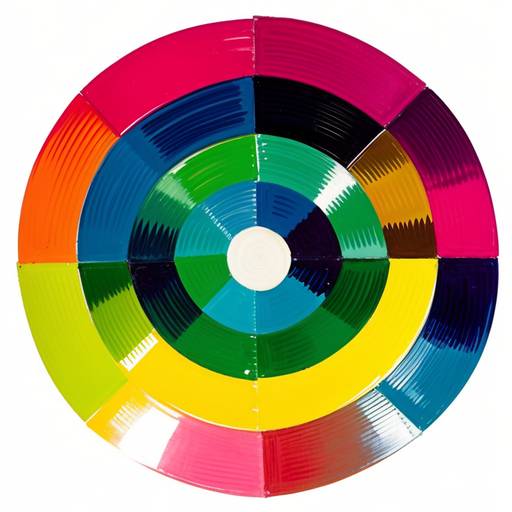
In this kindergarten art lesson, students will explore the basic elements of art, focusing on color and shape. They will begin by learning about the color wheel, including primary and secondary colors, and how to mix them. Students will also review various shapes, identifying them through pre-cut paper shapes.
During the guided practice, students will experiment with mixing watercolors to create new colors and arrange shapes on drawing paper. They will then paint a background using their mixed colors and glue their shapes onto the artwork, adding personal touches with markers or crayons.
The lesson will conclude with a sharing session where students present their creations, discussing the colors and shapes they incorporated and what they learned about color mixing. Assessment will be based on their engagement in the activities and the creativity observed in their final artworks. This lesson encourages artistic expression and helps develop fine motor skills while fostering a deeper understanding of color theory and shape recognition.

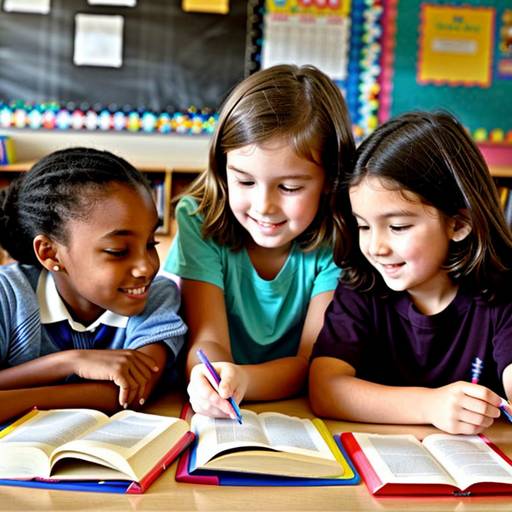
In this 2nd-grade Language Arts lesson, students will focus on improving reading fluency through a series of engaging activities. The lesson begins with a discussion on reading fluency, followed by a demonstration of expressive reading. Students will then practice together in pairs, taking turns reading and discussing their chosen books. After a guided practice session, each student will read independently and track their fluency progress by measuring the number of words read in one minute. The lesson concludes with students sharing their favorite parts of their books and reflecting on their learning. Throughout the lesson, emphasis is placed on the elements of fluency—speed, accuracy, and expression—encouraging collaboration and enhancing reading skills. Additionally, extensions such as creating a "Fluency Star" poster and organizing a reading day are included to further enrich the learning experience.
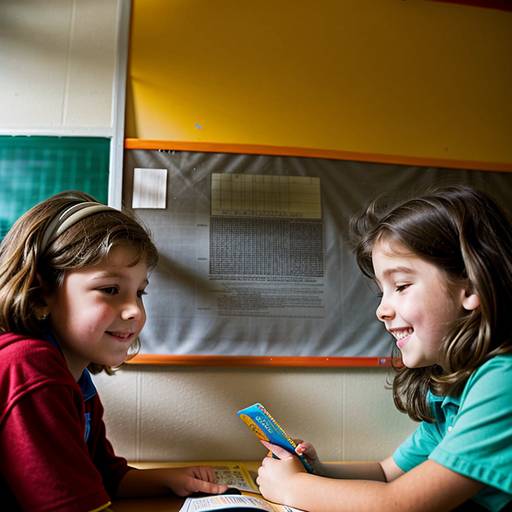
In this 2nd grade language arts lesson plan, students will embark on an engaging reading adventure focused on character exploration and reading fluency. The lesson begins with a discussion about the elements that make stories interesting, emphasizing the importance of characters. The teacher demonstrates expressive reading and fluency techniques using a selected text, modeling how to convey emotion through tone and pacing.
Students then pair up for partner reading activities, where one student reads a passage aloud while the other listens and notes character traits they observe. After switching roles, they will complete a character analysis graphic organizer that involves describing a chosen character and illustrating their traits.
The lesson concludes with a sharing session where students present their character analyses to the class, fostering discussion and deeper understanding. Assessment will be conducted through observation during partner reading and the evaluation of character analysis worksheets. Extensions and adaptations are provided to support various learning needs, ensuring that all students can participate effectively in the reading experience while improving their fluency and comprehension skills.
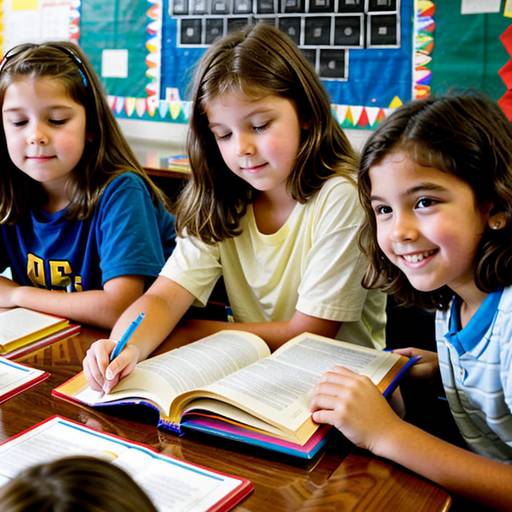
In this 3rd-grade Language Arts lesson, students will explore key reading strategies to enhance their comprehension skills. The lesson begins with an engaging storytelling hook that introduces the concept of predicting. Following this, students will learn about four specific strategies: predicting, questioning, summarizing, and visualizing, each supported by anchor charts with definitions and examples.
During the guided practice, the teacher will read a selected short story aloud, modeling how to apply these strategies at critical points in the text while encouraging student participation. In the independent practice, students will work in small groups, applying one of the strategies to a designated part of the text. They will discuss their insights and write their thoughts on sticky notes to share with the class.
To conclude the lesson, a reflection discussion will help students articulate how these strategies improved their understanding of the story. Assessment will be carried out through observations during group sharing and the collection of sticky notes to evaluate each student's grasp of the strategies. Optional extension activities, such as creating a "Reading Adventure Journal," are suggested to further encourage students to practice and reflect on their reading experiences.