
Filters
Level
Grade
Subject
Subject Area
Subject Topic
Standard(s)
Audience
Keyword
DurationMinutes
Lesson Plans

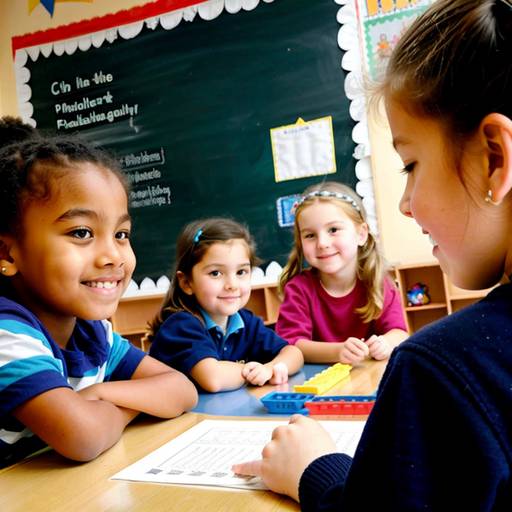
In this preschool lesson plan, students will explore the concept of community and the vital roles of various community helpers. The session begins with an engaging introduction where children identify and discuss different helpers, such as firefighters, police officers, teachers, and doctors, emphasizing their importance in the community.
Following this, students participate in a hands-on activity where they contribute to a community helper chart, illustrating their chosen helper and sharing why they believe this role is essential. This collaborative effort promotes discussion about the interconnectedness of these roles and their impact on daily life.
The lesson also includes a read-aloud of a relevant book, encouraging students to reflect on their personal experiences with community helpers. To conclude, the class sings a simple song celebrating these helpers, and students are encouraged to think of a way to express gratitude to a community helper. The lesson fosters appreciation for the community and teamwork while providing an engaging and interactive learning environment. Assessment is conducted through observation and participation in discussions and activities.

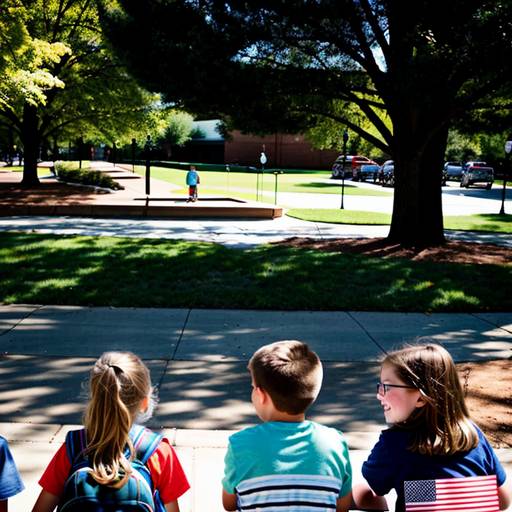
In this 2nd-grade Language Arts lesson, students will explore expository writing by crafting a descriptive piece about their experiences at the park. The lesson begins with a discussion that encourages students to share their favorite park activities. They will read a sample expository paragraph to understand the structure and the importance of sensory details. Students will then brainstorm their ideas using a graphic organizer, focusing on their activities, sensory experiences, and interactions. After completing their organizers, they will write their own paragraphs and share them with a partner for feedback. The lesson concludes with a review of key concepts, and students will illustrate a part of their experience to accompany their writing. Assessment will be based on student participation and the quality of their written work, with opportunities for further exploration of writing about other places they enjoy.
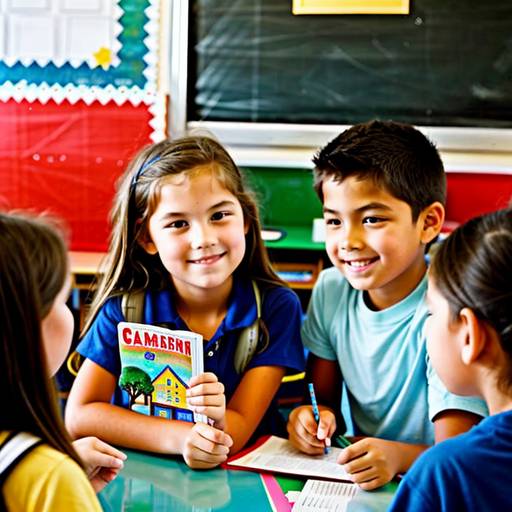
In this lesson plan for 2nd-grade students, the focus is on expository writing, where students will learn to express their ideas about a dream vacation clearly and descriptively. The lesson begins with a discussion on favorite vacation spots, followed by a modeling session where the teacher presents an example paragraph that illustrates the structure of expository writing. Students will then participate in guided practice to brainstorm activities for their chosen destinations using a graphic organizer, which helps them organize their thoughts. Following this, they will independently write paragraphs that include sensory details, utilizing their organizers as a reference. The lesson concludes with a sharing session, where students read their work aloud, fostering a supportive environment. Assessment will be conducted by collecting the written paragraphs to evaluate clarity, organization, and use of details, with differentiations and extensions offered for varying student needs. Overall, the lesson emphasizes the importance of structure and descriptive language in writing.
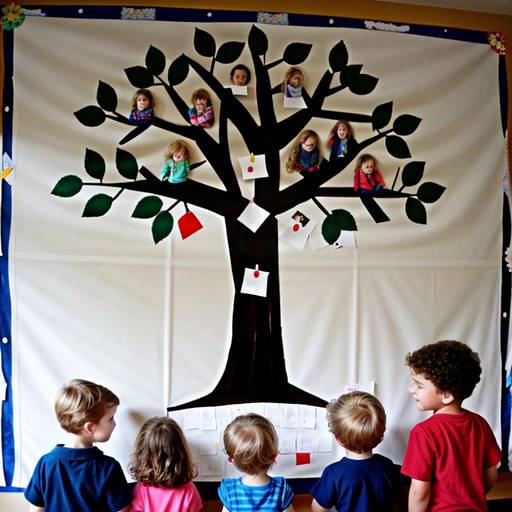
In this preschool lesson plan focused on social and emotional development, students will explore the concept of family, emotions, and the importance of rules and routines. The lesson begins with a group discussion about what family means to each child, followed by a read-aloud of a storybook that highlights different family structures and emotions. As part of a creative activity, each child will create a family tree, illustrating their family members and expressing their feelings towards them.
The discussion will then shift to the significance of family rules and routines, emphasizing how they contribute to feelings of safety and love. Children will share their family rules and reflect on how these rules impact their emotional well-being. To reinforce emotional expression, students will engage with a soft toy, sharing feelings related to their family experiences. Finally, the lesson concludes with a group reflection, allowing children to share their favorite parts of the activity and what they’ve learned about their families, feelings, and the role of rules in family life. Families will be encouraged to continue these discussions at home to further support emotional understanding.
In this 3rd-grade Language Arts lesson, students will explore expository writing by focusing on their favorite season. The lesson begins with a discussion that engages students in sharing their thoughts about seasons, leading to a definition and explanation of the characteristics of expository writing. Through guided practice, students will analyze a sample paragraph, working together to create a graphic organizer for a chosen season.
Following this, students will independently write their own expository paragraphs about their favorite season, utilizing the organizer to structure their thoughts and include supporting details. The lesson concludes with a sharing session where students present their writing to the class and reflect on what they learned about effective expository writing. Assessment will focus on evaluating the clarity, organization, and adherence to the writing structure, while extensions and adaptations are provided to support diverse learners.

In this 1st grade Language Arts lesson, students will explore the fundamentals of creative writing by brainstorming and developing their own story ideas. The lesson begins with a discussion of story elements, including characters, setting, and plot, using simple examples to illustrate these concepts. Students will then select story prompts and draft their own short narratives, incorporating a clear beginning, middle, and end. After writing, they will illustrate a chosen scene from their story to enhance their visual storytelling skills. Finally, students will share their stories in pairs or small groups, fostering a supportive environment for creative expression. Assessment will focus on their understanding of story elements, creativity, and effort in both writing and illustrating. Adaptations are provided for varying skill levels, ensuring all students can participate meaningfully. Extension activities may include compiling a class book of stories or organizing a storytelling event.

This 2nd-grade social studies lesson plan focuses on helping students understand their community and the important roles of various community helpers. The lesson begins with a class discussion about the concept of a community, enabling students to identify different helpers such as firefighters, doctors, and teachers.
Students participate in a group activity where they match role cards to corresponding pictures, sharing facts about their assigned community helpers with the class. The main hands-on activity involves students creating their own visual representations of a community helper, including drawings and 3D models, while writing about the helper’s job and its significance.
The lesson concludes with student presentations, allowing them to share what they learned and express their creativity. Assessment focuses on participation and comprehension throughout the activities, with opportunities for extensions and accommodations to support all learners. This engaging approach fosters a sense of belonging and awareness of community roles among students.
This first-grade social studies lesson focuses on introducing students to basic geography concepts, particularly related to maps. Students will begin by engaging with a storybook that highlights maps and their importance in understanding locations. They will learn about key map features such as the legend, compass rose, and symbols. Through a guided practice activity, the class will collaboratively create a community map, identifying important local landmarks and their relationships to one another.
Following this, students will have the opportunity to create their own individual neighborhood maps, incorporating at least three significant locations, along with a legend and compass rose. The lesson will conclude with a sharing session, allowing students to present their maps and explain their chosen landmarks. Assessment will involve monitoring participation and reviewing the completed maps for necessary elements. Extensions to the lesson include exploring digital maps and planning a neighborhood walk to reinforce learning. Overall, this lesson aims to foster an appreciation for maps and an understanding of students' places in their community.
In this first-grade social studies lesson, students will explore different roles within their community and understand how these roles contribute to the overall well-being of their environment. The lesson begins with a warm-up discussion followed by a storybook reading that highlights community helpers. Students will then engage with a community roles chart to learn about various professions, such as teachers, police officers, and doctors.
Afterward, students will be divided into small groups to create posters featuring selected community roles. They will illustrate and describe how each role supports the community, fostering teamwork and creativity. Following the group activity, each group will present their poster to the class, encouraging public speaking and reflection on the importance of community contributions.
The lesson concludes with a discussion on the significance of roles in both the wider community and the school itself. Assessment will be based on group participation, presentations, and the quality of the posters. Extension activities include role-play scenarios and inviting a local community helper for a Q&A session. Differentiation strategies will be in place to support diverse learners, ensuring an inclusive and engaging experience for all students.
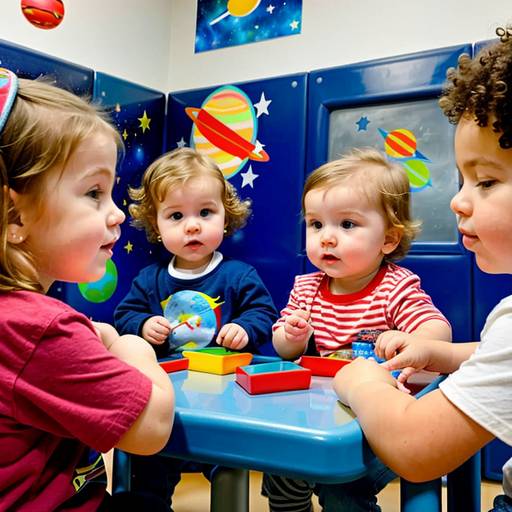
In this lesson plan, toddlers will explore the concept of personal boundaries through a series of engaging activities aimed at enhancing their understanding of physical space, sharing, and respecting others' limits. The session begins with a circle introduction where children discuss the importance of personal space, followed by a read-aloud of a picture book that illustrates these concepts.
Students participate in an interactive activity using hula hoops to experience the feeling of having their own space. They also engage in a toy-sharing scenario, learning to ask permission and negotiate sharing with peers. A creative drawing activity allows each child to express their understanding of personal space visually, fostering communication skills as they share their artwork with the group.
The lesson concludes with a closing circle, where children review what they've learned and practice expressing their intentions regarding respecting personal space. Throughout the session, educators observe participation and engagement to assess understanding and encourage positive interactions among the children. Extensions of the lesson can be incorporated into daily routines to reinforce boundary concepts.