
Filters
Level
Grade
Subject
Subject Area
Subject Topic
Standard(s)
Audience
Keyword
DurationMinutes
Lesson Plans

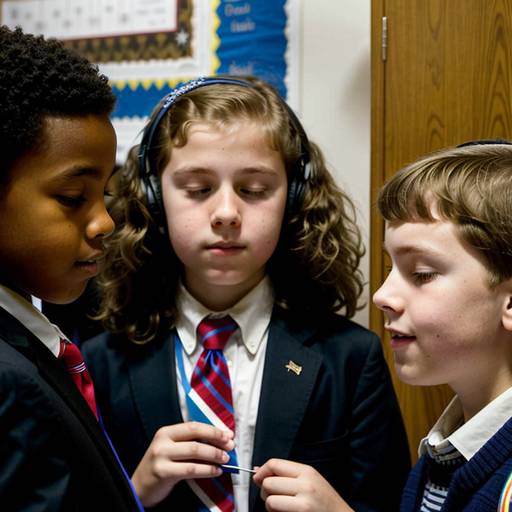
In this 60-minute music history lesson for 4th-grade students, the class will explore key music periods: Baroque, Classical, Romantic, and 20th Century. Students will begin with a discussion about the nature of music and how it evolves over time. They will engage in a listening activity, where they work in groups to analyze audio clips from each period, focusing on characteristics such as tempo and instrumentation. Following group presentations, a collaborative timeline will be created to summarize the composers and significant works from each era.
As a creative extension, students will fill out worksheets with fun facts and questions, followed by an art activity where they create visual posters representing their chosen music period. The lesson will culminate in a sharing session where students showcase their artwork. Assessment will be based on participation, worksheet completion, and the creativity of the posters. Extensions like research projects on specific composers and a musical showcase will further enhance their learning experience. Overall, this lesson aims to foster an appreciation for the historical development of music through interactive and engaging activities.
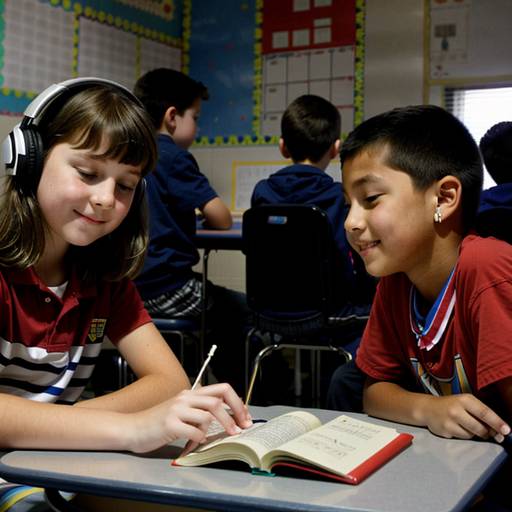
In this 4th-grade music appreciation lesson, students will immerse themselves in a variety of cultural sounds from around the world. The lesson begins with a warm-up discussion, encouraging students to share their favorite music and explore the connection between music and cultural identity. They will listen to audio clips featuring traditional music from distinct cultures, discussing the instruments used, the emotions conveyed, and the overall impact of each piece. By incorporating visual aids and interactive participation, students will engage in a dynamic learning environment.
Following the listening activity, students will create an artistic representation inspired by the last piece of music they heard, allowing them to express their understanding and emotions related to the music. The lesson concludes with a recap of key concepts learned and a reflection on newfound insights into global music culture. Assessment will be based on student participation, creativity in their artwork, and their ability to articulate their listening experiences. Extensions include planning a cultural music sharing day, fostering further interest and exploration in diverse musical traditions.
In this 4th-grade music lesson, students will embark on an engaging exploration of various musical genres and their historical contexts. Over the course of 60 minutes, they will first participate in a warm-up discussion about music's significance in their lives and share their favorite styles and artists. The teacher will introduce five major genres—Classical, Jazz, Rock, Folk, and Hip-Hop—highlighting each one's defining characteristics, influential musicians, and historical backgrounds, supported by audio clips for better understanding.
Students will then break into small groups, each assigned a specific genre, to conduct a listening activity. They will analyze audio samples, noting the unique features of their genre, and share their observations with the class. Following this, students will engage in a creative project, designing posters that illustrate the essence of their assigned genre, including key characteristics and visual representations.
The lesson will conclude with a class discussion about their experiences, encouraging students to reflect on what they found most interesting. Through participation and creativity, students will gain a foundational understanding of music history and develop an appreciation for different musical styles. Optional extensions may include exploring additional genres or inviting a local musician for live demonstrations.
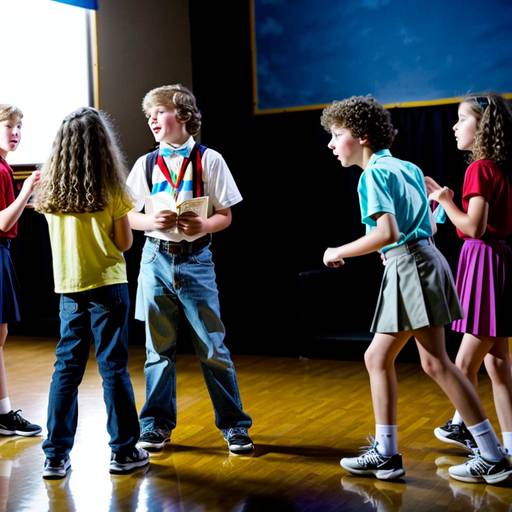
In this 5th-grade music appreciation lesson, students will engage in exploring iconic songs from different decades, examining how these tracks reflect the culture and historical events of their time. The lesson begins with a discussion on the significance of music in their lives, followed by a listening activity where students hear short clips from notable songs spanning the 1960s to the 2000s. After each song, students participate in discussions to share their impressions and thoughts regarding the music and its context.
Students will then work in small groups to analyze the distinct characteristics of music from a specific decade, presenting their findings to the class. To encourage creative expression, each student will choose a song that resonated with them and create a visual representation of its emotional impact or story. The lesson concludes with students sharing their artwork and thoughts about their chosen songs, promoting a deeper appreciation for the evolution of music and its role in society. Assessment will focus on participation, creativity, and the ability to articulate thoughts and feelings about music. Extensions include creating a class playlist featuring discussed songs and research presentations on influential artists.
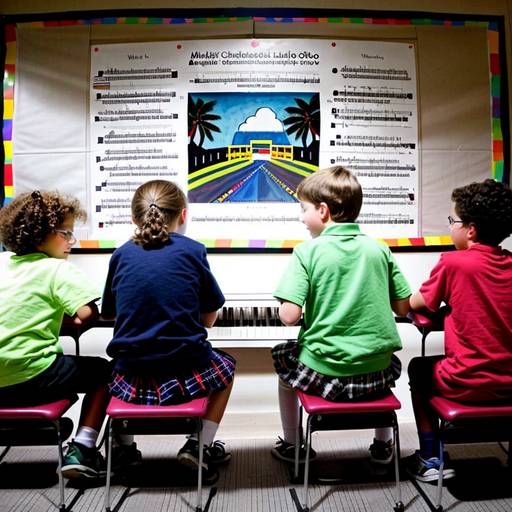
In this 5th-grade music lesson plan, students will explore various musical eras and styles, enhancing their understanding of music history. Over two class periods, they will start with an introduction to different musical eras, such as Baroque, Classical, Romantic, and 20th Century genres like Jazz, Rock, and Hip Hop. The lesson begins with a discussion about the significance of music and includes listening activities where students identify characteristics of each era through audio samples.
In small groups, students will research their assigned musical era, focusing on key composers, instruments, and defining features. They will present their findings to the class, using creative visual aids and audio demonstrations. Following the presentations, students will collaboratively create a visual timeline of music history that highlights important dates, musicians, and significant pieces from each era.
The lesson concludes with a class discussion reflecting on the connections between music and historical events and a brief writing task where students express which musical era resonates with them the most. Optional extended activities may include dressing up and performing music from their assigned era or analyzing modern songs for influences from historical styles. Assessment will be based on participation, presentation quality, and the creativity of the timeline project.
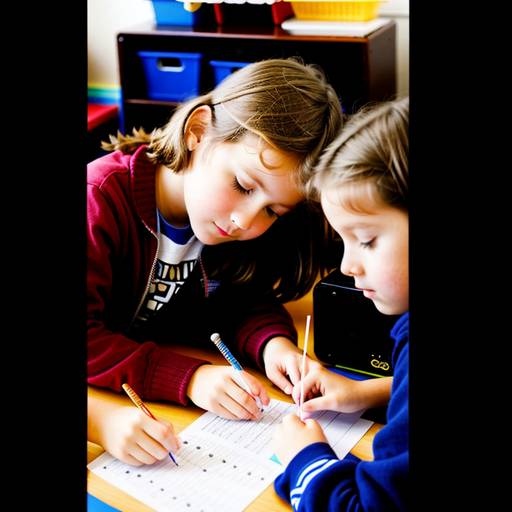
In this 2nd-grade music lesson, students will explore music theory by learning to identify and name musical notes on the treble clef staff. The class will begin with a discussion about the importance of music and an introduction to the treble clef, including the placement of the notes A, B, C, D, E, F, and G on the staff and keyboard. Following direct instruction, students will participate in an engaging treasure hunt activity where they will search for clue cards around the classroom, answer questions related to note identification, and earn stickers or small prizes. The lesson will conclude with a group review, allowing students to share their discoveries and reinforce their understanding of the notes as foundational elements of music. Assessment will include observation during the treasure hunt and a simple quiz on note identification. The following lesson will encourage students to apply their knowledge by composing and performing simple melodies using the notes they've learned.
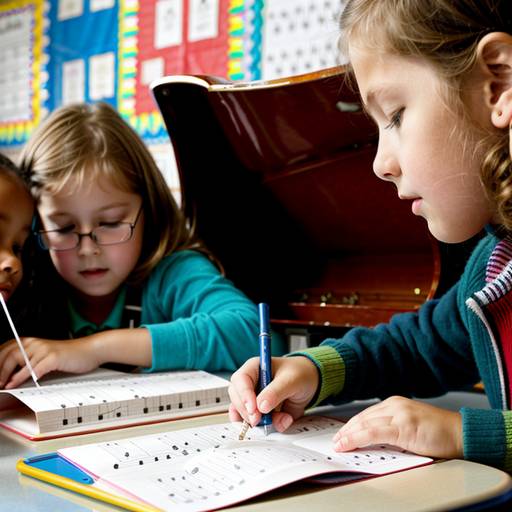
In this 1st Grade music lesson, students will explore basic music theory by identifying and naming various note types and their corresponding positions on the musical staff. The lesson begins with an engaging song that sets the tone and introduces the concept of "treasures" in music. Through direct instruction, students will learn about note names (A, B, C, D, E, F, G) and values (quarter notes, half notes, whole notes, and eighth notes). An interactive activity will follow, where students work in small groups to complete a "treasure map," finding note names throughout the classroom. This hands-on approach reinforces their understanding and encourages collaboration. The lesson concludes with students applying their new knowledge by playing simple rhythms on musical instruments and actively discussing the notes they are using. Rewards such as stickers or colorful markers will be given for participation, promoting both engagement and enthusiasm for learning about music theory. Overall, the lesson aims to build a foundational understanding of note names and their importance in music.
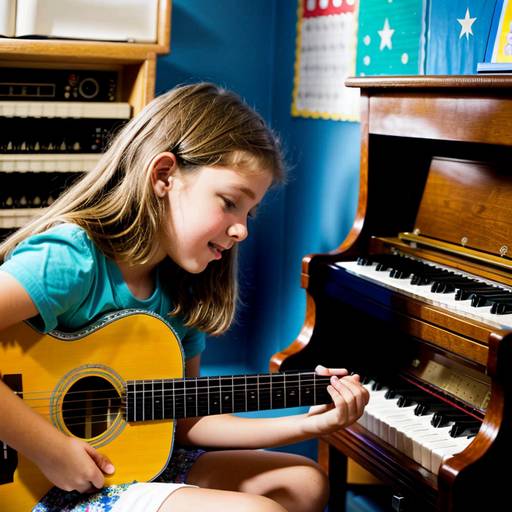
In this 4th-grade music appreciation lesson, students will explore famous songs and their cultural significance throughout history. The lesson begins with a discussion about what makes songs popular, followed by listening to audio clips of selected songs. After each clip, students will share their feelings and thoughts about the music.
Next, students will be divided into small groups, where they will either be assigned or choose a specific song to research. Each group will investigate the song’s background, its artist, and the impact it had on culture or society. They will then prepare a short presentation to share their findings, along with creating a visual representation, such as a poster, that reflects the themes and emotions of their song.
The lesson will conclude with group presentations, allowing students to showcase their work and insights. Overall, the objective is to enhance students' understanding of music's role in history, encourage creativity, and promote teamwork while deepening their appreciation for the art form. Assessment will focus on participation, presentation clarity, and the creativity of their posters. Extensions may include further exploration of artists or songs at home, fostering an enriched learning experience.

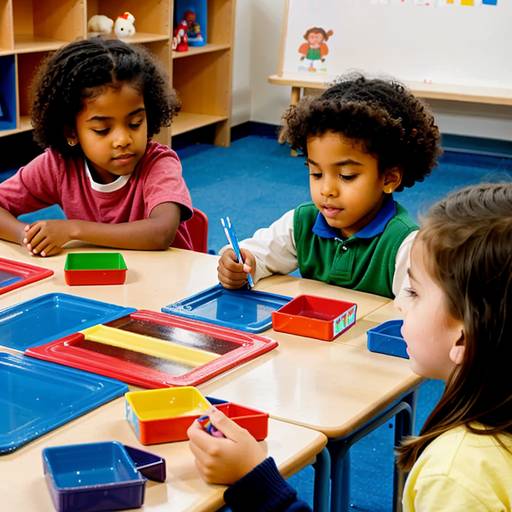
In this Preschool Art lesson, children will engage in a creative crafting activity focused on exploring various textures and shapes. Starting with a circle time discussion, students will learn about textures, such as soft and rough, and the different shapes they can use in their artwork. Following a demonstration on cutting and gluing techniques, children will have the opportunity to create their own collages using colorful construction paper and an assortment of textured materials, such as fabric scraps and magazine cutouts.
As they work on their collages, they will develop fine motor skills and learn to layer materials for visual and tactile contrast. The lesson will conclude with a sharing session where each child presents their artwork, encouraging self-expression and teamwork. Cleanup will be a collaborative effort, reinforcing responsibility and respect for shared spaces. Overall, this activity will promote creativity, dexterity, and an appreciation for diversity through artistic exploration.

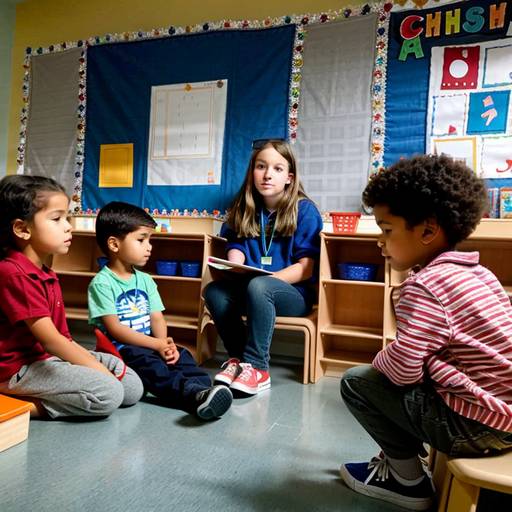
In this preschool social studies lesson, students will explore the concept of community by identifying various roles within it and recognizing the diverse individuals who contribute to its function. The lesson starts with a group discussion to define what a community is, followed by a read-aloud of a picture book that illustrates different community members. Students will then engage in a creative activity where they draw or color pictures of their favorite community helpers on a large poster.
After completing their artwork, they will participate in a group discussion to share their thoughts on the importance of each role. To conclude, students will form a circle to share one thing they learned about community helpers or what they enjoy about their community, promoting active listening and collaboration. The lesson reinforces the idea that everyone has a special role in creating a supportive environment. Optional snacks may be provided during this reflection time. The lesson's assessment involves observing participation and understanding during discussions and activities. Adaptations are included to support diverse learners, and an extension activity seeks to deepen their understanding by exploring community places in future lessons.