
Filters
Level
Grade
Subject
Subject Area
Subject Topic
Standard(s)
Audience
Keyword
DurationMinutes
Lesson Plans

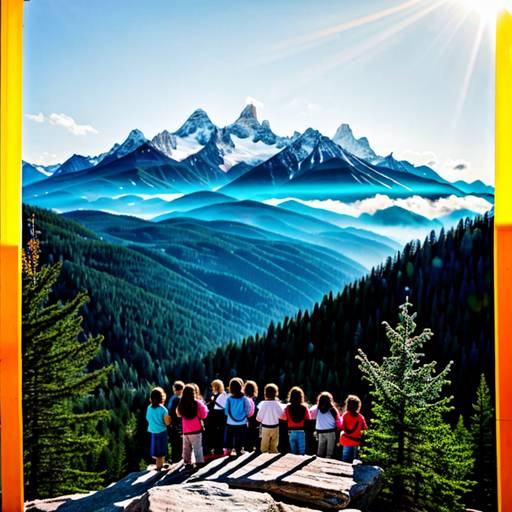
In this 2nd-grade music lesson plan, students will explore the concept of pitch by engaging in a variety of interactive activities designed to help them identify and sing high and low notes. The lesson begins with a discussion about pitch, including audio examples of different sounds, followed by a vocal warm-up that emphasizes movement between high and low notes.
Students will participate in an interactive activity where they use scarves to visually represent changes in pitch while climbing a musical scale together. Working in small groups, students will create and perform short stories that incorporate high and low pitches, allowing them to express their creativity and understanding of the concept. The lesson concludes with a reflective discussion about their learning experiences.
Assessment will be based on students' ability to demonstrate high and low pitches during activities and their performance in the group presentations. The plan encourages engagement and creativity while providing opportunities for students to develop their vocal skills and musical understanding.
This first-grade music lesson focuses on helping students understand the concepts of high and low pitches through interactive singing and movement activities. The lesson begins with an introduction to pitch, using visuals of mountains and valleys to illustrate the idea. Students engage in vocal warm-ups to explore high and low sounds, using hand motions to represent these pitches.
An interactive activity, called the "Pitch Walk," encourages students to physically respond to different pitches by reaching high for high notes and squatting low for low notes. Following this, the class practices a simple song, breaking it down into sections that highlight high and low pitches, while using hand signals for guidance.
To conclude, students gather for a reflective discussion, sharing their feelings about singing high and low, and demonstrating their understanding through vocal examples. Optionally, they can create drawings to represent their learning visually. The lesson aims to provide an engaging and informative experience, allowing students to actively explore and express musical concepts through movement and song. Assessment is based on observation and participation throughout the activities.
This preschool music lesson focuses on teaching young children the concept of rhythm through engaging and interactive activities. Over the course of 45 minutes, students will participate in various activities designed to develop their listening skills, coordination, and creativity.
The lesson begins with a group welcome where children are introduced to rhythm through clapping patterns. Following this, they will engage in a body percussion warm-up, using their bodies to create different rhythms. Children will then explore a variety of percussion instruments, experimenting with sound while playing along to a song.
Next, the lesson shifts to movement activities where students will use scarves or ribbons while following a 'Rhythm Walk' along a taped path, responding to different rhythmic cues. An echo game is included, where children mimic the rhythms played by the instructor using claps and other sounds.
As the lesson winds down, the children will listen to calming music, reflecting on the rhythms they’ve heard. To conclude, a review of what they’ve learned allows for creativity as children suggest their own rhythmic patterns to share. The lesson offers opportunities for assessment through observation, ensuring all children can participate and enjoy exploring rhythm in various forms. Extensions such as creating a “Rhythm Book” or planning a performance day can further enhance the learning experience.
In this 3rd-grade music lesson, students will explore fundamental concepts of music theory, specifically focusing on identifying and naming musical notes on the staff. The lesson begins with a warm-up activity where students collectively sing a familiar song, reinforcing their engagement.
Throughout the session, students will create their own staff and label the notes, participate in a flashcard relay race to match note names with their positions on the staff, and play a game of bingo using note names. These activities promote teamwork and active learning.
The lesson concludes with a review of key concepts, encouraging students to share what they learned and connecting their knowledge to real music. As a follow-up, students will be invited to practice writing notes at home or identifying them in music they enjoy, solidifying their understanding in a fun and interactive way. Assessment will focus on student participation and their ability to recognize note names during activities. Adaptations can be made for future lessons based on student feedback and engagement.
In this kindergarten music lesson, students will explore the concept of rhythm through engaging activities that emphasize body percussion and instrument play. The lesson begins with an introduction to rhythm, explaining the importance of beat and pulse in music. Students will participate in a body percussion warm-up that encourages them to create and combine various sounds using their bodies. Following this, they will explore hand-held instruments like drums, shakers, and claves, learning to imitate simple rhythmic patterns while being introduced to basic rhythmic terms such as quarter and eighth notes.
Students will then work in small groups to create their own short rhythm patterns, which they will perform for the class. This collaborative activity fosters creativity and teamwork as they experience making music together. The lesson concludes with a group performance, allowing all students to play their instruments in unison, reinforcing the feeling of musical unity. Throughout the lesson, the teacher will assess participation and understanding, providing feedback to encourage growth. Extensions may include exploring rhythms from various cultures or creating a classroom display to showcase favorite rhythms learned.
In this engaging 45-minute lesson for 2nd graders, students will explore fundamental concepts of music theory, focusing on rhythm. The class will start with a discussion about rhythm in music, followed by clapping exercises to aid in their understanding. Basic rhythmic notations such as quarter notes, eighth notes, and rests will be introduced, with students practicing and echoing patterns together.
After gaining familiarity with these rhythms, students will work in pairs to clap and vocalize rhythm patterns from provided worksheets. Next, they will create their own unique 4-beat rhythm patterns that incorporate the learned notations. Students will then perform their rhythms in small groups using body percussion or classroom instruments, fostering creativity and collaboration in a fun environment.
The lesson will conclude with a reflective discussion about their experiences and feelings during the performances. Assessment will be based on participation, worksheet comprehension, and group performance. Differentiation strategies will provide support for varying skill levels, ensuring an inclusive learning experience for all students.
The lesson focuses on introducing 1st-grade students to basic concepts of rhythm, emphasizing the importance of steady beats in music. It begins with a discussion about music's emotional impact, followed by hands-on activities where students explore percussion instruments and body percussion to maintain a steady beat. In small groups, they create simple rhythmic patterns, which they later share with classmates in a fun "performance" setting. To reinforce their learning, students also draw their favorite rhythms using musical symbols, allowing for a visual representation of their understanding. Throughout the lesson, students engage collaboratively, fostering creativity and a strong foundational knowledge of rhythm and music theory. Assessment is based on their participation in activities and their drawings, ensuring that they grasp the concepts introduced.
In this 3rd-grade music appreciation lesson, students will engage in an exploration of various musical eras, including Baroque, Classical, Romantic, and Contemporary, through listening activities. The lesson begins with a discussion about students' favorite types of music, leading into an introduction to the four musical eras.
Students will be divided into small groups and provided with listening guides to help them analyze representative pieces from each era. They will listen to a selection of music, identifying key features, instruments, and expressing their feelings about each piece. After the listening activity, the class will regroup to share their findings and create a collaborative chart that highlights the characteristics of each musical era.
The lesson concludes with reflective discussions, encouraging students to connect music with historical context and personal emotion. As an extension, students may create a visual poster for one selected era and share their favorite songs from any genre. The overall goal is to foster an appreciation for music as a historical and emotional medium while encouraging students to explore various musical styles.
In this 3rd-grade music lesson plan, students will embark on an engaging exploration of music history, focusing on four key periods: Baroque, Classical, Romantic, and Contemporary. The lesson begins with a discussion about students' favorite songs and musicians, introducing the concept of music history as a timeline with distinct chapters.
Students will listen to sound samples representative of each period while learning about their characteristics and influential composers. Following this, students will engage in a group activity where they create and perform simple rhythms using percussion instruments that reflect their assigned music period. The lesson concludes with a class discussion and a reflective homework assignment encouraging further research on a selected composer.
Assessment will be based on participation during discussions and group activities, as well as the completion of a worksheet on music periods and composers. An extension activity may involve students composing their own music pieces inspired by one of the styles studied.
This 60-minute lesson introduces 3rd grade students to the history of music by exploring the contributions of key composers from different musical periods. The lesson begins with a discussion about the significance of music throughout history, setting the stage for students to become "time travelers" into the world of classical music.
Students will learn about notable composers such as Bach, Mozart, Beethoven, and Tchaikovsky through brief biographies and selected audio clips that illustrate the unique characteristics of music from the Baroque, Classical, and Romantic periods. After listening to and analyzing each composer’s work, students will participate in a hands-on activity where they create a visual timeline. This timeline will feature images and fun facts about each composer, encouraging creativity and personal expression.
The lesson concludes with students sharing their timelines with peers and engaging in a recap discussion to highlight what they learned. Assessment will be based on participation and the completion of the timelines, with potential extensions that include homework assignments and a themed "Composer Day." This approach fosters musical appreciation and historical awareness while making the learning experience enjoyable and interactive.