
Filters
Level
Grade
Subject
Subject Area
Subject Topic
Standard(s)
Audience
Keyword
DurationMinutes
Lesson Plans

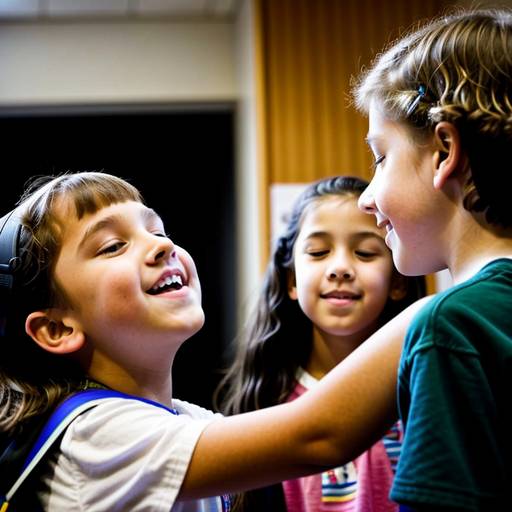
In this 45-minute music appreciation lesson for 2nd graders, students will explore and discuss famous songs, enhancing their understanding of music's significance in culture and history. The lesson begins with an introduction to music and the concept of famous songs, followed by listening activities where students hear short clips of several well-known tracks. After each clip, they will engage in a discussion to share their thoughts and feelings about the music.
Next, students will create artwork that represents their emotional response to their favorite song discussed in class, allowing for personal expression and creativity. The lesson concludes with a sharing session where students present their artwork and explain its connection to the music. Assessment will be based on participation in discussions, effort in the art project, and the ability to articulate their feelings about the music. Extension activities may include a "Song of the Week" program and a mini-concert for students to showcase their favorite songs. This lesson encourages a deep appreciation for music and its ability to connect people through emotions and stories.
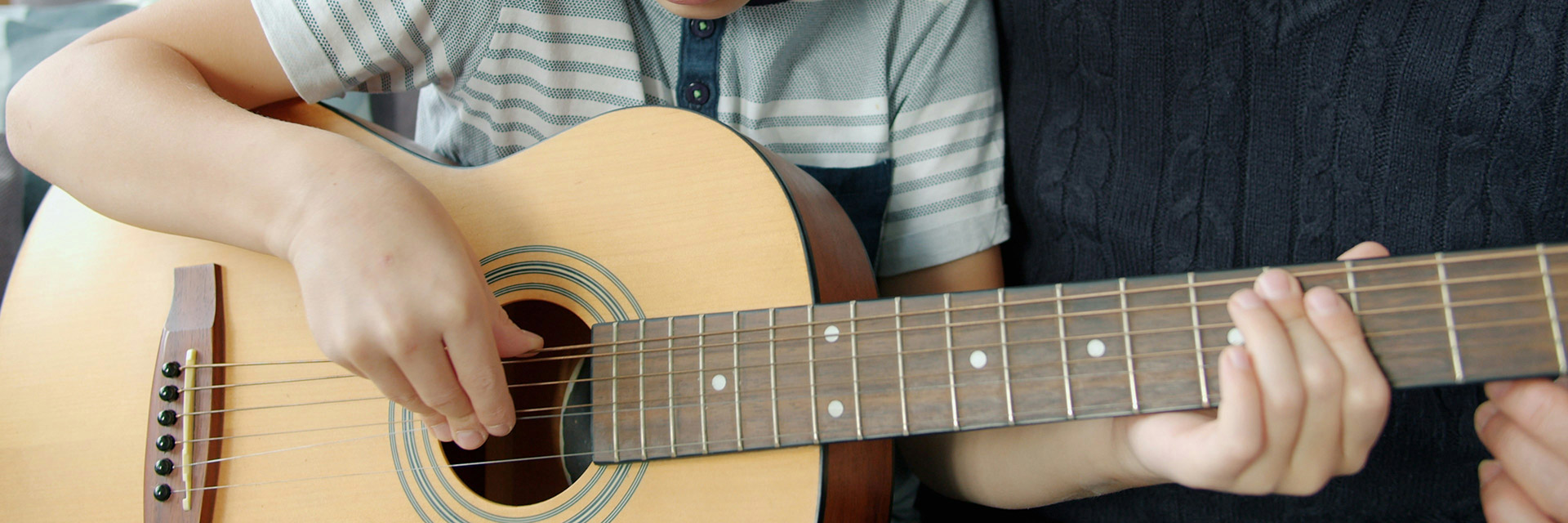
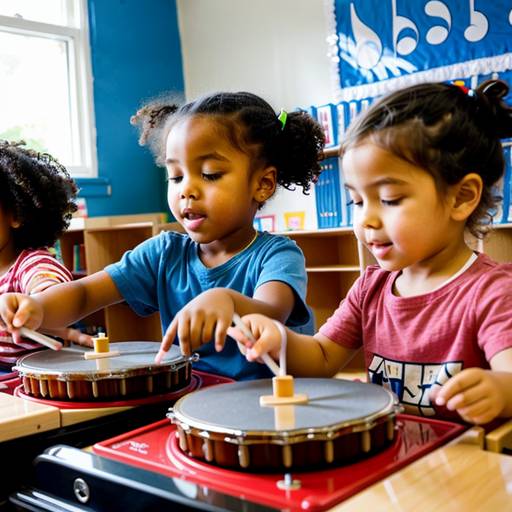
This preschool music lesson is designed to engage young children in exploring rhythms and melodies through singing, movement, and instrument play. The session begins with a warm-up activity featuring a familiar song, encouraging children to participate through lyric repetition and physical actions.
Following the warm-up, children delve into the thematic exploration of songs, starting with "Twinkle, Twinkle Little Star," which incorporates visual aids and movement activities using scarves to simulate twinkling stars. Next, participants enjoy playing instruments in coordination with "The Wheels on the Bus," where specific sounds are assigned to different instruments, promoting both creativity and rhythm recognition.
The lesson concludes with a brief cool-down period, allowing children to reflect on their favorite activities while listening to calming music. Lastly, the class wraps up with a goodbye song, reinforcing the enjoyment and learning experienced throughout the session. The lesson encourages active participation, enhances listening skills, and promotes a love for music in a playful and supportive environment.
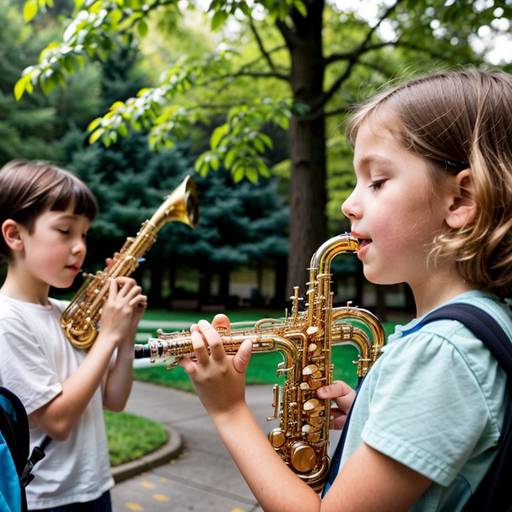
In this Kindergarten music lesson, students will explore the world of woodwind instruments through a combination of listening, hands-on activities, movement, and creative expression. The lesson begins with an introduction to various woodwind instruments, engaging students in a discussion about their sounds and features. Following this, students will listen to audio clips of different woodwinds and identify changes in sound. A demonstration showcases how to produce sound using simple flutes or recorders, allowing a volunteer to try the instrument.
To incorporate movement, students will use scarves or ribbons to dance and express themselves while listening to woodwind music. They will then transition to a creative art activity, drawing their favorite woodwind instrument and sharing their artwork with the class. The lesson concludes with a closing circle, where students reflect on their experiences and share their favorite parts of the lesson. Assessment will focus on student engagement, recognition of instruments, and creativity displayed in the art activity. Modifications will be made to ensure all students can participate fully.
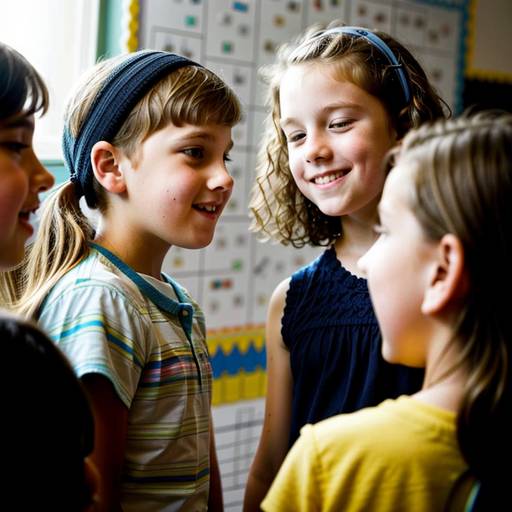
In this music appreciation lesson for 3rd graders, students will explore iconic songs from various genres and eras to understand their significance and cultural impact. The lesson begins with a discussion about favorite songs and the emotions they evoke. Students will listen to excerpts from notable songs, engaging in group discussions about their meanings and personal connections.
Following the listening activities, students will work in small groups to analyze one assigned song, creating a poster that includes the song title, artist, and descriptors of how the song makes them feel, along with illustrations. Each group will present their poster to the class, sharing their insights and reflections on the music.
The lesson concludes with a discussion about the power of music in connecting people and expressing emotions, encouraging students to think about songs they would like to share. Assessment will be based on participation, creativity, and presentation skills, with opportunities for extension activities that further explore diverse musical traditions.
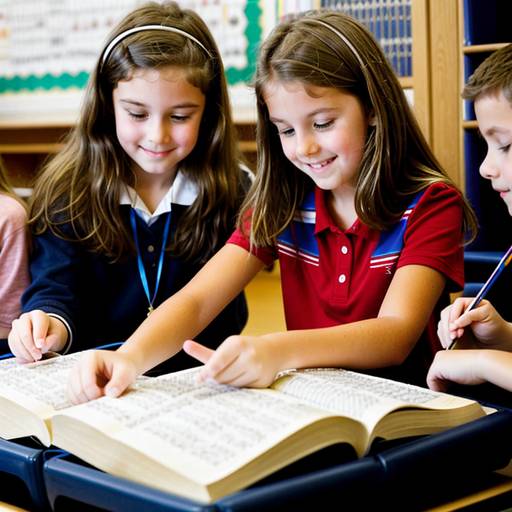
In this 4th-grade music appreciation lesson, students will embark on a journey to explore various music genres, enhancing their understanding and appreciation of diverse musical styles from around the world. The session begins with a listening activity where students hear short clips from different genres and share their thoughts and emotions.
The teacher introduces several genres, including Classical, Jazz, Rock, Hip-Hop, Folk, and World Music, using audio examples to illustrate unique characteristics and cultural significance. Students will then work in small groups, engaging in a listening station activity where they analyze specific genres, identify instruments, and describe feelings evoked by the music.
Following group presentations, where students share their findings with their peers, they will create visual representations of their favorite genre, encouraging creativity and personal expression. The lesson concludes with a discussion on the importance of musical diversity and a homework assignment that encourages students to listen to and reflect on a new genre at home. Through this interactive approach, students will develop a deeper appreciation and understanding of the rich tapestry of music that spans the globe.
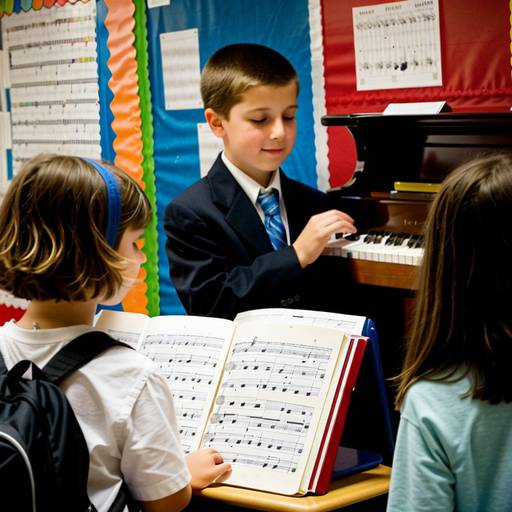
In this 5th-grade music history lesson, students will explore key composers from different musical eras, including Baroque, Classical, Romantic, and 20th Century. The lesson begins with a discussion about the significance of music and composers, followed by group activities where students research specific composers through biographical handouts and audio samples. Each group presents their findings, highlighting the composers' lives, works, and the historical contexts of their music. A class discussion then reinforces the similarities and differences among the composers. Students will then engage in a creative activity by composing a short musical piece inspired by the style of their assigned composer, which they will share with the class. For closure, students will be tasked with creating a poster about their composer to present in the next class. Assessment will be based on participation, creativity in composition, and the completed poster. This lesson aims to foster collaboration, creativity, and a deeper understanding of music history.
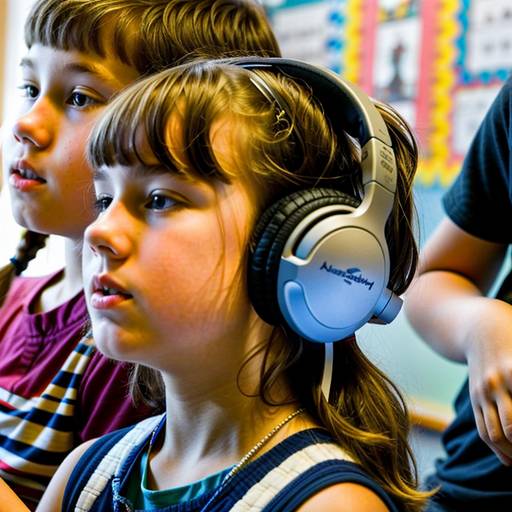
In this 5th-grade music appreciation lesson, students engage in an exploration of various music genres, including classical, jazz, rock, folk, and world music. The session begins with an open discussion about music's significance and personal favorites. Students then listen to short audio clips representing each genre, identifying instruments and expressing their thoughts and feelings about the music. After the listening session, students work in small groups to share their favorite genre and discuss its impact on them. The lesson encourages creativity as students experiment with simple percussion instruments to create rhythms inspired by the music they've heard. By the end, students reflect on their learning and consider the cultural significance of the different music styles. Assessments are based on participation in discussions and the completion of worksheets that capture their reflections. Extensions may include homework assignments focused on personal music exploration and opportunities to meet local musicians for live performances.
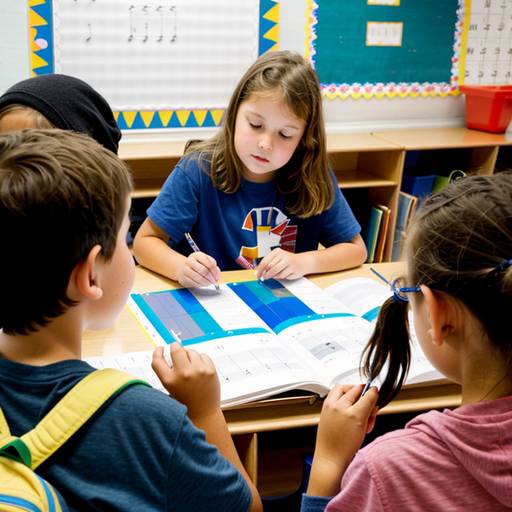
In this 45-minute music lesson for 3rd graders, students will explore basic rhythm patterns using whole notes, half notes, quarter notes, and eighth notes. The lesson begins with a clapping warm-up to introduce rhythm and its significance in music. Students will learn to identify different types of notes and their corresponding beat values, reinforced through rhythmic clapping exercises alongside a metronome.
After a direct instruction segment, students will be divided into small groups to create their own 4-beat rhythm sequences using at least three types of notes. Each group will then perform their rhythm for the class, using body percussion or percussion instruments. The lesson concludes with a discussion to reflect on their creations and what they learned about rhythm and collaboration. Observations during performances serve as informal assessments, providing feedback and encouraging creativity. Extensions for advanced learners and key vocabulary terms are also included to enhance understanding and engagement.
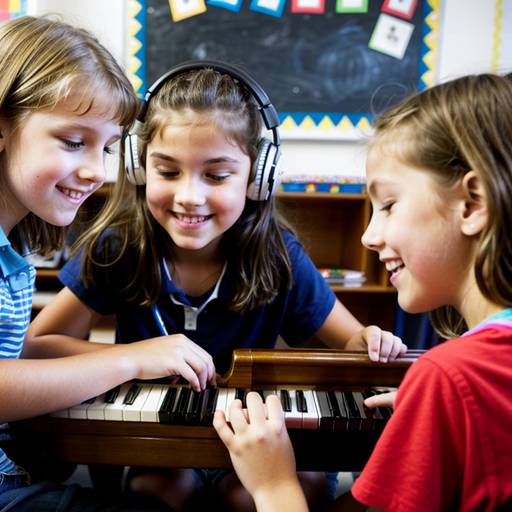
This 3rd-grade music appreciation lesson focuses on introducing students to various music genres, including classical, jazz, rock, and folk. The lesson begins with a discussion about music and personal preferences, followed by the exploration of each genre through short audio clips. Students engage in discussions about the emotions and images evoked by the music, as well as the instruments that define each genre. They participate in a preference activity to express their favorite genre and create a creative collage representing their chosen style. The lesson concludes with a sharing session, emphasizing the importance of appreciating the diversity of music. Assessment is based on participation, creativity in the collage project, and the ability to articulate thoughts during presentations. An extension activity encourages students to explore unfamiliar genres at home and prepare brief presentations for the next class.
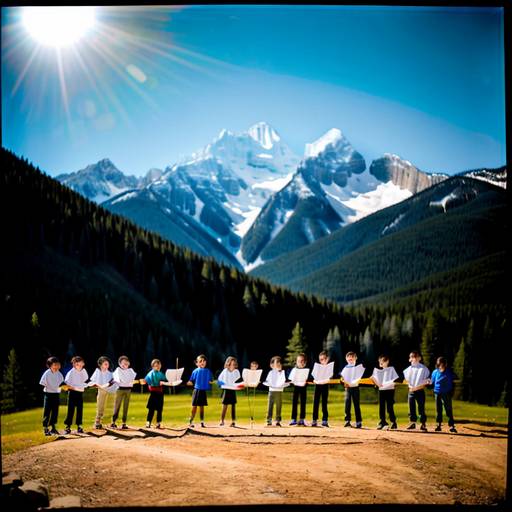
In this engaging music lesson for 3rd graders, students will explore the concepts of high and low pitch through a variety of fun activities. The lesson begins with vocal warm-ups that encourage pitch matching, followed by an introduction to the idea of pitch, where students learn to identify high and low sounds.
Participants will then sing a familiar song, focusing on sections that highlight pitch variations, while also engaging in group performances that incorporate movement to represent changes in pitch. An interactive game will reinforce their understanding as they respond physically to cues for singing high or low.
The lesson concludes with a reflection, allowing students to express their thoughts and feelings about what they learned. Assessment will be based on their participation and ability to demonstrate an understanding of pitch concepts throughout the activities. Extension opportunities encourage creativity, inviting students to create their own songs to share in future classes. Overall, the lesson promotes collaboration, creativity, and a deeper understanding of musical pitch.