
Filters
Level
Grade
Subject
Subject Area
Subject Topic
Standard(s)
Audience
Keyword
DurationMinutes
Lesson Plans

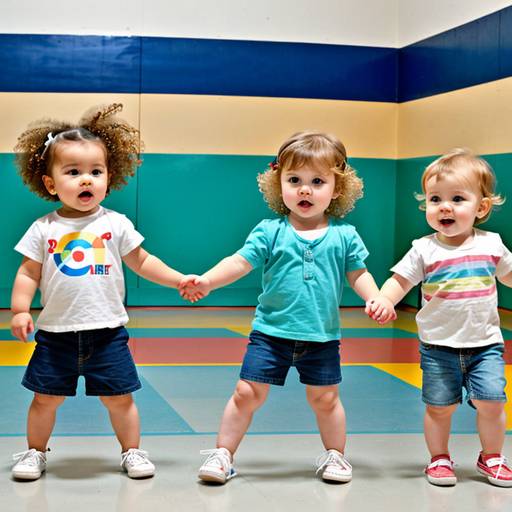
This lesson plan focuses on introducing toddlers to music and movement through exploration and engagement. It begins with an introduction of various musical instruments, allowing children to experiment with sound and share their experiences in small groups. Following this, children participate in guided movement activities, responding to different musical genres by expressing themselves through dance. Scarves are introduced for a creative dance segment, encouraging rhythmic movements that correspond to the music. The lesson concludes with a group discussion where children reflect on their favorite parts, fostering a sense of community and appreciation for music. Optional extension activities include making homemade instruments and creating a "musical story" for further engagement. Throughout the lesson, assessment is based on children's participation and their ability to express themselves musically and physically.
This lesson plan focuses on introducing toddlers to various musical instruments through an interactive and engaging format. The session begins with a warm welcome and an introduction to instruments using visual aids, allowing children to explore different sounds. It transitions into a movement activity where toddlers dance with scarves to diverse music, reinforcing rhythm and coordination. Following this, children come together to form a band, playing along to a simple song and practicing call-and-response techniques. The lesson concludes with a calming period where children can reflect on their experiences, sharing their favorite instruments and sounds. Throughout the session, emphasis is placed on sensory exploration, movement, and musical expression, fostering a joyful learning environment.

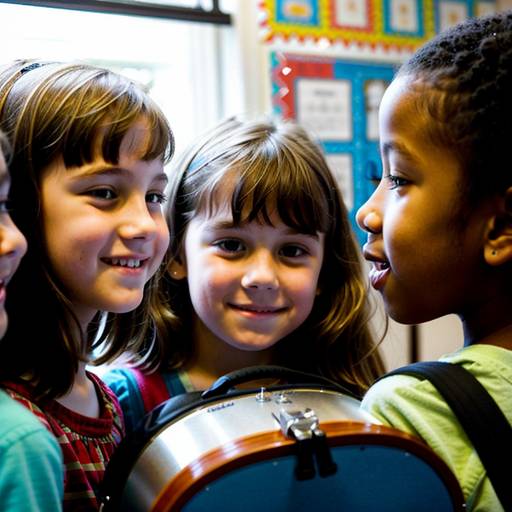
In this 1st Grade music appreciation lesson, students will engage in an exploration of various musical genres through listening activities. The lesson begins with a discussion on music and its emotional effects, leading into a series of audio clips where students identify instruments and express their feelings about the music they hear. Following the listening activity, students will create drawings inspired by their favorite piece of music, using colors and shapes to reflect their emotions and thoughts. The lesson culminates in a sharing session where students present their artwork and describe their experiences. This engaging lesson aims to enhance listening skills, foster creativity, and deepen students' appreciation for music.
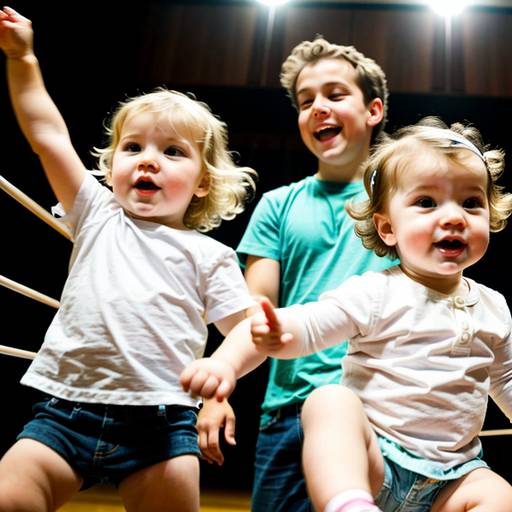
This lesson plan focuses on fostering sensory exploration and movement in toddlers through music and interactive activities. It begins with a welcoming circle where children are introduced to various musical instruments to explore sound creation. Following this, a sound hunt engages them in locating hidden sensory items, encouraging discussion about their textures and sounds.
The class continues with lively dancing using scarves, promoting physical activity and rhythm recognition. A bubble activity adds to the excitement, allowing children to chase and pop bubbles while the music plays.
As the lesson nears its end, a calming reflection period invites children to share their favorite moments and sensations experienced throughout the activities. The session concludes with a collaborative farewell song, reinforcing the social and musical skills developed during the lesson. This engaging plan aims to enhance gross motor skills, auditory discrimination, and social interaction among the toddlers.
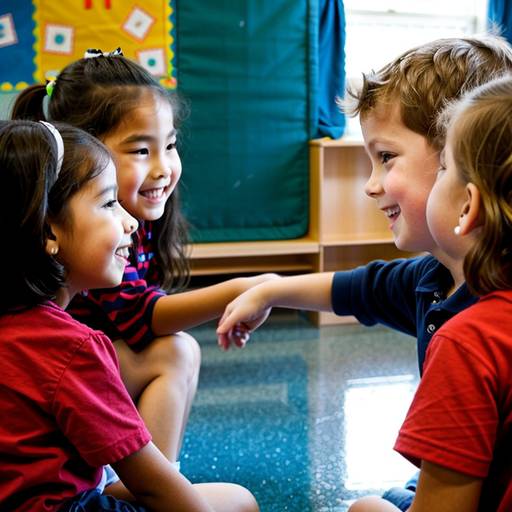
This Kindergarten music lesson plan focuses on fostering an appreciation for music through active listening and creative expression. The objectives include developing students' listening skills, introducing various musical genres and instruments, and encouraging movement in response to music. The lesson begins with a discussion about music, followed by listening activities where students share their feelings and thoughts on different music clips.
Students engage with simple percussion instruments, participating in rhythm echoing and exploration. To enhance their physical connection to music, they partake in a movement activity, expressing their feelings through dance with props like scarves. The lesson concludes with a reflective sharing session, allowing students to discuss their favorite musical experiences. Assessment focuses on participation and expression, while extension activities can deepen their understanding by exploring global music instruments and creating original rhythms. Adaptations ensure inclusivity for all learners, making the lesson accessible and enjoyable.
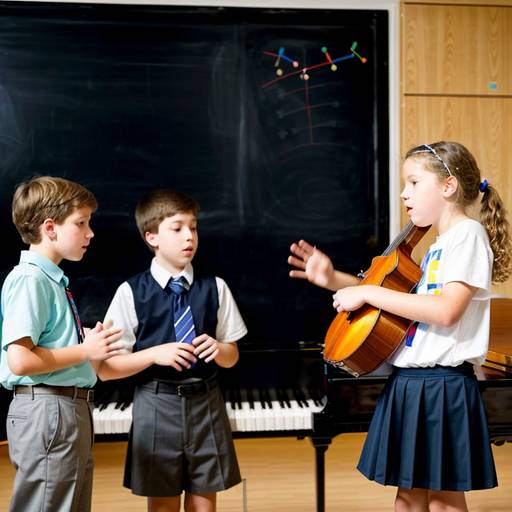
In this 5th-grade music lesson, students will explore the concept of dynamics in music theory by learning the definitions and uses of various dynamic markings such as pianissimo, piano, mezzo piano, mezzo forte, forte, and fortissimo. The lesson begins with a clapping exercise to illustrate different dynamic levels, followed by listening to musical excerpts that exemplify dynamic contrasts.
Students will participate in small group performances, where they will create rhythms or adapt familiar songs to include at least three dynamics. They will then compose a short 4-bar melody on staff paper, incorporating these dynamics. The class will conclude with a recap discussion on the emotional impact of dynamics in music, while students share their compositions. Assessment will be based on participation, understanding of dynamic terms, and the quality of their compositions. Extensions include a homework assignment that encourages students to analyze dynamics in their favorite songs and a project to create a "Dynamic Wall" for displaying their work.
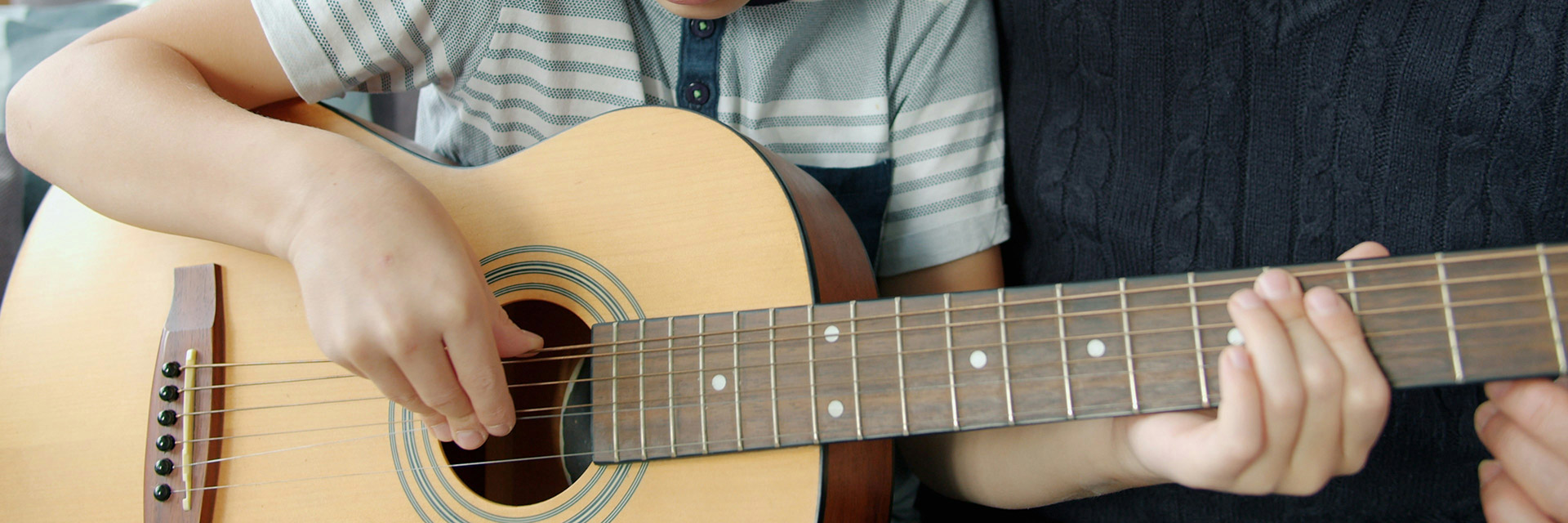
In this 45-minute preschool lesson, students will engage in a hands-on exploration of various musical instruments, learning to identify and categorize them into families such as strings, percussion, woodwinds, and brass. The lesson begins with a warm-up song to encourage participation, followed by an interactive exploration where children can freely play different instruments in small groups. After the exploration, the class comes together to discuss and categorize instruments using picture flashcards.
The highlight of the lesson is a lively "Instrument Parade," where children march around, playing their instruments to the beat of festive music while incorporating colorful scarves to enhance their movement. The lesson concludes with a circle time reflection, allowing children to share their favorite instruments and the sounds they enjoyed most. Throughout the session, teachers will observe student engagement and understanding, with opportunities for extensions that encourage ongoing interest and interaction with music at home and in the classroom.
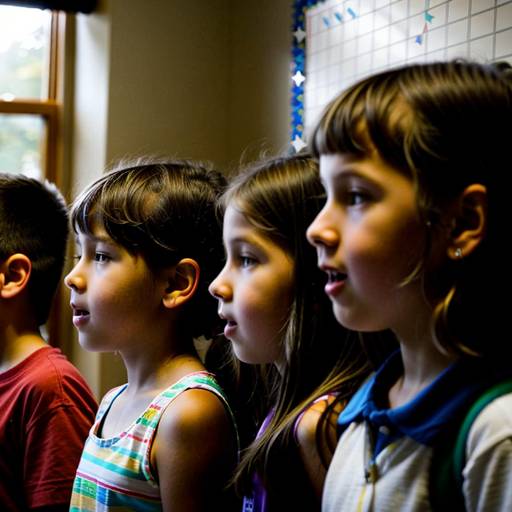
This 2nd-grade music education lesson focuses on developing students' listening skills and appreciation for various musical genres. The session begins with an introduction to different music styles, accompanied by visual aids. Students listen to short audio clips representing genres such as classical, jazz, folk, rock, and world music. After each clip, they discuss their feelings and impressions, enhancing their engagement and reflection.
Moving on to a physical activity, students express themselves through movement to an upbeat piece of music, allowing them to connect emotionally with the rhythm and tempo. The lesson culminates in a creative exercise where students draw what they envision while listening to one of the musical pieces, reinforcing their understanding of how music can inspire visuals and emotions.
The lesson concludes with a sharing session where students present their drawings and connect them to the music, promoting a sense of community and personal expression. Assessment is based on participation in discussions and activities, as well as the thoughtfulness of their creative outputs. The lesson encourages further exploration of music through a class playlist or individual song shares for future sessions.
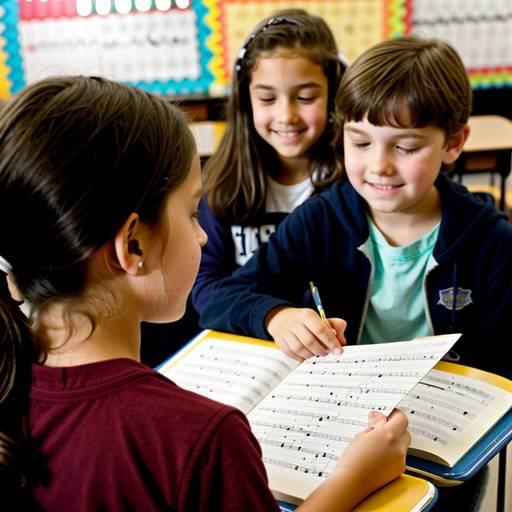
In this 4th-grade music lesson plan, students will focus on identifying and naming notes on the musical staff, specifically within the treble clef. The lesson begins with a warm-up singing activity to engage the class, followed by direct instruction where the teacher explains the staff lines and spaces. Students will learn the note names using memorization techniques and visual aids, such as flashcards.
After the instruction, the class will participate in a guided practice session, where they will label notes on printed staff paper with the correct names, working together as a group. The highlight of the lesson is a fun relay activity, where students compete in teams to match note name flashcards with their corresponding positions on the staff.
The session concludes with a brief review of key concepts, allowing students to share their newfound knowledge. Assessment is built into the lesson through observation of participation and accuracy in activities, along with a follow-up quiz in the next lesson to reinforce learning. Overall, the lesson promotes collaboration and interaction while laying a solid foundation in music theory.
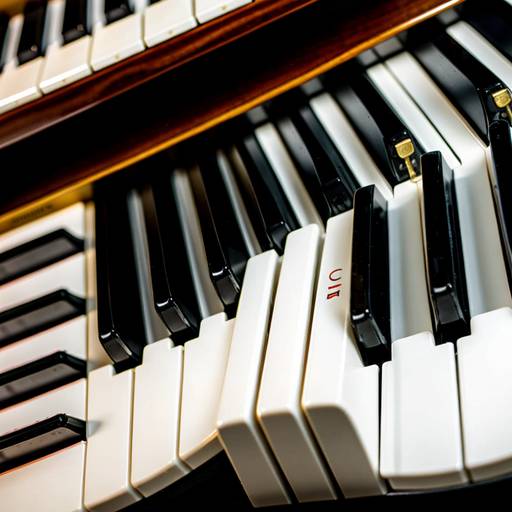
In this 45-minute music lesson for 2nd graders, students will explore various keyboard instruments and learn to identify their characteristics and sounds through visual aids and audio samples. The lesson begins with an introduction to different keyboard instruments, followed by a demonstration of basic playing techniques, including hand positioning and dynamics.
Students will have the opportunity to practice playing simple notes (C, D, E, F, G) on a keyboard, fostering their understanding of sound creation. In small groups, they will collaborate to create simple melodies using the notes they've learned, encouraging creativity and teamwork. The lesson concludes with group performances, where students share their creations with the class, enhancing their confidence and public speaking skills.
Assessment will involve observing engagement during activities and understanding through their ability to name instruments and replicate melodies. Extension activities will offer opportunities to explore more complex music concepts, while differentiation strategies ensure that all students, regardless of skill level, can participate meaningfully. Overall, the lesson aims to cultivate a love for music and a foundational understanding of keyboard instruments.