
Filters
Level
Grade
Subject
Subject Area
Subject Topic
Standard(s)
Audience
Keyword
DurationMinutes
Lesson Plans

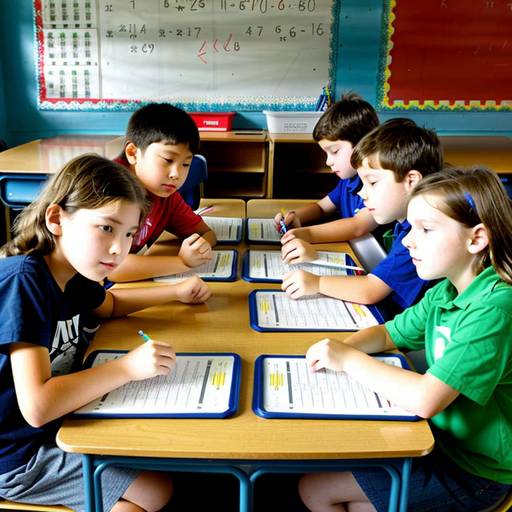
In this 4th-grade math lesson, students will learn about multiplication and times tables through a series of engaging activities aimed at enhancing their understanding and memorization of multiplication facts. The lesson begins with a warm-up that reviews addition, transitioning into an explanation of multiplication as repeated addition. Students will interactively explore the times tables, identifying patterns while practicing multiplication facts.
Following direct instruction, students will participate in timed drills using flashcards and collaborate with peers to check their work. They will then complete a worksheet featuring both multiplication problems and a word problem that requires multiplication for a real-world application.
To reinforce the concepts learned, students will play a fun game of Bingo, where they will match multiplication problems to answers on their cards. The lesson concludes with a review and encourages students to practice at home, with an assignment focused on mastering a specific times table. Overall, this lesson aims to create an engaging and interactive environment, fostering a solid foundation in multiplication for future mathematical concepts.
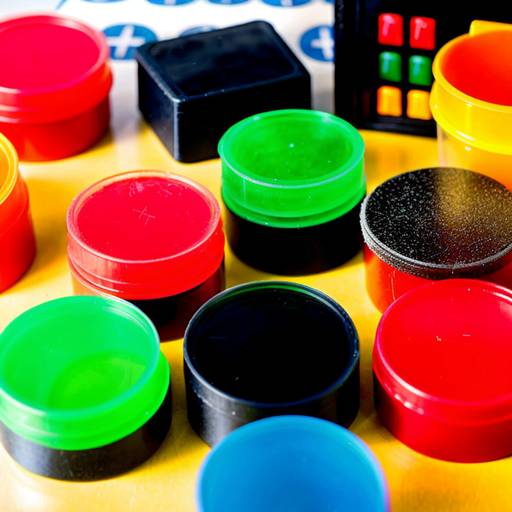
This Kindergarten math lesson focuses on introducing the concept of multiplication as repeated addition through hands-on activities and visual aids. The class begins with a warm-up counting song to activate prior knowledge. The teacher demonstrates multiplication using manipulatives, explaining the concept as "groups of" using simple examples. Students then participate in small group activities where they create their own multiplication problems with blocks or counters. Following group work, they complete worksheets that reinforce their understanding of matching groups to multiplication equations. The lesson concludes with a class discussion and exit tickets, allowing students to share real-world examples of multiplication they encounter. The assessment is based on informal observations and review of students' work, ensuring that each child grasps the foundational concept of multiplication. The lesson is designed to be interactive and engaging, catering to diverse learning styles through visuals, hands-on practice, and collaborative learning.
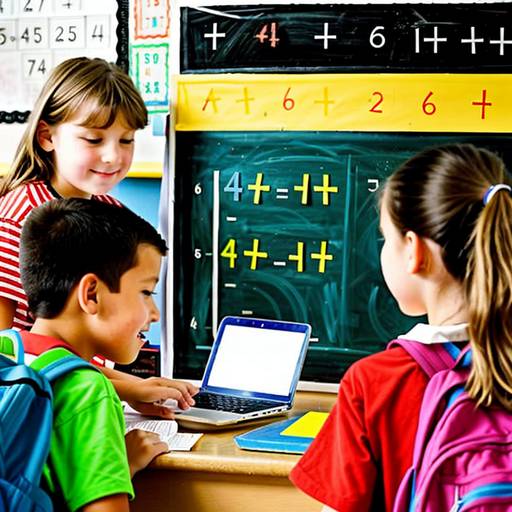
In this 3rd-grade mathematics lesson, students will explore the concept of multiplication as repeated addition and work on mastering the 2s, 5s, and 10s times tables. The lesson begins with a warm-up activity that reviews addition and introduces multiplication, demonstrating how to express repeated addition as multiplication.
Students will engage in interactive activities, including a flashcard quiz where they will test each other on multiplication facts, followed by a relay race that reinforces their skills through problem-solving at different stations. The class will then come together for a Times Table Challenge, where they will respond to multiplication questions, promoting memorization and understanding.
Throughout the lesson, teachers will assess student participation and comprehension, encouraging a positive learning environment. To conclude, students will reflect on effective strategies for remembering multiplication facts and receive stickers as rewards for their efforts. Overall, the lesson aims to build a strong foundation in multiplication through collaboration, movement, and fun activities.
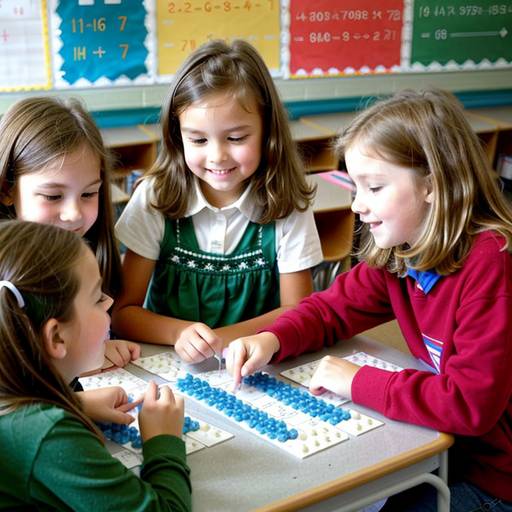
In this 2nd-grade math lesson, students will explore the concept of multiplication as repeated addition while also identifying and creating patterns. The lesson begins with a discussion on what multiplication means, using real-life examples to connect with students. Visual representations of groups will illustrate the idea of repeated addition.
Next, the teacher will introduce the multiplication symbol and demonstrate simple multiplication patterns, such as the 2s or 5s, using skip counting. Students will then participate in small group activities using pattern blocks or counters to create their own multiplication patterns, sharing their work with the class.
For independent practice, students will complete worksheets featuring various multiplication problems and a section for creating multiplication patterns. The teacher will monitor progress and provide support as needed. The lesson wraps up with a recap of key concepts, allowing a few students to share their insights and rewarding participation with stickers.
Assessment will involve observing student engagement and reviewing completed worksheets to gauge understanding. Differentiation strategies will be implemented to support both advanced learners and those who may struggle with the material. As a homework assignment, students will be encouraged to create a multiplication pattern at home using everyday objects to further reinforce their learning.
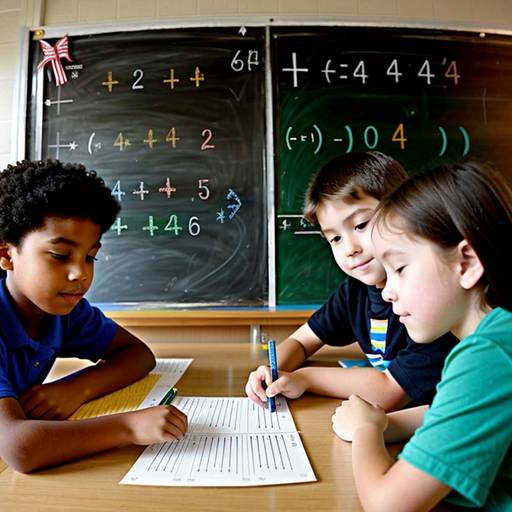
In this 3rd-grade math lesson plan, students will explore the concept of multiplication by understanding it as repeated addition through engaging activities. The lesson begins with a real-life scenario involving grouping objects to illustrate the basic idea of multiplication, followed by a clear explanation of key properties: Commutative, Associative, and Distributive.
Students engage in a group activity where they use manipulatives to create arrays that represent assigned multiplication problems, fostering collaborative learning and understanding of the properties. After this guided practice, students complete a worksheet independently, allowing them to apply what they've learned and draw arrays or groups to represent multiplication sentences.
The lesson concludes with a recap of the concepts discussed, encouraging students to share their insights. Assessment is conducted through observation during group activities and by reviewing worksheets for comprehension. Follow-up activities include a homework assignment where students create their own story problems using multiplication, reinforcing the lesson's objectives. Overall, this interactive approach aims to make multiplication enjoyable and accessible for young learners.

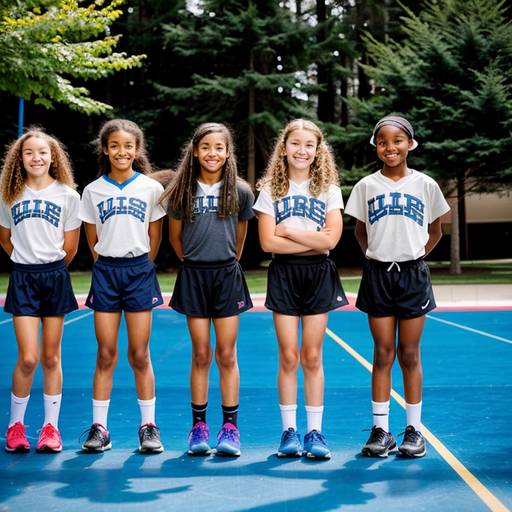
This 5th-grade physical education lesson focuses on fitness and strength through engaging activities that promote muscle development and teamwork. Students begin with a dynamic warm-up, including a body movement dance and stretches to prepare for physical activity. They then rotate through five interactive fitness stations—Resistance Band Rows, Dumbbell Deadlifts, Core Ball Pass, Body Weight Squats, and Plank Challenge—spending time at each station to practice various strength exercises. The class concludes with a cool-down period featuring static stretches and a reflective discussion about their experiences and learning outcomes. The lesson aims to enhance students' understanding of muscle groups and the importance of physical fitness while promoting participation and enjoyment in strength training activities. Adaptations are provided for different fitness levels, ensuring an inclusive environment for all students.

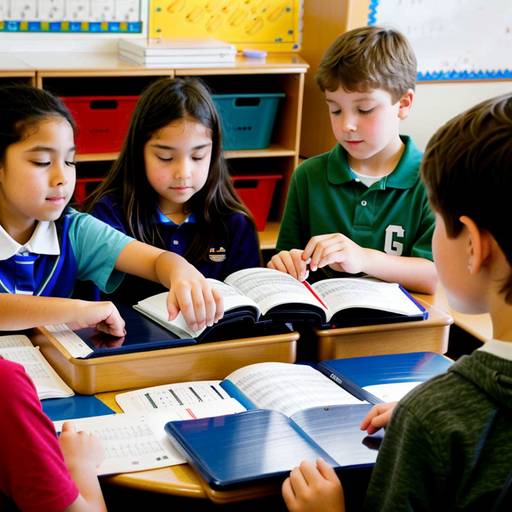
In this 4th-grade music lesson, students will explore the concept of dynamics—how music can vary in loudness and softness. The lesson begins with a discussion on their experiences with dynamic sounds in music, followed by an introduction to key terms like "piano," "forte," "crescendo," and "decrescendo." Students will engage in a listening activity, analyzing music clips that exemplify these dynamics and expressing their feelings about the changes in sound.
Next, the class will participate in a vocal exercise, actively demonstrating contrasts in volume through their voices and movements. In small groups, students will explore classroom instruments to create their own short musical pieces that incorporate at least two dynamic changes. Each group will present their composition to the class, reflecting on how they used dynamics to enhance their music.
The lesson concludes with a brief discussion and encourages students to observe dynamics in their favorite songs at home for further exploration. Performance and collaboration will be assessed throughout the session, fostering creativity and a deeper understanding of musical dynamics.
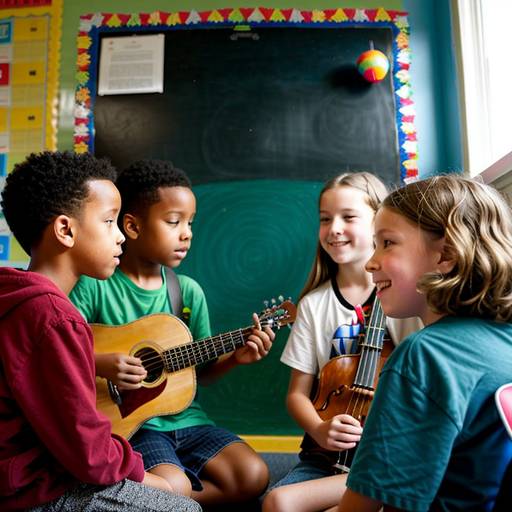
In this 3rd-grade music lesson, students will embark on a journey to appreciate diverse musical styles and cultures. The session begins with a discussion about personal connections to music, followed by an exploration of various pieces from genres such as classical, jazz, folk, rock, and world music. After actively listening to the music excerpts, students will share their observations regarding instruments, emotions evoked, and geographical origins.
To deepen their understanding, they will engage with visuals of the instruments used in the pieces. Following this, students will express their musical inspiration through art by drawing scenes or concepts inspired by the last piece of music. The lesson concludes with a recap of what they learned, encouraging students to reflect on music's universal connection. Informal assessments will be conducted through observations and discussions, while extensions will promote further exploration of global music at home.
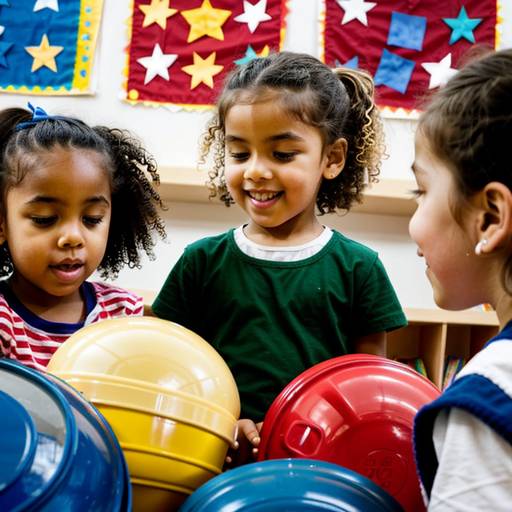
This preschool music lesson plan focuses on engaging young children in exploring songs, movements, and instruments to foster a love for music. The lesson begins with an introduction that encourages children to share their favorite songs, followed by interactive singing and movement activities using well-known children's songs. Students participate in guided actions and clapping rhythms to enhance their engagement.
To further enrich their musical experience, children are introduced to various instruments, allowing them to experiment with simple rhythms while playing along with familiar tunes. A movement activity accompanies a lively song, encouraging them to follow along with dance movements using props, enhancing their physical coordination.
As the lesson winds down, a cool-down session helps children reflect on their favorite parts of the lesson while soft music plays in the background. An optional art activity allows children to create their own musical instruments, promoting creativity and reinforcing the day's learning.
Throughout the lesson, the facilitator observes participation and enthusiasm, adjusting activities as needed to accommodate children's energy levels and interests, ensuring an inclusive and enjoyable experience. The lesson concludes with a group goodbye song, encouraging children to continue exploring music at home.

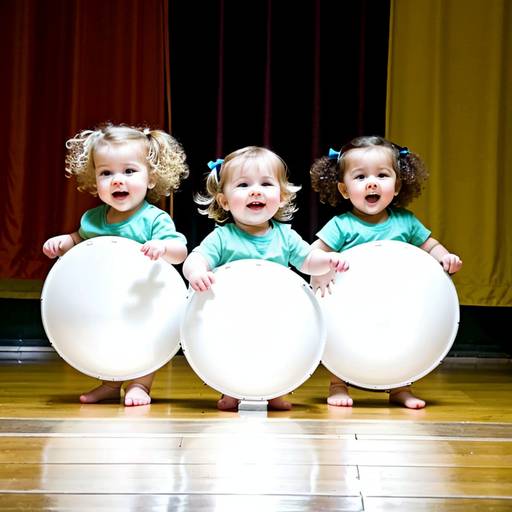
This lesson plan is designed for toddlers aged 2-3 years and focuses on engaging them in music and movement activities through singing, rhythm, and creative expression. The session begins with a welcome circle and a hello song to create a comfortable atmosphere. After a warm-up that involves stretching and jumping, familiar songs are introduced, with interactive singing and hand motions encouraged.
Children then have the opportunity to explore various musical instruments, allowing them to experiment with sound while coordinating with a familiar tune. Following that, they use scarves or ribbons to express themselves through movement, guided by soft, flowing music. The lesson concludes with a calm reflection period where children lie down to relax and share their favorite activities from the session, accompanied by a soothing goodbye song.
Throughout, the instructor observes participation and engagement to assess the toddlers' comfort with rhythm, melody, and self-expression, promoting both social interaction and motor skills development. Families are encouraged to continue music exploration at home for further enrichment.