
Filters
Level
Grade
Subject
Subject Area
Subject Topic
Standard(s)
Audience
Keyword
DurationMinutes
Lesson Plans

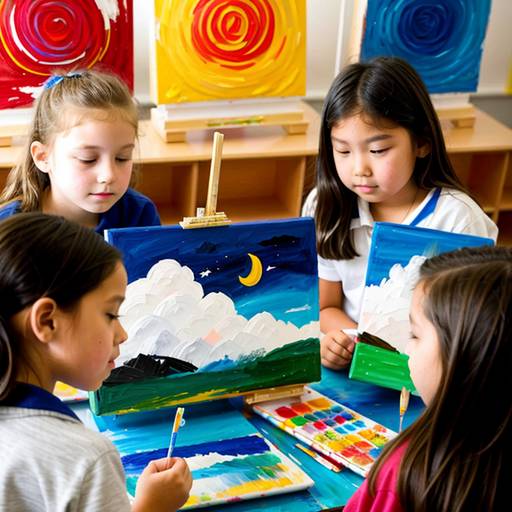
In this third-grade art lesson, students will explore various painting techniques, including wet-on-wet, dry brush, and layering, to create their own imaginative artwork. The lesson will begin with a discussion of different painting styles, showcasing examples that illustrate the use of these techniques. Following a demonstration, students will practice each technique on watercolor paper to gain hands-on experience.
Once they feel comfortable, they will independently create a final piece incorporating at least two of the techniques they have learned, allowing for creativity in their subject matter. The lesson will conclude with a sharing session where students can display their work and discuss their creative process. Assessment will focus on students' understanding and application of the techniques as well as their overall effort and creativity. Extensions to the lesson may include themed series projects and mixed media integration. The session encourages experimentation and a positive exploration of painting.
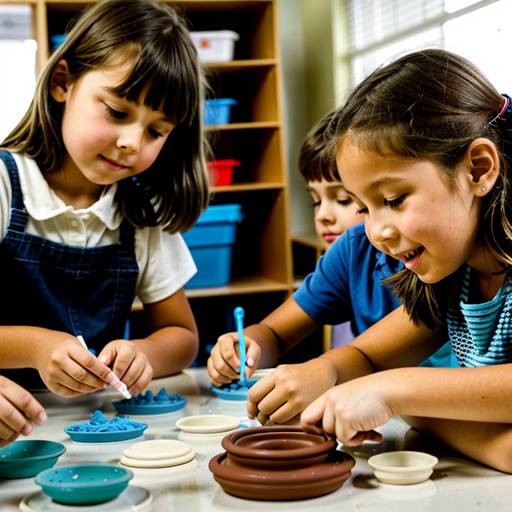
In this 2nd Grade art lesson, students will explore the world of clay as they create their own unique ceramic pieces. The lesson begins with an engaging discussion about ceramics and various clay art forms, complemented by visual examples to inspire the students. Following a demonstration of basic clay techniques, such as rolling, shaping, and texturing, each student will have the opportunity to work independently with air-dry clay to design and mold their creations, expressing their creativity and imagination.
During the creative process, students will receive guidance and support, allowing them to develop their skills while immersing themselves in artistic expression. Once the creations are complete, students will share their work with the class, discussing their inspirations and the techniques they used.
The lesson emphasizes engagement, participation, and the importance of sharing artistic ideas. Students will also learn how to care for their creations and contemplate further artistic possibilities, such as decoration in future sessions. Overall, this lesson invites students to explore their creativity through hands-on experience with ceramics, fostering an appreciation for art and self-expression.

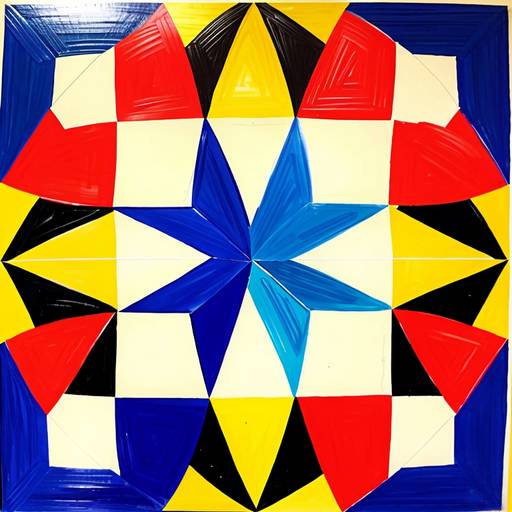
This 2nd-grade math lesson focuses on introducing students to basic geometric shapes and the concept of symmetry. The lesson begins with an engaging discussion about shapes and symmetry in the classroom, followed by a review of common geometric shapes and their attributes. Students will learn about lines of symmetry through direct instruction and visual examples.
During guided practice, they will create their own symmetrical shapes using colored paper and scissors, and explore their creations using mirrors to understand reflection. The lesson also includes an independent art project where students design symmetrical patterns, which they will display in class.
Throughout the lesson, students will be assessed through observation and an exit ticket, where they will draw both symmetrical and asymmetrical shapes to demonstrate their understanding. The lesson incorporates various activities to ensure engagement, differentiation for diverse learners, and extensions to connect geometry with other subjects. Overall, this lesson aims to make learning about geometry and symmetry interactive and enjoyable for the students.
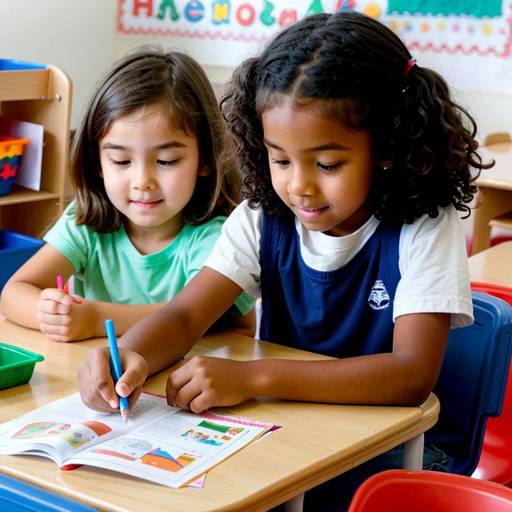
This preschool language lesson focuses on enhancing vocabulary development through interactive activities centered around sight words. The session begins with a group introduction to selected sight words, where students actively participate by repeating the words aloud. Following this, an engaging scavenger hunt is organized, allowing children to explore the classroom and find hidden sight word flashcards, reinforcing word recognition through playful interaction.
After the hunt, students get creative with a craft activity where they make artistic representations of their chosen sight words using construction paper and decorative materials. Each child shares their artwork with the group, further solidifying their understanding and pronunciation.
The lesson concludes with a storytime that features the sight words discussed, giving students the opportunity to see these words in context. A reflective discussion wraps up the activity, allowing the children to express their thoughts and favorite moments from the day. Throughout the session, focus is placed on encouraging participation, enhancing fine motor skills, and building vocabulary in a fun, engaging way.
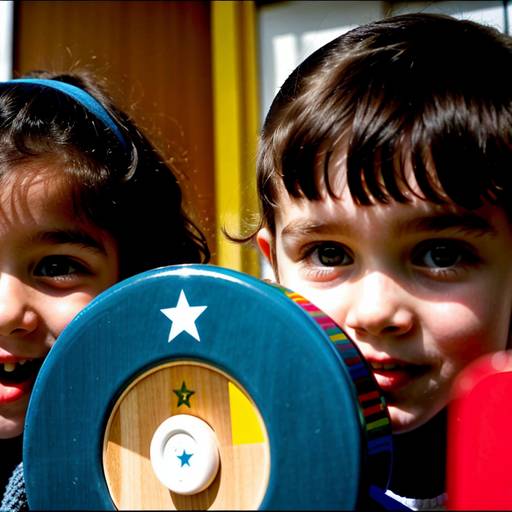
This preschool lesson plan focuses on enhancing listening and speaking skills through engaging activities centered around sound identification and storytelling. The session begins with a warm-up song, encouraging children to express themselves by mimicking animal sounds. Following this, students participate in a sound identification activity where they listen to various sound clips and describe what they hear.
A story is then read, incorporating sound elements that allow children to join in by making sounds and discussing their favorite parts. Next, a playful listening game is introduced, where children express themselves through movement using colorful scarves in time with music or nature sounds.
The lesson concludes with a group discussion about their favorite sounds and characters, followed by a drawing activity where children illustrate their favorite sound or story element and share their creations with the class. The session promotes active participation, creativity, and verbal expression while fostering a deeper understanding of auditory experiences. Assessment is based on children’s engagement and ability to identify and replicate sounds during the activities. Adjustments are made throughout to accommodate varying levels of skill and attention within the group.
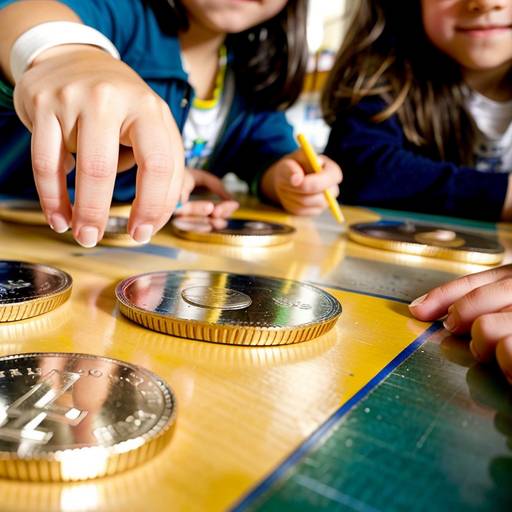
In this 1st-grade math lesson plan, students will explore the concept of money by identifying and differentiating between various coins: pennies, nickels, dimes, and quarters. The lesson begins with an engaging discussion on the use of money in everyday life, followed by hands-on activities that involve examining real or play coins to understand their values.
During direct instruction, students will participate in coin identification exercises and practice counting coins in groups. The highlight of the lesson is the setup of a classroom "store," where students can role-play as shoppers and cashiers, allowing them to apply their knowledge in a simulated buying experience. This interactive activity fosters understanding of how to use coins in transactions.
To conclude, students will reflect on what they have learned, and their understanding will be assessed through observational evaluation during the store activity and a simple worksheet that reinforces coin recognition and values. Differentiation strategies ensure that all learners can participate and benefit from the lesson.
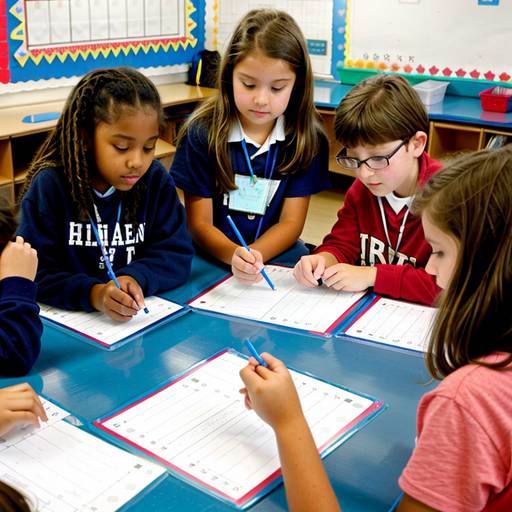
In this 4th-grade math lesson, students will engage with the concepts of reading analog and digital clocks, calculating elapsed time, and identifying time patterns. The lesson begins with a discussion on the importance of time, followed by direct instruction on how to read both types of clocks and calculate elapsed time through simple examples. Students will then participate in group activities where they will work collaboratively to match clock times, solve elapsed time problems, and explore patterns. After working independently on worksheets that reinforce these skills, the class will come together to share their discoveries and review key concepts. The lesson will culminate in a quick interactive game to reinforce learning and ensure understanding. Assessment will be informal, based on observations during group work and the evaluation of completed worksheets. Extension activities will provide additional challenges for students ready to advance their understanding further. Adjustments will be made to support diverse learners, ensuring all students grasp the fundamental concepts related to time.
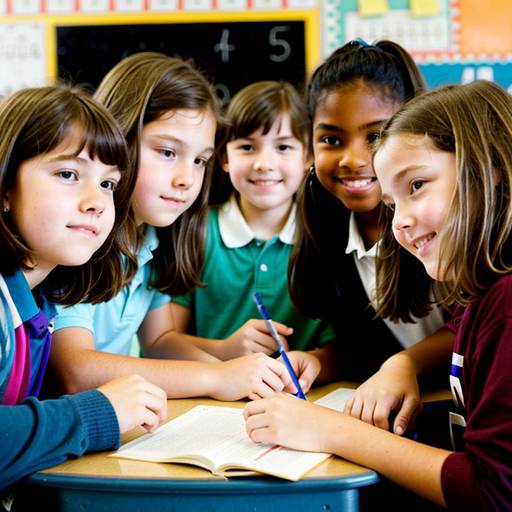
This 5th-grade math lesson focuses on teaching students how to read both analog and digital clocks, calculate elapsed time, and recognize patterns in time intervals. The lesson begins with a discussion about the importance of time management, followed by direct instruction on telling time and converting between clock formats. Guided practice involves working together to solve real-life time scenarios, while independent practice allows students to complete worksheets on time calculations and patterns. The lesson concludes with a review and a hands-on activity involving a timed event, reinforcing the concepts learned. Accommodations are provided for students who may need additional support, and homework encourages students to track their activities with a time diary to connect learning to real-life situations. Overall, the lesson aims to engage students and enhance their understanding of time-related concepts.

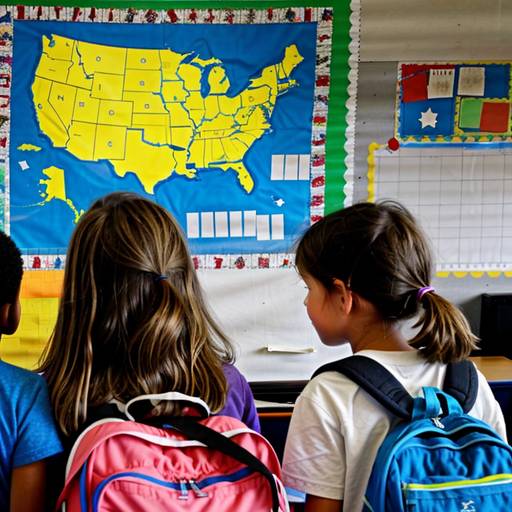
This lesson plan aims to engage 2nd-grade students in understanding the basics of geography and the use of maps. The lesson begins with an interactive discussion about students' experiences with maps, followed by a direct instruction segment that introduces essential map features, including titles, compass roses, and legends. Students will collaboratively explore a large community map to identify important local landmarks.
In the guided practice, they will work in small groups using printed maps to enhance their comprehension of the features discussed. For independent practice, students will create their own maps of either their classroom or home, incorporating the elements learned, such as titles, compass roses, and keys. The lesson concludes with a review of key concepts and sharing of students' maps with their peers. Assessment will be based on participation and the completion of the maps, with optional extensions for further learning through technology or field trips.
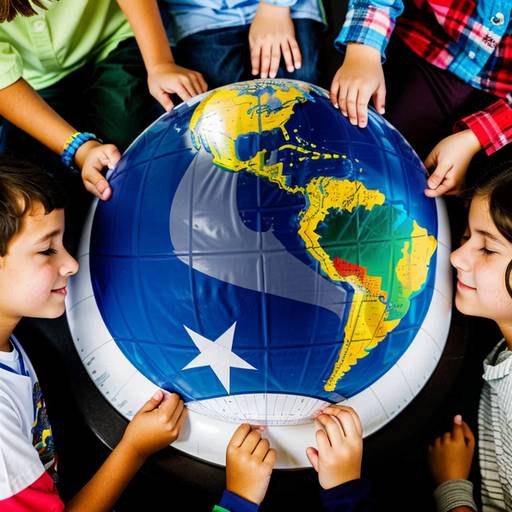
This lesson plan is designed for 5th-grade students to explore the geography of different countries around the world. The objectives include identifying countries on a map, describing significant geographical features, and presenting country profiles to classmates. The lesson begins with an engaging discussion about geography's importance and continues with instruction on map reading and geographical terminology.
Students will work in small groups, each assigned a different country, and will use fact sheets to fill out a country profile worksheet that highlights key geographical elements. After completing their profiles, groups will prepare short presentations to share their findings, using maps to illustrate their points. The lesson concludes with presentations and a summary of the geographical diversity of the world, emphasizing how these features influence cultures. Assessment will focus on group presentations and country worksheets, with opportunities for extension through creating a Geography Wall or organizing a Cultural Fair.