
Filters
Level
Grade
Subject
Subject Area
Subject Topic
Standard(s)
Audience
Keyword
DurationMinutes
Lesson Plans

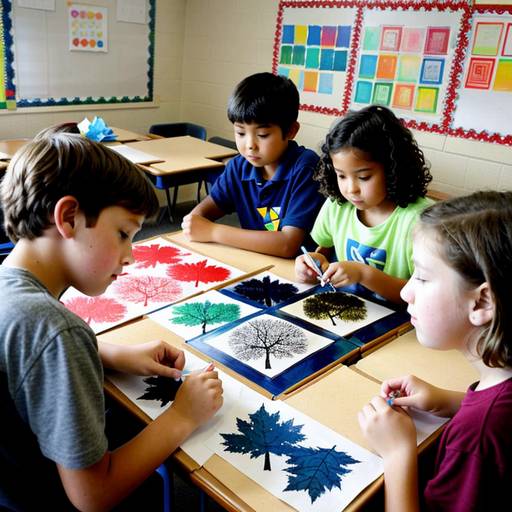
This art lesson for 5th graders focuses on the techniques of printmaking, specifically through the creation of stamps. Over two class periods, students will first learn about the history and various methods of printmaking through discussion and visual examples. They will then design their own unique stamps using foam sheets or potato halves, applying safe crafting techniques. In the second session, students will execute their designs by creating prints on heavyweight paper with water-based acrylic paints, experimenting with colors and layering. The lesson concludes with a reflection session where students share their creations and display their artwork in a classroom gallery. Assessment will be based on participation, creativity, and the ability to articulate their artistic process. Extensions of the project could include larger scale prints or integrating digital design elements.

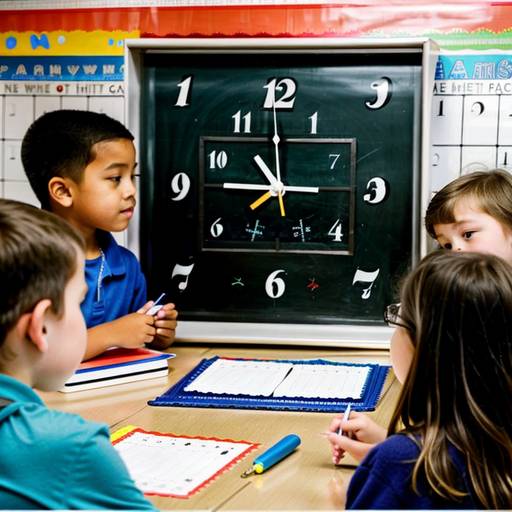
In this 1-hour math lesson for 2nd graders, students will learn to tell time using an analog clock. The lesson begins with an introduction to the components of the clock, including the hour and minute hands and the concepts of AM and PM. Following a demonstration on how to read time to the nearest hour and half-hour, students will practice using paper clocks to set the time as called out by the teacher. They will then work in pairs to quiz each other, reinforcing their understanding. Afterward, students will complete worksheets that include various time-telling exercises to assess their grasp of the material. The lesson concludes with a review of key concepts and a group discussion. Optional storytelling may be included to further illustrate the importance of time in daily life. Extensions such as creating personal paper clocks will allow for continued practice at home. Accommodations will be made for students who need additional support, ensuring an inclusive learning environment.
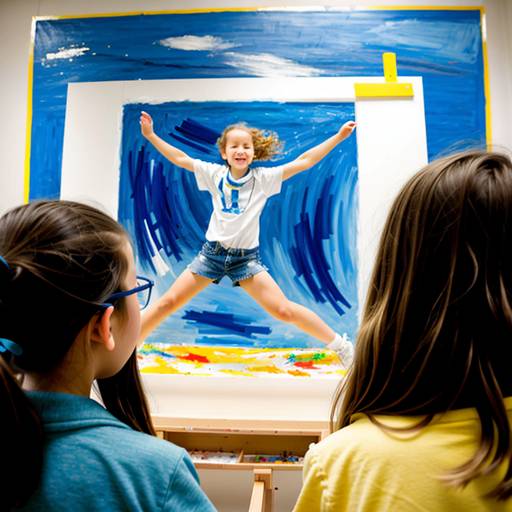
In this 60-minute art lesson for 2nd graders, students will explore the concept of movement in art through various painting techniques. The lesson begins with an introduction to images that depict movement, sparking discussion about how to visually represent motion in their own artwork.
Next, the teacher demonstrates different painting techniques, including long brush strokes, blowing paint through straws, sponge dabbing for texture, and using salt to create dynamic effects. After the demonstration, students will have the opportunity to create their own paintings using the techniques learned, selecting themes such as nature, animals, or dance.
Throughout the painting activity, the teacher will circulate to provide guidance and encouragement, fostering a creative environment. Once the paintings are complete, the students will participate in a gallery walk to share their work and reflect on the techniques they used and their artistic choices.
The lesson culminates in a discussion to reinforce the idea of movement in art, encouraging students to think about how to express emotions and actions in their future creations. Assessment will be based on observation during the activity and the completed artworks, focusing on creativity and technique application.
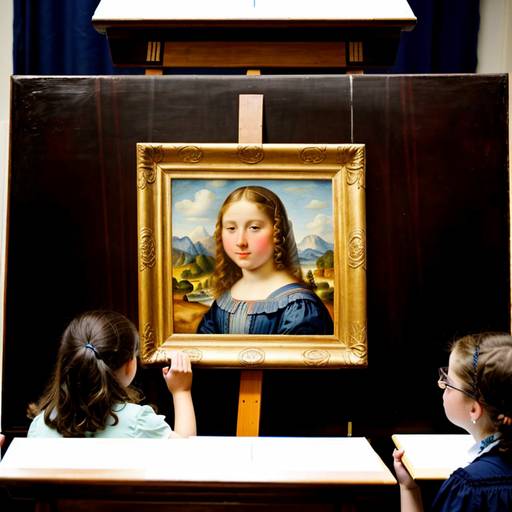
In this art lesson, 3rd-grade students will explore the world of art history by learning about three renowned artists: Vincent van Gogh, Pablo Picasso, and Frida Kahlo. The lesson begins with an engaging introduction to the significance of art and an overview of each artist's unique style and historical context.
Students will then work in small groups to discuss their assigned artist and present their findings to the class, fostering teamwork and communication skills. Following the discussion, students will create their own miniature artworks inspired by one of the artists, using various materials such as colored pencils, markers, or collage techniques.
As they create, students will have the opportunity to express their creativity while reflecting the styles of the artists they have studied. The lesson culminates in a gallery walk where students can share and appreciate each other's work, encouraging a sense of community and dialogue about art. Assessment will focus on participation, creativity, and understanding, with an extension activity available for those who finish early.
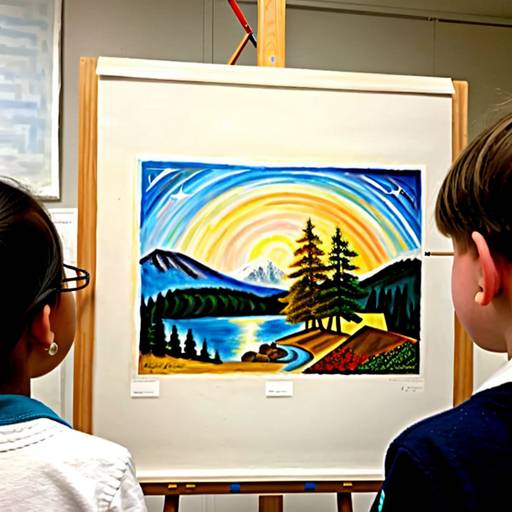
In this 2nd-grade art lesson, students will explore the lives and works of famous artists from different art movements. They will engage in discussions about how these artists expressed emotions and themes through their unique styles. Each group of students will be assigned an artist, such as Vincent van Gogh, Claude Monet, Frida Kahlo, or Piet Mondrian, and will create an original artwork inspired by the techniques and characteristics of their assigned artist. After completing their pieces, students will present their work to the class, explaining their artistic choices and the influence of the artist they studied. The lesson culminates with the establishment of a temporary "Art Gallery" to showcase their creations, allowing them to reflect on their learning and appreciate each other's artistic expressions. Adaptations and extensions are included to ensure all students can participate fully and continue exploring art at home.
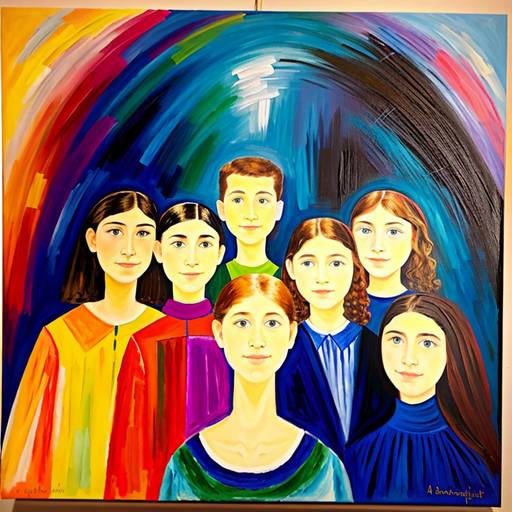
In this engaging art lesson for 3rd graders, students will explore the Expressionist art movement, focusing on its characteristics, such as the use of bold colors and distorted forms to convey emotion. The lesson begins with an introduction to key artists and their works, prompting discussions about how colors can represent feelings. Students will then create their own expressive artwork based on a specific emotion they’ve experienced, using a variety of materials like construction paper, crayons, and watercolors. They will share their creations with the class, explaining the emotions tied to their art. The session emphasizes personal expression through art while fostering connections to history and encouraging creative thinking. Extensions include creating a classroom gallery to display their work and writing about their artistic choices, incorporating literacy and social studies elements into the lesson. Overall, this activity allows students to connect emotionally with art and enhances their understanding of a significant art movement.
In this 5th Grade art lesson, students will explore significant art movements throughout history and their cultural contexts. The lesson begins with an interactive introduction to notable movements, showcasing key artists and their distinctive styles through visual aids. Students will then break into small groups to delve deeper into a specific movement, discussing its characteristics and presenting a notable artwork to the class. Following this collaborative activity, each student will choose a movement that resonates with them and create their own artwork inspired by it, incorporating techniques learned during the lesson. The class will culminate with a showcase where students share their creations and insights, fostering an appreciation for the diversity of artistic expression. Assessment will focus on participation, presentation skills, and the creativity demonstrated in students' artwork, encouraging them to further explore the world of art and its historical significance.
In this engaging art lesson for 5th graders, students embark on a journey through various significant art movements, including Impressionism, Cubism, Surrealism, and Abstract Expressionism. The lesson is spread over two class periods.
On the first day, students participate in a warm-up discussion about the nature and importance of art, followed by a presentation showcasing key characteristics and famous works from each art movement. They explore designated stations with flashcards and reproductions, deepening their understanding through observation and discussion.
On the second day, students choose an art movement that inspires them and create their own artwork reflecting that style using various materials. They are encouraged to incorporate elements learned from their chosen movements. After finishing their pieces, students share their artwork with peers, explaining the connections to the movements they studied.
Assessment is based on participation, the completion of a worksheet detailing their chosen movement, and the creativity displayed in their final artwork. Extensions include creating a classroom art gallery and virtual field trips to art museums, fostering an appreciation of art history alongside hands-on creative expression.
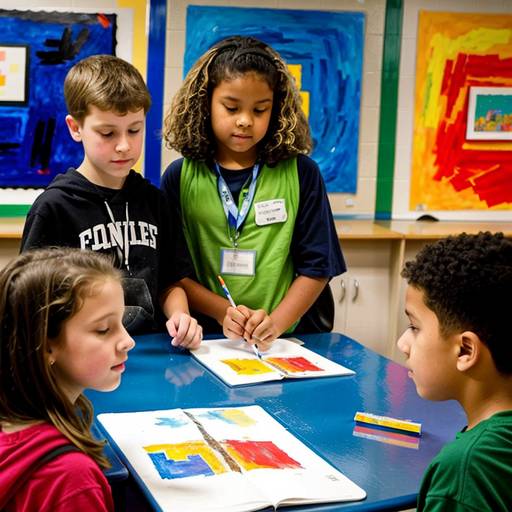
In this 4th-grade art lesson, students are introduced to the concept of Expressionism, an art movement focused on conveying emotions through color and form. The lesson begins with a discussion about various art movements, particularly how Expressionist artists like Edvard Munch and Wassily Kandinsky utilized vibrant colors and abstract shapes to express deep feelings.
Students engage in an interactive brainstorming session where they connect colors with emotions, creating a list of feelings associated with different shades. After learning about the artists and their works, students select an emotion they wish to express in their own artwork. They start by sketching their ideas and then use watercolor or tempera paints to create expressive pieces that reflect their chosen feelings.
The session concludes with a gallery walk, where students display and observe each other's artwork. They participate in reflections about their creative choices and the emotions they aimed to convey. This lesson not only enhances their understanding of a significant art movement but also encourages personal expression and emotional literacy through artistic creation.
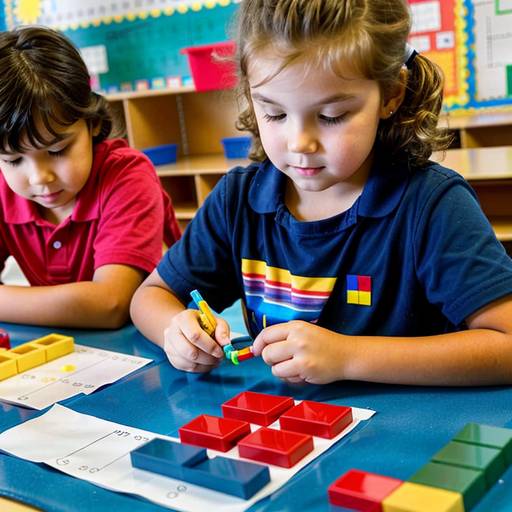
In this 1-hour math lesson for 2nd-grade students, the focus is on teaching addition through hands-on manipulatives. The session begins with an introduction to addition, emphasizing the benefits of using physical objects to visualize mathematical concepts. The teacher demonstrates a simple addition problem using counting cubes, allowing students to see how the numbers come together.
Students are then divided into small groups and given number cards featuring various addition problems. They work collaboratively to solve these problems by representing them with their manipulatives, counting the cubes, and recording their findings in their journals. Following this guided practice, students tackle an independent worksheet that includes visual aids and different addition problems, applying what they've learned.
The lesson concludes with a class discussion where students share their problem-solving experiences and reflect on the advantages of using manipulatives to understand addition better. Throughout the lesson, the teacher assesses student understanding through observations and reviews of completed worksheets and journal entries. Differentiation strategies are incorporated to ensure that all learners have the support they need to succeed.