
Filters
Level
Grade
Subject
Subject Area
Subject Topic
Standard(s)
Audience
Keyword
DurationMinutes
Lesson Plans
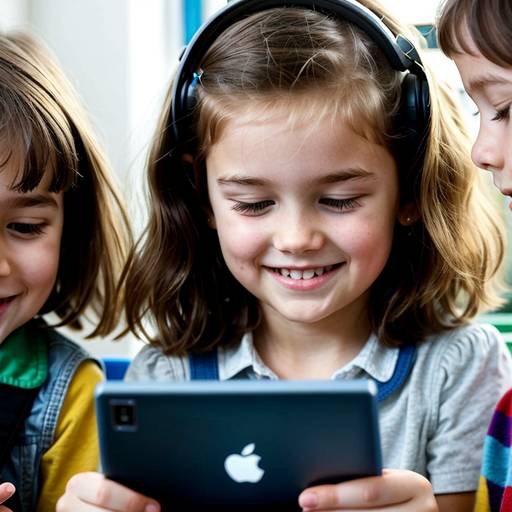
In this preschool lesson plan, students will engage in exploring digital creativity by utilizing technology tools to create their own digital art and stories. The session begins with a discussion about creativity, followed by a demonstration of a graphic design app that allows young learners to express their imaginations.
Students will then break into small groups to experiment with the app, creating their unique pieces of digital artwork based on their ideas or prompts. Throughout the activity, educators will circulate to provide support and encourage dialogue about their creations.
After completing their artworks, each child will present their creation to the class, sharing their thoughts and inspiration, while positive reinforcement is offered through stickers or stamps. The lesson concludes with a recap of key learnings and discussions on future creative endeavors at home. Extensions include providing resources for families and organizing a showcase to celebrate the students' digital creations. Overall, the lesson fosters digital literacy and imaginative expression in a fun and engaging environment.

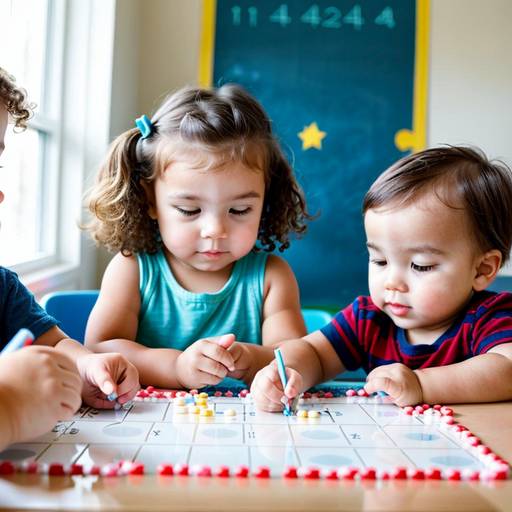
This engaging lesson plan is designed for toddlers aged 2-3 years, focusing on introducing basic counting skills and simple number operations like addition and subtraction. The session starts with a welcoming circle and a storytime activity that captivates the children's attention while reinforcing counting through a narrative.
Following the story, toddlers participate in a "Number Hunt," searching for hidden flashcards and counting them aloud. This hands-on experience continues with a block activity where children physically manipulate objects to understand addition and subtraction, fostering both mathematical understanding and fine motor skills.
A lively movement activity encourages children to dance while incorporating counting into their movements, enhancing both physical activity and number recognition. The lesson concludes with a circle time review, allowing children to share their experiences and solidifying their understanding of the concepts learned.
Throughout the session, adaptations support diverse learners, ensuring that every child can engage and participate. Observational assessments track each child's interaction and ability to grasp the material, setting the stage for future mathematical exploration. Follow-up activities are suggested to further integrate number recognition into daily routines, promoting ongoing learning and curiosity.

This lesson plan focuses on enhancing fine motor skills in toddlers by engaging them in a series of hands-on activities that promote precision and control. The session begins with a welcome circle where children learn about fine motor skills and observe demonstrations of various tasks.
Children rotate through multiple activity stations that include manipulating play dough, transferring pom-poms using tweezers, squeezing sponges, drawing with crayons, and practicing cutting with child-safe scissors. Each station is designed to encourage the use of different fine motor techniques.
After completing the stations, the class participates in a relay activity that emphasizes teamwork and careful movements. The lesson concludes with a group discussion where children share their experiences and thoughts about the activities they've completed.
Throughout the lesson, teachers assess children's abilities and provide support as needed, ensuring each child has an opportunity to develop their skills further. Additionally, follow-up activities are suggested for continued practice in daily routines, reinforcing the importance of fine motor development in everyday life.
In this toddler-focused lesson, children ages 2 to 4 will participate in a variety of engaging activities aimed at developing their hand-eye coordination skills. The session begins with a warm-up that incorporates waving colorful scarves to promote arm movements and coordination. Following the warm-up, children will work in small groups to create and decorate target shapes using paper and markers, allowing for creativity and teamwork.
The main activity features a target practice game where children will practice throwing soft balls or bean bags towards their decorated targets, encouraging them to reach and aim while having fun. For the cool-down, a gentle rolling catch game will help reinforce their tracking and catching skills in a cooperative setting.
The lesson concludes with a group reflection, where children can share their favorite moments and express their feelings about the activities. Throughout the session, educators will observe each child’s progress and provide support, ensuring a positive and enjoyable learning experience. Adaptations will be made as necessary to accommodate varying skill levels, promoting confidence and success in all participants.

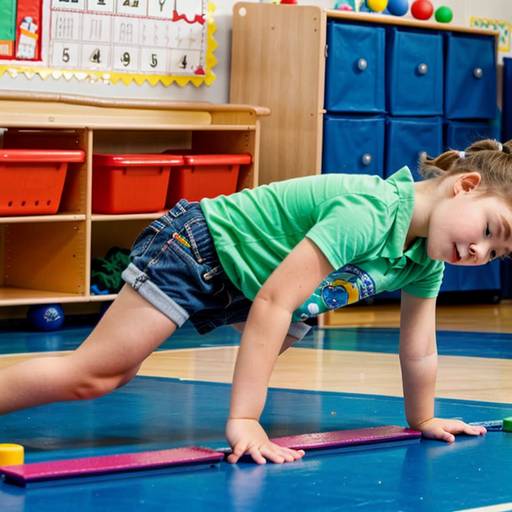
This preschool physical education lesson plan focuses on enhancing fine motor skills through a variety of engaging activities over a 75-minute session. The objective is to help young children develop hand-eye coordination, grip strength, and dexterity in a fun and interactive way.
The lesson begins with a welcome and introduction, highlighting the importance of fine motor skills in everyday tasks. Following a brief warm-up activity that gets children's fingers and hands moving, students are divided into small groups to rotate through four hands-on activity stations, each lasting approximately 10 minutes. These stations include crafting with playdough, bead stringing, practicing scissor skills, and assembling large-piece puzzles, all designed to promote fine motor development while encouraging collaboration and social interaction.
After the station rotations, students participate in a group relay game using tweezers to carry small objects, enhancing their coordination and teamwork. The session concludes with a cool-down discussion, where students reflect on their favorite activities and what they learned about using their hands. Parents receive a take-home activity sheet with suggestions for continuing fine motor skill practice at home.
Throughout the lesson, the instructor observes each child's participation and provides assistance as needed, fostering a supportive and encouraging environment that celebrates individual progress and achievements.

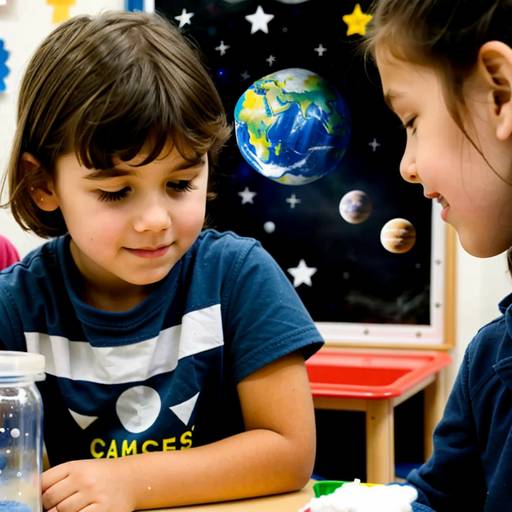
In this preschool science lesson, children will engage in hands-on experiments that introduce them to basic concepts related to Earth and Space. The session begins with a circle discussion to spark curiosity and activate prior knowledge about plants and the night sky. Students will participate in planting seeds in clear cups, learning about what plants need to grow, while also making predictions about their seed growth. Following this, they will create starry night artwork using dark construction paper and glitter, simulating stars while discussing celestial bodies and their twinkling appearance.
Throughout the lesson, children will observe, share experiences, and reflect on their activities, enhancing their scientific curiosity and observation skills. The lesson concludes with a collaborative review of what they learned, reinforcing the concepts introduced, and culminating in a fun song or rhyme related to Earth and Space. This interactive approach aims to foster a sense of wonder and an eagerness to explore the natural world.

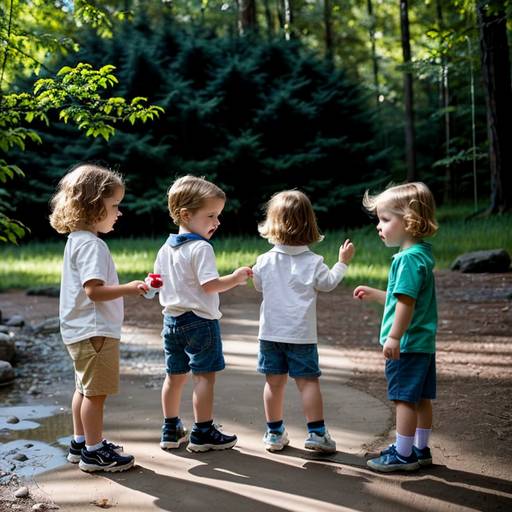
This engaging toddler lesson plan focuses on sensory play to enhance children's curiosity about nature and their fine motor skills. The session begins with a circle time discussion about various textures and materials found outdoors, stimulating conversation among the young learners.
Children are then divided into small groups, rotating through three sensory play stations. In the first station, they explore a bin filled with soil, sticks, leaves, and pebbles, using magnifying glasses to closely observe the different textures. The second station features an ocean-themed bin with sand and seashells, allowing children to experience the feel of pouring water and digging in the sand. The third station, filled with colorful rice, toy insects, and natural seeds, encourages tactile discovery while discussing colors and sizes.
Following the hands-on exploration, children gather for a creative drawing activity where they depict their favorite experiences or items encountered during the sensory play. The lesson concludes with a sharing session and a nature-themed storybook read-aloud that reinforces the themes explored. Throughout the activities, observations are made on each child’s engagement and interactions, promoting a deepened understanding of the natural world.

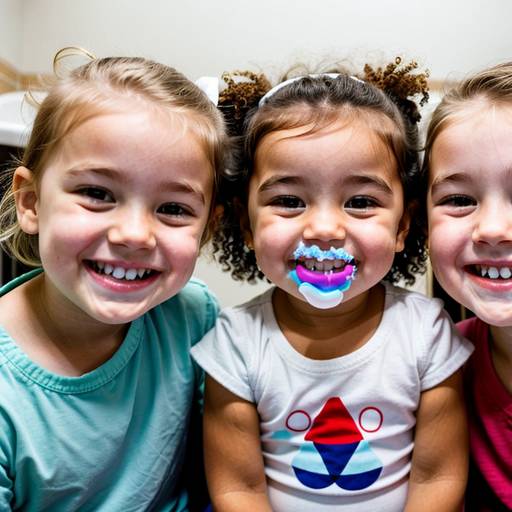
This lesson plan focuses on teaching toddlers about the importance of oral hygiene, specifically the practice of brushing their teeth. The session begins with an engaging story that introduces dental health, followed by a discussion on healthy habits related to teeth. A demonstration showcases proper tooth brushing techniques, allowing children to practice using mirrors and toothbrushes. Participants engage in a hands-on activity where they brush their teeth while singing a fun song, reinforcing the skills learned. After rinsing and sharing their experiences, children create crafts themed around tooth brushing, enhancing their understanding of the topic. The session concludes with a review of key concepts and encourages children to share their new knowledge with their families. Throughout the lesson, there are opportunities for observation and support to ensure all children grasp the importance of maintaining good dental hygiene. Follow-up activities include sending home a tooth brushing chart to promote the habit at home.
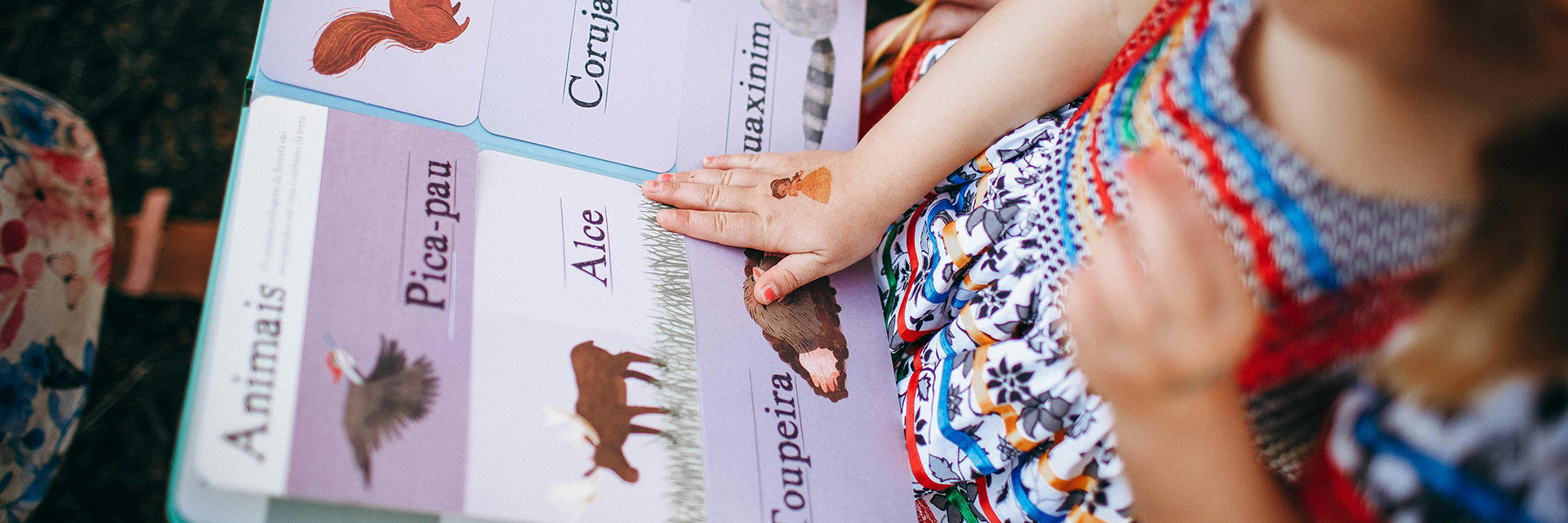
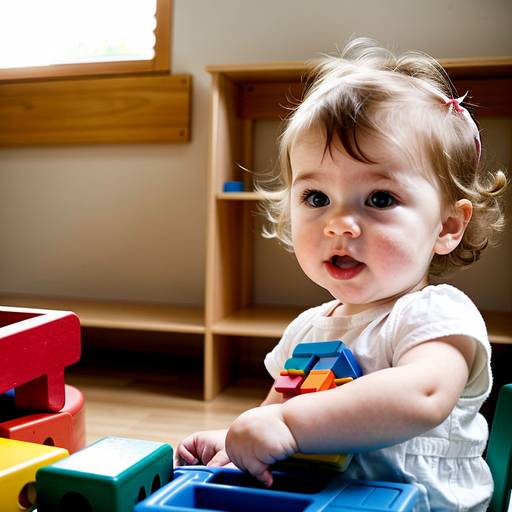
This lesson plan focuses on enhancing narrative skills in toddlers through interactive and play-based activities. Designed for children aged 2-4, the session begins with a lively circle time where a picture book is read aloud, fostering discussion and engagement. Children then participate in story creation using props related to the book, encouraging them to develop their own stories collaboratively. Following this, they share their narratives with the group, promoting confidence and communication skills. A visual story map activity helps children understand story structure as they illustrate key elements of their stories together. The lesson concludes with a group reflection, allowing children to express their thoughts on storytelling. Throughout the activities, careful observation assesses verbal expression, engagement, and comprehension, ensuring support is tailored to each child's needs. Additional follow-up activities encourage continued storytelling at home and in the classroom. This approach cultivates creativity, imagination, and a love for stories in a supportive and collaborative environment.
This lesson plan is designed for preschool students to introduce them to the fundamentals of digital literacy through engaging activities. The session begins with a short video showcasing various technology devices and their uses, sparking discussions on how technology is integrated into daily life. Students are then divided into small groups to explore different learning stations, where they can interact with tablets to create digital stories, experiment with coding toys to grasp basic programming concepts, and express their creativity through drawing favorite tech devices. Following these activities, the class reconvenes to share experiences and insights from each station. The lesson concludes with a reflection where children can customize their digital stories, emphasizing the fun and helpful aspects of technology. Overall, the plan promotes engagement, collaboration, and thoughtful exploration of digital tools while ensuring that preschoolers grasp essential concepts in a safe and playful environment.