
Filters
Level
Grade
Subject
Subject Area
Subject Topic
Standard(s)
Audience
Keyword
DurationMinutes
Lesson Plans

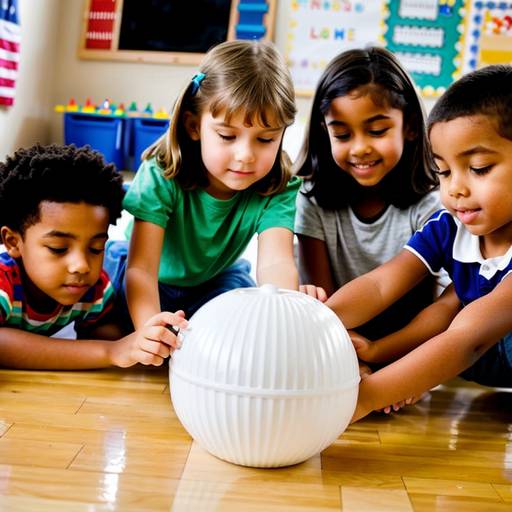
This preschool physical education lesson plan focuses on enhancing fine motor skills through a series of engaging and creative activities designed for children aged 3 to 5 years. The 75-minute lesson begins with an introduction to the importance of fine motor skills, followed by a fun warm-up involving hand exercises and movement.
The core of the lesson consists of several activity stations, each lasting 15 minutes, where children can explore and develop their skills. Activities include building with various types of blocks, crafting with playdough, cutting and gluing paper shapes, threading beads, and participating in a scoop-and-toss game.
After the individual activities, students come together for a collaborative creation project, allowing them to work as a team to make a large mural or sculpture from their previously crafted items. The lesson concludes with a cool-down and reflection period, encouraging children to share their experiences and discuss what they learned about teamwork and creativity. This immersive approach fosters skill development in a fun, hands-on environment.

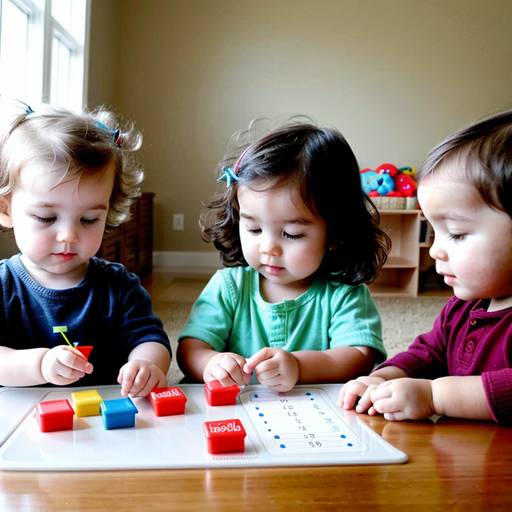
In this lesson plan, toddlers will embark on an engaging journey to develop their counting skills and number recognition through a variety of interactive activities. The session will begin with a warm welcome, where children will sing a welcome song and be introduced to numbers using flashcards. They will then participate in a number recognition game, where they will find objects that correspond to the numbers shown.
Following this, children will work in small groups to practice counting specific numbers of small objects, encouraging collaboration and verbal counting. In the creativity segment, they will draw pictures based on numbers and share their creations with the group, fostering both artistic expression and number recognition.
To conclude the lesson, a fun counting song will encourage movement and rhythm, reinforcing the counting concepts learned throughout the session. The lesson wraps up with a review of key takeaways, celebrating the children’s participation, and enhancing their understanding of numbers in a joyful and interactive manner. Assessments will be based on observations of their counting abilities and recognition of numbers while providing positive encouragement.
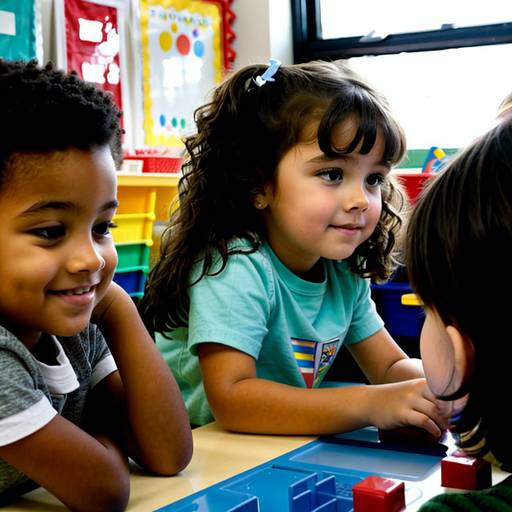
This preschool lesson focuses on introducing young children to basic technology concepts and devices. It begins with an interactive discussion where students explore various technology items, identifying their functions and sharing personal experiences. Following that, they engage in hands-on activities, rotating between stations with real devices such as tablets and toy laptops, emphasizing safe and respectful usage. The lesson continues with a creative component, where students design their own tech devices using craft materials, promoting imagination and artistic expression. The session wraps up with a group discussion for reflection and a fun closing activity, reinforcing the concepts learned. Throughout the lesson, observation of student participation aids in assessing their understanding, with opportunities for future activities to deepen their engagement with technology.

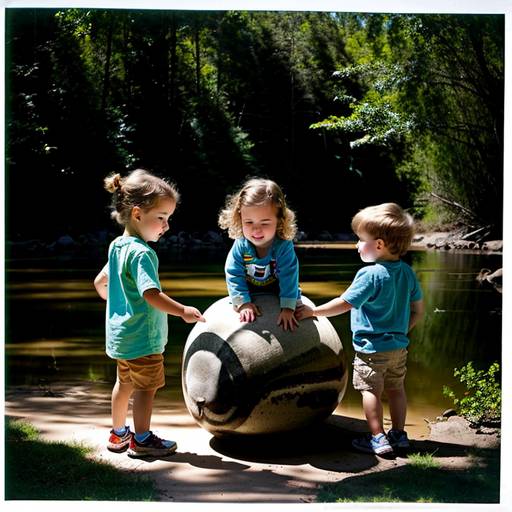
The lesson plan focuses on engaging toddlers in exploring the fascinating world of animals through interactive activities. The session begins with a welcoming circle where students are introduced to various animal figurines and encouraged to share their thoughts on them. Following this, a captivating storytelling segment features a picture book about animals and their habitats, allowing for lively participation as children imitate animal sounds and actions.
Next, the children rotate through different exploration stations. At the Animal Habitat Station, they engage with sensory bins that represent various environments, matching figurines to their respective habitats. The Sound Safari Station invites them to identify animals by their sounds using recordings and corresponding pictures. Meanwhile, the Dramatic Play Station encourages imaginative play through the use of masks and costumes, letting them act out their favorite animals.
The lesson culminates in a collaborative art project where children draw their favorite animals and share their creations with the group. The session concludes with a circle discussion reflecting on their experiences, followed by a fun wrap-up song about animals, reinforcing their learning. Throughout the lesson, observation is used to assess engagement and understanding, with opportunities for follow-up activities that extend their exploration of nature and animals.
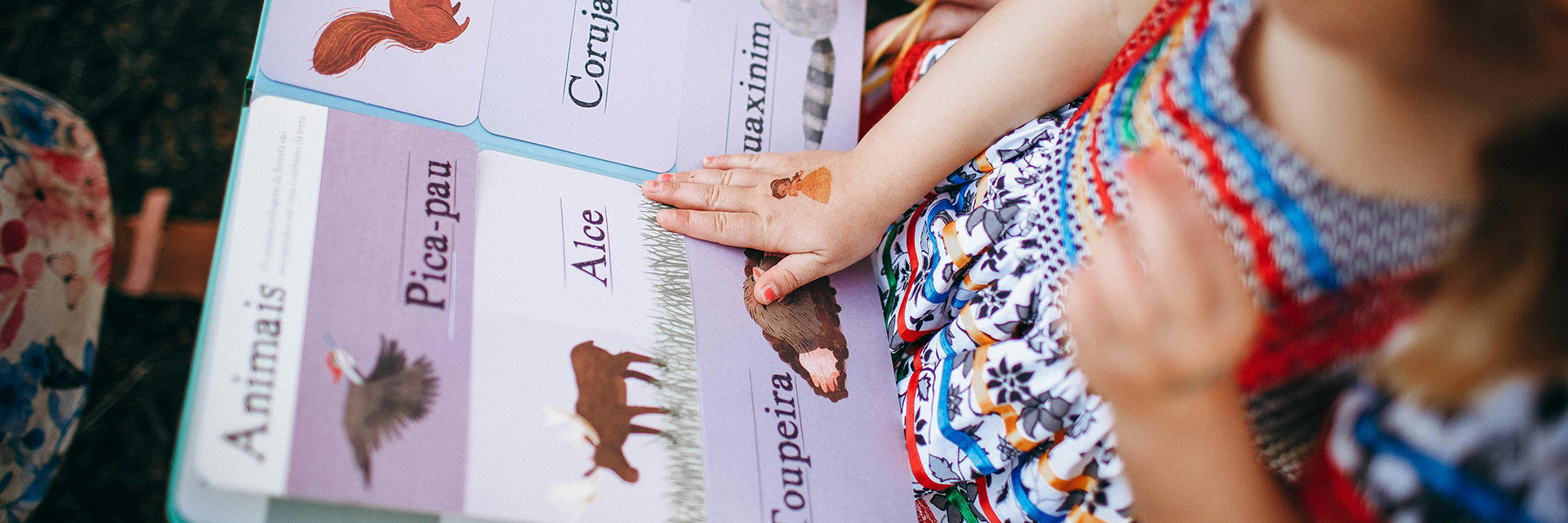
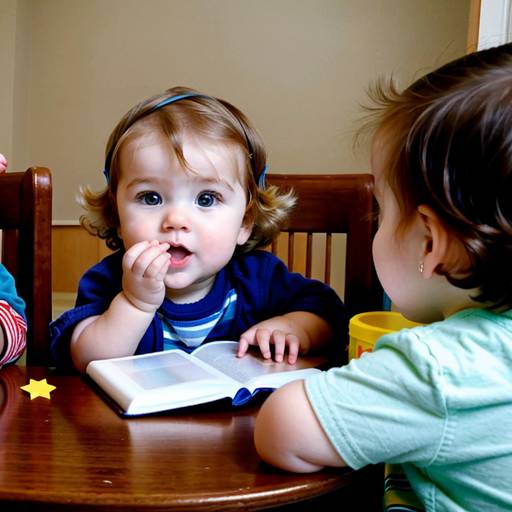
This lesson plan focuses on vocabulary building for toddlers aged 2 to 3 years, designed to introduce and reinforce five new words related to everyday objects and actions. The session begins with an engaging story that incorporates the target vocabulary. Following this, toddlers will participate in an interactive scavenger hunt, where they search for hidden items related to the vocabulary words, promoting active engagement and word recognition.
After the hunt, a story time reinforces the new words as children are encouraged to respond to questions using the vocabulary they've learned. The lesson also includes a creative coloring activity, allowing toddlers to express themselves while further solidifying their understanding of the new terms. Finally, the class wraps up with a review of the words and encourages participation through sharing their favorite terms. Throughout the lesson, the plan includes strategies to assess children's recognition and usage of the new vocabulary, with suggestions for extending learning at home. Overall, the lesson is designed to foster language development in a playful and interactive environment.

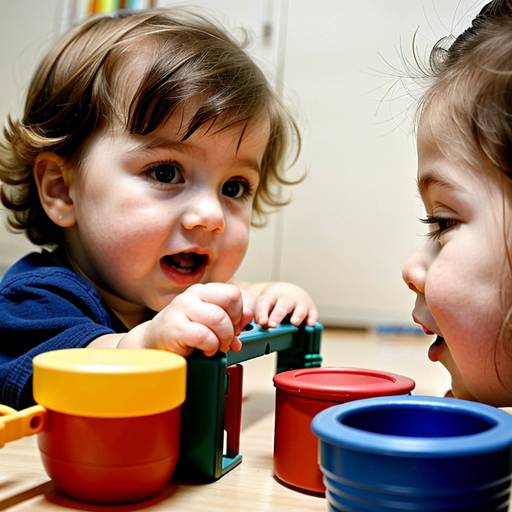
This lesson plan is designed for infants aged 12-24 months, focusing on enhancing hand-eye coordination through engaging play activities. It spans 30-45 minutes and accommodates a group size of six to eight infants along with their caregivers.
The session begins with a welcoming circle time that introduces the theme and involves a participatory song. Infants then rotate through five activity stations, each promoting different aspects of hand-eye coordination: rolling soft balls, stacking foam blocks, manipulating colorful scarves, exploring sensory bins, and engaging with musical instruments. Each activity encourages movement, coordination, and tactile exploration while fostering caregiver-infant interaction.
The session concludes with a group closure where participants share their experiences, followed by an optional free play period for independent exploration. Caregivers receive feedback opportunities, and extensions for at-home activities encourage continued development. Safety precautions are highlighted to ensure a secure environment for all infants. This plan emphasizes the importance of playful learning in developing foundational motor skills for young children.

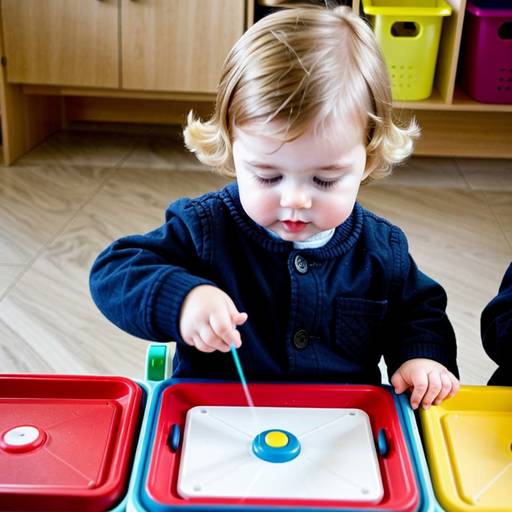
This lesson plan focuses on enhancing toddlers' fine motor skills through engaging activities that emphasize precision and control. Designed for children aged 2 to 4 years, the session lasts 45 minutes and includes a variety of hands-on experiences.
The lesson starts with an introduction that highlights the importance of using hands and fingers for various activities. Three interactive activity stations are set up, allowing children to rotate through them: one station features building blocks to promote balance and structure, another uses tongs to transfer small pom-poms, encouraging careful handling and grip, and the final station involves playdough where children can create shapes and figures with various tools.
After the activities, the class gathers for group sharing, giving each child the opportunity to discuss their favorite parts and challenges faced. The lesson concludes with a reflection on the skills practiced, reinforcing how these exercises will aid in their future daily tasks. Optional extension activities are provided for parents to continue developing fine motor skills at home. Overall, the plan fosters an encouraging environment that values effort and promotes skill development in a fun and playful way.
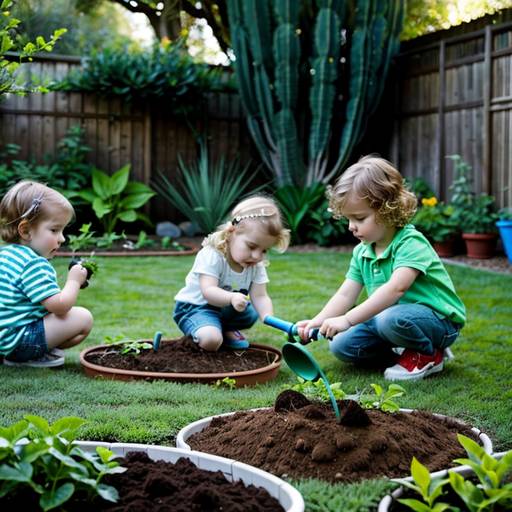
This lesson plan for toddlers focuses on exploring the wonders of nature through hands-on gardening activities. It engages young children by combining storytelling, outdoor exploration, and practical gardening skills. The session begins with a circle time where children listen to a story about plants, followed by a nature walk to observe various plants and flowers. Afterward, children participate in planting seeds in small pots, learning about the essentials plants need to thrive, such as water and sunlight. The lesson encourages discussion and sharing among peers while fostering curiosity and respect for nature. To conclude, children sing a garden-themed song and are encouraged to care for their plants in future sessions. Overall, the activities aim to instill a love for gardening and an understanding of plant growth, enriching toddlers' connection with the natural world.
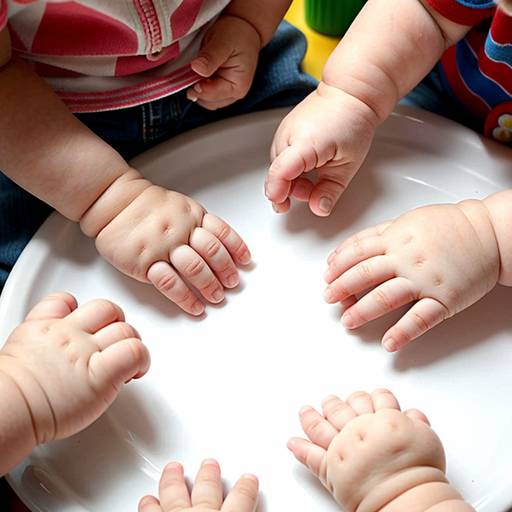
This lesson plan focuses on developing fine motor skills in toddlers through engaging and interactive activities that enhance finger dexterity. The session begins with an introduction that sparks excitement through a finger song, followed by a series of hands-on activities.
Children will participate in a pom-pom transfer exercise, using tongs to foster control and precision as they move colorful pom-poms between bowls. Next, they will explore their creativity with playdough, manipulating the material into various shapes to strengthen their finger muscles.
The lesson continues with a craft stick stacking challenge, encouraging balance and stability as children build towers. For those ready for more advanced skills, an optional cutting practice activity with safety scissors allows toddlers to develop their scissor skills.
The session concludes with a fun dance break, incorporating finger movements to celebrate their achievements. Throughout the lesson, observation will help assess each child's engagement and skill improvement, while discussions will reinforce their learning experiences. Extensions for home activities will also be suggested to further promote fine motor skill development.
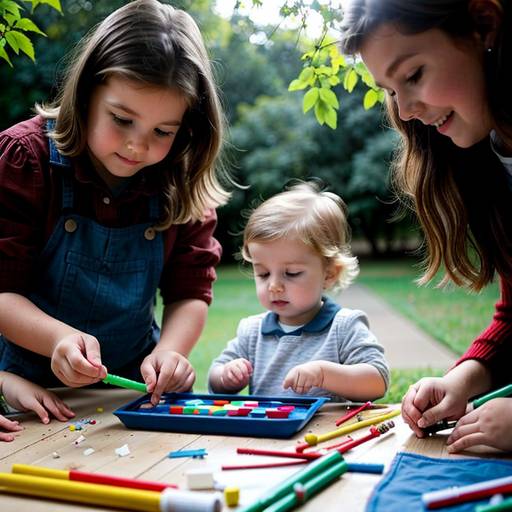
In this Toddler Nature and Science lesson, children will engage in hands-on exploration of the natural world through a creative crafting activity. The lesson begins with a brief introduction to various natural items collected from the environment, encouraging children to describe their observations of colors, shapes, and textures. Following this, a short nature walk allows children to gather additional materials, fostering an appreciation for their surroundings.
After sorting and discussing the collected items, children will use cardstock or construction paper to create unique collages using glue to attach their natural finds. Emphasis is placed on individual creativity, allowing each child to express themselves artistically. Once the collages are complete, children will participate in clean-up activities, learning about responsibility.
The lesson concludes with a group reflection where children can share their artwork and describe their creative process. Additional extension activities may include sensory bins for further exploration or nature-themed storybooks to enhance their understanding of the natural world. Overall, the lesson fosters fine motor skills, language development, and a deeper connection to nature.