
Filters
Level
Grade
Subject
Subject Area
Subject Topic
Standard(s)
Audience
Keyword
DurationMinutes
Lesson Plans

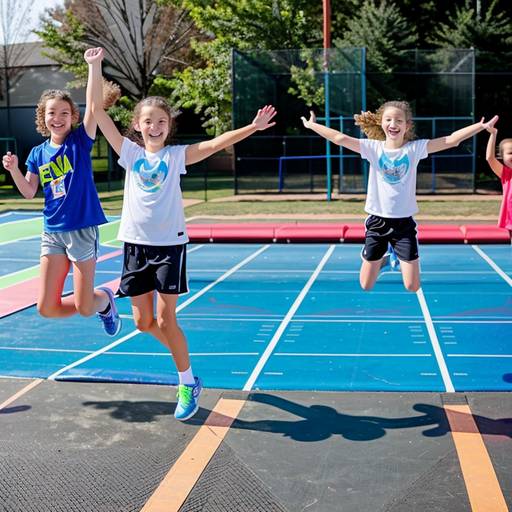
This lesson plan focuses on teaching 4th-grade students the importance of cardiovascular fitness through engaging activities designed to promote heart health. The session begins with a discussion about cardiovascular fitness, followed by a warm-up that includes jogging and dynamic stretches. Students then rotate through several activity stations, including a jump rope relay, a hula hoop challenge, a cardio dance party, and agility cone drills, all aimed at elevating their heart rates while having fun. The lesson concludes with a cool-down and reflection period, where students share their experiences and learn how to incorporate physical activity into their daily lives. The plan encourages participation and fosters a positive attitude toward fitness and health.
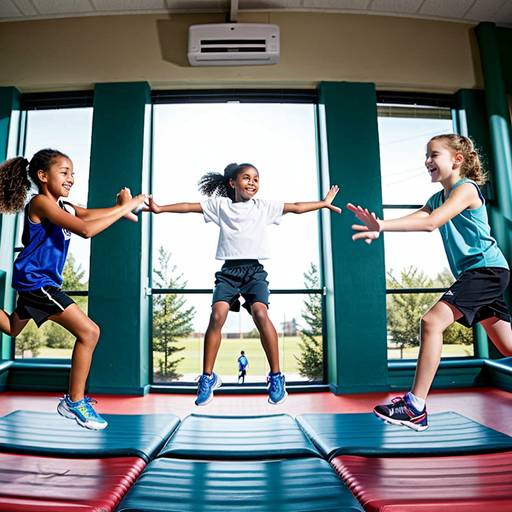
In this 45-minute physical education lesson designed for 3rd graders, students are introduced to the concept of cardiovascular fitness and its importance for overall health. The session begins with a warm-up that includes dynamic stretches and a fun rhythm-based dance to help students connect with their heart rates.
Students then participate in a series of five cardio activity stations, where they engage in jump roping, hula hooping, a relay race, a dance routine, and a freeze tag game. Each station lasts for five minutes, allowing students to experience various forms of aerobic exercise while developing teamwork and cooperation skills.
Following the main activities, a cool-down period includes static stretching and deep breathing to help lower heart rates. The lesson concludes with a group discussion, encouraging students to reflect on their experiences and the benefits of physical activity. Throughout the lesson, students are observed for engagement and understanding, while adaptations are provided to ensure all learners can participate effectively. Additionally, students are encouraged to set personal fitness goals and track their physical activities in the days following the lesson.

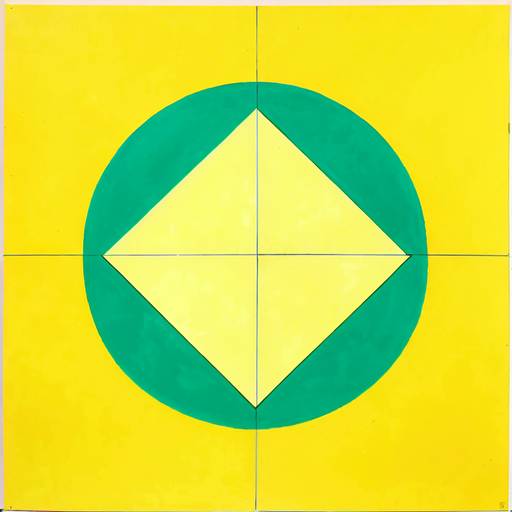
In this 5th-grade math lesson, students will explore the concept of angles and their classifications, focusing on acute, right, and obtuse angles. The lesson begins with an engaging discussion to activate prior knowledge, followed by direct instruction on identifying and measuring angles using a protractor.
During guided practice, students will work with worksheets to measure various angles, receiving support as needed. The interactive activity involves a scavenger hunt where students work in small groups to find and measure angles in their classroom environment, documenting their findings on chart paper. Each group will also create a poster displaying the shapes they discovered, labeling the angles accordingly.
The lesson concludes with group presentations, allowing students to share their discoveries and reinforce their understanding of angle types. Assessment will include observation during activities and a quiz to evaluate individual understanding. Modifications and extensions are provided to support diverse learning needs and explore additional geometric concepts. This lesson emphasizes hands-on learning and real-world application, fostering a comprehensive understanding of geometric angles.

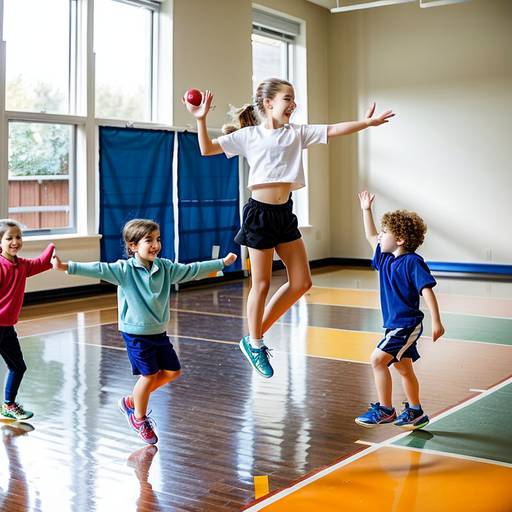
In this preschool physical education lesson, students will engage in a variety of activities focused on understanding and practicing healthy habits related to physical activity, nutrition, and hygiene. The session will begin with a brief introduction and a fun warm-up routine to get students moving.
Students will then rotate through four interactive stations: a nutrition sorting activity with play food, a physical activity obstacle course, a hygiene role-play station focused on handwashing and dental care, and a water station promoting hydration. After a short transition break, children will participate in a relay race that incorporates physical movements and nutrition knowledge questions, reinforcing their learning in a playful way.
The lesson will conclude with a cool-down period where students will reflect on what they learned, discussing their favorite healthy foods and the importance of exercise. Observations throughout the activities will help assess student participation and understanding. Families will receive a follow-up activity sheet to encourage continued discussion of healthy habits at home. This engaging lesson aims to instill lifelong healthy behaviors in preschoolers.
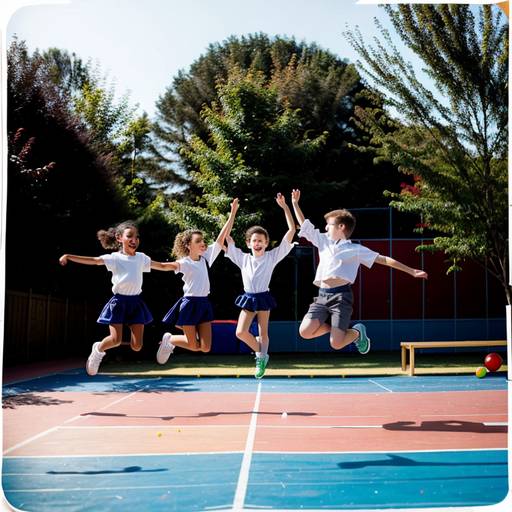
This 90-minute preschool physical education lesson focuses on encouraging active play through a variety of engaging activities that promote gross motor skills, coordination, and social interaction among young children. The lesson begins with a welcoming introduction and a warm-up routine that includes stretching and light movements set to music.
Throughout the main part of the lesson, students rotate through five activity stations that include a jumping challenge, hula hoop fun, ball tossing, parachute play, and imaginative dance. Each station is designed to enhance physical skills while keeping the children actively engaged. Following the stations, the lesson transitions into group games, including an obstacle course and freeze dance, to further encourage movement and creativity.
To conclude the session, children participate in calming breathing exercises and engage in a group discussion about their favorite activities, fostering reflection and social interaction. The lesson is designed to be inclusive and adaptable, ensuring that all children, regardless of ability, can participate safely and enjoyably. Positive reinforcement and observation are used to assess participation and enthusiasm, promoting a love for active play in preschoolers.
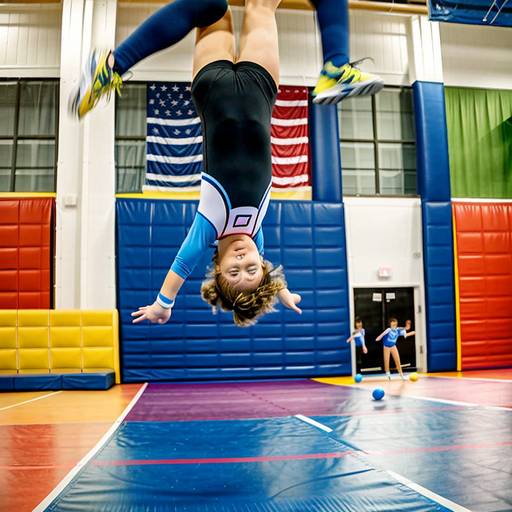
This lesson plan is designed for 4th-grade students in a physical education class, focusing on basic skills in gymnastics and sports. The objectives include developing physical skills such as jumping, rolling, and flipping safely, promoting good sportsmanship and teamwork, and building confidence in physical activities.
The lesson begins with an introduction that highlights the importance of gymnastics and sets safety rules. A dynamic warm-up follows, featuring fun movements to engage students. The class is then divided into small groups, rotating through three skill stations that emphasize tumbling, balance beam navigation, and hurdle jumping. Each station allows students to practice specific skills in a safe environment.
A relay race incorporates the skills learned at the stations, promoting teamwork and encouragement among students. The lesson concludes with a cool-down period that includes gentle stretching and a reflection session, where students can share their experiences and what they learned. Assessment is conducted through observation of participation, skill execution, and sportsmanship throughout the activities.
Adaptations are included to ensure all students can participate, with modifications for varying skill levels and physical abilities. The lesson emphasizes the enjoyment of movement and encourages students to practice their skills at home. Safety measures are prioritized, with close supervision during all activities to foster a positive and supportive learning environment.

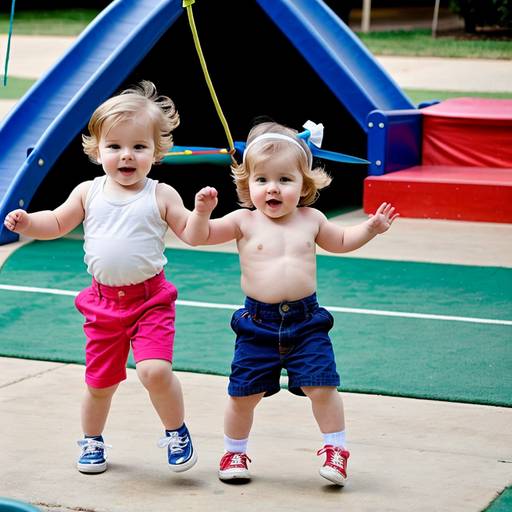
This lesson plan focuses on enhancing gross motor skills in toddlers through engaging jumping activities. Designed for children aged 2-4 years, it runs for 30-45 minutes and aims to improve coordination, balance, and body awareness while encouraging social interaction among peers. The session begins with a fun introduction and a jumping-themed song to get the children excited.
A warm-up includes simple stretches and animal-inspired movements to prepare their bodies for activity. The lesson features various stations, each emphasizing different jumping skills, such as jumping in and out of hula hoops, collecting bean bags, and jumping over cones. Children rotate through these stations in small groups, allowing for exploration and learning.
After the stations, a group jumping activity encourages cohesion and rhythm, followed by a cool-down period with stretches and deep breathing exercises to calm down after the energetic activities. The lesson concludes with a discussion about jumping experiences and a quiet song or story, reinforcing the day's learning and fostering a positive atmosphere. Evaluation is based on observation and positive reinforcement throughout the session, with suggestions for extending the learning experience at home.
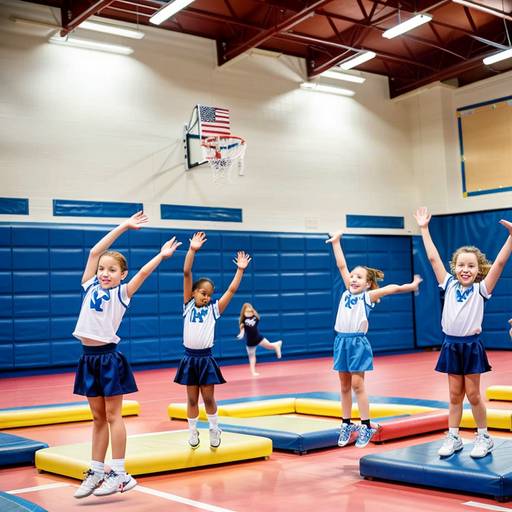
The lesson plan focuses on introducing first-grade students to basic gymnastics and sports-related activities designed to develop their motor skills. It begins with a warm-up session that includes stretching and fun movements to increase heart rates. Students learn fundamental gymnastic skills through demonstration and activities at various stations, where they practice forward rolls, balance beam walking, and log rolls. The lesson also incorporates sports skills, including hula hoop passing and navigating a simple obstacle course.
To wrap up the session, a cool-down period involves breathing exercises and gentle stretching, accompanied by a discussion about teamwork and personal reflections on the activities. Throughout the lesson, students are assessed on their participation and skill development, while safety measures are emphasized to ensure a secure learning environment. The overall goal is to create an engaging, supportive atmosphere that encourages movement, cooperation, and enjoyment of physical activity.
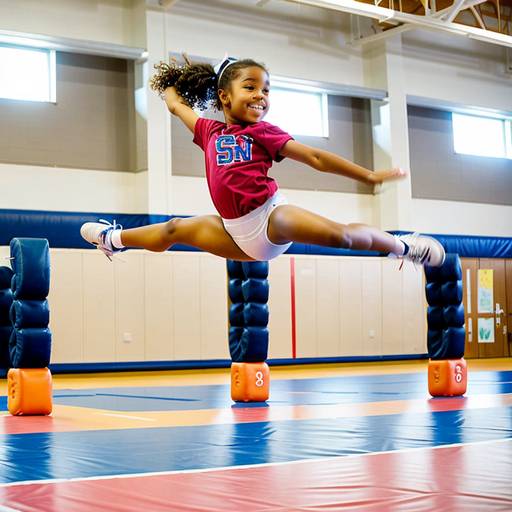
This Kindergarten physical education lesson plan focuses on introducing students to basic sports and gymnastics movements while fostering their coordination, balance, and teamwork skills. The session begins with a dynamic warm-up that incorporates stretching and fun movement activities to engage students. Following the warm-up, students participate in four activity stations that include gymnastics skills such as rolling and balancing, hula hoop challenges, ball skills with tossing and catching, and a relay race obstacle course. Each station encourages participation and interaction among peers.
After the activities, a cool-down period allows students to relax and reflect on their experiences, practicing deep breathing and gentle stretching. The teacher reinforces the importance of teamwork, physical fitness, and having fun while participating in sports and gymnastics. Throughout the lesson, students receive constructive feedback, and their enthusiasm and participation are observed for assessment purposes. The lesson concludes with a recap of the skills learned and an encouragement to practice at home, setting the stage for future learning about sports and teamwork. Adaptations are provided to accommodate varying abilities, ensuring an inclusive environment for all students.
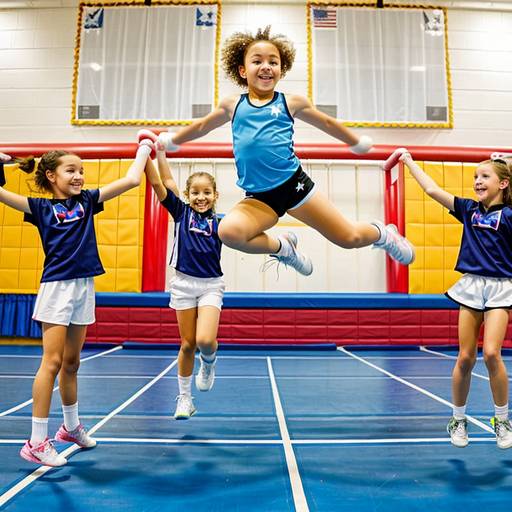
This lesson plan is designed for 2nd-grade students and focuses on introducing basic gymnastics movements alongside team sports activities. The session begins with a brief discussion on the importance of physical fitness and teamwork. After a dynamic warm-up involving stretching and movement games, students rotate through four engaging stations: practicing forward rolls, jumping over low hurdles, balancing on beams, and participating in a team relay race. Each station emphasizes skill development, cooperation, and communication among peers.
Following the rotations, students participate in a cooldown period with gentle stretching and a reflective discussion about their favorite activities and learnings from the day. The instructor assesses student participation and technique during the activities, providing supportive feedback. The lesson also accommodates various skill levels, ensuring all students can engage and progress at their own pace, while maintaining safety throughout. This plan aims to foster a love for physical activity and encourage lifelong healthy habits.