
Filters
Level
Grade
Subject
Subject Area
Subject Topic
Standard(s)
Audience
Keyword
DurationMinutes
Lesson Plans

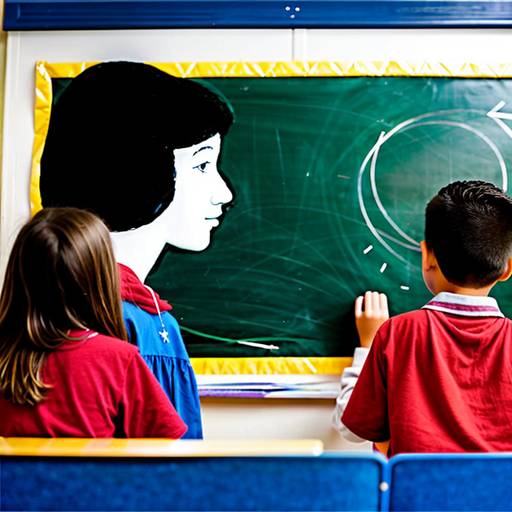
This lesson plan focuses on teaching 3rd-grade students the fundamental elements of storytelling, including characters, setting, and plot. The lesson begins with a group discussion to engage students in thinking about what makes a story compelling. The teacher then models the story creation process by collaboratively filling out a graphic organizer with students, demonstrating how to develop their own characters, settings, and plots.
Following this guided instruction, students complete their own graphic organizers in pairs, sharing their ideas and providing feedback to each other. Next, they independently write their own short stories using their developed concepts, encouraged to be imaginative and descriptive.
The lesson concludes with students sharing their stories aloud with the class, promoting oral presentation skills and positive peer feedback. Assessment consists of monitoring student participation, reviewing their graphic organizers and stories, and providing constructive feedback focused on creativity and storytelling skills. The plan also includes suggested extensions to further enhance student engagement and creativity through art integration.

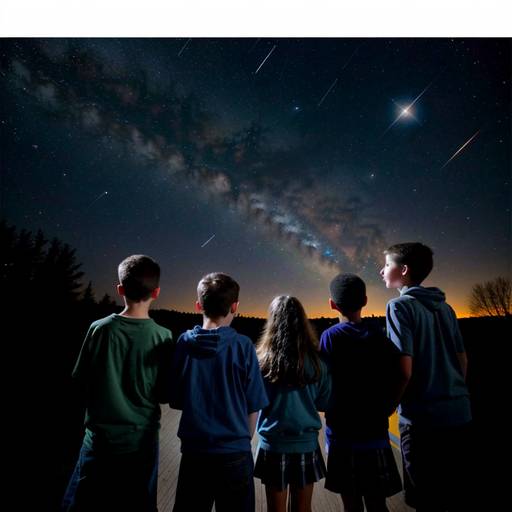
In this 5th-grade science lesson, students will embark on an engaging exploration of stars and constellations. The lesson begins with a discussion to gauge prior knowledge, followed by a presentation that covers the formation, types, and life cycles of stars, as well as the significance of constellations in history.
Students will then participate in an interactive activity where they use star charts or apps to locate and learn about various constellations, sharing interesting facts in small groups. The lesson continues with a creative component, where each student designs their own constellation and invents a story or myth to explain it.
In the conclusion, students share their creations with the class, fostering a reflective discussion about what they learned. For homework, they are encouraged to stargaze with family and report on their observations of constellations. The lesson assesses participation, creativity, and understanding through observations and presentation of their work, catering to diverse learning styles and promoting collaboration.
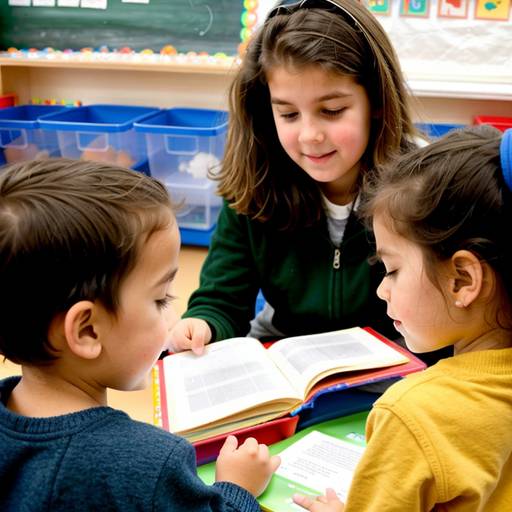
This preschool language lesson plan focuses on introducing emergent reading concepts to young children through engaging and interactive activities over a 35-minute duration. The session begins with a warm welcome and a discussion about the importance of reading. A large picture book is read aloud to the class with expressive storytelling, inviting participation from students through predictions and repeated phrases.
Following the read-aloud, students explore letter recognition and sounds through flashcards, engaging in a call-and-response activity to reinforce the letters and their associated sounds. This is complemented by an interactive game where children jump to the correct letter based on verbal prompts.
Phonemic awareness is further developed through a rhyming game, where students suggest words that rhyme with a given example, accompanied by a fun song that encourages movement. The lesson continues with vocabulary building, where key words from the read-aloud are introduced, allowing children to act them out in a playful manner.
The lesson concludes with a reflection period, where students share their favorite parts and newfound knowledge. Throughout the session, the emphasis is placed on fostering excitement about reading and encouraging exploration of books both in class and at home. Assessment is based on observation of engagement and understanding, with potential extensions to further support literacy development. Overall, the lesson aims to create a joyful and supportive environment for children to begin their journey into reading.

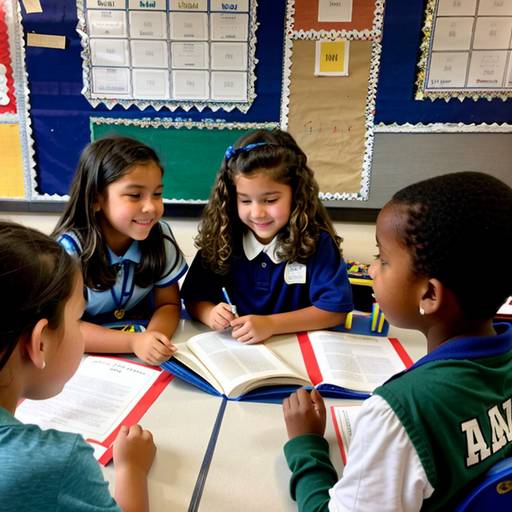
In this 2nd-grade social studies lesson, students will explore significant historical figures and their contributions to society, enhancing their understanding of history's impact on the present. The lesson begins with a class discussion about the importance of history, followed by a read-aloud of a biography about a notable figure. Students will then work in small groups to research their assigned historical figure using provided worksheets, which guide them in noting key information about the individual's life and contributions.
After conducting their research, each group will create a visual timeline illustrating important events related to their figure. Once complete, they will present their findings to the class, fostering skills in summarization and peer interaction. The lesson concludes with a reflective discussion where students share insights gained from each other's presentations and consider how these historical figures influence our lives today. Assessment will include observation of group work and the collection of worksheets to evaluate comprehension. Extensions to the lesson include creative writing activities and the creation of a class display. The lesson aims to promote inclusivity by featuring a diverse range of historical figures.
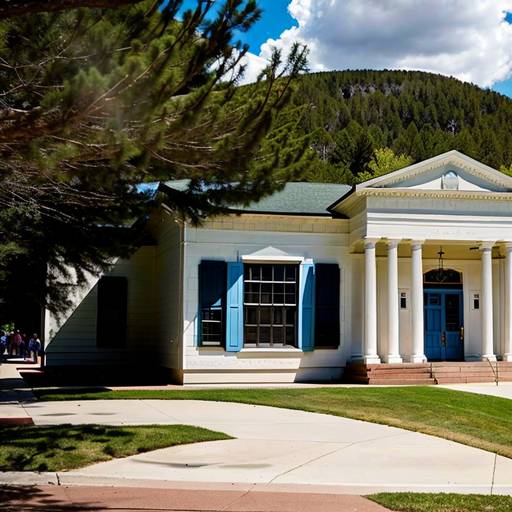
In this 3rd-grade social studies lesson, students will explore significant historical landmarks in the United States and understand their importance in American history. The lesson begins with a discussion of students' experiences at historical sites, followed by a presentation that introduces various landmarks. Students will be divided into small groups, each assigned a specific landmark to research and present to the class. After the presentations, students will engage in a creative project where they will build a simple model or artifact representing their assigned landmark. The lesson concludes with a discussion about the importance of preserving history. Assessment will focus on group participation, creativity in projects, and the effectiveness of their presentations. Extensions include a reflective writing assignment and the possibility of organizing a field trip to a local historical site.

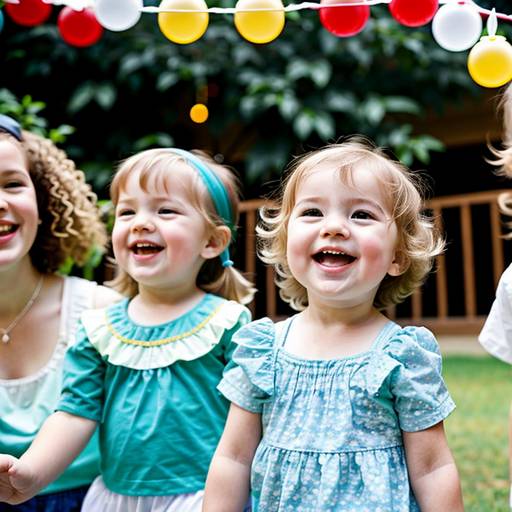
This lesson plan is designed for toddlers aged 2-4, focusing on the exploration of music through singing and movement. The session begins with a welcoming circle and a warm-up activity that incorporates stretches and a greeting song. Children engage in singing familiar songs, such as "The Wheels on the Bus" and "If You’re Happy and You Know It," while mimicking actions that enhance their physical coordination and rhythm. During a movement break, they are encouraged to dance freely with scarves or ribbons. The plan also includes a segment for instrument exploration, allowing children to shake maracas or tambourines to the beat of lively music. The lesson concludes with a calm cool-down period, where children reflect on their favorite activities, promoting relaxation and mindfulness. Throughout the session, emphasis is placed on engagement, participation, and fostering a love for music and movement.

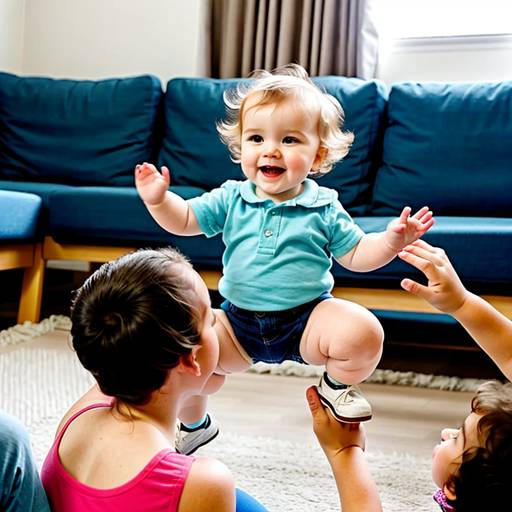
This lesson plan focuses on enhancing early language development in infants through the use of rhymes and rhythmic activities. Designed for infants aged 6 to 24 months, the session aims to improve auditory processing and sound recognition in a playful environment.
The lesson starts with a warm welcome and an introductory sing-along that engages both infants and caregivers. Participants then experience a read-aloud session using rhythmic picture books, allowing caregivers to help stimulate visual and auditory engagement. Following this, movement and music are integrated with nursery rhymes, encouraging active participation through song and rhythm using soft instruments.
Colorful scarves are introduced for a dynamic activity where caregivers and infants explore gestures linked to familiar rhymes, enhancing physical connection and expression. The session concludes with a storytime that incorporates plush toys or puppets, fostering a sense of warmth and interaction. Caregivers are encouraged to share their observations, and resources for rhyming books and songs are provided for further exploration at home.
Overall, this lesson seeks to create a nurturing space for language growth, bonding, and fun, laying the foundation for effective communication skills as infants develop.
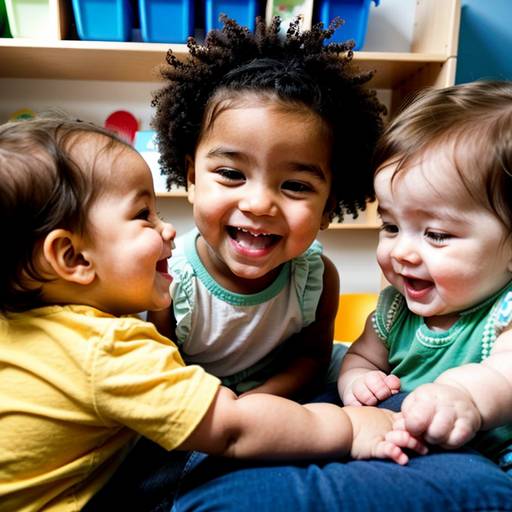
This lesson focuses on fostering early language development in infants aged 6-12 months through engaging and playful babbling activities. It aims to encourage infants to experiment with sounds, enhance caregiver involvement, and create a joyful environment for sound exploration. The session begins with a welcoming introduction where the importance of babbling is explained.
It includes five key activities: a warm-up sound circle where caregivers and infants mimic various sounds, a musical exploration segment with soft instruments for vocal play, and an interactive game involving sound and movement with colorful scarves. Additionally, there is a story time involving sound books that invite infants to explore textures and noises, followed by a calming cool-down activity.
Throughout the lesson, caregivers are encouraged to actively engage with their infants, promoting a sense of connection and shared enjoyment. The effectiveness of the session is assessed by observing infants' engagement and vocalizations, while caregivers are invited to share their observations. As a follow-up, resources are provided to help caregivers continue promoting sound exploration and babbling in their everyday routines.
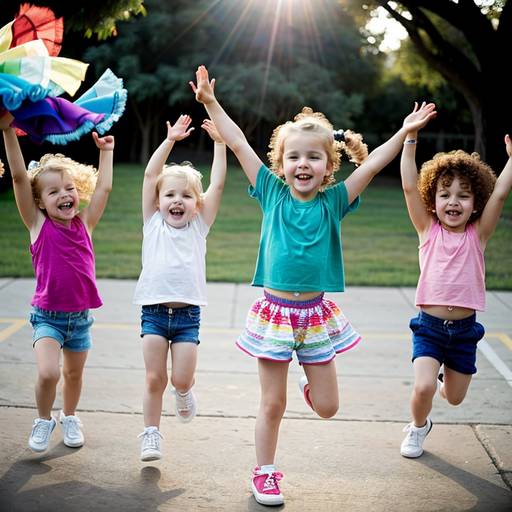
In this dynamic toddler music and movement lesson plan, children aged 2 to 4 will explore dance through engaging activities designed to enhance their gross motor skills, rhythm awareness, and creativity. The session begins with a welcome circle where students sing a familiar tune to warm up. They will then participate in a movement warm-up that includes animal-inspired actions to ignite their imaginations.
The lesson includes interactive dance exploration, where toddlers will mimic various animals in response to music, promoting imaginative play. Following this, children will engage with percussion instruments, allowing them to create their own rhythms and develop a sense of timing.
Next, participants will enjoy a scarf dance, moving freely to the music while using scarves or ribbons, which encourages self-expression. As the lesson comes to a close, a cool-down routine with gentle stretches and deep breathing will help transition them back to calmness. The session concludes with a goodbye circle, reinforcing community and camaraderie among the students.
Throughout the lesson, facilitators will observe children’s participation and engagement, making note of individual interests and comfort levels to create a supportive and encouraging atmosphere for movement and expression.

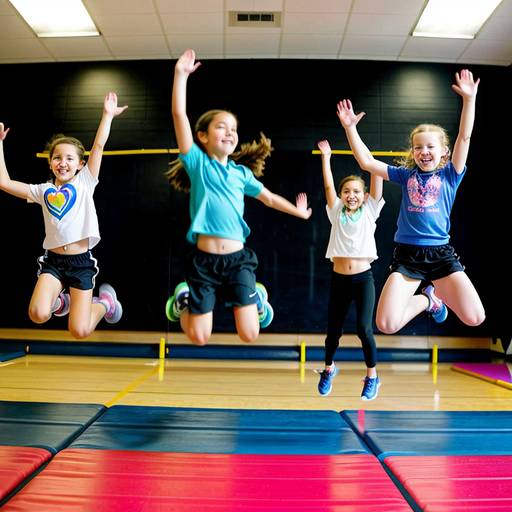
In this 1st-grade physical education lesson plan, students will engage in a 30-minute session focused on fitness and cardio through a series of fun and interactive activities. The lesson begins with a warm-up involving dynamic movements led by the teacher. Students will then learn about cardio exercise and its importance for heart health and physical activity.
The main part of the lesson includes two engaging activities: a jump rope challenge where pairs of students compete to see how many jumps they can accomplish together, and hula hoop fun, where students rotate through different hoops performing various cardio exercises. The class concludes with a cool-down session involving gentle stretches, allowing students to relax and discuss their heart rates after the activities.
Throughout the lesson, the teacher will monitor participation and engagement, providing positive reinforcement and adapting activities for varying skill levels. The session aims to promote teamwork, understanding of fitness, and the importance of staying active. Students will walk away with practical ways to incorporate movement into their daily lives.