
Filters
Level
Grade
Subject
Subject Area
Subject Topic
Standard(s)
Audience
Keyword
DurationMinutes
Lesson Plans

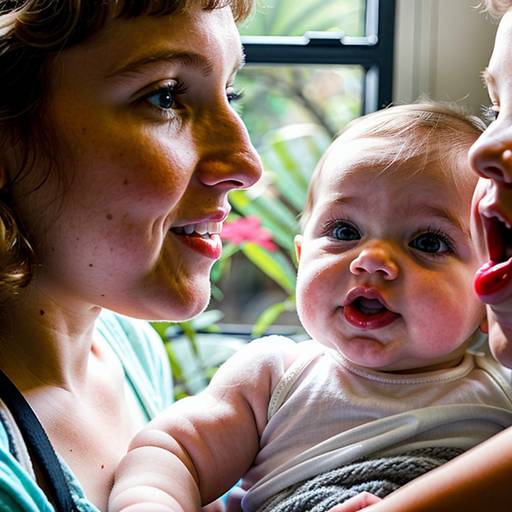
This lesson plan is designed for infants aged 6 to 12 months to facilitate sensory development through exploration of various textures. The session lasts 30-45 minutes and begins with a warm introduction and a welcome song to create an inviting atmosphere. Infants will engage in hands-on exploration at multiple sensory stations, each featuring different textured materials, such as soft fabrics, smooth stones, and rough surfaces. Caregivers will assist by guiding their infants through interactions and describing the textures in simple terms.
Following the exploration, a group discussion will allow infants to share their experiences while observing their reflections in a baby-safe mirror. The session will then incorporate a creative activity where infants can engage in finger painting on textured surfaces, enhancing their tactile experience. To conclude, calming instrumental music will play while caregivers help relax their infants through gentle motions or massages, reinforcing the textures they’ve learned about. The lesson aims to promote fine motor skills, sensory awareness, and bonding between infants and caregivers in a safe and engaging environment.

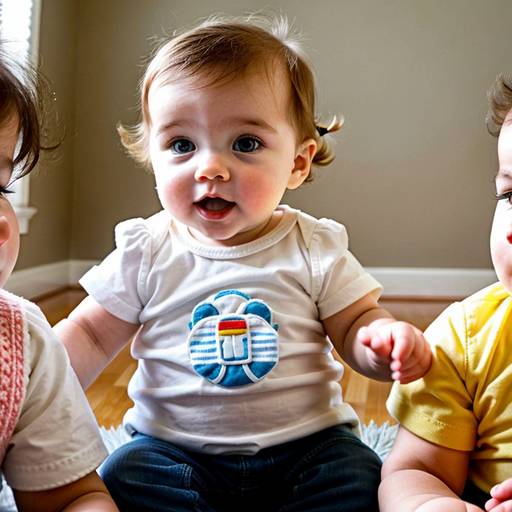
This lesson plan focuses on facilitating cognitive development in infants, specifically targeting memory skills through engaging and interactive activities. Designed for a group of infants and their caregivers, the session includes sensory exploration with colorful toys and props, helping infants to stimulate their senses and form associations. Caregivers guide their infants through a memory game using familiar images, enhancing recognition and recall abilities.
Storytime incorporates repetitive rhymes from board books to reinforce memory through rhythm and sound, while a movement activity encourages infants to respond to auditory stimuli, further promoting recognition. The plan concludes with a reflective discussion where caregivers can share insights about their infants' engagement, and offers strategies for enhancing memory development at home. Overall, the lesson aims to create a fun, supportive environment for infants and caregivers to explore the foundations of memory and promote positive learning experiences.

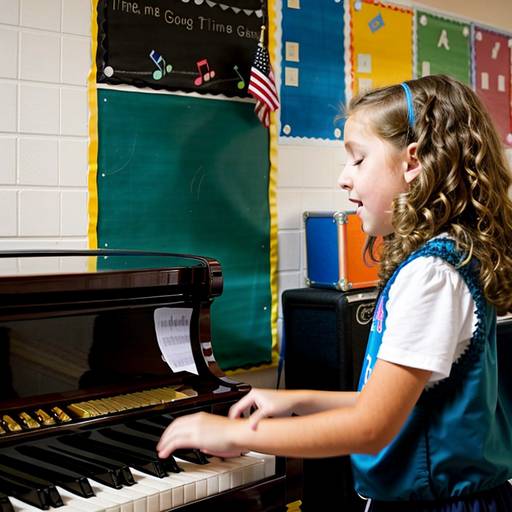
In this engaging lesson designed for 4th-grade students, learners will explore major music periods including Baroque, Classical, Romantic, and Modern. The class will begin with a discussion on the importance of music history, followed by listening activities featuring notable pieces from each era. Students will then work in small groups to create visual timelines that highlight key composers, significant works, and defining characteristics of their assigned music period. This interactive approach encourages creativity and collaboration as students present their timelines to the class. The lesson concludes with a reflection on the students' favorite pieces and the relevance of these historical periods to contemporary music. Assessment will focus on group presentations and participation, with optional extension activities for further exploration of composers and their influence on music.

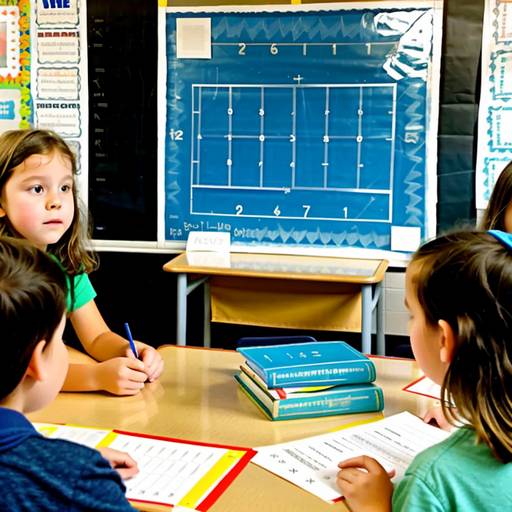
In this 60-minute math lesson for 3rd graders, students will explore the concept of time and learn how to calculate elapsed time. The lesson begins with a discussion about the importance of time and real-life examples of when certain activities occur. Through direct instruction, students will learn to read time on a clock and understand how to determine the duration between two events.
During guided practice, they will work in pairs with scenario cards to find the elapsed time, reinforcing their understanding with hands-on activities. Afterward, students will complete independent worksheets with various problems related to elapsed time, including clock drawings and word problems.
The lesson wraps up with a review of student answers and a discussion on how knowing about elapsed time is beneficial in their daily lives. Optional extension activities include creating original time-related story problems and using timers to track classroom activities. Assessment will be conducted through observation during practice and through the evaluation of independent worksheets. Overall, the lesson aims to engage students and provide practical applications of time concepts in their everyday experiences.
In this music lesson for 3rd graders, students explore the evolution of music through three key historical periods: Baroque, Classical, and Romantic. The lesson begins with a discussion on the significance of music and different styles. Students listen to audio clips from each period, learning about notable composers, unique characteristics, and common instruments associated with each era. They then engage in a group activity, where they create presentations that include illustrations and key facts about their assigned music period. Following the presentations, the class wraps up with a recap and a fun call-and-response rhythm activity. Assessment focuses on students' participation, collaboration in groups, and their ability to identify important elements of the music periods discussed. Additional modifications and extensions are provided to accommodate different learning needs and deepen students’ engagement with music history.

In this 4th-grade social studies lesson, students will explore significant historical events in their local community to understand the impact of these events on their present lives. The lesson begins with a discussion to activate prior knowledge about history and its importance. Students will then learn about key local events through visual aids, followed by small group research on assigned topics. Each group will present their findings to the class. For an independent activity, students will create a timeline highlighting three important local events, complete with illustrations and descriptions. The lesson concludes with student presentations and a reflection on how local history connects to broader historical narratives. Assessment will include observing participation, evaluating the timelines, and collecting exit tickets for further insight into student learning. Extensions such as field trips and guest speakers will provide additional engagement with local history.
This 5th-grade social studies lesson focuses on important events in U.S. history, emphasizing the significance of understanding our heritage and its relevance to contemporary society. Students will explore selected historical events by analyzing primary sources in small groups, discussing the key figures involved, and reflecting on the impact these events have on current life. Each group will present their findings to the class, fostering discussion and engagement. The lesson concludes with students reflecting on their learning through sticky notes and a brief homework assignment, allowing them to connect history to their personal experiences. By participating in this interactive lesson, students will enhance their understanding of American history and develop critical thinking skills.

In this art lesson for 3rd graders, students will explore ancient art from various cultures, learning about the styles, materials, and purposes behind these historical artworks. The lesson begins with a discussion and visual presentation of ancient art forms, such as Egyptian hieroglyphs and Greek pottery, emphasizing their significance in storytelling and daily life. Following this introduction, students will engage in a creative activity where they design their own artwork inspired by ancient techniques, using drawing or sculpting methods.
As they create, students will think about symbols and meanings that resonate with them personally. The lesson concludes with a sharing circle where students present their creations, fostering discussion about their inspirations and the diversity of ideas. Assessment will be based on participation, creativity, and self-reflection. Extension activities, such as creating a classroom gallery and inviting discussions on students' cultural backgrounds in art, are also included. Adaptations are provided to support varying skill levels. Overall, the lesson aims to connect students to art history while encouraging their creativity and personal expression.
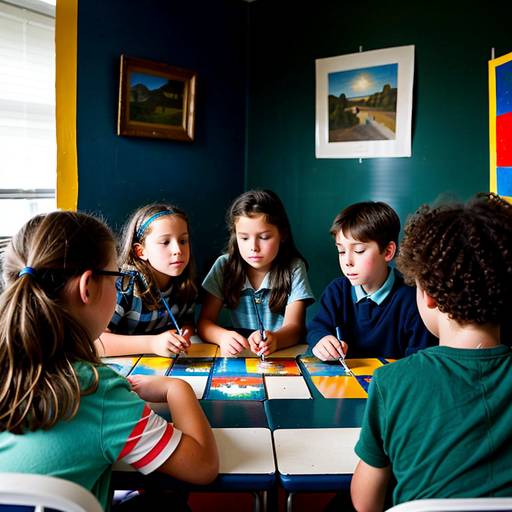
In this 3rd-grade art lesson, students embark on a journey to explore the lives and styles of three renowned artists: Vincent van Gogh, Frida Kahlo, and Pablo Picasso. The lesson begins with an engaging introduction to the importance of art in culture and history, followed by group work where students research their assigned artist, answer key questions, and prepare a presentation to share their findings with the class.
After learning about the artists, students engage in a creative activity where they create their own artwork inspired by the techniques and themes of the artists discussed. This hands-on experience encourages self-expression and allows students to apply what they have learned. The lesson concludes with a sharing session, allowing students to reflect on their creative process and the influence of the artists they studied. Displaying their artwork reinforces their connection to art history while celebrating their creativity. Throughout the lesson, students participate in discussions, collaborate in groups, and express their understanding through art, fostering a deeper appreciation for the world of art and its historical context.
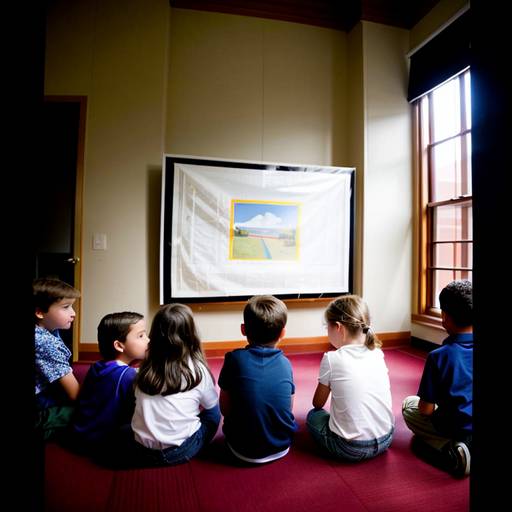
In this second-grade social studies lesson, students will learn about the concept of timelines and their importance in understanding history. The lesson begins with an engaging introduction where students discuss the meaning of history and explore significant historical events through visuals. They will then be guided in creating a simple timeline by modeling the process with personal life events, illustrating the sequence and significance of these occurrences.
During a group activity, students will collaborate to identify and order memorable events within their small groups, reinforcing their understanding of chronological order. Afterward, each student will have the opportunity to create their own personal timeline on a large piece of paper, illustrating at least 3-5 key events in their lives.
The lesson concludes with students sharing their timelines with peers, promoting reflection on their unique experiences while recognizing the diversity in personal histories. Assessment will involve observing participation and reviewing completed timelines to ensure students grasp the concept of chronological order. Extension activities may include creating a larger class timeline and involving families in documenting important events, further connecting personal and historical narratives.