
Filters
Level
Grade
Subject
Subject Area
Subject Topic
Standard(s)
Audience
Keyword
DurationMinutes
Lesson Plans

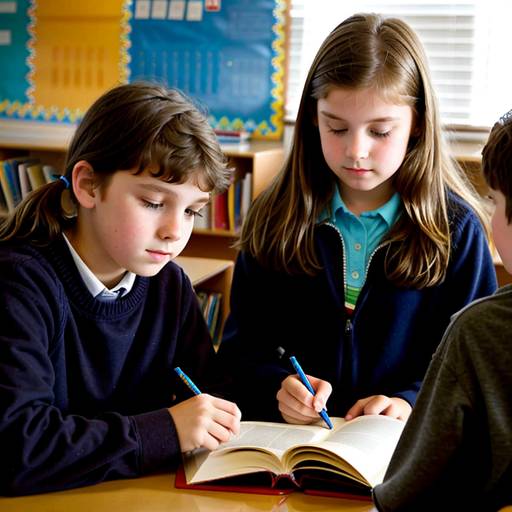
In this 5th Grade Language Arts lesson plan, students will enhance their reading and comprehension skills by identifying main ideas and themes within a text. The lesson begins with a discussion to define and differentiate between main ideas and themes. Students will read a selected story, either independently or as a class, while focusing on key story elements. Guided practice will involve filling out a graphic organizer to pinpoint the main idea and theme collaboratively. For independent practice, students will choose a theme from the story and write a paragraph supporting their choice with evidence from the text. The lesson will conclude with a few students sharing their findings, followed by a reflective writing assignment in their journals. Assessment will be based on the graphic organizers, written paragraphs, and participation in discussions. Extensions are provided for both advanced students and those needing additional support, ensuring a comprehensive approach to reading comprehension.
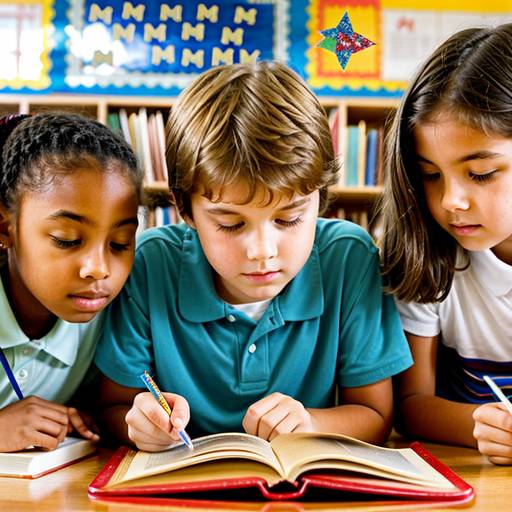
This lesson plan focuses on helping 3rd-grade students understand and identify various reading genres. It begins with an introduction to the concept of genres, followed by a read-aloud activity featuring examples from different types of literature, such as fiction, non-fiction, fantasy, mystery, and biography.
Students engage in a guided practice where they work in small groups to sort a selection of books into their respective genres and share their reasoning with the class. Afterward, they independently create a visual poster representing their favorite genre, including a description, examples, and illustrations. The lesson concludes with students presenting their posters, reinforcing their understanding of how recognizing different genres can enhance their reading experiences. Assessment is based on participation, collaboration, and creativity in the posters, with differentiation strategies provided for varied learning levels.
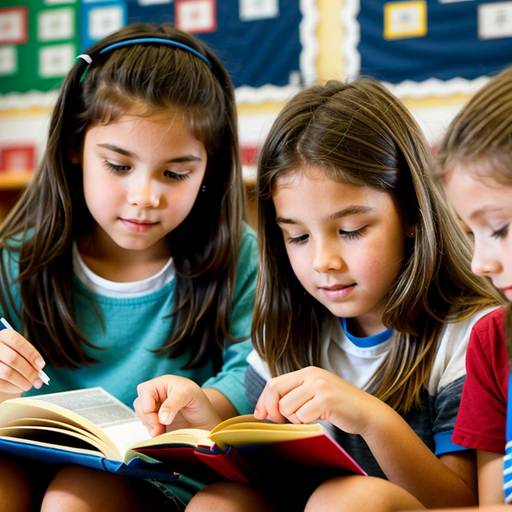
In this 3rd-grade language arts lesson, students will enhance their reading comprehension skills by exploring key story elements such as characters, setting, and plot. The lesson begins with an engaging discussion about favorite stories, followed by direct instruction on the importance of these elements. The teacher will read a selected story aloud, modeling how to fill out a graphic organizer with information gathered from the text.
Students will then participate in guided practice, where they continue reading the story and take notes about what they observe. Afterward, they will work independently or in pairs to read additional sections and document their thoughts on sticky notes. In the closure, the class will discuss the significance of understanding story elements and take a short comprehension quiz to assess their grasp of the material.
Overall, the lesson combines direct instruction, collaborative discussion, and independent work to foster a deeper understanding of reading comprehension through active engagement with literature.
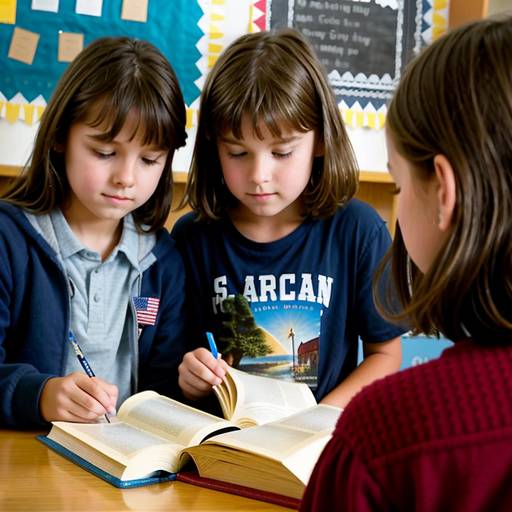
This 3rd Grade Language Arts lesson plan focuses on enhancing students’ reading skills through the use of key strategies: predicting, visualizing, and summarizing. The lesson begins with a discussion on what makes a good reader, followed by an introduction of the three strategies. Students will predict story outcomes based on the cover of a chosen text, "The Paper Crane," and will record their predictions on a chart. The teacher will read the story aloud, prompting students to visualize scenes and take notes, which they will later illustrate on a worksheet. After completing the reading, students will summarize the story using a structured template that highlights characters, setting, and main events. Through small group discussions, students will share their visualizations and summaries, fostering collaboration and feedback. The lesson concludes with a class reflection on the strategies used and their effectiveness in improving comprehension. Assessments will include monitoring participation and collecting charts and templates for evaluation. Additional homework will extend the learning by encouraging students to use the strategies with a book of their choice at home. Differentiation is included to support various learning needs. Overall, the lesson aims to engage students actively in their reading development and comprehension skills.

In this 5th-grade Earth science lesson, students will explore the rock cycle and the three main types of rocks: igneous, sedimentary, and metamorphic. The lesson begins with an engaging video introduction, followed by a discussion about different rock types and their characteristics. Students will then participate in a hands-on activity where they investigate rock samples, using magnifying glasses to observe their features and classify them. A creative project follows, in which students work in groups to create a mobile depicting the rock cycle, illustrating the processes that transform rocks. The lesson concludes with group presentations and reflections, along with an exit ticket to assess individual learning. Throughout the lesson, students are encouraged to collaborate and engage with the material, fostering a deeper understanding of geological processes. Extension opportunities include bringing in personal rock samples, planning field trips, and conducting research projects on geology.

This 5th-grade science lesson plan introduces students to the Solar System, focusing on the planets, their unique characteristics, and key concepts such as orbit, rotation, and revolution. The lesson begins with an engaging animated video and a class discussion to gauge prior knowledge. A PowerPoint presentation follows, providing essential information about each planet and other celestial bodies.
Students then work in groups to conduct research and create presentations about their assigned planet. In the second class period, they will create a scaled model of the Solar System using Styrofoam balls, painting and decorating their planets while understanding their position and distance from the Sun.
The lesson concludes with a gallery walk where students showcase their models and findings, encouraging questions and discussions. Assessment will be based on group presentations, participation, and the creativity of their models. Extensions include opportunities for storytelling or a virtual field trip, enhancing their learning experience and interest in astronomy.
In this engaging science lesson for 4th graders, students will explore the solar system and its eight planets. The lesson begins with a short video introduction, followed by a class discussion encouraging students to share what they already know about space. A presentation will then highlight the key characteristics of each planet, including their orbits around the Sun and the vast distances in space.
Students will then participate in a hands-on activity where they will work in small groups to create models of their assigned planets using various craft materials. They will arrange these models in order from the Sun, visually demonstrating the solar system's layout. Each group will present their planet to the class, sharing interesting facts, fostering collaboration and public speaking skills.
The lesson will conclude with a recap of the day’s activities and an open discussion, allowing students to reflect on what they found most interesting. Assessment will be based on participation, presentations, and worksheet reviews, with opportunities for extension through research projects on additional celestial objects. This lesson effectively combines visual aids, teamwork, and creativity to foster a deeper understanding of astronomy.
In this 3rd-grade science lesson, students will embark on an exploration of the solar system, focusing on the Sun and the eight planets, along with other celestial bodies. The lesson begins with an introduction that prompts students to share their existing knowledge about the solar system. Students will then work in small groups to research and present key facts about their assigned planet using fact cards.
Following the group discussions, students will participate in a hands-on activity where they create scale models of the planets using Styrofoam balls, which they will paint according to their planets' characteristics. These models will be used to construct a mobile or display that visually represents the solar system, emphasizing the order of the planets from the Sun.
The lesson concludes with a review of the information learned and a reflection session where students can share their favorite aspects of the solar system. Assessment will focus on participation, creativity in model-making, and the completion of worksheets. An extension activity encourages students to create digital presentations about their planets for future sharing. Overall, this lesson aims to engage students in learning about astronomy through interactive and collaborative activities.

This preschool science lesson introduces young children to the solar system, focusing on Earth as their home planet and providing a general overview of other planets. The lesson begins with an engaging introduction where kids discuss Earth and share their thoughts about it. A story is read to the group to further explore the solar system, followed by a discussion of each planet's unique characteristics.
Children then participate in a craft activity where they create their own imaginative planets using various art supplies, fostering creativity and fine motor skills. Next, they engage in a fun role-playing activity in a makeshift "space shuttle," encouraging active participation and physical movement while enjoying space-themed music.
The lesson concludes with a recap of what they've learned and a brief sharing session. Follow-up activities are suggested to reinforce learning, such as creating a solar system display in the classroom. Overall, the session aims to stimulate curiosity about space, promote creativity, and enhance understanding of basic astronomical concepts.
The lesson focuses on introducing kindergarten students to the basics of astronomy and the solar system. It begins with a read-aloud session featuring a picture book about space, sparking curiosity and encouraging students to share their thoughts. Following the read-aloud, students learn about the eight planets and the sun's role in the solar system through a visual poster and interactive discussion.
After this introduction, students engage in a creative art activity where they choose a planet to illustrate or model, incorporating unique features based on fun facts shared during the lesson. Once their art is complete, students participate in a "Planet Parade," where they present their artwork and facts to their classmates, promoting confidence and public speaking skills. The class concludes with a wrap-up discussion reflecting on what they've learned and why exploring space is important.
Assessment is conducted through observation of participation and the evaluation of their art projects, and opportunities for extension activities are also included. This engaging and hands-on approach helps foster a love for astronomy in young learners.