
Filters
Level
Grade
Subject
Subject Area
Subject Topic
Standard(s)
Audience
Keyword
DurationMinutes
Lesson Plans

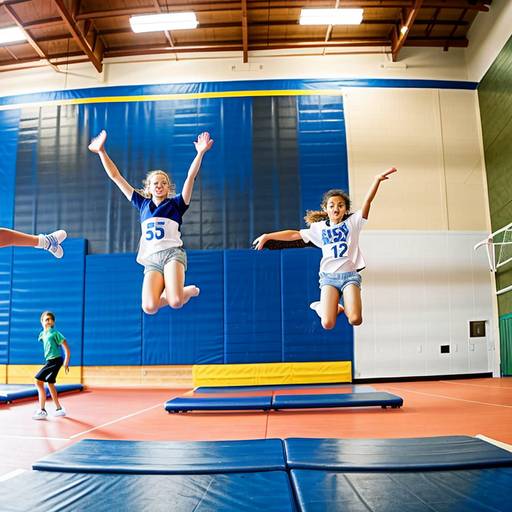
This 5th-grade physical education lesson focuses on introducing students to basic gymnastics skills and team sports, emphasizing cooperation and sportsmanship. The session begins with a warm-up that includes aerobic exercises and stretches. Students then rotate through skill development stations where they practice forward rolls, cartwheels, and balance exercises using gym mats and beams. Following the skills practice, students participate in a team sport, such as "Capture the Flag" or "Kickball," which fosters teamwork and strategic thinking. The lesson concludes with a guided cool-down and class discussion, encouraging students to reflect on their experiences and the importance of physical activity. Assessment is based on student participation and understanding of the skills practiced, with additional extension activities suggested for further development. Overall, the lesson promotes physical fitness, teamwork, and personal growth among students.
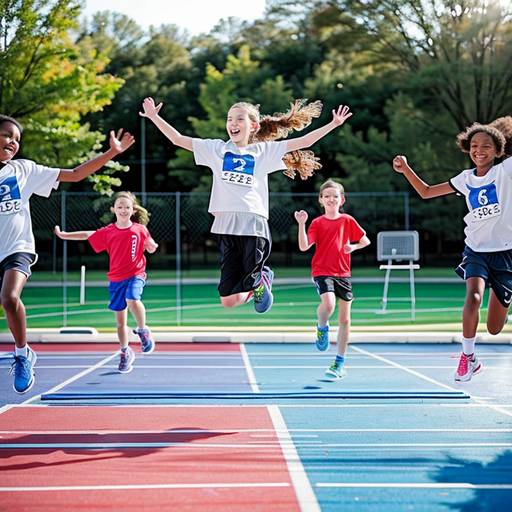
This 2nd-grade physical education lesson focuses on enhancing students' cardiovascular fitness through engaging and interactive activities. The session begins with a brief introduction to the importance of cardio fitness, followed by a warm-up that includes dynamic stretches and a fun "Follow the Leader" exercise to get the students moving.
The main component of the lesson consists of three cardio stations where small groups of students rotate through various activities: jump rope challenges, hula hooping, and cone relay races. Each station encourages teamwork, friendly competition, and physical activity.
After the main exercises, the lesson concludes with a cool-down routine involving slow stretches and breathing exercises, allowing students to reflect on their heart rates and feelings post-activity. The session wraps up with a discussion on the enjoyment of the activities and the importance of staying active.
Overall, the lesson promotes physical fitness while fostering cooperation and enthusiasm for exercise in a fun and supportive environment.

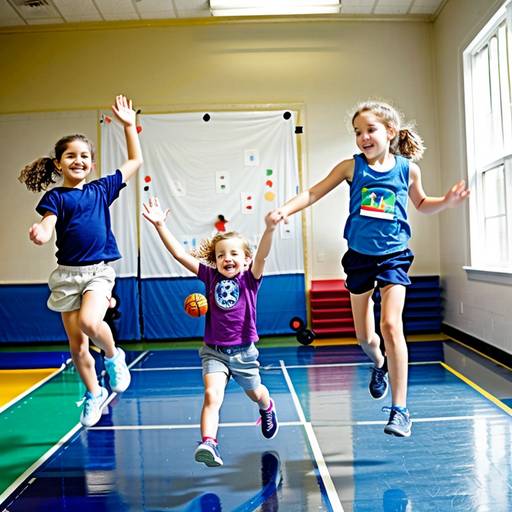
This preschool physical education lesson is designed to enhance gross motor skills through a series of engaging activities lasting 105 minutes. The session begins with an introduction that discusses gross motor skills and demonstrates basic movements. After a warm-up featuring fun animal-inspired movements and stretching exercises, children participate in five activity stations focusing on different aspects of gross motor skills. Activities include jumping over cones, navigating hula hoops, throwing bean bags at targets, engaging with a parachute, and completing an obstacle course, allowing for various levels of movement and skill development.
Following the station rotations, students participate in a group game that emphasizes cooperation and physical engagement. The session concludes with a cool-down period featuring deep breathing and gentle stretches, followed by a reflection segment where children share their favorite activities. The lesson promotes not only physical development but also social interaction and enjoyment of movement, ensuring students understand the importance of staying active. Extensions for the lesson may include inviting parents to participate or creating a movement challenge for practice at home. Overall, the lesson fosters a love for physical activity while improving coordination and motor skills among preschoolers.
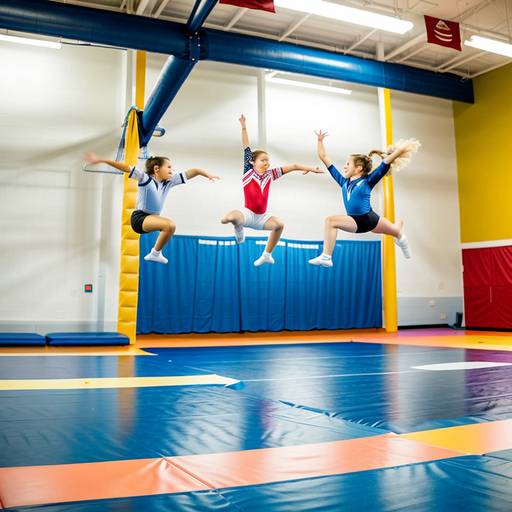
This 3rd-grade physical education lesson focuses on introducing students to basic gymnastics movements and promoting teamwork through simple sports activities. The session begins with a dynamic warm-up to prepare students for physical activity, followed by an explanation of the gymnastics skills to be practiced. Students engage in skill stations where they rotate through various exercises, including forward rolls, jumps, cartwheels, and balance practice on mats.
Following the gymnastics portion, students are divided into teams to participate in a fun, collaborative game that emphasizes communication and strategy. The lesson concludes with a cool-down period involving gentle stretching and a reflection discussion, allowing students to share their experiences and insights. Throughout the lesson, the importance of safety, collaboration, and enjoyment in physical activities is highlighted, creating a supportive and engaging environment for all participants. Assessment is based on observation and informal questioning to gauge participation and understanding.

This lesson plan focuses on teaching second-grade students how to understand and apply addition using a number line. The lesson begins with an engaging introduction that encourages students to share real-life examples of addition. The teacher then demonstrates how to use the number line, starting from a given number and making jumps forward to find the sum of addition problems.
Students participate in guided practice through small group activities, where they use flashcards to solve addition problems together, explaining their thought processes as they work. For independent practice, each student completes a worksheet that includes addition problems and a blank number line to demonstrate their understanding.
The lesson concludes with a review and reflection, allowing students to share what they learned. Assessment involves monitoring student participation during activities and reviewing worksheets for accuracy. The plan also includes modifications for students who need extra support, ensuring all learners can engage with the concept of addition on the number line effectively.
This Kindergarten math lesson focuses on introducing students to the concept of addition through the use of a number line. The lesson begins with a discussion about addition and a demonstration on how to move along the number line to find sums. Students engage in group activities using addition flashcards and manipulatives, practicing counting jumps on the number line collaboratively. After guided practice, they complete worksheets independently, illustrating their understanding of addition with number lines. The lesson concludes with a review and an exit ticket activity that assesses retention of the concepts learned. Accommodations are provided for students who need extra support, while extensions are available for those ready to explore more complex concepts. Overall, the lesson aims to create a hands-on and interactive learning environment that fosters a solid foundation in addition.
This 1st-grade math lesson focuses on teaching students how to perform addition using a number line. The objective is for students to understand the concept of "jumping" along the number line to find sums, enabling them to solve addition problems effectively.
The lesson begins with a warm-up activity that involves counting to 20, followed by an introduction to the number line as a visual aid for addition. The teacher demonstrates how to add numbers by jumping along the number line, using simple equations for clarity. Guided practice allows students to engage interactively, taking turns to solve problems as a class.
Students then participate in a hands-on activity where they use counters and individual number lines to solve assigned addition problems collaboratively. This reinforces their understanding of the addition process. Following this, they complete worksheets independently, drawing their own number lines to illustrate their jumps and calculations.
The lesson concludes with a review where students share their answers and experiences, reinforcing their learning. Assessment occurs through observation during activities and the collection of completed worksheets, ensuring that understanding is measured effectively. Extensions are suggested for those who grasp the concept quickly, including introducing subtraction using the number line or incorporating a physical activity to reinforce learning. Overall, the lesson fosters a supportive learning environment that encourages participation and collaboration among students.
In this 1st-grade math lesson, students will explore the concept of multiplication through the idea of grouping objects. The lesson begins with an introduction to multiplication as repeated addition, using relatable examples from everyday life. Students will participate in a hands-on activity where they create groups of counters, allowing them to visualize and count the total.
Following this, the teacher will facilitate a group discussion, solving simple multiplication problems together while reinforcing the connection between grouping and counting. Students will then work independently on worksheets that feature straightforward multiplication problems and grouping exercises.
The lesson concludes with a review of the key concepts and a fun, musical activity to reinforce their learning. Throughout the session, student understanding will be assessed through observation and worksheet evaluation. Extensions for further reinforcing multiplication concepts are also included. By the end of the lesson, students will have a foundational grasp of multiplication as grouping, making the learning experience engaging and interactive.
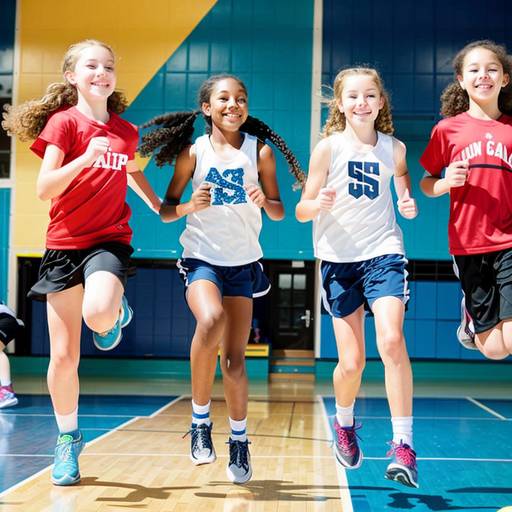
In this 5th-grade physical education lesson, students will explore the importance of cardiovascular fitness through a variety of engaging activities designed to improve their heart health and promote teamwork. The lesson begins with a dynamic warm-up that includes light jogging and stretches, followed by four interactive stations: jump rope, relay races, dance, and a fitness ladder, each focusing on aerobic exercises. After the station rotations, students participate in a cool-down that involves static stretches and breathing exercises to help lower their heart rates. The lesson concludes with a group discussion, allowing students to reflect on their experiences and the benefits of cardiovascular fitness. Assessment will be based on participation and effort, with opportunities for adaptations to ensure all students can engage meaningfully. Additionally, an extension activity encourages students to track their physical activities outside of school to foster a continued commitment to fitness.
This preschool physical education lesson focuses on introducing young children to healthy habits through an engaging and active curriculum. The lesson begins with a brief discussion about the importance of healthy habits, such as exercise, nutrition, and personal hygiene.
Students will warm up with an "Animal Movements" game to get them moving and energized. They will then participate in a fitness circuit featuring four stations: hula hooping for coordination, ball toss for hand-eye coordination, jump rope for timing, and an obstacle course emphasizing agility and healthy habit recognition.
After the circuit, there is a healthy snack break where students will discuss their favorite healthy foods and practice proper hand hygiene. Following the snack, a creative movement activity allows children to express themselves through dance while incorporating the healthy habits learned.
The lesson concludes with a reflection where students share what they enjoyed and learned, followed by a clean-up session that reinforces the importance of responsibility. Assessment will occur through observation and informal discussions about the concepts introduced. Extensions to the lesson can include a weekly habit challenge and collaboration with parents to reinforce learning at home. Overall, the objective is to instill a foundation of healthy habits in a fun and interactive environment.