
Filters
Level
Grade
Subject
Subject Area
Subject Topic
Standard(s)
Audience
Keyword
DurationMinutes
Lesson Plans
In this 5th-grade technology lesson, students will learn essential skills related to device maintenance and organization. The objectives include identifying basic maintenance practices, demonstrating effective digital file organization, and understanding the importance of keeping devices in good condition.
The class starts with a discussion on the challenges of finding files on disorganized devices, followed by an introduction to key maintenance tasks like battery care, software updates, and virus scans. Students will also explore strategies for organizing their digital files and folders.
Through a guided practice session, students will work on a maintenance checklist and create a structured folder system on their devices. They will then engage in independent practice to clean and organize their digital spaces. The lesson concludes with a reflection discussion where students share their thoughts and experiences.
Assessment will be based on observations during activities and the completion of the maintenance checklist. Extensions include creating tutorials for younger students on maintaining and organizing devices and providing additional resources on cybersecurity.
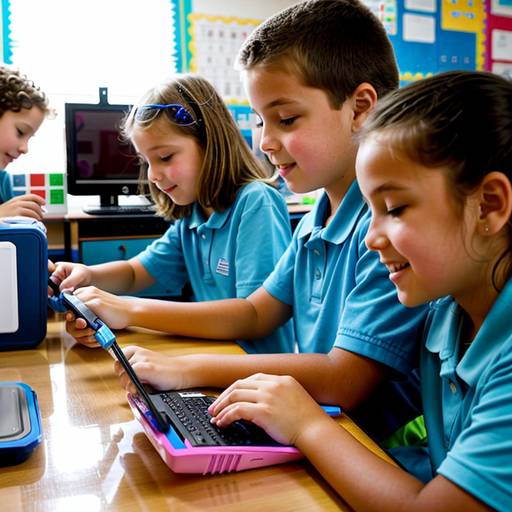
In this 4th-grade technology lesson, students will learn the importance of maintaining and cleaning their devices, such as tablets and laptops, for optimal performance and longevity. The lesson begins with a discussion on the types of devices they use and why maintenance is crucial, followed by a demonstration of proper cleaning techniques. Students will participate in hands-on activities at various cleaning stations, practicing proper cleaning methods with provided materials. The lesson concludes with a group reflection to reinforce their understanding of device care. Additionally, students will receive take-home handouts with cleaning tips, and there will be opportunities for further extension activities to promote ongoing responsibility for their devices. Assessment will include observation of student engagement and a quick exit ticket to gauge learning outcomes.
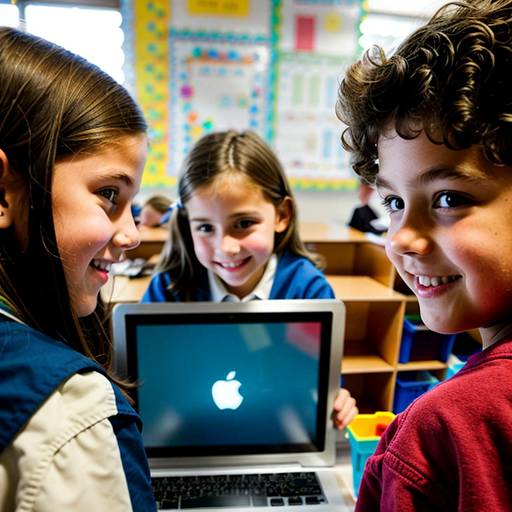
This 2nd-grade technology lesson focuses on teaching students the importance of device maintenance and effective cleaning techniques for their personal and classroom technology. The lesson begins with a discussion about the various devices used in their daily lives and the consequences of not maintaining them. Students will then receive a demonstration of proper cleaning steps using microfiber cloths and non-toxic cleaners, highlighting what should be avoided.
In small groups, students will practice role-playing the cleaning process using illustrated guides, reinforcing their understanding of the steps involved. They will also have the opportunity to reflect individually by drawing their favorite device and writing a sentence about the importance of keeping it clean.
The lesson concludes with a review of key points and an open Q&A session, ensuring that students grasp the significance of cleanliness in technology. Assessment will be conducted through observation of group activities and review of their reflection worksheets. Extensions include creating a "Device Maintenance Tips" poster and planning a tech clean-up day to promote responsibility for classroom devices. Overall, students will leave equipped with the knowledge and skills to maintain their devices effectively.
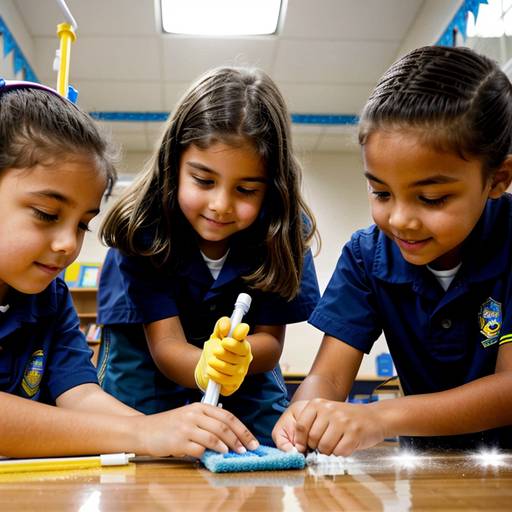
This lesson plan for 1st-grade students focuses on the importance of device maintenance and proper cleaning techniques for technology. The 30-minute session begins with a discussion about the devices used in the classroom, emphasizing the need for cleanliness to ensure they function effectively. A demonstration outlines safe cleaning practices, including how to use microfiber cloths and appropriate cleaning solutions without damaging the devices.
Students then practice these techniques in pairs, with guidance provided as they clean designated devices. The lesson concludes with a reflection where students share their thoughts on the cleaning process and learn the significance of establishing a “Tech Care Routine” at home. Participants receive stickers or certificates for their efforts, reinforcing their responsible habits for taking care of technology. Extensions include opportunities for creating educational posters and organizing regular cleaning days, promoting ongoing engagement and responsibility in device maintenance.
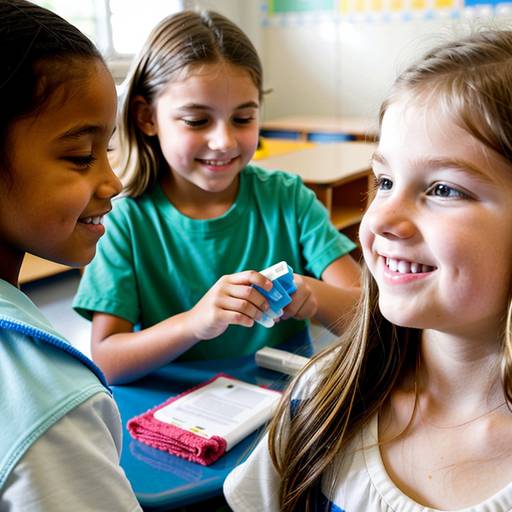
In this 2nd-grade technology lesson, students will learn essential skills related to device maintenance and organization. The class begins with a discussion about the importance of keeping technology clean and organized, fostering an understanding of responsibility. Students will participate in hands-on activities, where they will clean devices using microfiber cloths and organize accessories into labeled bins or bags.
The lesson incorporates collaborative work in pairs at different stations, emphasizing teamwork. At the end of the session, students will reflect on what they learned and share their experiences, reinforcing their understanding of proper device care. To celebrate their efforts, each student will receive a sticker for participation. This lesson not only teaches practical skills but also promotes responsible technology use and encourages good habits that students can carry into their home environments.
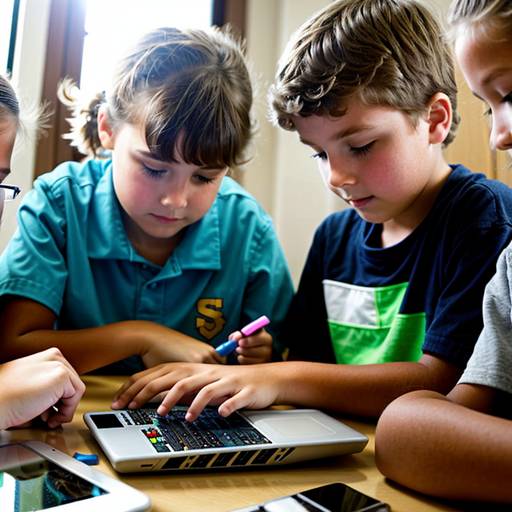
This 3rd-grade lesson plan focuses on teaching students the importance of maintaining and organizing their technology devices. The session begins with a discussion about the devices students use and the consequences of neglecting their care. After a brief video presentation, students receive direct instruction on properly cleaning their devices, troubleshooting common issues, and organizing apps, files, and cables.
The lesson includes guided practice where students clean their devices and organize their accessories using bins and labels. To reinforce their learning, students complete a printed checklist identifying key points and their plans for maintaining their devices. The lesson concludes with a sharing session where students discuss their takeaways. Assessment is done through observations during activities and the completed checklists. Possible extensions include creating a class poster with maintenance tips and a follow-up lesson on digital hygiene. Ultimately, the lesson aims to instill responsible digital habits and enhance the students' overall technology experience.
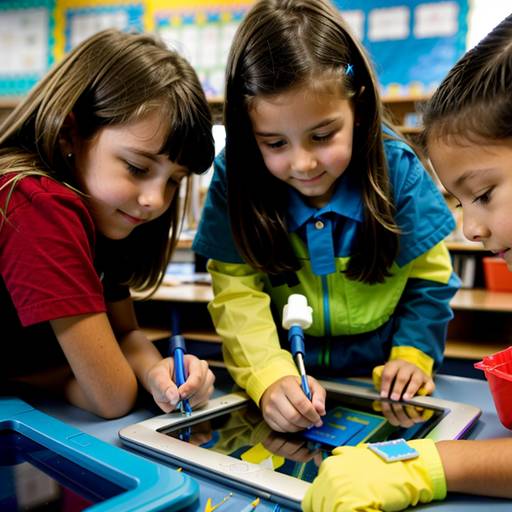
In this lesson designed for 3rd-grade students, the focus is on teaching the importance of maintaining and cleaning electronic devices. Students will learn safe cleaning practices, including which materials to use and what to avoid. The lesson begins with an interactive discussion where students share the devices they use and why proper care is essential. A demonstration of cleaning techniques will follow, guiding students in hands-on experience as they clean various classroom devices in small groups.
Students will also create a personalized maintenance checklist for their devices, which includes cleaning and maintenance tasks, encouraging them to adopt responsible habits at home. The session concludes with a recap of key points and an opportunity for students to share what they learned. Assessment will involve observing students during the cleaning practice and reviewing their checklists to ensure comprehension of the concepts covered. Extensions may include creating informational posters and scheduling regular device cleaning days. Overall, the lesson aims to foster a sense of responsibility for technology among students.
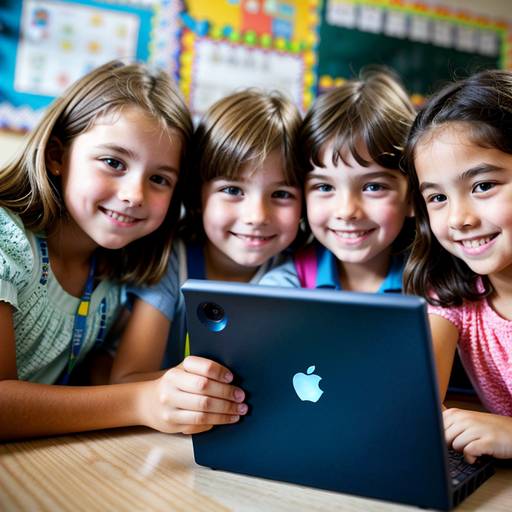
This 1st-grade technology lesson focuses on teaching students the importance of proper device maintenance and handling techniques. The lesson begins with an engaging discussion about the components of devices and the significance of caring for them. Through visual aids, students learn how to safely pick up and use tablets or laptops, highlighting the need to keep devices away from food and drinks while seated. The teacher demonstrates simple maintenance tasks such as cleaning screens.
Students then participate in role-playing exercises to practice these techniques in pairs, reinforcing their understanding through hands-on experience. They also receive a Device Maintenance Checklist to identify the care routines they will follow. Independent practice involves drawing illustrations that depict both proper and improper device usage alongside sentences explaining the importance of device care.
The lesson concludes with a sharing session, where students present their drawings and reflect on their learning, receiving stickers for their efforts. Assessment occurs through observation during role play and review of students' drawings and written sentences. Overall, the lesson aims to cultivate a sense of responsibility among students regarding their interaction with technology, paving the way for safe and effective usage in the future.

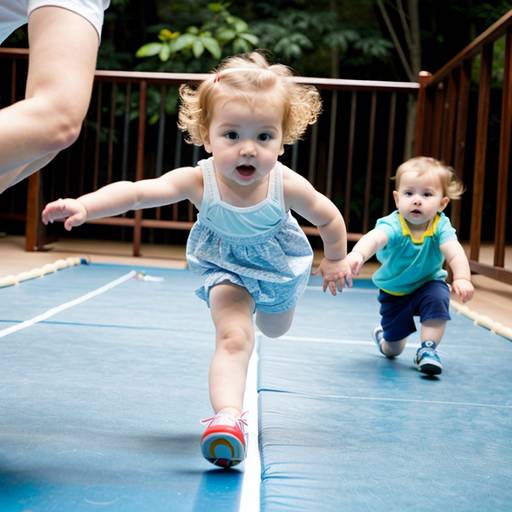
In this gross motor skills lesson plan designed for toddlers aged 2-4, students engage in fun activities that promote kicking as a means to enhance coordination and balance. The session begins with an energizing warm-up that includes an action song and simple stretches, followed by a demonstration of proper kicking techniques.
The main activities include a relay race where children practice kicking balls toward a target, which fosters teamwork and excitement. Students also participate in a playful "kick and roll" activity where they explore kicking balls in various directions and distances.
The lesson concludes with a cool-down period, providing an opportunity for students to reflect on their experiences and share their favorite parts while doing gentle stretches. Safety is prioritized throughout the session, ensuring a supportive environment for all participants. Observations during the activities help assess student engagement and skill development. Adaptations are made available for varying skill levels to ensure inclusivity.

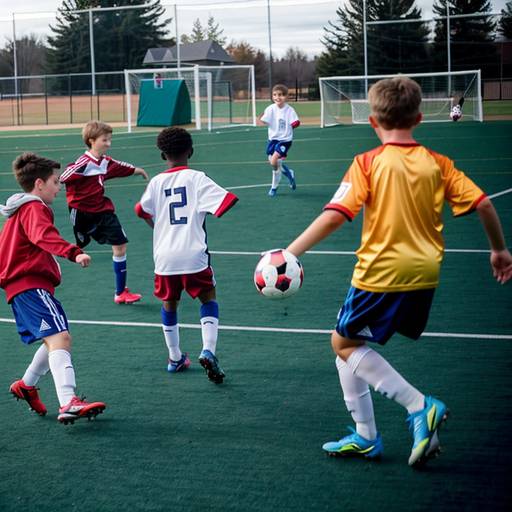
This lesson plan for 3rd-grade physical education focuses on introducing students to the fundamentals of soccer through engaging activities. The lesson begins with a discussion about the sport's basic rules and objectives, followed by a warm-up relay activity that promotes dribbling skills. Students then rotate through skill development stations to practice passing, shooting, and dribbling techniques. The lesson culminates in a mini soccer scrimmage, allowing students to apply what they've learned in a game setting while fostering teamwork and sportsmanship. Finally, the lesson concludes with a cool-down discussion to reflect on their experiences and learning outcomes. Throughout the session, the emphasis is placed on participation, skill development, and fun, ensuring a positive introduction to soccer for all students.