
Filters
Level
Grade
Subject
Subject Area
Subject Topic
Standard(s)
Audience
Keyword
DurationMinutes
Lesson Plans

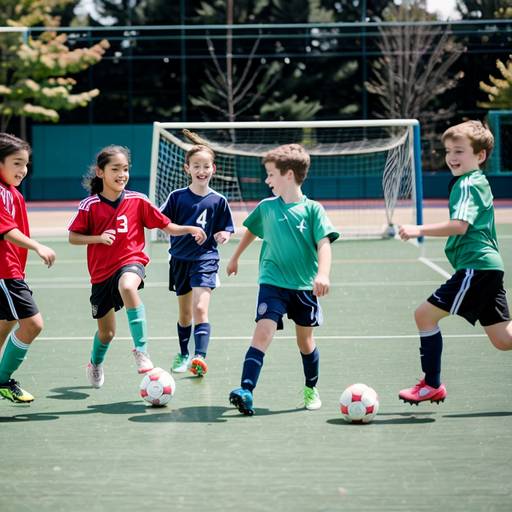
In this lesson plan designed for first-grade students, the focus is on introducing them to the fundamental skills of soccer, including dribbling, passing, and shooting, while promoting teamwork and physical activity. The session begins with a warm-up involving dynamic stretches and movement games to get students energized.
Students then engage in individual and partner drills to practice dribbling through a zigzag course, passing the ball back and forth, and shooting into mini-goals. Following skill development, the class is divided into two teams for a mini soccer game, encouraging cooperation and strategy. The lesson concludes with a cool-down period that includes gentle stretches and a class discussion about their experiences and learnings during the activities.
Assessment focuses on observing participation and skill adherence, while adaptations are suggested to accommodate varying skill levels. Overall, the lesson aims to instill a love for soccer and physical fitness in young learners.
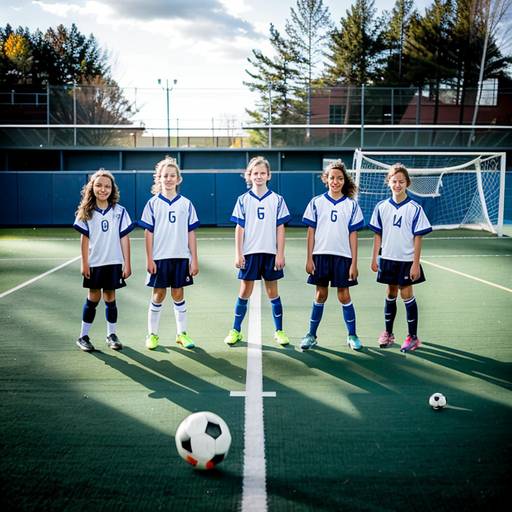
This second-grade physical education lesson plan focuses on introducing students to the fundamentals of soccer. The lesson aims to teach basic rules and objectives of the game while enabling students to develop essential skills such as dribbling, passing, and shooting.
The session begins with a brief introduction to soccer rules, followed by a dynamic warm-up. Students then rotate through skill development stations, where they practice dribbling through cones, passing with partners, and shooting at a small goal.
Next, students engage in small-sided games to apply their skills in a team setting, promoting cooperation and sportsmanship. The lesson concludes with a cool-down and reflection, allowing students to share their experiences and favorite moments. Throughout the lesson, emphasis is placed on positive participation, safety, and encouragement, fostering a love for the sport and physical activity.

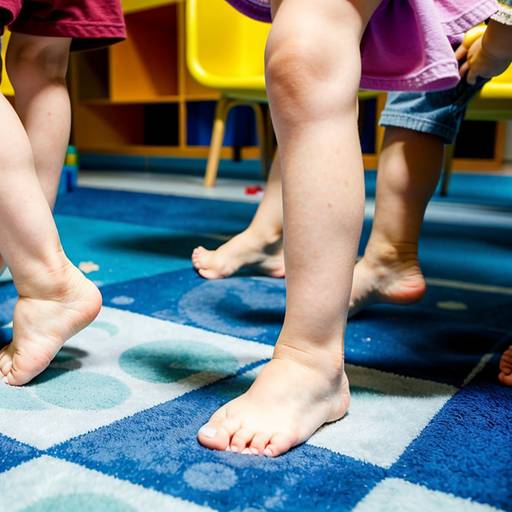
This lesson plan focuses on enhancing toddlers' gross motor skills through engaging kicking activities. The session begins with a warm-up dance to prepare their bodies for movement. Children are introduced to kicking with a demonstration, after which they practice kicking soft foam balls at their own pace. The lesson progresses to a target kicking challenge where they aim to kick balls into hula hoops or markers, promoting both coordination and accuracy. An interactive kicking game allows children to collect colorful scarves while continuing to practice their skills. The session concludes with a calming cool-down that includes gentle stretches and sharing experiences to reinforce what they learned. Throughout the activities, safety measures are emphasized, ensuring a fun and supportive environment for all participants. Extension ideas encourage families to continue similar playful activities at home, fostering ongoing development and enjoyment of physical activity.
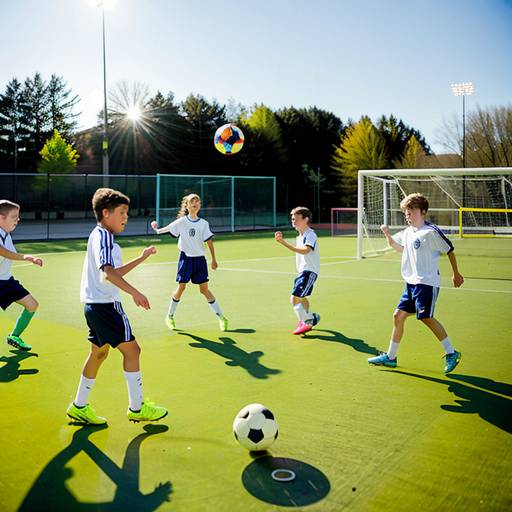
This lesson plan focuses on introducing 5th-grade students to the fundamentals of soccer, emphasizing core skills such as dribbling, passing, and shooting. The session begins with a discussion about soccer's rules, objectives, and the significance of teamwork. After warming up with dynamic stretches and a fun game to get everyone moving, students participate in skill development drills. They practice dribbling through cones, pairing up to work on passing, and taking turns shooting at a goal. The lesson culminates in a small-sided scrimmage where students can apply the skills they've learned in a team setting. The session concludes with a cool-down, during which students reflect on their experiences and what they've learned. Throughout, the focus is on skill development, collaboration, and the enjoyment of playing soccer.
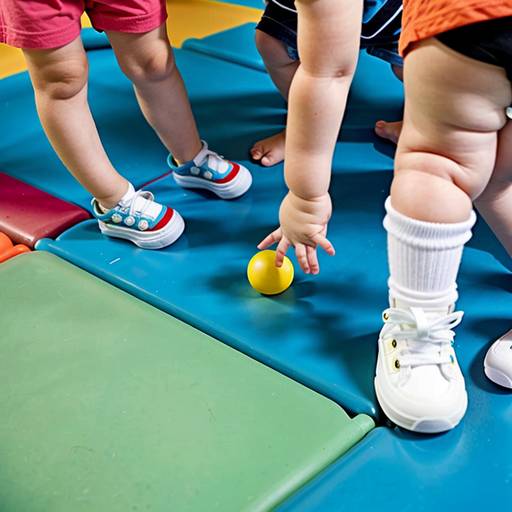
This lesson plan focuses on developing gross motor skills in toddlers through engaging kicking activities. Aimed at children aged 2-3 years old, the session lasts 30-45 minutes and includes various components to promote coordination, balance, and spatial awareness.
The lesson begins with a fun warm-up involving movement songs and gentle stretching, preparing the children for physical activity. Following this, an introduction to kicking demonstrates proper techniques in a supportive environment. The main activities include free kicking practice and a target game where toddlers aim to kick a ball towards designated targets.
To incorporate teamwork and active play, a group game challenges children to kick the ball to a goal while running back to their starting point. The lesson concludes with a cool-down period, where children reflect on their experiences and engage in stretching exercises. Throughout the lesson, instructors will observe each child's kicking abilities, adherence to instructions, and overall engagement, aiming to foster a positive and enjoyable atmosphere for skill development.
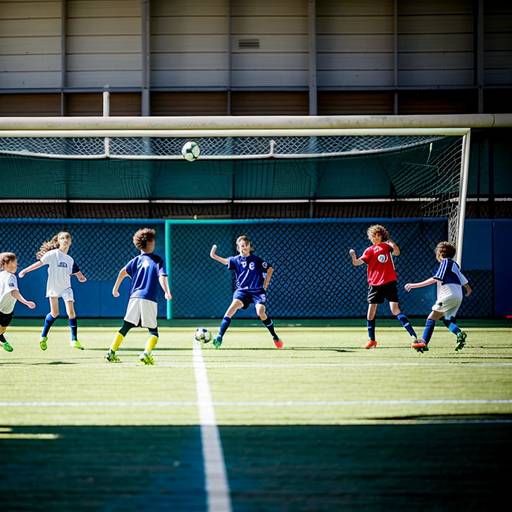
This 4th-grade physical education lesson focuses on teaching students the fundamental skills of soccer, emphasizing both individual technique and teamwork. The session begins with a dynamic warm-up and a discussion about the game of soccer, including its basic rules and objectives.
Students engage in two main skill development activities: dribbling and passing drills, where they practice controlling the ball and communicating with teammates. In the second half of the lesson, the students participate in a mini soccer game, allowing them to apply the skills they learned in a fun, competitive environment.
The lesson concludes with a discussion reflecting on the students' experiences, reinforcing the importance of teamwork and physical activity. Throughout the session, the teacher assesses students’ performance and provides feedback, ensuring a safe and engaging learning environment.
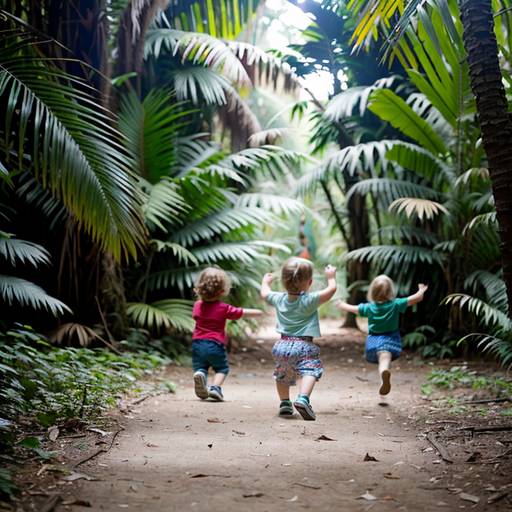
The lesson plan focuses on developing gross motor skills through engaging kicking activities that enhance coordination, balance, and strength in toddlers aged 2-3 years. Over the course of 30-45 minutes, children participate in a variety of activities set in a playful "jungle" environment.
The session begins with a warm-up that incorporates animal movements to encourage physical activity. Children then take part in several kicking exercises, including kicking balls into hoops, rescuing stuffed animals by kicking towards them, and participating in kicking races with their peers.
The lesson emphasizes teamwork and camaraderie while allowing children to explore their kicking abilities through imaginative play. A gentle cool-down follows, where children can relax and wind down by pretending to be various animals. The session concludes with a recap of the activities, reinforcing the skills learned and celebrating the children’s participation. The plan is designed to foster a fun, safe, and interactive environment for toddlers to enhance their gross motor skills while enjoying the experience of play.

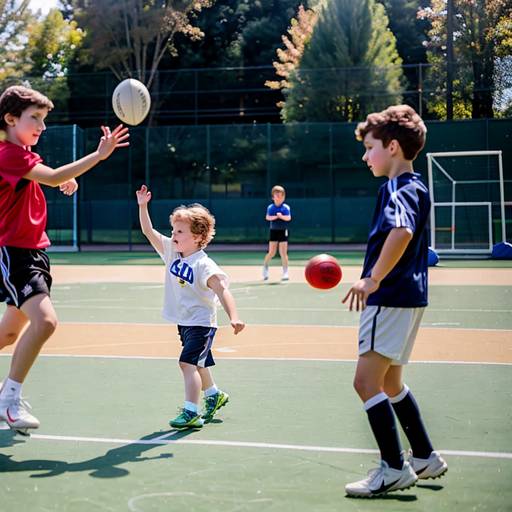
In this 30-minute physical education lesson designed for preschoolers, children will be introduced to fundamental sports skills, specifically kicking, throwing, and catching, while promoting physical coordination, teamwork, and enjoyment of active play. The session begins with a warm-up involving stretching and animal movements to prepare their bodies for activity.
The first activity focuses on kicking, where students participate in a relay that helps them practice aiming their kicks towards a designated target while running to retrieve the ball. Next, the lesson transitions to throwing, with children targeting hula hoops or buckets, emphasizing proper throwing technique and encouraging supportive interactions among peers.
The lesson concludes with a catching activity, where children toss a ball to each other while working on eye contact and hand positioning. Finally, students gather for a cool-down period, involving gentle stretches and reflections on what they learned and enjoyed during the lesson. Throughout the activities, instructors will observe participation and individual progress, making adjustments as needed to accommodate different skill levels and ensuring a fun experience for all.
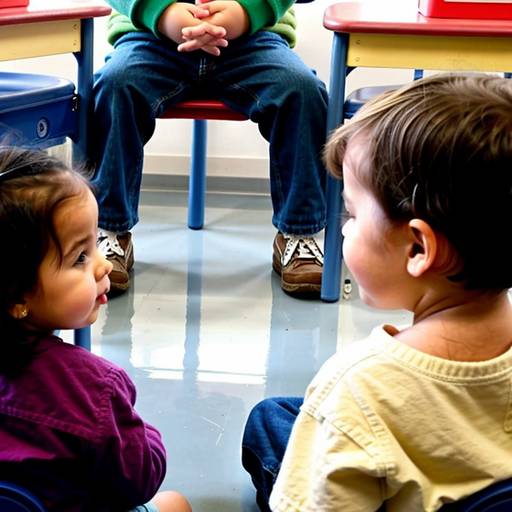
In this toddler lesson plan, young children will explore the concept of respect through a series of engaging activities designed to promote kindness and understanding. The session begins with a welcoming circle where children discuss their feelings about kindness. A storybook highlighting respect and friendly behavior will be read aloud, followed by a discussion that encourages children to reflect on respectful interactions.
Participants will then create "Kindness Cards" using art supplies, allowing them to express their understanding of respect through drawings and words. After exchanging cards with their classmates, children will engage in role-playing scenarios using soft toys to practice sharing and kind communication. A movement activity featuring a dance inspired by kindness will offer a fun way to reinforce their learning.
The lesson concludes with a reflection circle, where children can share what they learned and commit to showing respect to others. To maintain the conversation at home, families are encouraged to discuss the "Kindness Cards" and explore ways to practice respect together. The overall objective is to instill fundamental social skills related to kindness and respect in a playful and interactive environment, fostering a sense of community among the children.

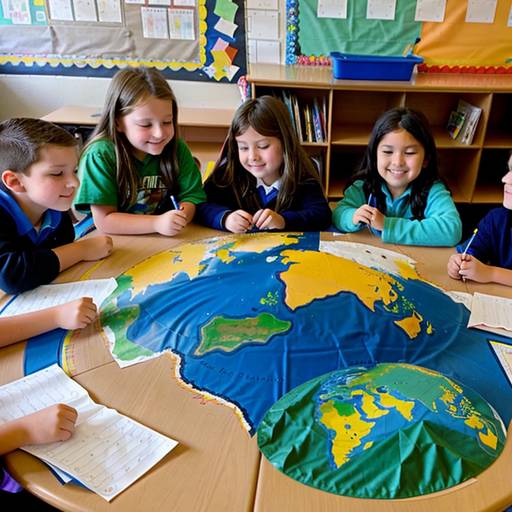
In this 2nd-grade social studies lesson, students will explore various landforms such as mountains, valleys, rivers, plains, and deserts. The session begins with a discussion about Earth's surface and an introduction to landforms, accompanied by a world map or globe to identify where these features can be found. Following direct instruction, students will work in small groups to create a "Landforms Map" using pre-printed images and art supplies. They will present their maps to the class, sharing descriptions and interesting facts about the landforms they've included. The lesson concludes with a recap that highlights the relationship between landforms and human life. Assessment will focus on student participation and the accuracy of their maps, while extensions may involve homework that encourages individual creativity and further exploration of landforms in different countries. Overall, the lesson fosters engagement with geography through interactive learning and collaboration.