
Filters
Level
Grade
Subject
Subject Area
Subject Topic
Standard(s)
Audience
Keyword
DurationMinutes
Lesson Plans

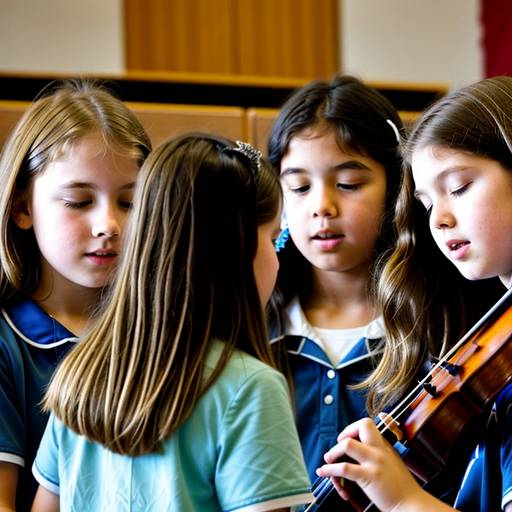
This 5th-grade music lesson focuses on enhancing students' singing and performance skills through a combination of vocal techniques and movement. The session begins with warm-up exercises to improve breathing and posture, followed by a discussion on dynamics and expression in music. Students will learn a designated age-appropriate song, practicing it line by line while emphasizing vocal techniques and group cohesion.
Incorporating simple movements that align with the song's lyrics and mood, students will deepen their understanding of rhythm and expression. The lesson includes small group rehearsals to foster teamwork and allow for personalized guidance. The class culminates in a full-group performance, where students will showcase their learned skills, integrating movement and vocal expression.
Reflection is an essential part of the lesson, encouraging students to share their experiences and provide positive feedback to one another. Assessment will involve observing participation and technique during rehearsals and the final performance. Extension activities may involve rewriting song lyrics or incorporating simple instruments. Differentiation strategies will be used to accommodate varied musical backgrounds and abilities. Overall, students will develop confidence in their performance abilities while enjoying the collaborative process of making music together.
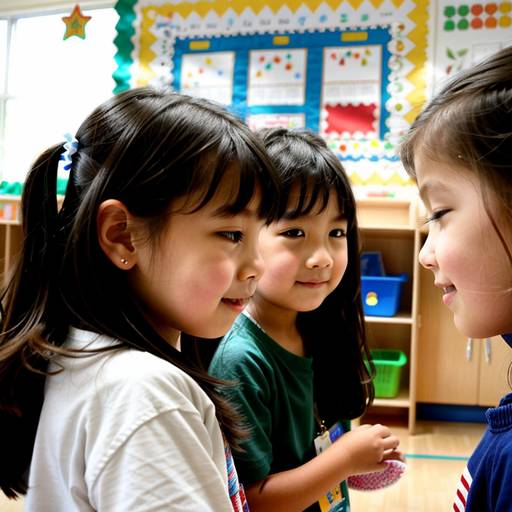
In this kindergarten music lesson, students will explore the themes of nature through singing and vocal activities. The lesson begins with an engaging discussion about nature, followed by vocal warm-ups that allow children to experiment with different sounds. Students will participate in echo singing, where they repeat melodies related to nature, and engage in a call-and-response activity, creating their own lyrical contributions to the theme.
To enhance the experience, movement is incorporated as students mimic elements of nature while singing, and rhythm instruments are introduced for added engagement. The lesson concludes with a calm lullaby to reflect and wind down. Throughout the session, students will develop their vocal techniques, creativity, and listening skills while expressing their feelings about the natural world. This interactive lesson emphasizes participation, artistic expression, and connection to the environment.

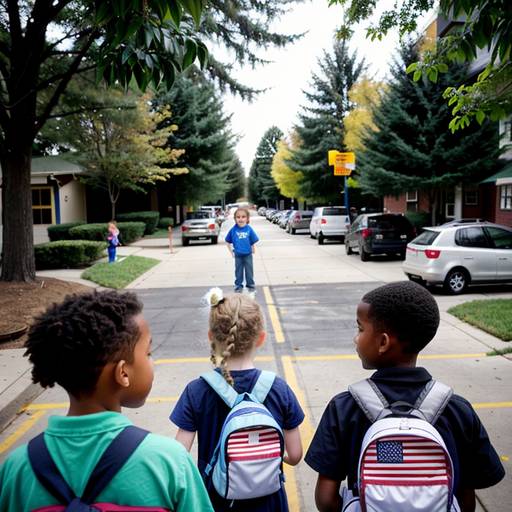
In this first-grade social studies lesson, students explore the concept of community and the significance of rules that help maintain order and safety. The lesson begins with a discussion about what a community is, aided by photographs of various community elements. A storybook is read aloud to illustrate interactions within a community and the role of rules. Students engage in a discussion about the importance of rules, expressing their thoughts on how rules contribute to harmony and cooperation.
In a collaborative activity, students work in small groups to create a set of classroom rules that foster a positive environment. They then share their ideas, which are compiled into a large poster for the classroom. The lesson concludes with a reflection on the importance of rules and an assignment to draw a community scene while incorporating a rule that ensures safety and enjoyment. Throughout the lesson, students actively participate and develop a deeper understanding of their roles within their community.

This preschool science lesson focuses on health and nutrition, aimed at helping young children understand the importance of healthy eating. The session begins with a discussion about their favorite foods, guiding them to recognize and categorize foods into healthy and unhealthy groups using picture cards.
Students participate in a hands-on sorting game with toy fruits and vegetables, reinforcing their understanding of healthy options while fostering teamwork. They engage in a creative activity where they draw or create collages of their favorite healthy foods, allowing them to express their thoughts visually.
To incorporate movement, a dance break with a fun song about healthy eating follows, encouraging physical activity. The lesson concludes with a reflection circle where children share what they learned and what healthy foods they wish to try at home. Optional healthy snacks can enhance the experience, while family involvement is encouraged through take-home activities. This comprehensive approach fosters an interactive and enjoyable learning environment centered on nutrition.

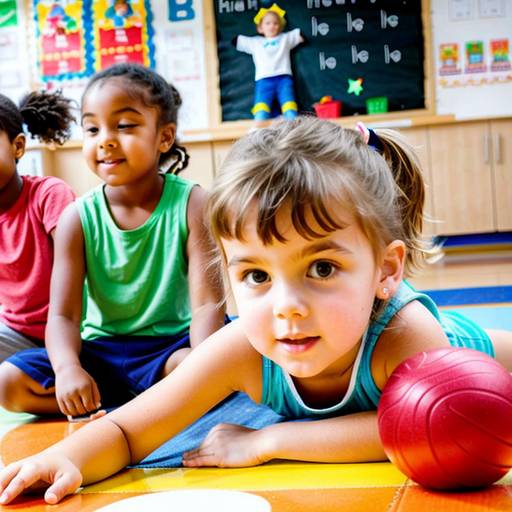
This preschool physical education lesson focuses on teaching young children about healthy habits through engaging activities lasting 53 minutes. The lesson begins with a circle discussion, encouraging students to share their knowledge about healthy foods, exercise, and personal hygiene.
To facilitate movement and learning, students participate in a lively dance session that incorporates actions representing healthy habits. This is followed by a nutrition relay racing game where children gather food cards and learn fun facts about each healthy item they collect.
Next, students rotate through various exercise stations designed to promote physical fitness, coordination, and agility, featuring hula hooping, jump rope activities, ball tossing, and an obstacle course.
After the physical activities, a reflection circle is held for students to discuss their experiences and what they learned. This is concluded with a game of Simon Says that reinforces healthy habits through playful commands. Throughout the lesson, children are encouraged to actively participate and share what they learn with their families, fostering a broader understanding of the importance of maintaining healthy habits in their daily lives.

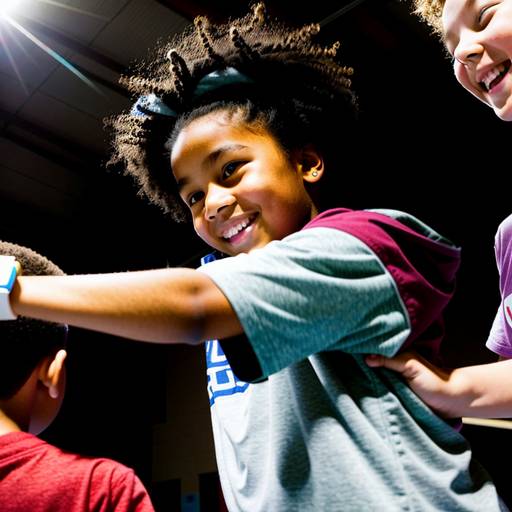
The lesson plan focuses on teaching 5th-grade students about cardiovascular fitness and heart health through engaging physical activities. The session begins with a dynamic warm-up that includes stretching and a light jog, followed by an energetic game to elevate heart rates. Students will participate in five different activity stations, aiming to improve their cardiovascular endurance through jump roping, hula hooping, relay races, obstacle courses, and fun dance routines. After the activities, a cool-down session incorporates static stretching, and students learn to monitor their heart rates before and after exercise. The lesson concludes with a group discussion reflecting on their experiences and the importance of staying active for overall health. Observations during activities will assess participation and understanding, while modifications are available for students with different physical abilities. The overall goal is to promote awareness of heart health and encourage ongoing fitness outside of the school environment.
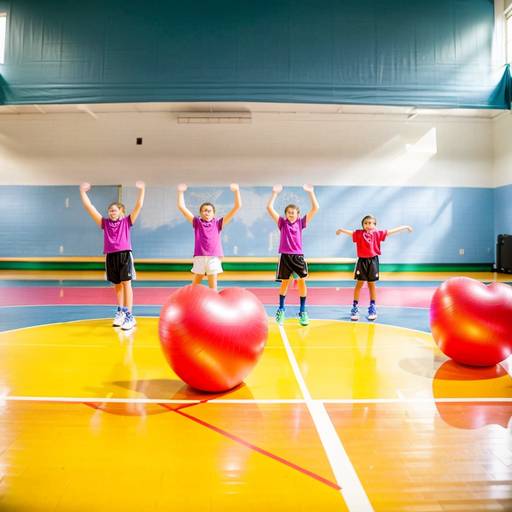
This physical education lesson for 4th-grade students focuses on enhancing cardiovascular fitness through engaging and fun activities. The lesson begins with a dynamic warm-up and a brief discussion about the importance of cardio exercises. Students then participate in four activity stations: jump rope challenges, hula hoop hustling, cone relay races, and a dance party. Each station promotes movement, teamwork, and self-challenge, ensuring students raise their heart rates while enjoying themselves. The lesson concludes with a cool-down session involving gentle stretches and a reflection period where students share their experiences and insights about fitness. Adaptations are included to accommodate various abilities, ensuring inclusiveness. Overall, this lesson emphasizes active living and the joy of physical activity.

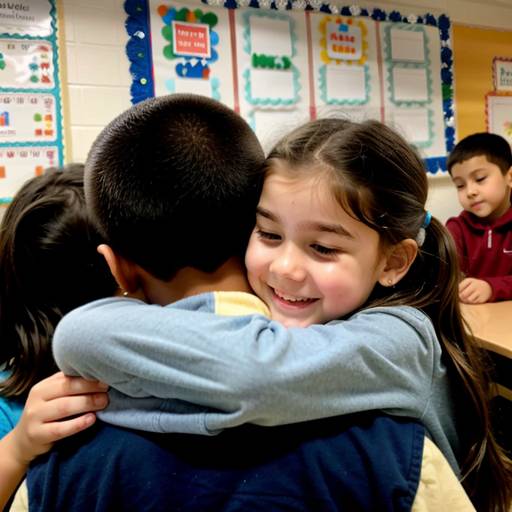
This preschool lesson plan focuses on developing emotional awareness in children by exploring their feelings related to family experiences. The session begins with a circle time discussion, where children share their thoughts about families and emotions. It incorporates a storytime activity that illustrates characters' emotions within family contexts, prompting children to relate these feelings to their own experiences.
To deepen their understanding, children engage in an emotion exploration activity where they use emotion cards to identify and express their own feelings, contributing to a collaborative "Family Emotions Chart." The lesson includes a creative puppet show to demonstrate various emotions, allowing children to suggest solutions for the puppet's feelings based on their personal experiences.
The session concludes with a reflective discussion, encouraging children to share their thoughts and feelings, reinforcing the importance of understanding and communicating emotions within family settings. The overall goal is to foster emotional awareness and strengthen connections between children and their families through interactive and engaging activities.

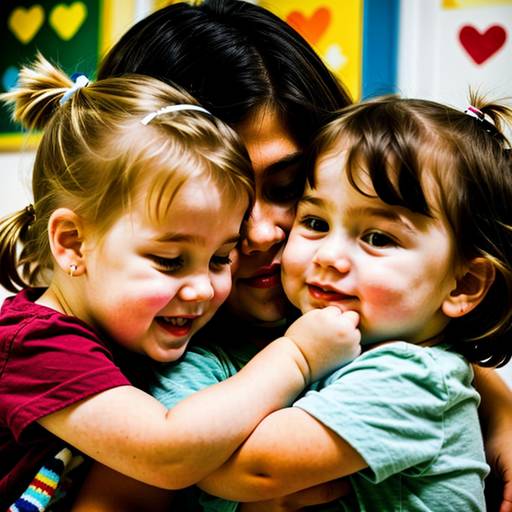
This lesson plan focuses on fostering empathy and understanding in toddlers aged 2-4 through engaging activities that promote emotional awareness. The session begins with a welcome circle, where children are introduced to the concept of empathy and encouraged to express their feelings through song. Using emotion flashcards, children imitate facial expressions and share personal experiences related to each emotion.
A storytime segment allows for exploration of emotions via a large book that includes diverse characters and relatable situations, prompting discussion about feelings and help. The lesson continues with puppet play, where children act out scenarios involving emotions and comforting friends.
In the craft activity, each child creates their own "Emotion Heart," illustrating a time they supported a friend or received help. The lesson wraps up with a reflection session where children share their insights about feelings and the importance of caring for one another. This interactive approach promotes emotional development, empathy, and social skills in a nurturing environment.
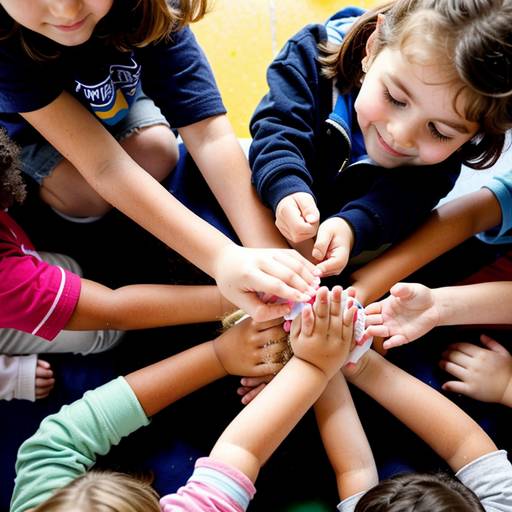
In this preschool lesson plan, students will explore the concepts of citizenship and community engagement through interactive activities designed to promote kindness and teamwork. The lesson begins with a group discussion about the meaning of community, followed by a storytime featuring community helpers. Children will then participate in a craft activity where they create handprint shapes that represent ways they can contribute positively to their community. This collaborative project culminates in a group reflection, allowing students to share their thoughts on helping others and the importance of working together. The lesson concludes with the display of their completed poster and a celebration of their efforts, reinforcing their understanding of their role within the community.