
Filters
Level
Grade
Subject
Subject Area
Subject Topic
Standard(s)
Audience
Keyword
DurationMinutes
Lesson Plans

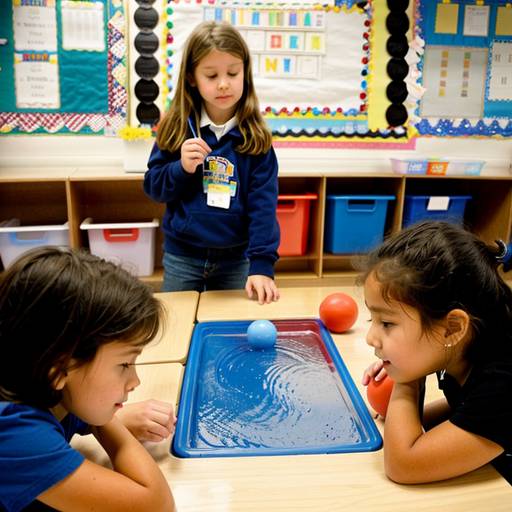
In this 1st-grade science lesson, students explore the fundamental concepts of force, specifically focusing on push and pull, and how these forces affect the motion of objects. The lesson begins with a discussion that engages students in sharing their ideas about what makes things move. They then learn the definitions of push and pull through simple demonstrations with toy cars.
In small group activities, students investigate various objects to determine whether they can push or pull them, fostering collaboration and hands-on learning. The lesson includes a hands-on challenge where students experiment with a ramp to observe how height affects the distance objects travel when pushed or pulled. Students also have the opportunity to measure forces using a spring scale if available.
As the lesson concludes, students reflect on what they learned by sharing insights with a partner and creating drawings that illustrate examples of push and pull. The instructor assesses understanding through observation during activities and by reviewing students' worksheets.
Extensions and adaptations are included to support diverse learning needs, promoting an inclusive and engaging environment. This lesson aligns with the Next Generation Science Standards for K-2 science, providing a foundational understanding of motion and forces.

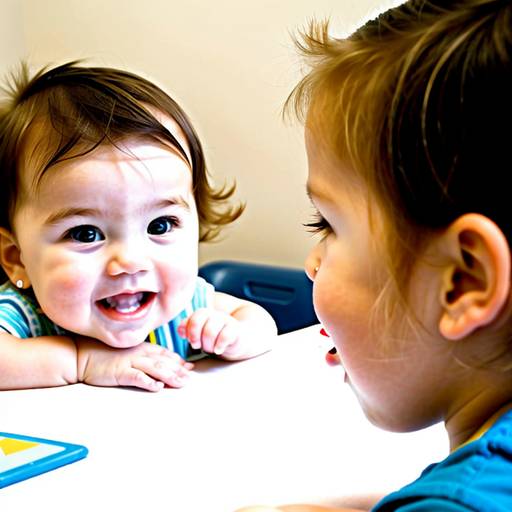
This lesson plan focuses on helping toddlers recognize and celebrate their unique abilities, fostering self-confidence and a positive self-image. The session begins with a circle time activity where a story highlighting themes of confidence is read, followed by open discussions that encourage children to express what they like about themselves.
A mirror activity allows each child to look at themselves and say something positive, promoting self-acceptance. The lesson continues with an art station, where children create drawings of themselves engaging in activities they are proud of, followed by an opportunity to share their artwork with the group.
A movement activity featuring upbeat music encourages children to showcase their dance moves, reinforcing the fun of self-expression and peer support. The session concludes with children receiving confidence badges, allowing them to celebrate their individuality. The lesson wraps up with a reflection circle where children discuss their feelings, further enhancing their understanding of self-confidence.
Overall, the plan encourages self-awareness, peer encouragement, and the recognition of personal strengths in a supportive and engaging environment.
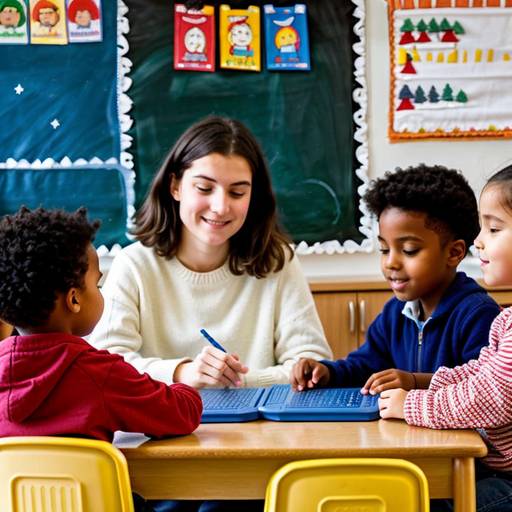
The lesson plan focuses on enhancing preschool students' literacy skills through an engaging storytelling experience. It begins with an interactive discussion about favorite story characters, fostering a creative mindset. The teacher reads a selected picture book aloud, encouraging prediction and interaction, and pauses to engage students in discussions about the story. Following the reading, students explore their favorite characters and contribute to a character profile chart.
The lesson includes imaginative play where students use props related to the story to act out scenes, promoting expressive language use. Collaborative sentence-building activities allow children to work together to organize phrases from the story, reinforcing teamwork and literacy skills. To wrap up, students participate in sound exploration by mimicking sounds associated with characters or actions, reinforcing their understanding of connections between sound and meaning.
The lesson concludes with a review of the activities, allowing children to share their reflections on what they learned. Throughout the lesson, the teacher observes participation and comprehension, adapting the activities as necessary to meet the needs of all learners.

In this 2nd-grade art lesson, students will explore the creation of imaginative creatures using basic drawing techniques involving shapes and lines. The session begins with a discussion about various imaginary creatures, followed by a demonstration on how to combine shapes to form unique figures and use lines to add features. Students will then create their own creatures on drawing paper, encouraged to employ color mixing techniques with colored pencils or crayons. After completing their artwork, students will share their creations with the class, describing their creatures’ names, habitats, and special traits. The lesson emphasizes creativity, encourages storytelling, and culminates in a reflection on the drawing experience. Assessment will be based on student participation, creativity, and application of the techniques learned. An extension activity allows for further exploration through storytelling.

In this 45-minute lesson, preschool students will engage in a creative activity that combines visual arts with storytelling. The objective is for children to create their own imaginative landscapes inspired by storybooks while integrating elements of literacy, mathematics (specifically shapes and spatial awareness), and art.
The lesson begins with a circle gathering where a selected storybook is read aloud, focusing on descriptive landscapes. This sparks a discussion on the various colors, shapes, and feelings conveyed through the landscapes in the story. Following this, students receive large sheets of colored construction paper and are guided to illustrate their landscapes using crayons, markers, or watercolors. They will incorporate shapes with provided templates and enhance their artwork with natural materials such as leaves and twigs for added texture.
The final part of the lesson involves students sharing their creations with the group, allowing them to express their inspirations and the stories behind their landscapes. Throughout the activity, the emphasis is placed on imagination and expression, highlighting the connections between visual arts, literature, and personal creativity. Assessment will focus on each child’s participation and the understanding demonstrated in their artwork.
In this 1st-grade art lesson, students will explore how to express emotions through basic drawing techniques using shapes and lines. The lesson begins with a discussion about feelings and how they can be illustrated in art. Students will practice creating simple shapes and lines, learning to combine them into structures that represent different emotions.
After this guided practice, each student will select an emotion from illustrated cards and create their own imaginary world or scene that reflects that feeling. They will have the opportunity to use various colors to enhance their artwork, fostering creativity and individuality. As they work, the teacher will provide support and encouragement.
The lesson concludes with students sharing their drawings with the class, discussing the emotions represented and the techniques used. Assessment will be based on participation, creativity, and the application of art techniques in their work. Extensions to the lesson may include collaborative projects and storytelling activities.

In this 3rd-grade language arts lesson, students will engage in the creative writing process by imagining and crafting their own unique worlds. The lesson begins with a discussion about imaginative settings found in literature and includes a read-aloud of a captivating story excerpt. Following this, students will use a story planning worksheet to brainstorm ideas related to their own fictional world, including details about the setting, characters, and plot.
After brainstorming, students will spend time writing a short story that establishes a clear beginning, middle, and end, all while expressing their creative ideas. Once they have completed their stories, they will illustrate scenes or important aspects of their worlds, allowing for a visual representation of their creativity.
The lesson concludes with an opportunity for students to share their stories and artwork with the class or in small groups, promoting confidence and peer feedback. Assessment will focus on their participation, the completeness of their worksheets, and the creativity displayed in their narratives. Extension activities may include compiling a class book of stories or performing dramatic readings, while modifications are provided to support diverse learning needs. Overall, the lesson aims to foster imagination and enhance storytelling skills in a fun and engaging manner.
In this 4th-grade technology lesson plan, students will explore the art of storytelling through multimedia elements such as text, images, audio, and video. The lesson spans two sessions, beginning with a discussion on storytelling and an introduction to various multimedia components. In small groups, students will brainstorm ideas, develop characters and plotlines, and create storyboards for their narratives.
During the second session, students will use digital tools to create their multimedia stories, incorporating images, audio, and text as they work collaboratively. Each group will present their final projects to the class, fostering an environment of sharing and feedback. Assessment will focus on participation, collaboration, and the effective use of multimedia in their storytelling. This engaging lesson not only enhances students' creativity and critical thinking but also provides them with hands-on experience in digital storytelling.
In this 5th-grade language arts lesson plan, students will engage in creative writing by crafting their own imaginative stories based on provided prompts. The lesson begins with a discussion about creativity in storytelling, highlighting memorable elements from their favorite books and movies. A mini-lesson focuses on the use of descriptive language and sensory details to enhance writing, along with the importance of character and setting development.
After the instruction, students will spend time writing a short story while incorporating their newfound knowledge about description and detail. To foster collaboration, students will then share their stories with a partner, providing feedback to one another. The lesson concludes with a group sharing session, where some students may read their stories aloud to the class, followed by a reflection on the writing process. Assessment will be based on participation, the creativity of the written work, and the effective use of descriptive language. Extensions include displaying student work and organizing a storytelling event to further celebrate their creativity.

In this Kindergarten art lesson, students will explore animal creation through the use of basic shapes. The lesson begins with a discussion about favorite animals, followed by an introduction to basic shapes and how they can be combined to form unique creatures. Students will then brainstorm their imaginary animals, sketching them on paper using pencils. Once their drawings are complete, they will add color and detail using crayons, colored pencils, and markers, with optional embellishments like glitter or stickers for additional texture. The session concludes with students sharing their artwork and discussing their creations. This lesson aims to enhance creativity and fine motor skills while fostering artistic expression and confidence among young learners. Cleanup is included as part of the structure to encourage responsibility.
Through observation and sharing, the teacher will assess students' understanding of shapes and their ability to express their ideas visually. Extensions may include collaborative projects, such as a class mural or storytime related to the animals created. Reflections on the effectiveness of the lesson will help inform future art activities.