
Filters
Level
Grade
Subject
Subject Area
Subject Topic
Standard(s)
Audience
Keyword
DurationMinutes
Lesson Plans
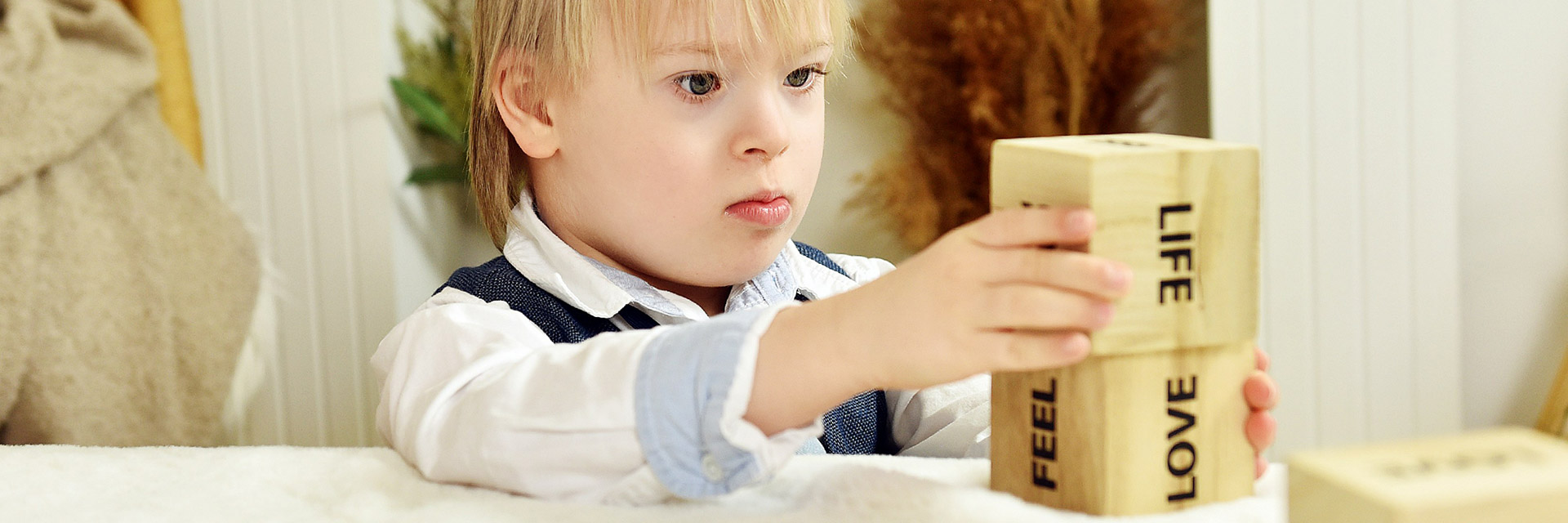
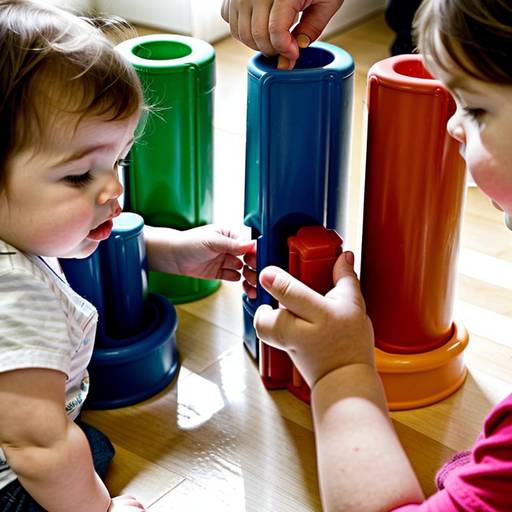
In this engaging lesson plan for toddlers, students will explore the concept of cooperation through interactive activities designed to foster teamwork and sharing. The lesson begins with a circle time discussion where children are introduced to the idea of helping each other. They will then participate in a collaborative building activity using large soft blocks, where they learn to ask for assistance and communicate effectively with their peers.
Following the building exercise, children will engage in parachute play, where they must work together to execute various games, enhancing their sense of collaboration and enjoyment. A storybook about cooperation will be read to the group, prompting discussions about how the characters interact and support one another, further solidifying their understanding of the theme.
The session concludes with a reflection circle where children share their experiences of helping friends during the activities, reinforcing the concept of cooperation. The educator will assess the children's interactions during the activities and reflections to gauge their understanding of cooperation. Additionally, strategies for encouraging cooperative behavior at home can be suggested for parental involvement. The overall aim is to instill the importance of working together in a fun and supportive environment.

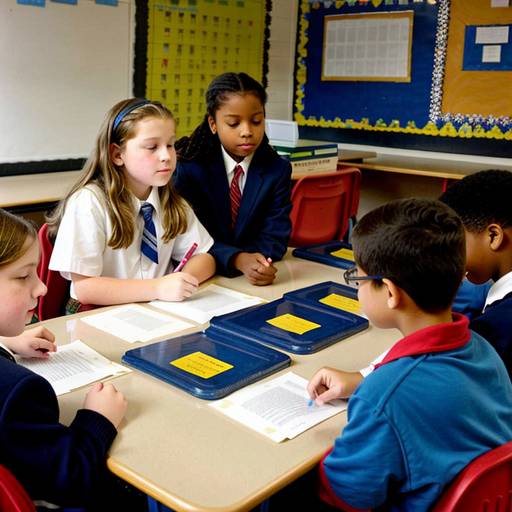
This 5th-grade Social Studies lesson focuses on exploring significant historical figures and their impact on society. Students will engage in a discussion to identify key individuals and learn about their contributions through a brief presentation. They will work in small groups to research a specific historical figure, examining their achievements, challenges, and significance within their historical context. Each group will then create a visual poster to summarize their findings and present it to the class, enhancing their teamwork and public speaking skills. The lesson emphasizes participation, creativity, and reflection, providing opportunities for students to engage meaningfully with history. Extension activities, such as a "History Fair," encourage further exploration and interaction with the material.
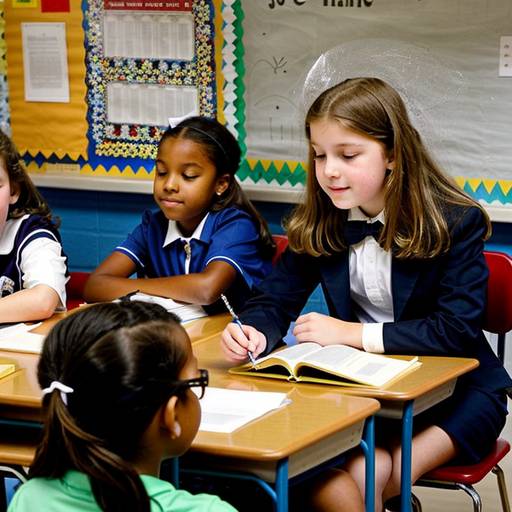
In this 3rd-grade social studies lesson, students explore the contributions of significant historical figures who influenced society. The lesson begins with a discussion about what makes someone a hero, followed by a mini-lecture introducing a selection of inspiring historical figures, such as Martin Luther King Jr. and Rosa Parks. Students are then divided into small groups to choose a figure and create a poster that highlights their achievements and legacy. Throughout the activity, students engage in teamwork and creativity while using resources for research. The lesson concludes with group presentations, where students share their posters with the class, reinforcing their understanding of the figures' importance and encouraging them to think about how they can contribute positively to their community. Ultimately, this engaging lesson fosters a deeper appreciation for history and inspires students to consider their own roles in making a difference.
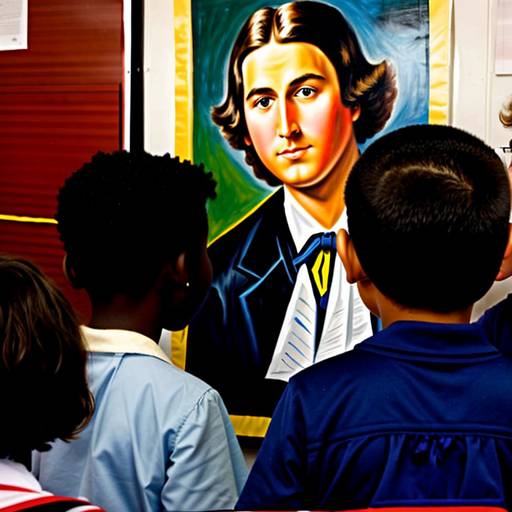
In this 4th-grade social studies lesson, students will explore the significance of historical figures who have made notable contributions to society. The lesson begins with an engaging story or video about an influential figure, followed by a discussion to help students recognize the qualities that make certain individuals historical heroes.
Students will then work in small groups to research assigned historical figures from a provided list, focusing on their early lives, major accomplishments, and lasting impact. Each group will create a poster to visually showcase their findings and prepare a brief presentation to share with the class.
As presentations occur, students will actively engage by asking questions to deepen their understanding. The lesson concludes with a class recap highlighting the importance of learning about history and its figures, along with an exit ticket activity where each student notes something they learned and a question they still have.
Assessment will be based on the creativity and accuracy of the posters and presentations, while students will have the opportunity for extension through a classroom "Wall of Fame" that allows for further exploration of additional historical figures. Overall, the lesson aims to foster collaboration, critical thinking, and an appreciation for the impact of historical figures on our world.
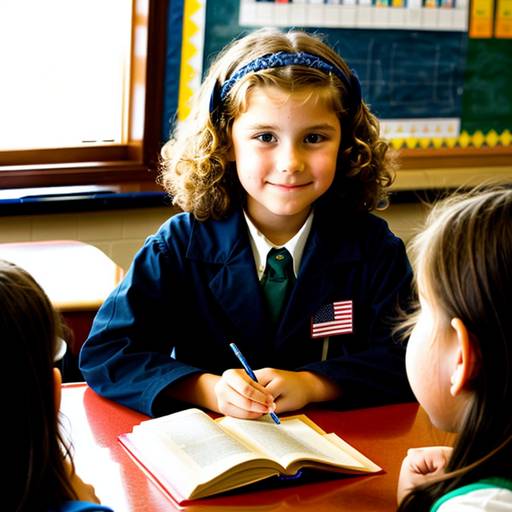
In this 2nd grade social studies lesson, students will explore important historical figures in American history and their contributions. The lesson begins with a class discussion on the concept of history and what makes someone a hero. Students will then participate in a read-aloud session featuring stories about notable figures, fostering engagement and comprehension.
Following the read-aloud, students will work in small groups, each assigned to a different historical figure. They will create posters that highlight the figure’s name, contributions, and significance to society, using a provided graphic organizer for guidance. Groups will present their posters to the class, fostering peer interaction and discussion around common themes.
The lesson concludes with a reflection period where students share their insights and interests regarding the historical figures learned about. As an extension activity, students will complete a drawing of their favorite historical figure with a sentence explaining their admiration. Assessment will be based on group participation, the quality of presentations, and the completion of the homework assignment. This lesson aims to enhance students’ understanding of history while developing teamwork and presentation skills.
In this 2nd-grade social studies lesson, students will explore the various roles within their community and the significance of community helpers. The lesson begins with an engaging discussion about what a community is and who the key figures are that contribute to its functioning. Following this, the teacher will read a storybook that highlights different community workers, facilitating a conversation about the responsibilities of these individuals.
Students will then participate in a group activity where they identify community helpers using picture cards, contributing to a class chart that outlines each helper's role and duties. For a hands-on individual activity, they will create a worksheet featuring their favorite community helper, complete with a drawing and descriptive sentences about the helper's contributions to the community.
The lesson concludes with students sharing their work with peers, promoting a sense of appreciation for the people who support and enhance their neighborhood. Through these activities, students will gain an understanding of the importance of community roles and the collaborative efforts that foster a thriving environment. This lesson not only engages students in creative expression but also instills a respect for community helpers and their essential functions.

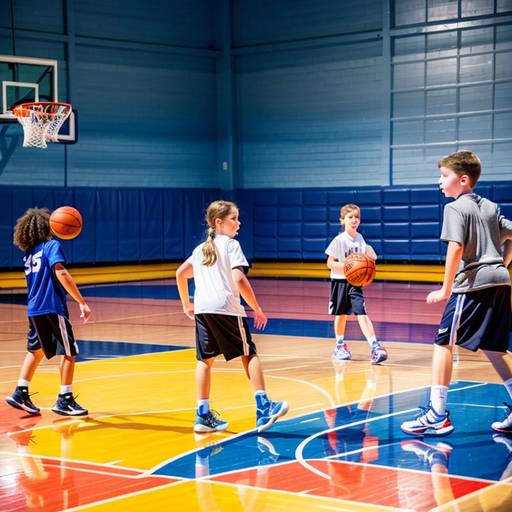
In this 60-minute physical education lesson for 3rd graders, students will be introduced to the basics of basketball through various skills, drills, and gameplay. The lesson begins with a dynamic warm-up, including stretching and a fun game to promote movement. Students will learn fundamental basketball rules and the importance of teamwork.
The class will engage in a dribbling drill where they weave through cones to enhance their control and dexterity. Next, they will pair up to practice different types of passes, focusing on precision and targeting. Following the skill development, students will participate in a small-sided game, allowing them to apply what they've learned in a team setting while fostering communication and collaboration.
The session concludes with a cool-down period where students stretch and reflect on their experiences, emphasizing teamwork and sportsmanship. Throughout the lesson, the instructor will assess students’ skills and provide feedback, ensuring a supportive and engaging environment. Adaptations are available for students with varying abilities, promoting inclusivity and safety during all activities.
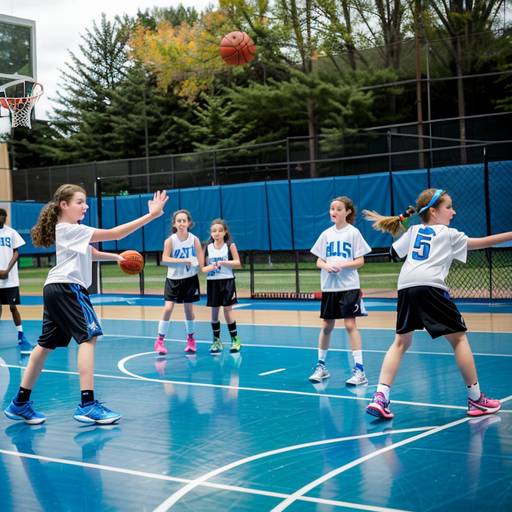
In this 60-minute physical education lesson tailored for 5th-grade students, the focus is on developing fundamental basketball skills while promoting teamwork and sportsmanship. The session begins with a warm-up that includes jogging and dynamic stretches to prepare the students for physical activity.
Throughout the lesson, students engage in three main skill areas: dribbling, passing, and shooting. They practice dribbling through a cone course to improve control and awareness, followed by paired passing drills that emphasize communication and technique. The shooting segment introduces fundamental shooting form, giving students the opportunity to practice from marked distances, culminating in a mini shooting competition for added excitement.
To reinforce the learned skills, students participate in small-sided 3-on-3 games, allowing them to implement dribbling, passing, and shooting in a team context. The lesson concludes with a cool-down session featuring stretching and reflection, where students share their thoughts on their experiences and identify areas for personal improvement. Overall, the lesson encourages active participation, develops essential basketball skills, and fosters a sense of cooperation and camaraderie among students.
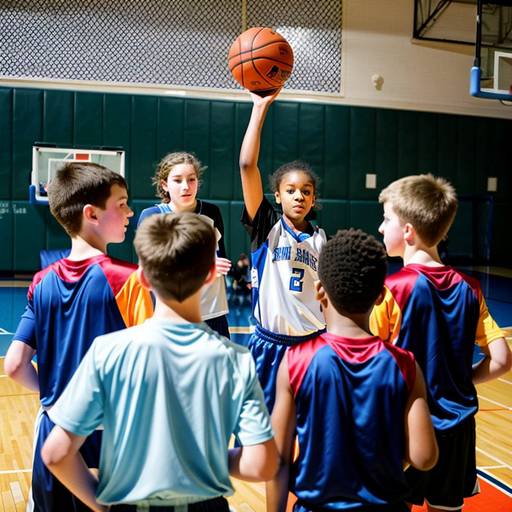
This lesson plan for 4th-grade physical education focuses on introducing students to fundamental basketball skills, including dribbling, passing, and shooting, while promoting teamwork and sportsmanship. The lesson begins with a warm-up activity to prepare students physically, followed by an explanation of key skills and concepts. Students then rotate through three skill stations—dribbling, passing, and shooting—where they practice specific techniques and improve their accuracy and control.
After skill development, students engage in a mini basketball game, allowing them to apply what they have learned in a team setting. The lesson concludes with a cool-down and a reflective discussion about the importance of communication and support among teammates. Throughout the session, students are observed for their participation and skill application, with feedback provided to enhance their learning experience. The plan emphasizes safety, hydration, and a positive learning environment, ensuring an enjoyable and effective introduction to basketball.

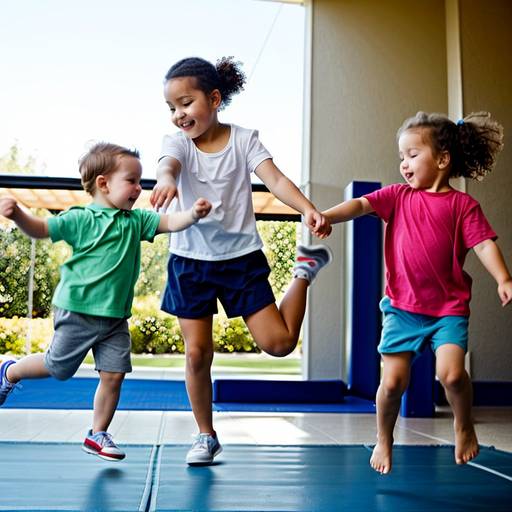
This lesson plan focuses on developing toddlers' gross motor skills through the joyful movement of skipping. Aimed at children ages 2-4, the session begins with an introduction to skipping, including a demonstration to engage the little ones at their level. A lively warm-up involving playful movements prepares them for physical activity.
The guided skipping activity helps children practice the mechanics of skipping in a structured environment, with opportunities to explore different speeds and patterns. A creative movement game, "Animal Skip," fosters imagination as children incorporate animal movements into their skipping.
An obstacle course reinforces the skipping technique while incorporating additional physical challenges, allowing children to navigate through a fun and engaging setup. The lesson concludes with a cool-down period where children can stretch and reflect on their experiences. Throughout the session, observation and encouragement are emphasized to support each child's development and boost their confidence in movement. Safety considerations ensure a secure environment for exploration and play.