
Filters
Level
Grade
Subject
Subject Area
Subject Topic
Standard(s)
Audience
Keyword
DurationMinutes
Lesson Plans

In this Kindergarten Language Arts lesson, students will explore the fundamentals of storytelling through writing and creative expression. The class begins with an engaging read-aloud of a picture book that highlights key story elements, followed by a brainstorming session where students collectively generate ideas for characters, settings, and events. Each student will receive a story starter card and a blank storybook template to create their own short stories, incorporating their unique ideas along with the class-generated content. As they write and illustrate their stories, students will be encouraged to express their creativity and share their work with classmates. The lesson concludes with a sharing session, allowing students to celebrate each other’s storytelling efforts while discussing their experience. Assessment will focus on student participation, effort, and the creativity displayed in their storybooks, with modifications available for additional support.

This preschool art lesson focuses on introducing young children to the basics of drama and storytelling through creative movement, improvisation, and collaborative play. The session begins with a discussion to engage children in understanding theater concepts, followed by a warm-up game that encourages expressive movement.
Students then explore a variety of costumes and props, which allows them to choose characters for a group-created story, fostering creativity and teamwork. Small groups practice their improvised dialogues and actions, culminating in a mini-performance where each group shares their interpretation of the story with their classmates.
The lesson concludes with a reflective discussion and an art activity where children illustrate their favorite characters from the performances. Throughout the lesson, children are encouraged to express themselves and engage with peers, collaborating in a supportive and joyful environment. Assessment is based on participation, creativity, and collaboration, with opportunities for extension activities to encourage ongoing imaginative play.
In this preschool lesson plan centered around art exploration, children will engage in a creative activity that emphasizes the use of colors and shapes. The session begins with a focus on understanding colors and their significance in art, followed by guided demonstrations of various painting techniques, including brush painting and sponge stamping. Children will then have the opportunity to create their own artworks using tempera paints, sponges, and colorful tissue paper to enhance their creations with texture and layers.
The structured activity allows for individual expression while developing fine motor skills. Children are encouraged to share their work and describe their artistic choices, fostering a sense of community and reflection. The lesson wraps up with a group clean-up activity, reinforcing cooperative behaviors. Optionally, a gallery walk can be set up to showcase the students' artworks, further enhancing their appreciation for creativity and collaboration. Overall, the plan promotes artistic exploration while nurturing emotional expression and social interaction among young learners.

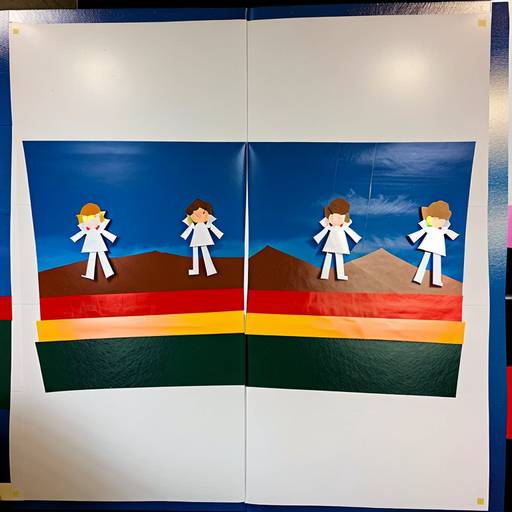
In this 3rd-grade art lesson, students will explore the technique of collage by creating their own layered artworks that convey a theme or story. The lesson begins with a discussion about what collage is and includes visual examples to inspire students. After a demonstration of how to select, cut, and arrange various materials, students will have the opportunity to create their own collages using a variety of paper sources and decorative items. As students work, they will focus on layering their images thoughtfully to develop depth and interest in their artwork. The lesson concludes with a sharing session where students present their collages and explain their creative choices, followed by a clean-up and a reflective exit ticket. Through this process, students will enhance their artistic skills and express their imaginations.
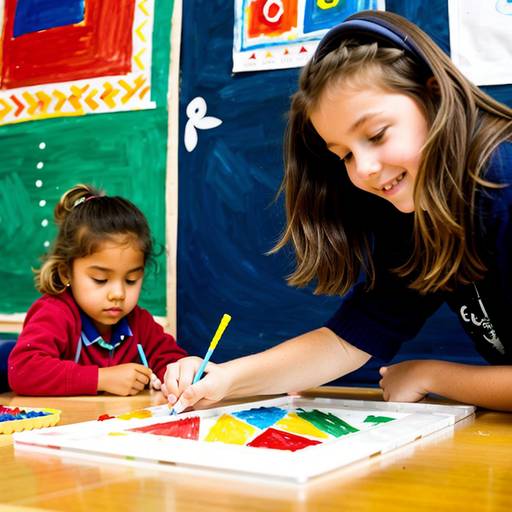
This preschool art lesson focuses on introducing young children to basic shapes and lines through drawing. Starting with an engaging circle time, children are encouraged to identify shapes and mimic drawing motions. A demonstration follows, showcasing how simple shapes can be combined to create recognizable objects, enhancing their understanding of spatial relationships.
The main activity allows children to explore their creativity by drawing freely with various materials, promoting self-expression and fine motor skills. During this time, teachers circulate to provide support and ask open-ended questions to deepen their engagement.
Concluding the lesson, children gather to share their artwork, fostering confidence and communication skills as they explain their creations. A clean-up session emphasizes responsibility for their workspace, and the lesson wraps up with a reflective discussion about their experiences and learnings. Overall, the lesson not only develops artistic abilities but also encourages imagination and fosters a love for creative expression among preschoolers.
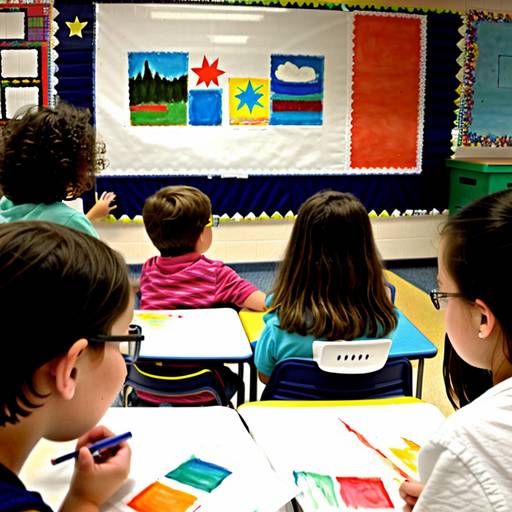
In this 3rd-grade art lesson, students will explore drawing techniques to capture movement and action. The session begins with a warm-up discussion about various forms of movement, using reference images for inspiration. The teacher will demonstrate how to break down complex images into basic shapes and use lines to convey dynamics.
Students will then engage in a hands-on activity where they choose a subject in motion and create sketches, focusing on the flow and action of their figures. After their initial sketches, they will add color and detail to enhance their artworks, using vibrant colors to express energy and speed.
To conclude the lesson, a gallery walk will allow students to display their work and share their artistic choices with the class. This interactive format encourages creativity and observation, with opportunities for peer feedback. Assessment will focus on students' understanding of drawing techniques, creativity, and their ability to convey movement in their artwork. Extensions and adaptations will provide additional support and challenges, ensuring an inclusive learning experience for all students.
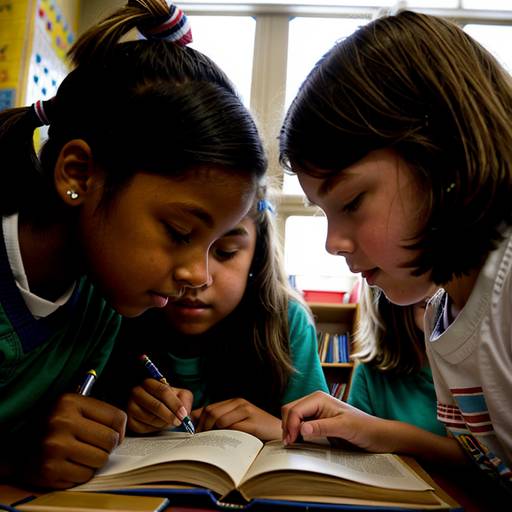
In this 4th-grade language arts lesson, students will explore the key components of narrative writing, including character, setting, plot, conflict, and resolution. The lesson begins with a class discussion about the elements that make their favorite stories enjoyable, followed by direct instruction on narrative components. Students will engage in guided practice by brainstorming a story as a class and using a graphic organizer to outline their ideas. They will then independently draft their own narratives, focusing on developing their stories based on the planned elements. The lesson concludes with sharing story ideas and providing a rubric for future reference. Assessment will be based on the completed graphic organizers and narratives, with opportunities for differentiation to support varying student needs. Overall, students will gain confidence in their storytelling abilities and creativity.
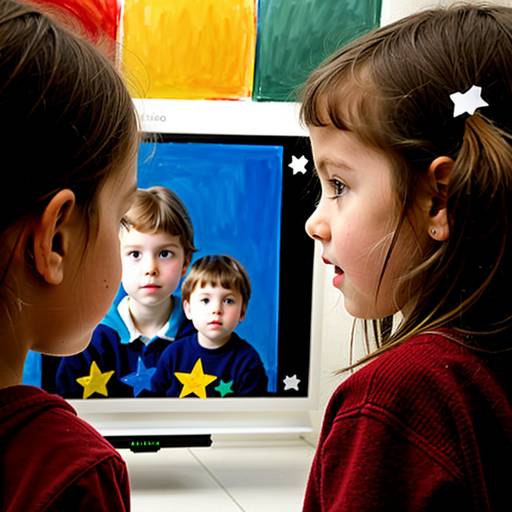
This preschool lesson plan integrates technology and art to engage young students in creative expression. The objective is to introduce children to digital art through interactive activities using tablets and art applications. The lesson begins with a discussion about different forms of art, followed by hands-on activities where students can create digital artwork in small groups. They also have the option to express themselves through traditional art using coloring supplies. Throughout the session, students share their creations, fostering collaboration and discussion about their artistic processes. By the end, they reflect on their experiences, celebrating creativity and the blend of technology with traditional art forms, while developing fine motor skills and confidence in expressing their ideas. The plan encourages future exploration of art and technology, aiming to nurture a sense of imagination and individuality among the children.
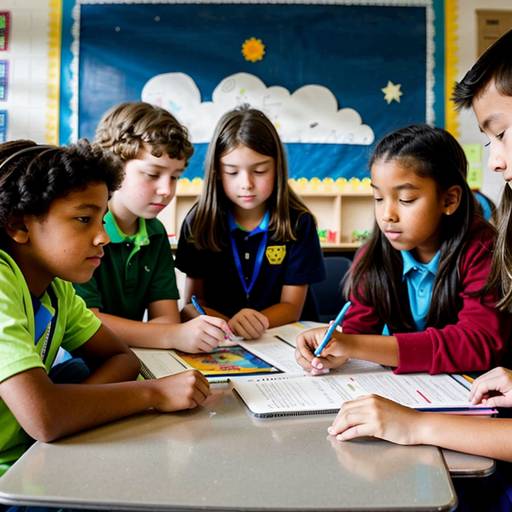
This lesson plan for 5th-grade technology focuses on multimedia creation and photo editing. Over two class periods, students will learn the fundamentals of creating digital photo collages that convey a story or theme. The lesson begins with an introduction to multimedia, including a discussion of where students encounter it in everyday life, followed by a demonstration of basic photo editing techniques using software tools. Students will then brainstorm ideas and sketch their collage layouts before gathering images to create their projects.
During the second class, students will engage in hands-on work to develop their collages while practicing the editing skills they learned. They will have the opportunity to collaborate and provide feedback to their peers throughout the creative process. To wrap up the lesson, students will present their collages to the class, discussing the stories behind their images and reflecting on their learning experiences. The assessment will evaluate creativity, technical execution, and adherence to project guidelines, with additional opportunities for presenting their work in a digital gallery format. This lesson not only fosters digital citizenship and creative communication skills but also promotes collaboration and self-expression among students.
This lesson plan aims to engage 4th-grade students in the creative writing process by focusing on the essential elements of storytelling: characters, setting, and plot. The lesson begins with a warm-up discussion that encourages students to share their thoughts on what makes stories exciting. Following this, the teacher introduces and develops a collaborative graphic organizer to illustrate these story elements. A mini-lesson on descriptive language emphasizes the use of adjectives and vivid verbs to enhance storytelling.
Students then complete a worksheet to create their own unique characters, settings, and plots, providing guided support as needed. Afterward, they draft their short stories, integrating their ideas and utilizing descriptive language. The lesson concludes with a sharing session where students can present their stories to the class, fostering a sense of community and celebration of creativity. Assessment is based on participation, completion of the worksheet, and the quality of the drafted stories. Extensions and modifications are included to accommodate diverse learning needs and to enhance the creative experience.