
Filters
Level
Grade
Subject
Subject Area
Subject Topic
Standard(s)
Audience
Keyword
DurationMinutes
Lesson Plans

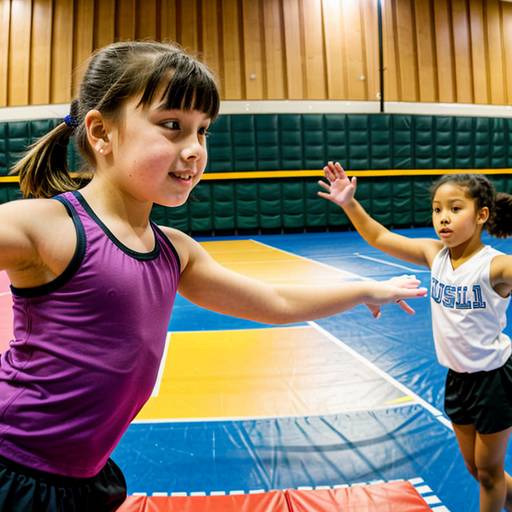
In this 2nd-grade physical education lesson plan, students engage in an interactive and enjoyable session focusing on basic gymnastics movements and sports skills. The class begins with dynamic stretching and fun animal walks to warm up. Students then rotate through three stations where they practice forward rolls, balance beam walking, and safe jumping techniques. Emphasis is placed on safety while performing each skill.
Following the gymnastics portion, students participate in team relay races that combine running, rolling, and balancing activities, encouraging teamwork and communication. After completing the relay, they engage in a thoughtful discussion about their experiences. The lesson concludes with a series of gentle stretches for cool-down and reflection, allowing students to share their favorite activities. Throughout the lesson, the teacher assesses student engagement, skill development, and cooperation, ensuring all learners receive the support they need.
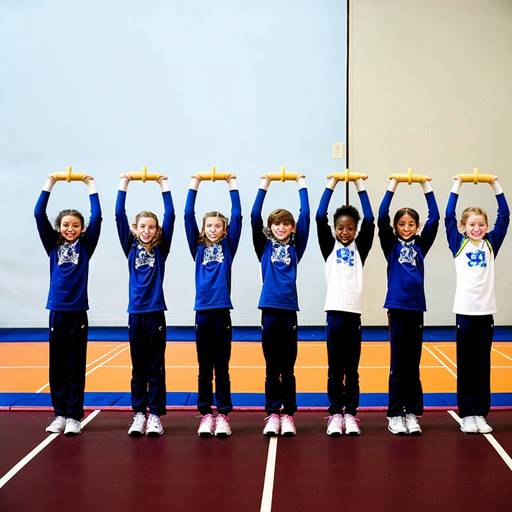
This Physical Education lesson for 5th-grade students focuses on developing fundamental gymnastics skills while promoting teamwork and sportsmanship through a relay race format. The 60-minute session begins with a dynamic warm-up involving stretching and simple gymnastics demonstrations. After explaining the objectives, students are divided into small teams, each participating in various gymnastics stations, including a balance beam, forward rolls, jump hurdles, and cartwheels. Teams compete in relay style, encouraging collaboration and cheering for one another as they complete each station. Following the relay, a cool-down period allows students to reflect on their experiences and stretch out. The lesson emphasizes skill development, cooperation, and the enjoyment of physical activity, with assessments based on participation, teamwork, and self-reflection. Future extensions include a mini-tournament or presentation day for students to showcase their learned skills.
This lesson plan is designed for toddlers, focusing on cultivating social skills related to teamwork through engaging and interactive activities. The session begins with a welcoming circle, where children are introduced to the concept of teamwork and encouraged to share their personal experiences.
Activities include collaborative tasks such as building structures with colorful blocks, assembling a large floor puzzle, and engaging in a ball-toss relay, all of which promote communication, sharing, and problem-solving. Additionally, a creative art project allows children to work together to create a group drawing, reinforcing their ability to cooperate and share materials.
The lesson concludes with a group discussion to reflect on their experiences, celebrating their teamwork through positive reinforcement. Educators are encouraged to observe interactions, provide feedback, and incorporate teamwork activities regularly to enhance social skills in their daily routines.

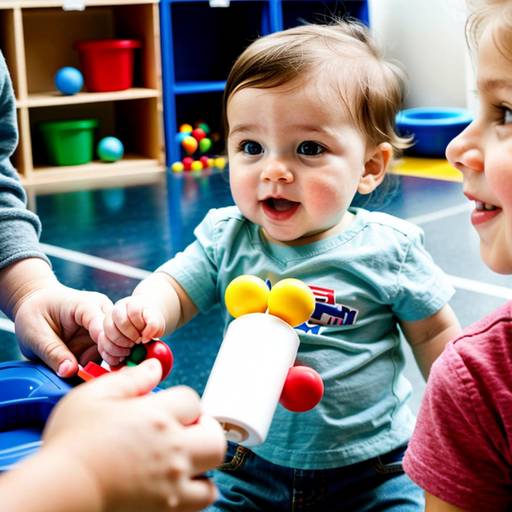
This lesson plan focuses on enhancing hand-eye coordination in infants aged 6-12 months through interactive, play-based activities. The session begins with a welcoming introduction, where caregivers are informed about the objective of developing motor skills.
The warm-up involves engaging infants with toy instruments, promoting sound exploration. The first main activity encourages infants to crawl towards rolling soft balls, fostering movement and visual tracking. Next, colorful scarves are tossed in the air, inviting infants to reach and grasp them as they fall, which further develops their coordination.
Building on motor skills, a stacking blocks activity allows infants to either stack or knock down blocks with caregiver assistance, reinforcing grasping abilities. Additionally, container play encourages reaching and transferring small sensory toys, promoting fine motor skills.
The session concludes with a calming circle time where a familiar nursery rhyme is sung, incorporating hand movements to maintain engagement. Parents receive guidance on safe play practices at home and suggestions for continuing development through daily activities. Overall, the lesson emphasizes fun, interactive learning while fostering essential motor skills in a supportive environment.
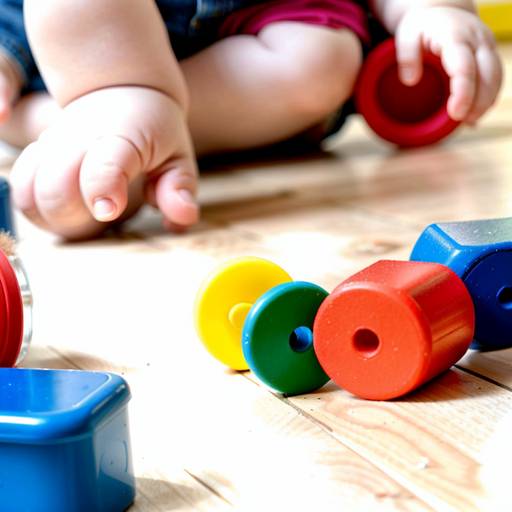
This lesson plan focuses on enhancing the fine motor skills of infants aged 6-12 months through a series of engaging, hands-on activities. The session begins with an introduction to the theme of hand movement and exploration. Infants will rotate through three activity stations designed to promote dexterity and coordination: stacking soft building blocks, stringing large beads or buttons, and searching for toys in a sensory bin filled with rice or sand.
Following the station activities, a group sharing time allows the infants to showcase their creations and discoveries, encouraging social interaction and celebration. The session concludes with a creative expression segment, where infants can use finger paints or thick markers to make art, promoting sensory exploration. Throughout the lesson, caregivers receive observations and insights into their child's fine motor development, along with suggestions for fostering these skills at home. Supervision is emphasized to ensure safety and maximize engagement with all materials throughout the lesson.

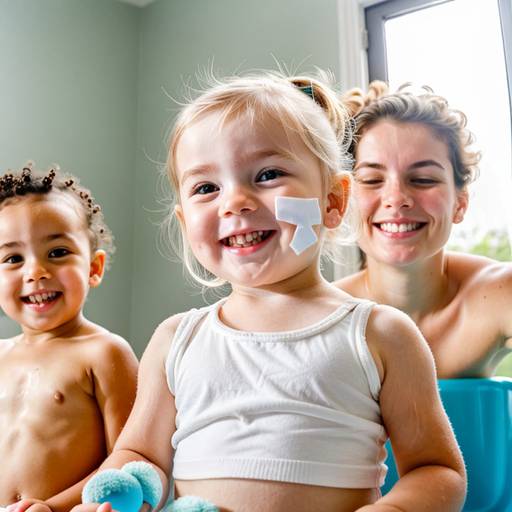
In this engaging lesson plan designed for toddlers, the focus is on teaching the importance of handwashing as a key aspect of self-care and hygiene. The session begins with a circle discussion to spark interest and curiosity about germs and the benefits of clean hands. Through a fun demonstration, children learn the step-by-step process of proper handwashing, including how to wet their hands, apply soap, scrub for at least 20 seconds, rinse, and dry.
As they practice in small groups, adults provide guidance and encouragement, ensuring each child can follow the procedure independently. The lesson is punctuated with songs to make the experience enjoyable and memorable. Towards the end, children reflect on their learning, discussing when and why they should wash their hands, solidifying their understanding of hygiene. An optional follow-up activity encourages continued practice at home, helping to instill healthy habits into their daily routines. Overall, the lesson aims to promote awareness and enthusiasm around hand hygiene in a playful and supportive environment.

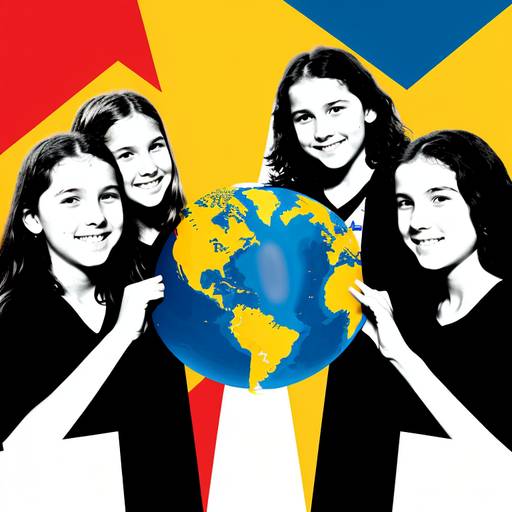
In this 5th-grade music appreciation lesson, students will explore music from various cultures around the world. The session begins with a discussion on the significance of music in different societies, encouraging students to share their experiences with global music. Students will then engage in a listening activity featuring audio clips of African drumming, Indian classical music, and Brazilian samba, where they will learn about the unique instruments and styles associated with each culture.
Following the listening segments, a class discussion will allow students to express their preferences and feelings about the music, fostering an understanding of how music reflects emotions and cultural stories. To conclude the lesson, students will create drawings that represent their chosen musical style and share their artwork with the class. Overall, the lesson aims to promote cultural appreciation through music while enhancing students' listening skills and creative expression.
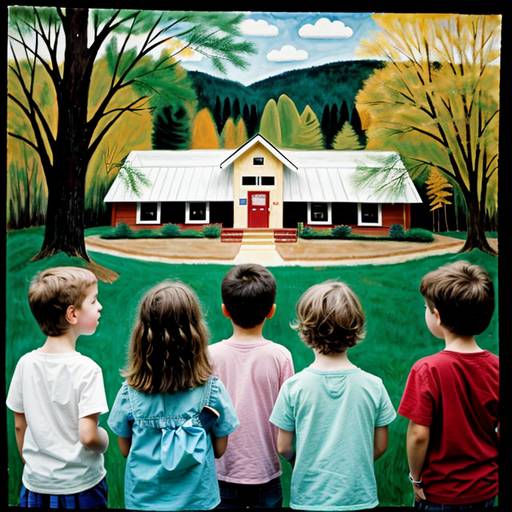
In this Kindergarten music lesson, students will embark on an exploration of natural sounds and their connection to music. The session begins with listening to various audio clips of natural sounds, followed by discussions where students share their thoughts and feelings about what they hear. They will then engage in a movement activity, where they imitate different natural sounds through body motions and vocalizations, enhancing their understanding of musical elements. To further encourage creativity, students will create artwork based on their favorite natural sound, expressing their interpretations through colors and shapes. The lesson concludes with a group discussion to reflect on their experiences and insights gained about the relationship between nature and music. Throughout the activities, emphasis is placed on participation, expression, and the joy of discovering music in the world around them.
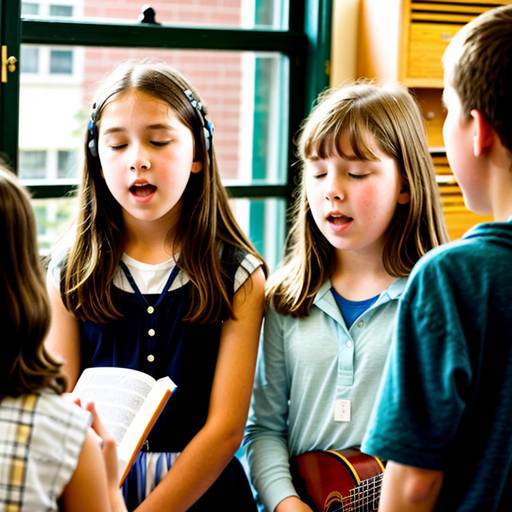
In this 5th-grade music lesson, students will explore the concepts of singing and harmony. The session begins with an introduction to the importance of singing and a basic explanation of harmony and unison. After a vocal warm-up, students will learn a simple song, “Twinkle, Twinkle, Little Star,” focusing on singing it in unison. Once comfortable, they will be introduced to basic harmony parts and practice singing in both unison and harmony in groups.
Students will then break into small groups to create their own harmonies for a familiar melody, fostering creativity and collaboration. Each group will present their unique harmonized versions to the class, allowing for positive feedback and reflection on the experience. The lesson emphasizes teamwork, musical development, and appreciation for the role of harmony in music, culminating in an engaging and interactive atmosphere. Optional extensions encourage further exploration of harmony in well-known songs and the use of recording technology.
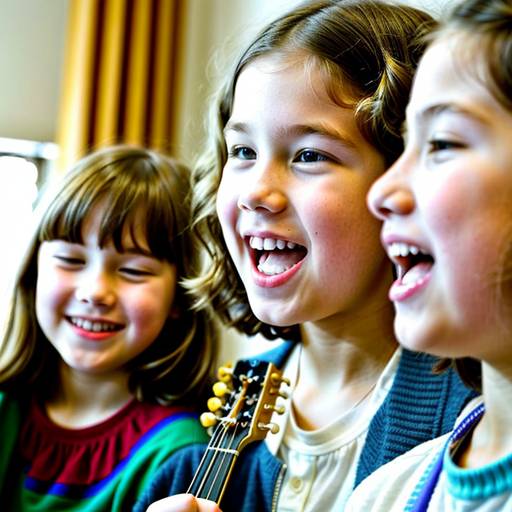
In this 4th-grade music lesson, students will explore the concept of harmony through vocal exercises and collaborative singing. The class will begin with vocal warm-ups and a discussion on harmony, including examples of songs that feature this musical element. Students will learn to sing in two parts—soprano and alto—by practicing a simple round, initially in unison and then in parts. Afterward, they will work in small groups to create their own melodies or lyrics, allowing for creative expression and teamwork. The lesson will conclude with performances of their creations and a reflection on the experience of singing in harmony. Students' participation and collaboration will be assessed throughout the session, promoting a fun and engaging environment for discovering the joys of music together.