
Filters
Level
Grade
Subject
Subject Area
Subject Topic
Standard(s)
Audience
Keyword
DurationMinutes
Lesson Plans

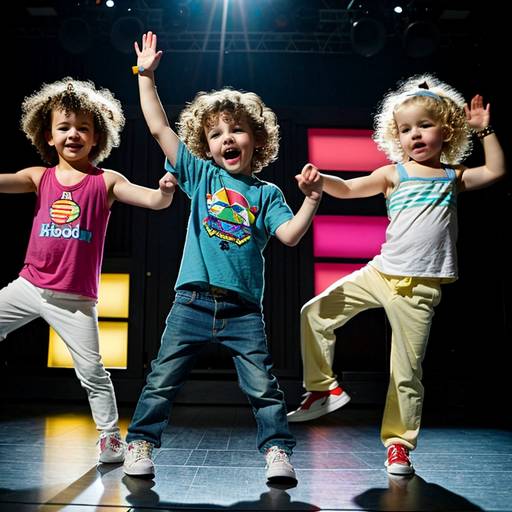
This toddler music and movement lesson plan focuses on developing rhythm and coordination through engaging activities. Over the course of 30-45 minutes, children will participate in various exercises designed to enhance their auditory skills and gross motor development. The session begins with a welcoming song and warm-up activities that encourage clapping and foot stomping to establish a sense of beat.
Participants rotate through three interactive stations: playing percussion instruments, moving with scarves to different tempos, and echoing visual rhythm cards. Following the station activities, a lively freeze dance encourages creative expression and responsiveness to music. The lesson concludes with a calm music segment for relaxation and a group discussion that invites children to share their experiences.
Throughout the lesson, the focus is on encouraging participation and fostering a love for rhythm, with opportunities for parents to incorporate these skills at home.

This Kindergarten math lesson focuses on introducing students to the concept of multiplication as repeated addition. It begins with a warm-up discussion about multiplication, followed by a read-aloud of a themed storybook that illustrates the concept. Through direct instruction, students learn to visualize multiplication with the help of counting blocks, making connections to addition.
In small groups, students participate in a hands-on activity where they represent different multiplication problems using blocks and share their findings with the class. This fosters teamwork and communication skills. After a collaborative presentation, students practice independently with worksheets that reinforce their understanding of multiplication through visual groupings. The lesson concludes with a reflective discussion about the importance and application of multiplication in real life.
Assessment is conducted through observation during group activities and the review of worksheets to ensure comprehension. Extensions and adaptations are available to further meet student needs and promote continuous learning. Overall, this lesson is designed to make multiplication engaging and accessible for young learners.

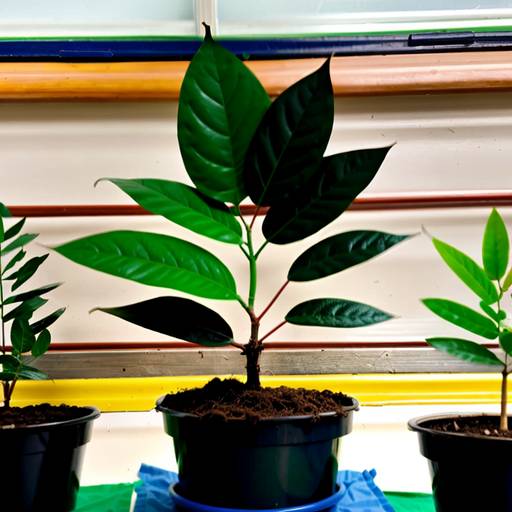
This preschool science lesson focuses on introducing young students to the world of plants. Over the course of approximately 37 minutes, children will engage in hands-on activities and interactive discussions to learn about the basic parts of a plant—including roots, stems, leaves, flowers, and seeds—and their essential needs for growth, such as sunlight, water, air, and soil.
The lesson begins with a circle time where students observe and discuss various plants using picture cards. They will then explore real plants to identify their parts and discuss their functions. Following this, students participate in a hands-on planting activity, where they plant seeds in pots and learn how to care for them. To reinforce their learning creatively, they will draw their favorite plants or imagined plants, labeling their parts.
The lesson encourages active participation, creativity, and environmental awareness, fostering a foundational understanding of botany in a fun and engaging manner. Students will conclude the session by sharing their drawings and thoughts about what they’ve learned. Throughout the lesson, the teacher will assess student understanding through observation and discussions.

In this first-grade science lesson, students will explore the world of plants, focusing on their basic needs, structure, and growth processes. The lesson begins with an engaging discussion about plants, where students will learn key terms such as roots, stems, leaves, and flowers. Through group activities, students will observe and identify the parts of a potted plant, using drawing and labeling to reinforce their understanding.
Next, students will engage in a hands-on planting activity, where they will plant seeds in individual cups, while discussing the necessary conditions for growth. As they care for their plants, they will document their observations and actions on a growth chart. In the closure, students will reflect on their learning and share their discoveries about plants. Assessment will be based on participation, drawings, and a follow-up worksheet related to plant care. Additionally, students will create a Plant Growth Journal to track their plants' growth over time, fostering a deeper appreciation for nature and the environment.
This lesson plan is designed for 4th-grade students to explore the concepts of digital citizenship and privacy protection in an engaging manner. The session begins with an interactive discussion about students' online activities and introduces key terms related to responsible technology use. Through a presentation and group discussions, students learn about the importance of privacy and how to recognize safe online behavior.
Students then work in small groups to analyze various online scenarios, determining which actions are safe and which may pose privacy risks. Afterward, they create informative posters that convey an aspect of digital citizenship or privacy protection, fostering creativity and reinforcing their understanding. The lesson concludes with reflective journaling, where students consider how they will apply their newfound knowledge both at school and at home. Assessment is based on participation, group contributions, and poster quality, with extensions available for further learning. Overall, the lesson emphasizes the shared responsibility of being a good digital citizen.
In this lesson plan, 3rd-grade students will explore the importance of digital citizenship and privacy protection in the online world. The lesson begins with a discussion about being responsible digital citizens and the significance of keeping personal information private. Students will engage in role-playing scenarios to identify what information is safe to share.
Through an interactive Bingo game, they will differentiate between personal and safe information, reinforcing their understanding of privacy. In small groups, students will create an "Online Safety Plan" poster that outlines strategies for online safety, which they will then share with the class. The lesson concludes with reflections on what students learned and how they can apply these concepts at home and in school. Overall, the plan emphasizes responsible online behavior, empowering students to navigate the digital landscape safely.
In this 60-minute lesson for 5th graders, students will explore the essential concepts of digital citizenship and the critical importance of online privacy protection. The lesson begins with a discussion on responsible online behavior, transitioning into a focus on why safeguarding personal information is vital. Students will learn how to create strong passwords and navigate privacy settings on popular platforms.
During a group activity, students will analyze various scenarios involving online sharing and assess their safety, ultimately presenting their findings to the class. The lesson concludes with a review of key takeaways and the distribution of a "Privacy Protection Checklist" that outlines practical steps for maintaining online security. Students will be assessed based on their participation in discussions, group activities, and the completion of the checklist.
To reinforce the concepts learned, students will have the opportunity to create a poster or digital presentation as homework, highlighting the importance of online privacy. Overall, this lesson fosters critical thinking about digital behavior while encouraging a proactive approach to privacy in the digital age.
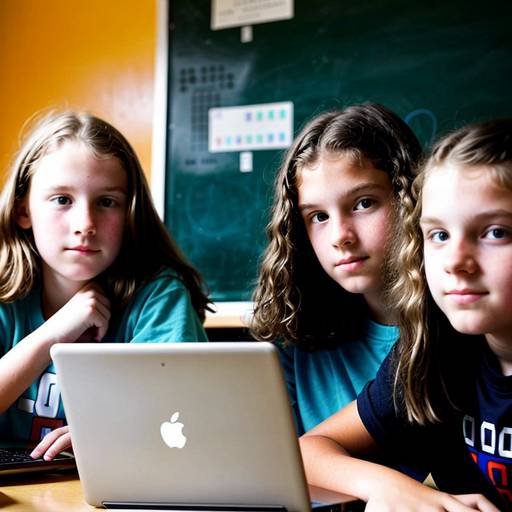
In this technology lesson for 5th graders, students will explore the concepts of internet privacy and the importance of protecting personal information online. The lesson begins with an engaging discussion about what constitutes private information and the significance of maintaining privacy in a digital world. Through direct instruction, students will learn about various privacy settings on popular platforms, using visual demonstrations to illustrate their functions and importance. After creating mock social media profiles, students will practice applying privacy settings, reinforcing their learning in a hands-on manner.
Following guided practice, students will reflect on their understanding of internet privacy by writing a short paragraph about what they learned and how they plan to apply it in their online activities. The lesson concludes with a review of key concepts and an opportunity for students to ask questions. Assessment will be based on participation and the reflections collected, while extensions encourage students to further educate their peers on internet safety. Accommodations will be provided to ensure all learners can fully engage with the material, fostering a comprehensive understanding of how to navigate the internet safely.

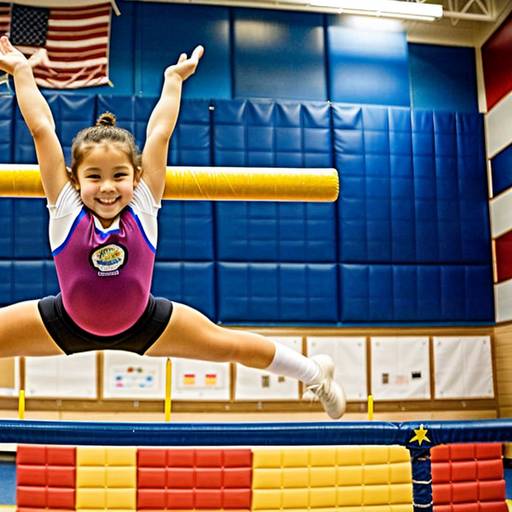
This 4th-grade physical education lesson focuses on developing balance and coordination through engaging gymnastics and sports activities. The session begins with an introduction to the importance of these skills in both sports and gymnastics, followed by a warm-up that includes dynamic stretches and aerobic movements to prepare students for physical activity.
Students participate in a balance beam activity, where they practice walking across the beam in various directions to improve their balance. The lesson then transitions to coordination stations, where students rotate through several activities, including hula hooping, jump roping, and weaving through cones. Each station emphasizes different coordination skills and encourages students to challenge themselves.
In the final segment, students work in groups to create simple gymnastic routines that incorporate balance movements, coordination components, and creative movements, which they then present to the class. The lesson concludes with a cool-down session that focuses on deep breathing and gentle stretching to relax the muscles.
Assessment is carried out through observation of students' performance and their ability to work cooperatively during routines. The lesson emphasizes teamwork, creativity, and the importance of trying new skills while reinforcing fundamental movement concepts.
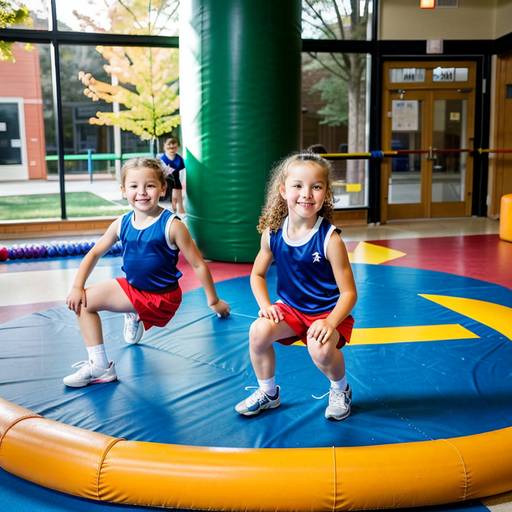
In this Kindergarten Physical Education lesson, students engage in a series of activities designed to develop their motor skills, coordination, balance, and teamwork through gymnastics and sports-related exercises. The session begins with a fun warm-up involving movements and dynamic stretches to energize the students.
Next, students rotate through four activity stations, which focus on balance, jumping, throwing, and coordination with soft balls and jump ropes. Each station lasts around five minutes, allowing students to explore different physical skills in a supportive environment. Following the stations, students participate in a team relay challenge, fostering collaboration and encouraging them to cheer for one another as they complete simple tasks together.
The lesson concludes with a gentle cool-down, including stretches and a group discussion where students reflect on their favorite activities and what they learned about balance and teamwork. Assessment is conducted through observation of participation and skill execution, ensuring a safe and inclusive environment for all students.