
Filters
Level
Grade
Subject
Subject Area
Subject Topic
Standard(s)
Audience
Keyword
DurationMinutes
Lesson Plans

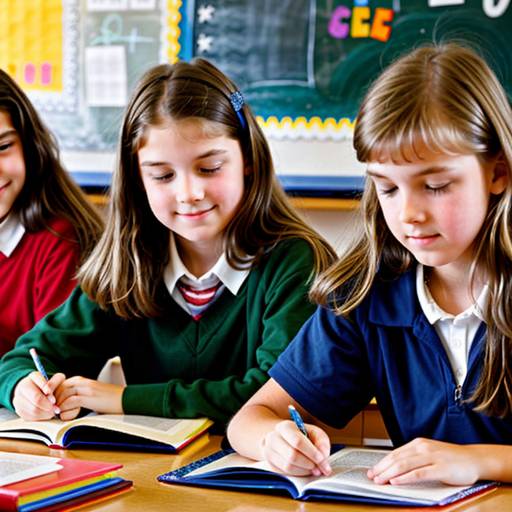
In this 5th-grade Language Arts lesson plan focused on grammar and capitalization, students will learn the essential rules for using capital letters correctly in writing. The lesson begins with an engaging discussion about the importance of capitalization, followed by the introduction of basic rules through a handout. Guided practice involves identifying and correcting capitalization errors in sentences on the whiteboard.
Students then work in pairs to read a short story filled with intentional capitalization mistakes, highlighting and correcting them collaboratively. After sharing their corrections with the class, students apply their knowledge by writing a short paragraph about their favorite holiday or activity, ensuring to use proper capitalization.
The lesson concludes with a recap of key concepts and a review of student work. Assessments include observing participation, evaluating corrected stories, and reviewing the written paragraphs. Adaptations are provided for varying skill levels, and a follow-up activity encourages creativity through photo captioning while reinforcing capitalization rules.
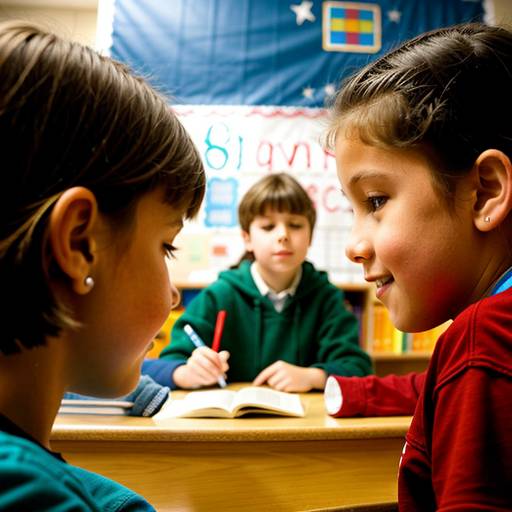
In this 4th-grade Language Arts lesson, students will explore the basics of grammar, focusing on nouns, verbs, and adjectives, as well as proper punctuation marks such as periods, question marks, and exclamation points. The lesson begins with a discussion on the importance of grammar and punctuation, illustrated with examples that highlight how these elements can change the meaning of sentences.
Following direct instruction, students will engage in a group activity where they work together to build creative sentences using provided words, ensuring correct grammar and punctuation usage. Each group will present their sentences to the class, allowing for peer feedback. Afterward, students will complete an independent worksheet that reinforces the concepts learned.
The lesson concludes with a brief review, encouraging students to reflect on their new knowledge, and it offers a creative homework assignment where they will apply what they've learned by writing a short story. Throughout the lesson, students are guided to collaborate, think critically about language use, and express their creativity while enhancing their grammar and punctuation skills.
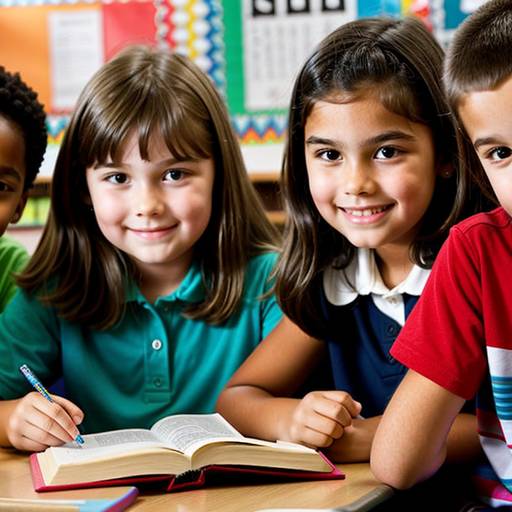
In this lesson plan for 3rd-grade language arts, students will explore the essential role of punctuation in writing. The lesson begins with an engaging introduction that highlights why punctuation is important and how it influences the meaning of sentences. Following a guided demonstration, students will work in pairs to identify and apply various punctuation marks—periods, commas, question marks, and exclamation points—on worksheets designed to help them practice.
For independent practice, students will select sentences from short stories and rewrite them with the correct punctuation, allowing them to express their creativity. The class will then share their punctuated sentences, fostering discussion about their choices. The lesson concludes with a recap of key points, where students reflect on their learning about punctuation, leading to the distribution of rewards for participation and achievement throughout the session. Assessment will be based on observation during activities and the completed worksheets to evaluate students’ understanding of punctuation. Modifications are included to support learners of varying levels. Overall, the lesson aims to make grammar and punctuation engaging and accessible.
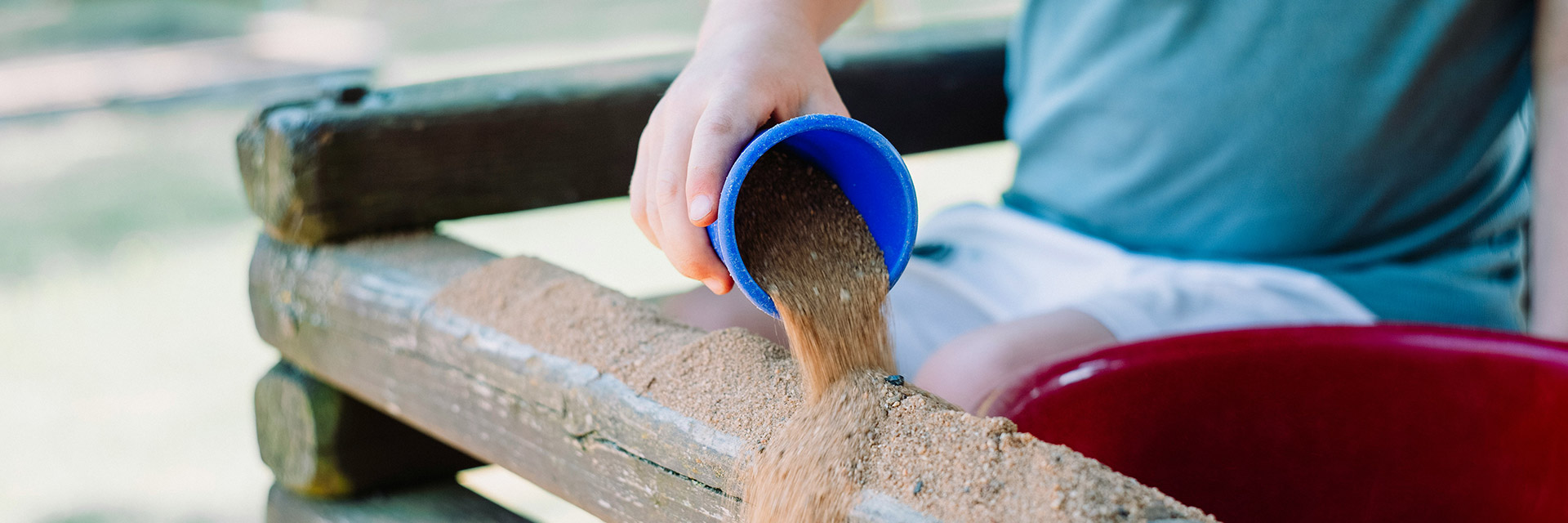
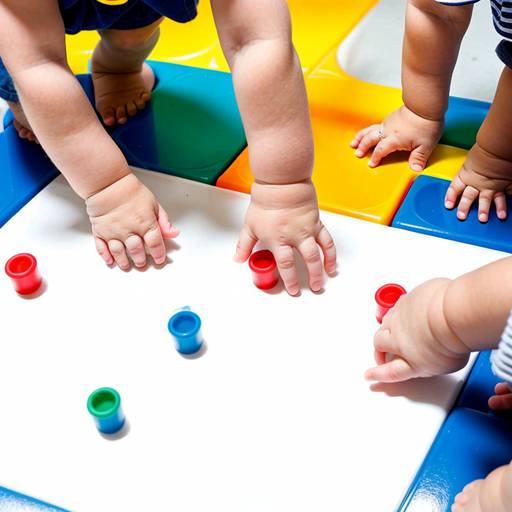
This lesson plan aims to enhance toddlers' fine motor skills, specifically focusing on hand strength and grip through a variety of engaging activities. The session includes five key activities designed to promote muscle development in the hands and fingers.
The first activity features playdough, where children roll, squeeze, and mold the material, encouraging hand strength. Next, they use plastic tweezers to transfer pom-poms between cups, practicing grip and fine motor control. In the third activity, small balls are utilized for tossing and catching to improve hand-eye coordination. The fourth activity involves using clothespins to strengthen finger muscles as children pinch and attach them to various surfaces. Optionally, a water play station with sponges allows children to practice squeezing while exploring sensory experiences.
The session concludes with a group discussion, where children share their favorite activities and reflect on what they learned. Overall, the plan fosters an enjoyable learning environment while supporting the development of crucial fine motor skills.

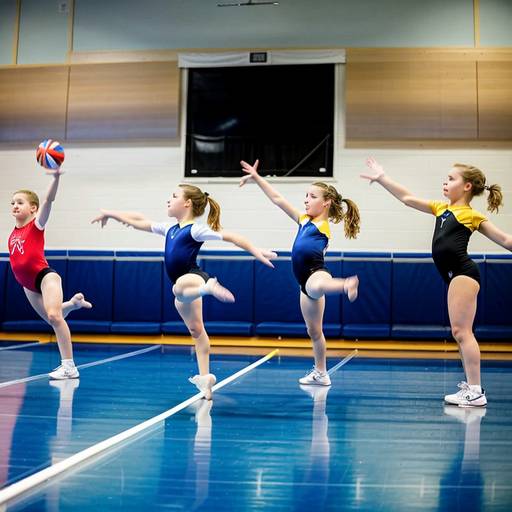
This lesson plan is designed for 5th-grade students and focuses on developing movement, balance, and teamwork through gymnastics and sports-related activities. The session begins with a warm-up that includes light jogging and dynamic stretches, followed by an introduction to key gymnastics skills such as forward rolls, cartwheels, and balance techniques.
Students are divided into small groups and rotate through skill development stations, allowing them to practice each gymnastics movement with partner support. Additionally, a coordination station with hula hoops is included to enhance their agility. A team challenge, featuring a relay race that incorporates the skills practiced, fosters collaboration and sportsmanship among students.
The lesson concludes with a cool-down stretching session and a reflective discussion about the importance of balance, coordination, and teamwork. Overall, the plan aims to engage students in physical activity while promoting positive social interactions and fitness.

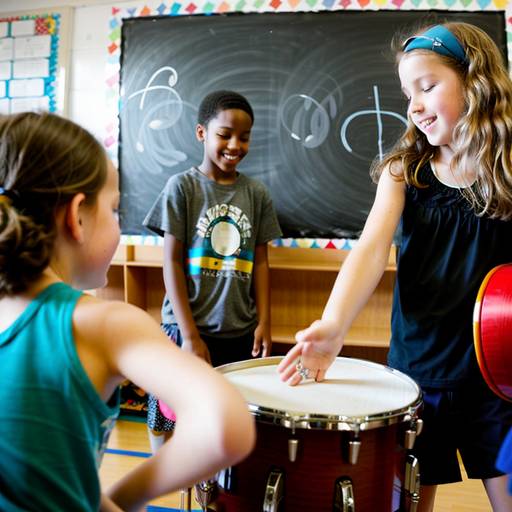
In this 5th-grade music lesson, students will explore the concept of rhythm through a combination of clapping, movement, and percussion instruments. The session will begin with a clapping exercise to warm up and introduce the idea of rhythm, followed by a discussion on its importance in music and daily life. Students will learn to read basic rhythmic notations including quarter notes, eighth notes, half notes, and rests through guided practice.
The lesson includes interactive stations where students engage in body percussion, play percussion instruments, create movement sequences, and compose their own rhythmic patterns in small groups. After rotating through the stations, students will have the opportunity to share their creations with the class, promoting collaboration and creativity.
The lesson concludes with a reflection on what they learned and how they can incorporate rhythm into their everyday lives. Assessment will be based on observation during activities and evaluation of group presentations. Additionally, there are suggestions for extensions to further develop students' understanding of rhythm, including more complex patterns.

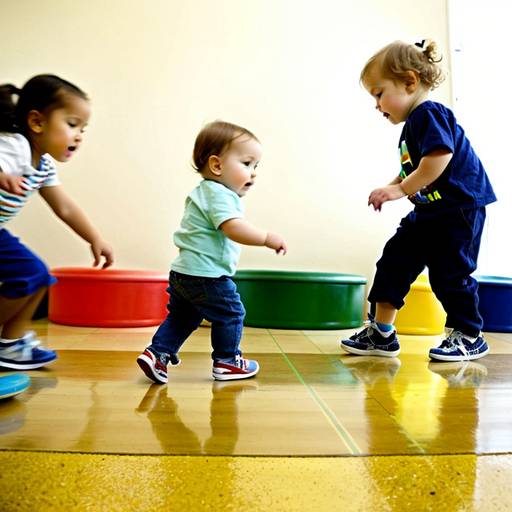
This lesson plan aims to enhance gross motor skills in infants aged 6 to 12 months through engaging, interactive activities. The session begins with a welcoming circle and a fun song, followed by warm-up stretching and tummy time to activate key muscle groups.
The main activities include a mini obstacle course designed to promote crawling, climbing, and coordination, as well as a ball-rolling game to improve hand-eye coordination and arm movements. The session culminates with a lively dance party, allowing infants to bond with caregivers while moving to upbeat music.
To conclude, a gentle cool-down with calming music and story time helps relax the infants and caregivers alike. Caregivers receive observational feedback regarding their child's participation and suggestions for at-home activities to further support gross motor skill development, emphasizing the importance of play in promoting physical movement and confidence in infants.
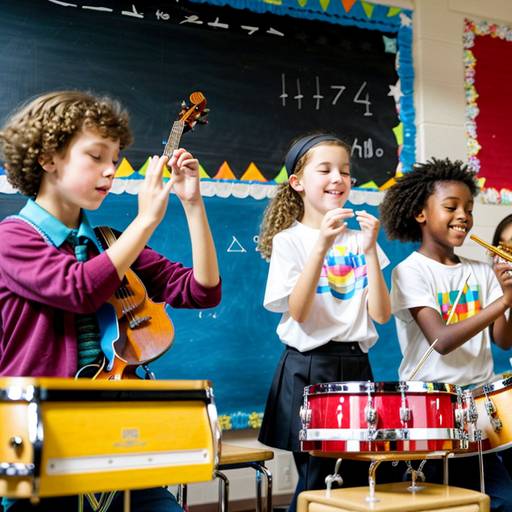
In this 4th-grade music lesson, students will explore fundamental concepts of music theory, focusing on rhythm and note values. The lesson begins with a rhythm echo exercise to engage students and introduce the importance of rhythm in music and everyday life. Students will learn about basic note values—whole notes, half notes, quarter notes, and eighth notes—through visual aids and clapping exercises.
Following this introduction, students will work in small groups with percussion instruments to create and rehearse their own rhythmic patterns, combining at least two different note values. Afterward, the class will unite to form a "Rhythm Band," performing their patterns together over a steady background beat, emphasizing collaboration and the layering of rhythms.
To conclude, students will reflect on their learning experience, discussing the significance of rhythm in music and teamwork. They will be encouraged to practice rhythm patterns at home, reinforcing their understanding of the concepts taught. Assessment will involve observing group dynamics, listening to performances, and a short worksheet on note values and rhythm creation. This interactive approach aims to enhance students' musical skills and foster creativity.
In this Kindergarten music lesson, students will explore foundational concepts of rhythm through engaging activities involving clapping, body percussion, and percussion instruments. The lesson begins with a welcoming song to introduce rhythm as a pattern of sounds and silences. Following an activation of prior knowledge, students participate in a clapping exercise to practice echoing simple rhythms and distinguishing between strong and weak beats.
Next, they will learn a body percussion pattern incorporating claps, snaps, and stomps, fostering creativity as they take turns creating their own patterns. After practicing with unpitched percussion instruments, students will play along to a song with a clear beat. Additionally, they will connect movement to rhythm by dancing or moving in time with music.
The lesson concludes with a reflective circle discussion about their experiences and preferences related to rhythm and music-making. Throughout the activity, students demonstrate their understanding of rhythmic concepts while having fun and building confidence in their musical abilities. Opportunities for differentiation and extensions are provided to ensure all students can engage and thrive in the lesson.

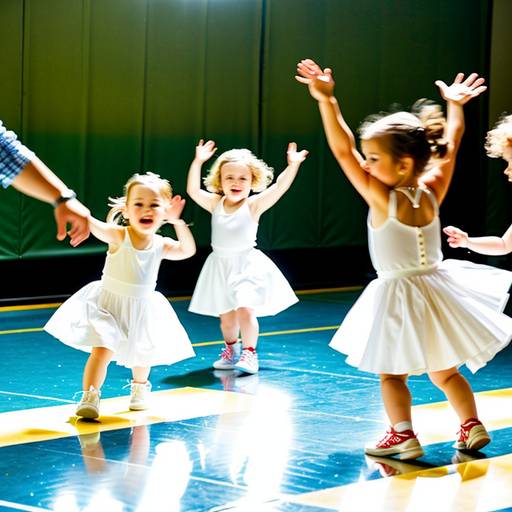
The lesson plan focuses on enhancing toddlers' coordination and gross motor skills through engaging music and movement activities. It begins with a brief introduction, followed by a warm-up that incorporates stretching and animal movements. Children will explore dancing with scarves or ribbons, mimicking each other's actions, and expressing their creativity to upbeat music. Coordination games, such as balancing a beanbag while walking and hopping in and out of hula hoops, further reinforce their skills in a playful manner. A group dance circle encourages teamwork as each child has the opportunity to lead a movement, promoting social interaction. The session concludes with a calming cool-down involving slow stretches and reflection on their favorite activities. Throughout the lesson, children are monitored for participation and skill development, with suggestions for continuing the fun at home. Ultimately, this plan aims to create a joyful and dynamic environment that fosters physical growth and self-expression in young learners.