
Filters
Level
Grade
Subject
Subject Area
Subject Topic
Standard(s)
Audience
Keyword
DurationMinutes
Lesson Plans

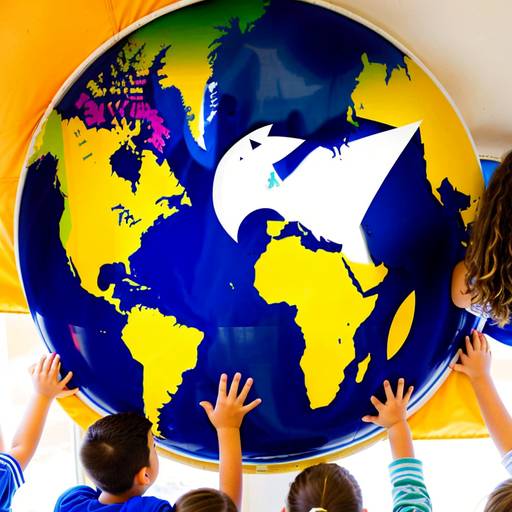
In this third-grade social studies lesson, students will explore geography and cultures from around the world. They will start by discussing the concept of geography and identifying various countries on a world map. The teacher will introduce a few selected countries, sharing interesting facts about their geographical features and cultural highlights. Students will then work in small groups, each assigned a different country, to complete a country profile worksheet that includes location, flag, geography, and cultural aspects. This promotes research skills and teamwork. Each group will present their findings to the class, fostering communication and engagement. The lesson concludes with a recap of the significance of geography and culture in connecting people globally. Optional extension activities and differentiation strategies are included to meet diverse learning needs, ensuring all students can participate meaningfully.

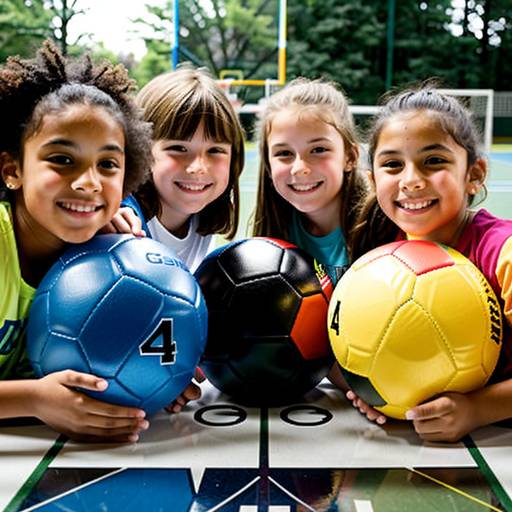
This physical education lesson plan for 4th graders focuses on developing fundamental soccer skills such as dribbling, passing, and shooting while emphasizing teamwork and sportsmanship. The session begins with a dynamic warm-up and a fun relay to engage students. Students then rotate through skill stations, practicing dribbling through cones, pairing up for passing drills, and taking shots on goal. The lesson culminates in small-sided scrimmage games, allowing students to apply their skills in a team setting. A cool-down period follows, during which students reflect on their experiences and challenges faced throughout the activities. The lesson aims to foster collaboration and enjoyment in soccer, while also encouraging physical fitness and skill development. Safety measures are integrated, and extensions for continued learning are suggested, including video analysis of professional soccer techniques.
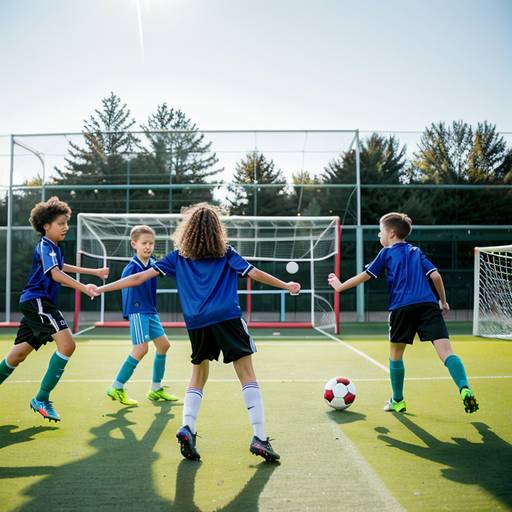
In this physical education lesson for 3rd graders, students will engage in a fun and interactive introduction to soccer, focusing on essential skills such as dribbling, passing, and shooting. The lesson begins with a dynamic warm-up to prepare students physically, followed by a discussion about the game, its rules, and the significance of teamwork.
Students will rotate through three skill stations—dribbling, passing, and shooting—where they will practice these fundamental techniques in small groups. After this hands-on practice, students will participate in a modified mini-soccer game, allowing them to apply the skills they’ve learned while emphasizing sportsmanship and teamwork.
The session concludes with a cool-down period featuring gentle stretches and a reflective discussion, where students can share their experiences and insights from the lesson. Throughout the activities, instructors will assess students’ skills and participation, ensuring that everyone is engaged and learning. Adjustments will be made as necessary to accommodate varying skill levels, promoting an inclusive environment for all participants.
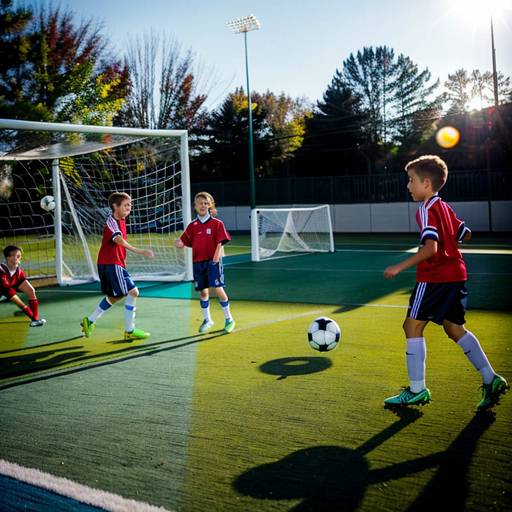
In this 2nd-grade physical education lesson, students will explore the fundamentals of soccer while developing essential skills such as dribbling, passing, and shooting. The session begins with a brief introduction to the sport, emphasizing teamwork and communication. After a dynamic warm-up to prepare their bodies, students will engage in skill development drills, practicing dribbling through cones, passing with partners, and shooting at a goal.
Following skill practice, students will participate in mini-games, allowing them to apply what they've learned in a fun, competitive setting. The lesson concludes with a cool-down period and a discussion, where students reflect on their experiences, share their favorite moments, and think about how they can support their teammates. Throughout the lesson, students will be encouraged to foster cooperation and sportsmanship, creating an inclusive and enjoyable environment for all participants.


This lesson plan is designed for toddlers aged 2-4 years, focusing on teaching the essential steps of using the toilet independently. The session begins with an engaging discussion about the importance of using the toilet, followed by an interactive story that encourages participation.
Children are introduced to the steps involved in toileting through demonstration using picture cards. They then have the opportunity to create a personalized toilet routine chart, reinforcing the learning process. Role-playing with puppets allows for practical application of the steps in a fun and supportive environment.
The lesson concludes with a collective handwashing activity to emphasize hygiene, and each child receives a sticker for their participation, boosting their confidence and encouraging further practice at home. Caregivers are provided with a guide to continue supporting their child's growth in toilet independence. Overall, the plan fosters self-care skills, hygiene awareness, and a sense of achievement among the children.
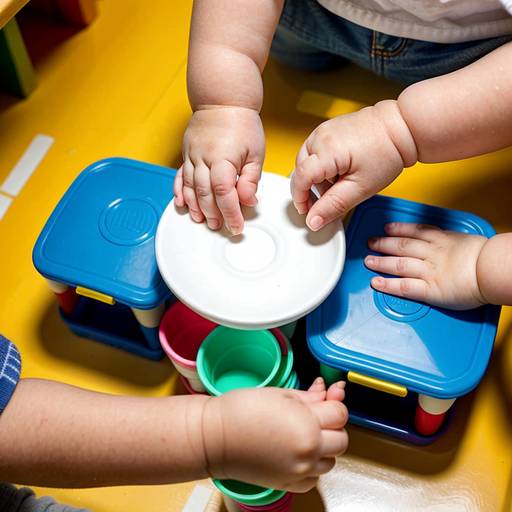
This lesson plan focuses on developing fine motor skills and hand-eye coordination in toddlers aged 2-4 through a series of engaging activities. The session begins with an introduction to hand-eye coordination, followed by a group activity where children stack colorful blocks to create towers, fostering both balance and strength in their hands.
Next, children participate in a sorting activity that involves picking up small objects with tongs and transferring them into designated bins based on color or shape, enhancing their dexterity and sorting skills. The lesson continues with an interactive bouncing ball activity, promoting tracking skills and teamwork as they roll or bounce balls to one another.
To conclude the lesson, children enjoy a fun bubble freeze dance, encouraging them to move, chase, and freeze while incorporating imaginative poses. The session wraps up with a discussion about their experiences and learning outcomes. Throughout, the emphasis is on skill development, engagement, and positive reinforcement, with suggestions for extending practice at home.


In this 1st-grade Language Arts lesson plan, students will explore the fundamentals of grammar and punctuation through engaging activities. The lesson begins with an interactive introduction to sentences, highlighting the essential roles of capital letters and punctuation marks, including periods, question marks, and exclamation points.
Students will participate in discussions to identify types of sentences and practice adding appropriate punctuation. In small groups, they will create their own sentences using provided words, then present their work to the class, allowing for peer feedback on punctuation.
Independent practice will involve completing worksheets where students will punctuate provided sentences. The lesson concludes with a review session where students share their sentences, reinforcing their understanding and celebrating their efforts with stickers. Informal assessment will occur through observation and the review of worksheets, with extensions available for advanced and struggling students. Overall, this lesson promotes cooperative learning and encourages students to express themselves clearly through correct grammar and punctuation.
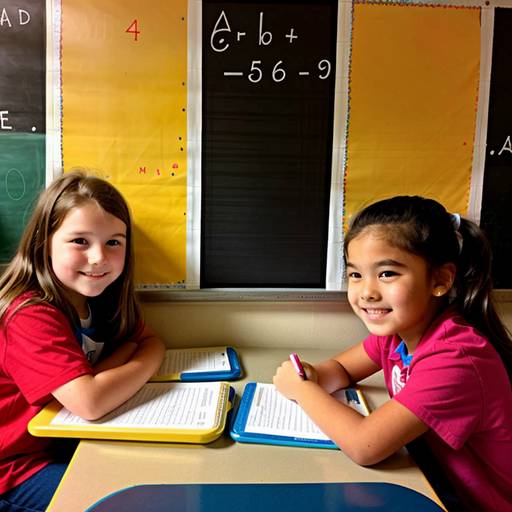
In this 4th-grade language arts lesson focused on grammar and capitalization, students will learn the essential rules for using capital letters correctly. The lesson begins with an engaging discussion about the importance of capitalization, followed by an overview of key rules, including the capitalization of the first word in a sentence, names, titles, and specific nouns. Through guided practice, students analyze and correct capitalization errors in a provided passage, fostering collaborative learning.
Following this, they will independently write sentences about their own adventures, making sure to apply the capitalization rules. Peer review will allow students to give and receive feedback on their use of capitalization. The class will conclude with a sharing session, summarizing the key concepts covered. Assessment will be based on students' participation during the practice activities and the accuracy of their written sentences, with strategies included for varying levels of student understanding. Optionally, students may complete homework that reinforces their learning through reading and identifying capitalized words in texts.
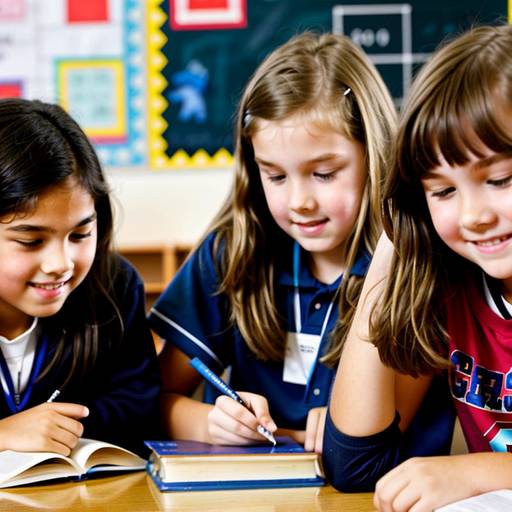
In this 5th grade Language Arts lesson plan, students will explore the importance of grammar and punctuation in writing. The lesson begins with an engaging discussion on how punctuation influences meaning, followed by an interactive whiteboard activity where students correct sentences that lack punctuation.
Next, students participate in a Punctuation Card Game where they work in small groups to identify and apply appropriate punctuation marks to given sentences. Afterward, individual practice is facilitated through worksheets that challenge students to correct sentences, convert statements into questions, and creatively use punctuation in their writing.
The lesson concludes with a sharing session, allowing students to reflect on their learning and the impact of punctuation on clarity in communication. Assessment will be based on participation and worksheet performance, with extensions available for those seeking further practice. Overall, the lesson fosters collaboration and hands-on learning to enhance students’ grammar and punctuation skills.
In this 60-minute language arts lesson for 2nd graders, students learn about essential punctuation marks—including periods, question marks, and exclamation points—and their importance in constructing complete sentences. The lesson begins with a discussion highlighting the significance of punctuation in communication.
Following a direct instruction segment, where the teacher models sentence examples without punctuation, students participate in identifying the correct punctuation needed for each sentence. Guided practice involves completing a worksheet together, while independent practice allows students to finish sentences on their own, with an option to illustrate their work.
The session concludes with a review where students share their sentences and discuss their punctuation choices, reinforcing their understanding of nouns and verbs. Assessment includes observation during activities and reviewing completed worksheets for accuracy in punctuation usage. The lesson is designed to promote engagement, collaboration, and creativity while reinforcing key grammar concepts.