
Filters
Level
Grade
Subject
Subject Area
Subject Topic
Standard(s)
Audience
Keyword
DurationMinutes
Lesson Plans

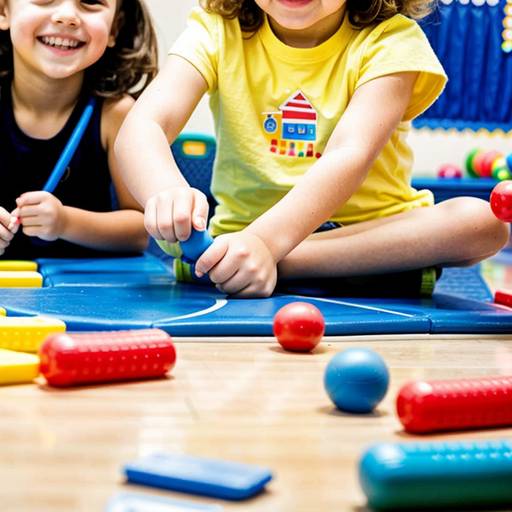
This preschool physical education lesson focuses on enhancing fine motor skills through a variety of engaging activities over a 75-minute session. The lesson begins with a warm-up activity to get the children moving and familiar with the concept of fine motor skills.
Four activity stations are set up, each designed to target specific fine motor skills: children will manipulate play dough, thread large beads, practice cutting with child-safe scissors, and complete large-piece puzzles. After exploring these stations, the children participate in a fun, obstacle course that incorporates balance and manipulation techniques.
The session concludes with a cool-down period, including stretching and a reflective discussion on what they enjoyed during the activities. To wrap up, the children sing a playful song that encourages hand movements. Throughout the lesson, educators observe the children's participation and skill development, ensuring a safe and supportive learning environment. Adaptations are made to accommodate various abilities, fostering confidence and engagement in all participants.

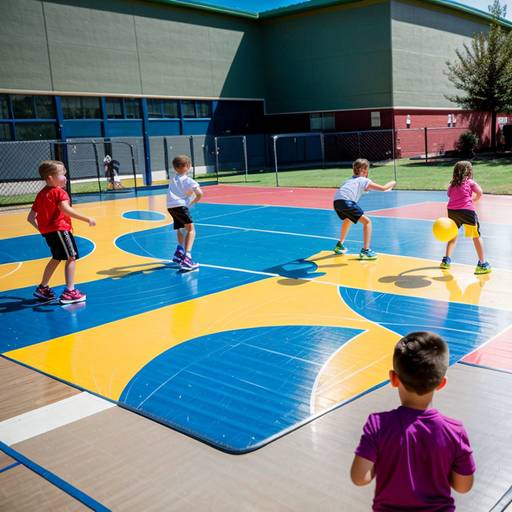
This 2nd-grade physical education lesson plan focuses on promoting fitness and strength through a series of engaging activity stations. The class begins with a warm-up that includes stretching and a follow-the-leader movement exercise. Students then rotate through five stations that each feature a different physical activity, such as hula hooping, jump roping, ball tossing, balance walking with pool noodles, and body weight exercises. Each station encourages gross motor skill development, teamwork, and individual fitness challenges. After the main activities, a cool-down session fosters relaxation and encourages students to reflect on what they learned. The lesson emphasizes participation, cooperation, and enjoyment of physical fitness while providing opportunities for assessment and adaptation based on individual student needs.
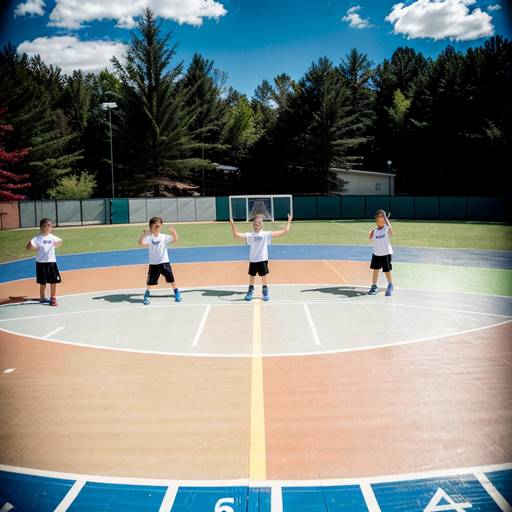
In this 45-minute physical education lesson for 3rd graders, students will focus on enhancing their coordination and teamwork skills through engaging activities. The session begins with a warm-up consisting of light jogging and dynamic stretching, followed by a coordination drill involving partner ball tosses.
The main activity centers around a relay using hula hoops, where students must pass the hoop around their bodies in a relay race format. Teams will work together to complete the challenge as quickly as possible while encouraging each other along the way. After the activity, the class will gather for a discussion to reflect on their experiences, strategies, and the importance of communication in teamwork.
The lesson concludes with a cool-down involving gentle stretches and a recap of the day's objectives, emphasizing how cooperation and coordination can be applied in various aspects of life. Observations of student participation and teamwork will be used for assessment, with adaptations provided for those needing additional support. The overall goal is to foster a supportive environment where students can grow both physically and socially.

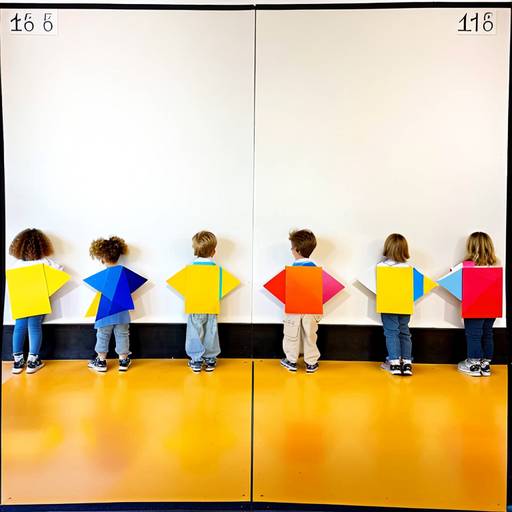
In this 3rd-grade math lesson focused on geometry and lines, students will explore fundamental concepts related to lines and shapes. They will learn to identify three types of lines: horizontal, vertical, and diagonal, and understand how these lines contribute to the formation of basic geometric shapes such as triangles, squares, rectangles, and circles.
The lesson begins with a discussion to engage students by identifying lines in their classroom environment. After introducing the types of lines through demonstrations and examples, students participate in guided practice where they explore shapes and categorize the lines that make them up.
During independent practice, students create their own shapes using specified lines, reinforcing their understanding and allowing for creativity. They will then share their creations with the class, explaining the types of lines used. The lesson concludes with an assessment of both the worksheets and the shape creations to evaluate students’ grasp of the material and their ability to apply what they've learned. Extensions are provided for advanced learners to further challenge their understanding of geometry by incorporating angles and complex figures.
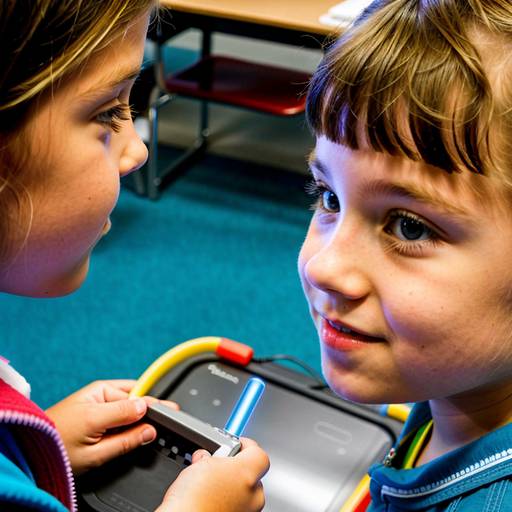
In this engaging lesson for 1st-grade students, participants will explore the importance of maintaining and cleaning their technological devices. The lesson begins with an interactive discussion where students share their favorite gadgets, leading to a conversation about device cleanliness. Using printed illustrations, students will identify the need for cleaning various devices like tablets and laptops. A demonstration will follow, showcasing proper cleaning techniques using appropriate materials.
Students will then participate in a hands-on activity, cleaning assigned devices in small groups while practicing teamwork and communication. To conclude, the class will reflect on their learning experiences and discuss how often they should care for their devices at home. Rewards in the form of stickers will be given for participation and successful cleaning efforts. The lesson emphasizes the responsibility of caring for technology and equips students with practical skills they can apply at home and in the classroom.

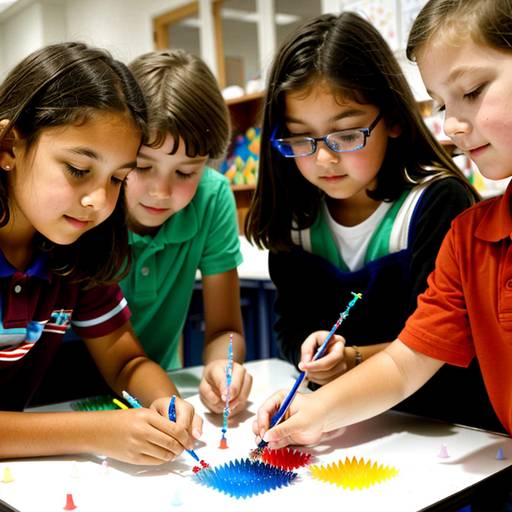
This lesson plan for 4th-grade students focuses on exploring the art form of glass, highlighting its history and significance. The plan spans two class sessions, during which students engage in discussions about various forms of art and learn about famous glass artists and their works.
In the first session, students create their own glass-inspired artwork using colorful cellophane and cardstock to mimic stained glass windows. They are encouraged to express their creativity while developing their fine motor skills.
The second session involves students finishing their projects and displaying them under a light source to see how the colors and designs change. A reflection discussion allows for sharing thoughts and experiences related to the project, fostering a deeper understanding of glass art and its impact.
Assessment is based on student engagement, effort, and creativity, while extension activities may include field trips or guest artist visits. Overall, the plan is designed to inspire appreciation for a unique art medium while encouraging self-expression.
In this 2nd-grade technology lesson plan, students will learn about the importance of device maintenance and cleaning to ensure the optimal performance and longevity of classroom technology. The lesson begins with an engaging discussion to introduce various devices and the significance of keeping them clean. A demonstration follows, where students will observe proper cleaning techniques for devices such as tablets and laptops, including the appropriate tools and methods.
Students will then participate in a hands-on activity, where they will be divided into small groups to practice cleaning assigned devices using microfiber cloths, disinfectant wipes, and soft brushes. As they clean, they will be supervised and guided to ensure they apply the techniques correctly.
The lesson concludes with a group discussion, allowing students to share what they learned and reflect on the importance of regular maintenance. Teachers will assess students based on their participation during the cleaning activity and their understanding of the key concepts. This lesson not only equips students with practical skills but also instills a sense of responsibility for the care of technology in their environment.
In this 4th-grade math lesson, students will explore the concept of time and the significance of time zones. They will learn how to measure time and understand the geographical divisions that cause different areas to have varying local times. The lesson begins with a discussion of students' personal experiences with time differences, followed by direct instruction on how to read time on a clock and convert times between different zones using a world map.
During guided practice, students will work on worksheets to reinforce their understanding of time zone conversions. Following this, they will be divided into small groups, where they will research specific cities from different time zones and create presentations that highlight current local times and cultural activities. The lesson concludes with a recap and a homework assignment focused on further practice with time conversions.
Assessment will be based on class participation, the completion of worksheets, and the quality of group presentations. Extensions will encourage students to engage with the concept of time through tracking their daily schedules and contributing to a classroom "world clock" bulletin board. This comprehensive approach aims to make the concept of time zones relatable and applicable to students’ lives.

In this preschool social studies lesson, students will explore the concept of holidays celebrated around the world. The lesson begins with a group discussion to define holidays and share personal experiences related to their favorite celebrations. A read-aloud session featuring picture books will introduce various cultural holidays, engaging children with inviting illustrations and open-ended questions.
Following the story, students will participate in a discussion that connects their own holiday traditions to those mentioned in the book. The lesson culminates in a hands-on craft activity, where children will create decorations that reflect their chosen holiday, fostering creativity and personal expression.
As the lesson concludes, students will gather in a circle to share their crafts and articulate why their holiday is significant to them. Throughout the lesson, students will gain an appreciation for diverse traditions and develop empathy towards different cultural practices, enhancing their social understanding within the classroom community. Informal assessments will be made via observations and interactions, ensuring that children connect meaningfully with the content. Extension activities will encourage further exploration of holiday traditions at home and in future classroom discussions.

In this preschool art lesson, students are introduced to cultural art from around the world, enhancing their appreciation for diverse artistic expressions. The plan begins with a brief group discussion that showcases various cultural artworks, emphasizing the unique patterns and colors found in different cultures. This is followed by a storytime session featuring a picture book that inspires engagement and reflection on the art.
Students then explore the concept of patterns, identifying and creating their own simple designs using colored shapes and crayons. The hands-on activity focuses on creating a collaborative quilt, where each child chooses fabric scraps and personalizes their contributions with drawings and tempera paint, encouraging creativity and fine motor skills.
As the lesson concludes, students participate in cleaning up the area before sharing their creations with the group, reflecting on their experiences and the artistic choices they made. The lesson not only develops artistic skills but also fosters a sense of community and cultural awareness. An extension activity allows the classroom to be transformed into a gallery, further encouraging appreciation of their collective artwork and experiences.