
Filters
Level
Grade
Subject
Subject Area
Subject Topic
Standard(s)
Audience
Keyword
DurationMinutes
Lesson Plans

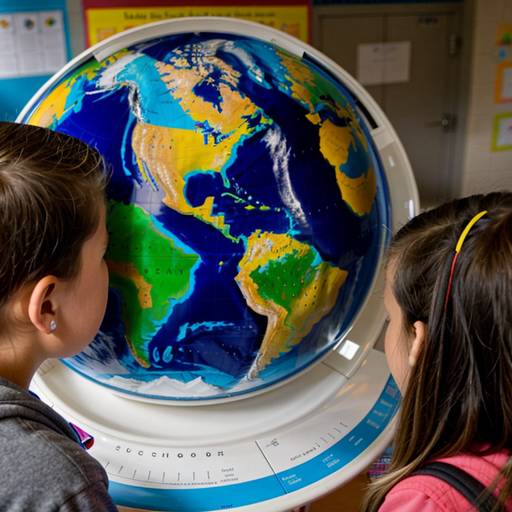
This 5th-grade social studies lesson focuses on geography and landforms, aiming to enhance students' understanding of various landforms such as mountains, valleys, plains, plateaus, hills, and deserts. Over two class periods, students will engage in interactive discussions, explore essential vocabulary, and watch informative presentations about how these landforms are formed and where they can be found around the world.
In small groups, students will research a specific landform and prepare presentations to share their findings with the class. The lesson culminates in a collaborative activity where students will create a colorful, labeled landform map, incorporating 3D elements to represent the different geographical features they have studied.
Students will be evaluated based on their group presentations, participation in creating the map, and understanding demonstrated through a brief quiz. The lesson encourages hands-on learning and critical thinking, fostering a deeper appreciation for Earth’s diverse landscapes and their importance in geography. Extensions such as individual projects and potential field trips can further enhance the learning experience.

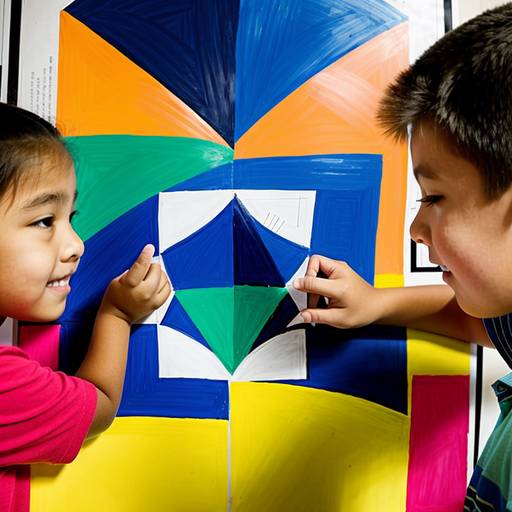
In this engaging 1-hour math lesson for 2nd graders, students will explore the world of basic geometric shapes and patterns. The lesson begins with a discussion about shapes, where students will identify and describe various 2D shapes such as circles, squares, triangles, and rectangles. They will work in small groups to sort these shapes based on characteristics like the number of sides and colors, enhancing their understanding of geometric properties.
Next, students will learn about patterns and how shapes can create them. They will have the opportunity to create their own shape patterns using cut-outs, allowing for creativity in color and arrangement. To reinforce their learning, students will participate in a shape scavenger hunt around the classroom or school, looking for real-life examples of the shapes discussed.
The lesson concludes with a recap of the shapes and patterns learned, along with reflective questions to encourage students to think about their surroundings. Assessment will occur through observation during group activities and by reviewing the completed scavenger hunt worksheets. Extensions are provided for students who need additional challenges, allowing for exploration of 3D shapes and more complex patterns. Overall, the lesson fosters collaboration and critical thinking while encouraging students to connect geometry and patterns to their daily lives.

In this kindergarten math lesson, students will explore geometry and patterns through various engaging activities. The lesson begins with a discussion on geometric shapes, using flashcards to help students identify and describe shapes they encounter in their daily lives. Afterward, a shape hunt allows students to find and share real-life examples of these shapes in the classroom and outdoors.
Next, the concept of patterns is introduced through visual examples, and students are encouraged to create their own simple patterns using shape manipulatives. They will then have the opportunity to express their creativity by making artistic creations with construction paper, glue, and crayons, ensuring that they incorporate at least three different shapes in a patterned arrangement.
The lesson concludes with a sharing session, where students present their work, fostering discussions about the patterns and shapes used. Assessment will be conducted through observation during activities and evaluation of the final artworks, ensuring students demonstrate their understanding of geometric shapes and pattern recognition. Extensions for advanced learners and additional support strategies for those needing help are also included to cater to diverse learning needs. Reflection on student engagement and understanding will inform future lesson adjustments.
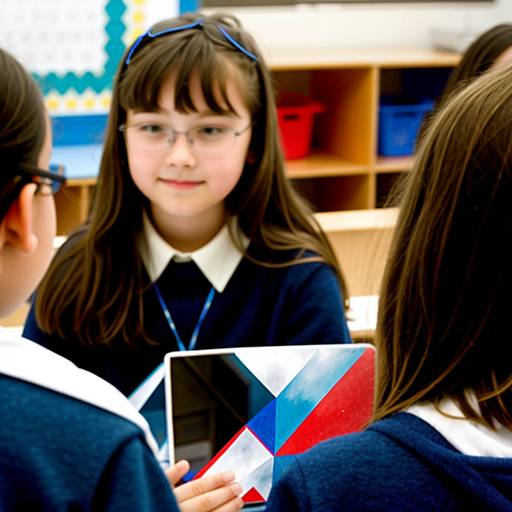
In this 4th-grade mathematics lesson, students will explore the concepts of geometry and symmetry through interactive activities. The lesson begins with a discussion to activate prior knowledge and introduce key vocabulary related to symmetry and geometric shapes. Students will learn to draw basic geometric shapes and identify lines of symmetry using mirrors to visualize reflective symmetry.
Following direct instruction, students will engage in guided practice by drawing symmetrical shapes on graph paper and adding creative designs. They will then work independently to create patterns using their drawn shapes, reinforcing their understanding of symmetry through hands-on exploration. Students will have the opportunity to share their creations with the class, discussing the symmetrical elements in their work.
Assessment will be based on participation and understanding demonstrated during activities, as well as an exit ticket requiring students to draw and label a symmetrical shape. The lesson includes differentiation strategies and extensions, such as a symmetry scavenger hunt, to cater to various learning needs and interests. Overall, the lesson aims to deepen students' understanding of geometric concepts while fostering creativity and critical thinking.
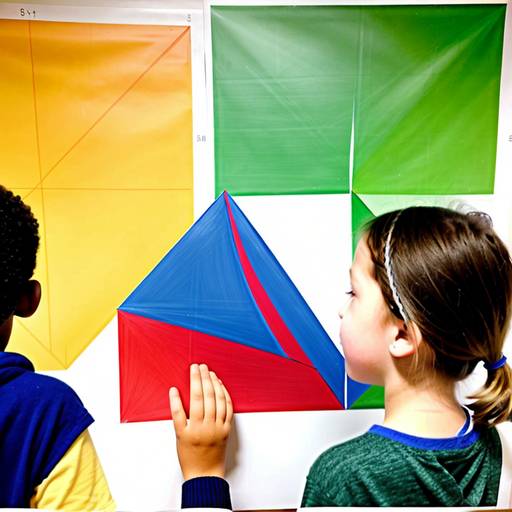
In this engaging 3rd-grade math lesson focused on geometry, students will explore various types of lines, including straight, curved, horizontal, vertical, and diagonal. The lesson begins with a warm-up discussion about lines and their presence in everyday life, followed by a demonstration on how these lines can be combined to form basic geometric shapes such as triangles and rectangles.
Students will participate in a shape hunt around the classroom to identify real-world examples of lines and will practice their skills on worksheets designed to reinforce their understanding. For independent practice, each student will create an art project featuring geometric designs made from different line types, which they will later present to the class.
At the end of the lesson, students will recap what they learned and be assigned a home activity to find and photograph objects showcasing straight or curved lines, encouraging them to apply their knowledge outside the classroom. Assessment will involve observing participation, reviewing worksheets, and evaluating the artwork to ensure comprehension of the key concepts.

This lesson plan is designed for 5th-grade students to explore the concepts of geometry and area. The objectives are to help students define geometric shapes such as squares, rectangles, and triangles, and to teach them how to calculate the area of these shapes using specific formulas. The lesson begins with an engaging discussion about familiar shapes in their surroundings, followed by direct instruction that introduces the area formulas and demonstrates their application.
Students will participate in hands-on activities where they create their own geometric shapes on graph paper, using rulers and cutouts, enabling them to apply their understanding of area in a practical way. Peer review and collaboration are encouraged as students verify each other's calculations.
After guided practice, students will complete an independent worksheet that challenges them to calculate the area of various shapes. The lesson concludes with a class review of the worksheet answers and a discussion on the real-world applications of calculating area. As an assessment, students will submit an exit ticket that reflects their understanding of area in their own words, providing insight into their grasp of the concept. Accommodations are made for diverse learners, ensuring all students can engage with the material effectively.
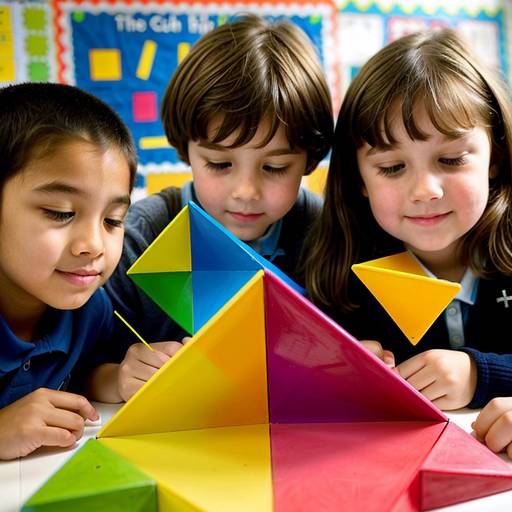
This 1st-grade math lesson focuses on introducing students to basic geometric shapes and patterns. The class begins with a discussion that helps students identify common shapes such as circles, squares, triangles, and rectangles found in their environment. Students then participate in a shape identification activity, sorting colored construction paper shapes in pairs.
Following this, the concept of patterns is introduced, with examples provided to help students understand the sequence and repetition involved. In small groups, students create their own patterns using a variety of small objects or pattern blocks and present their work to the class, fostering collaboration and communication skills.
A shape scavenger hunt is incorporated, allowing students to explore the classroom or outdoor space to find and draw real-world examples of the shapes they have learned about. The lesson concludes with a reflection on their discoveries and an emphasis on the presence of geometry in everyday life. Throughout the lesson, the teacher assesses students' understanding through observation and review of their work while offering differentiated activities to cater to varied learning needs. Additionally, opportunities for extension activities are provided to enhance engagement and learning.
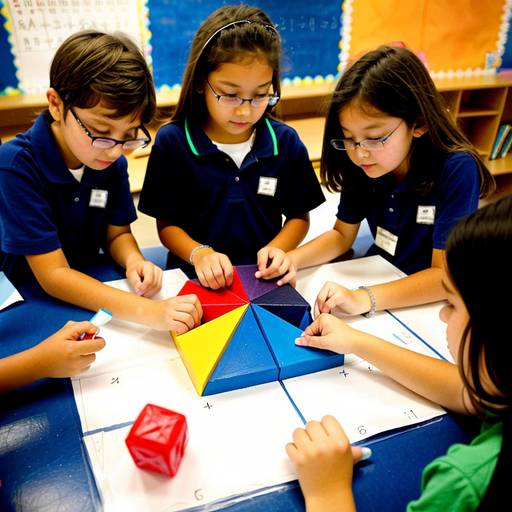
This 4th-grade math lesson focuses on identifying and describing three-dimensional shapes, including cubes, spheres, cylinders, cones, and pyramids. The lesson begins with an engaging discussion about shapes found in the students’ environment, followed by direct interaction with geometric solids in small groups. Students will explore the properties of these shapes by counting edges, vertices, and faces and will create visual charts to support their findings.
After presenting their charts to the class, students will participate in a scavenger hunt around the classroom or school to find real-world examples of the shapes learned. The lesson concludes with a worksheet assessment that tests their understanding of the concepts introduced.
Throughout the session, there are opportunities for differentiation to meet the diverse needs of learners, and extensions are suggested to engage students further. Overall, the lesson combines hands-on activities, collaborative learning, and real-life applications to help students grasp the essentials of 3D geometry comprehensively.
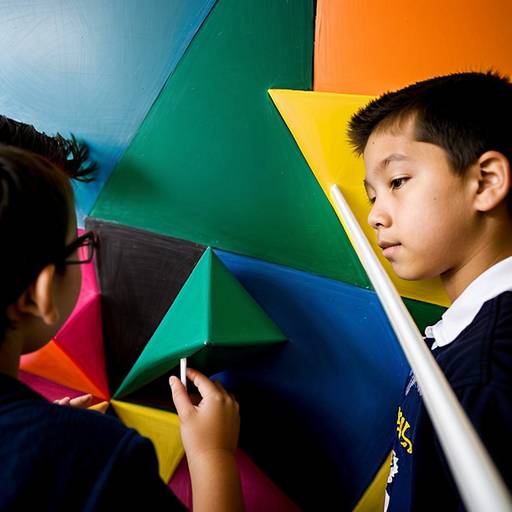
In this 5th-grade math lesson, students will explore geometric shapes and learn how to calculate their perimeters. The lesson begins with an introduction to geometry and the concept of perimeter, including simple definitions and formulas for various polygons such as squares, rectangles, triangles, and pentagons. Students will then engage in creating their own geometric shapes on graph paper and calculating the perimeter for each shape they create.
Following this hands-on activity, students will work independently on worksheets that feature a variety of shapes, applying the formulas learned to calculate perimeter. The lesson also encourages real-world application by having students measure the perimeter of objects within the classroom.
To conclude, the class will review the key concepts and formulas, while students complete an exit ticket to reflect on their learning and pose any lingering questions. Assessment will include evaluating worksheets and observing participation during activities, with extensions available for advanced learners and adaptations provided for those needing extra support.

In this technology lesson aimed at 3rd graders, students will explore the significance of maintaining and cleaning their devices. The lesson begins with a discussion on the importance of device care and a short video reinforcing the concepts of maintenance and cleaning. Following a demonstration of proper cleaning techniques, students will engage in guided practice by dividing into small groups to clean various classroom devices, using safe and appropriate materials. After practicing, they will work with a partner to share insights about what they learned. The lesson concludes with a group discussion and an interactive quiz to reinforce key points. Assessment will involve observing student participation and understanding during cleaning activities and discussions. Additionally, follow-up activities will include creating a classroom poster of cleaning tips and writing reflections on their learning experiences. Safety and appropriate use of cleaning supplies will be emphasized throughout the lesson.