
Filters
Level
Grade
Subject
Subject Area
Subject Topic
Standard(s)
Audience
Keyword
DurationMinutes
Lesson Plans


This lesson plan is designed for 4th-grade students to explore the solar system and its various celestial bodies. Over two class periods, students will first learn about the planets, the Sun, and other components of the solar system through group research and presentations. Each group will present key facts about their assigned planet or celestial body, promoting engagement and discussion among classmates.
In the second class, students will create a scaled model of the solar system using materials like styrofoam balls and paint. This hands-on activity will emphasize the concept of scale, enabling students to visualize the relative sizes and distances of the planets. Throughout the lesson, students will enhance their understanding of astronomy while developing teamwork, research, and hands-on skills. Assessment will focus on participation, the quality of presentations, and the completed solar system models. Extensions and differentiation strategies are also included to accommodate various learning needs.

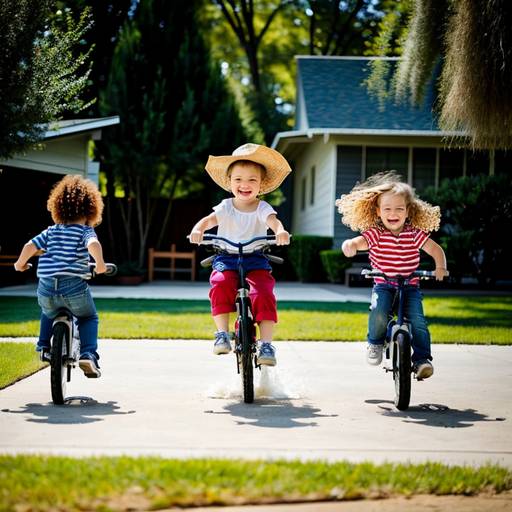
This lesson plan focuses on developing gross motor skills in toddlers through the engaging activity of galloping. It begins with an introduction that captures children's interest by discussing animals that gallop, using visual aids for stimulation. A warm-up session includes fun songs and animal imitations to get them moving and excited.
Children are then guided through basic galloping techniques before participating in structured activities such as a relay race and a musical game, which emphasize balance, coordination, and teamwork. The lesson culminates with a cool-down segment featuring gentle stretches and a reflective discussion that encourages children to share their thoughts on the activity. Overall, this interactive approach fosters movement, creativity, and social interaction while enhancing physical skills.
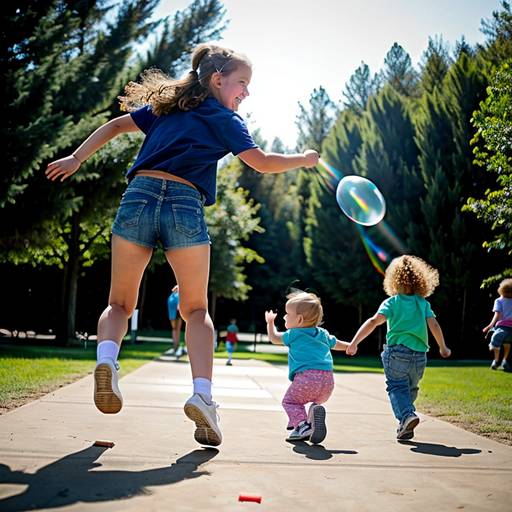
This lesson plan focuses on developing toddlers' gross motor skills through the engaging activity of galloping. Designed for children aged 2-4, the session begins with an introduction to the galloping motion, encouraging children to mimic the movement in place. After a warm-up that combines marching and galloping, students navigate an obstacle course featuring cones, hula hoops, and soft mats to reinforce their galloping technique in a playful environment.
A lively freeze dance game keeps the energy high, where the children gallop around and freeze in motion when the music stops. In a creative play segment, they pretend to be different animals while galloping, further enhancing their imaginative skills. The lesson concludes with gentle cool-down stretches, allowing children to reflect on their experience and express what they enjoyed most. Observations of their movements throughout the class help assess their progress in gross motor skills, while verbal encouragement supports their development. The activities promote not only coordination and balance but also creativity and social interaction.
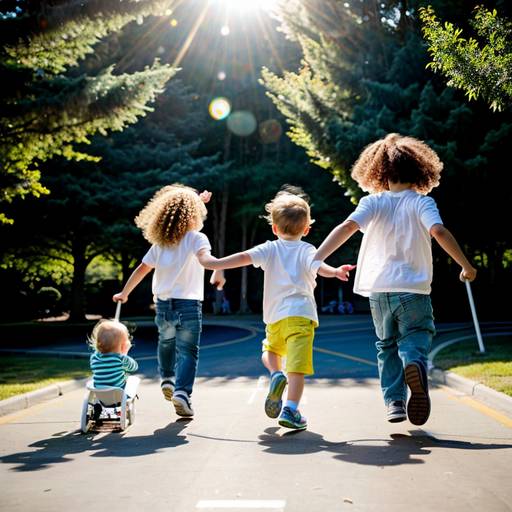
This lesson plan is designed for toddlers aged 2-4 years and focuses on developing gross motor skills through galloping activities. The session lasts for 30 minutes and aims to enhance coordination and balance while engaging children's imagination and creativity.
The lesson begins with an introduction where children discuss galloping and mimic animals that showcase this movement. A warm-up activity invites them to imitate various animals to prepare their bodies for movement. Next, the instructor demonstrates proper galloping technique and facilitates practice sessions around a designated course marked by cones.
To make the activity dynamic, a creative movement game called "gallop and freeze" is introduced, where children gallop to music and freeze when it stops, fostering listening skills and control. The session concludes with a cool-down period that includes gentle stretching and a reflection where children share their experiences.
Optional extensions include providing colorful scarves as reminders of the activity and encouraging children to practice galloping at home. Throughout the lesson, the instructor assesses children's balance and coordination, offering positive reinforcement to create an engaging and supportive environment. Safety is prioritized by ensuring the area is clear of obstacles and adapting activities to meet individual needs.

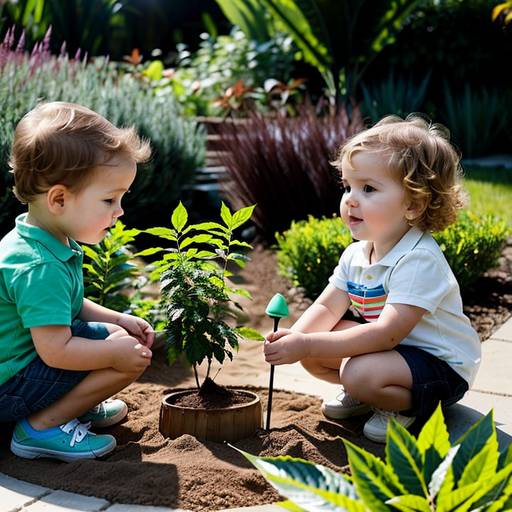
This toddler lesson plan focuses on introducing young learners to the world of gardening through interactive and exploratory activities. Over the course of one hour, children will engage in discussions about how plants grow, enhanced by visual aids featuring various plants and insects. The lesson includes a storytime segment featuring a nature-themed book to spark interest and imagination.
A hands-on gardening activity allows students to plant seeds in small pots filled with soil, reinforcing their understanding of the growth process while they practice caring for their plants by watering them. Following this, an engaging sensory exploration activity provides a hands-on experience where children can touch and examine different natural elements such as pebbles, leaves, and pine cones, using magnifying glasses to investigate textures and details.
To wrap up the lesson, students will express their creativity by drawing their favorite plant or bug, followed by a group discussion to recap what they learned. This comprehensive approach fosters curiosity and a foundational understanding of nature while promoting sensory awareness and hands-on learning through gardening activities.

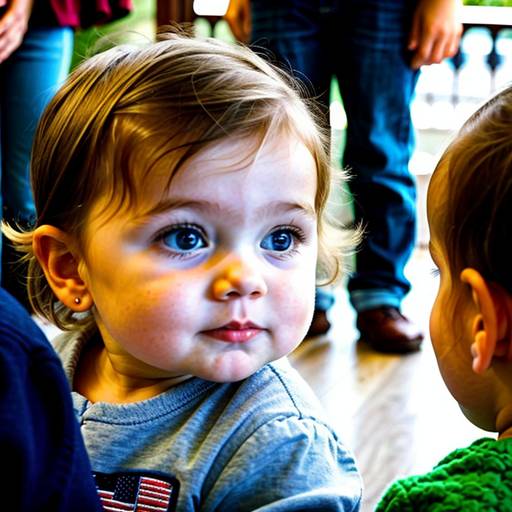
This lesson plan focuses on fostering social skills in infants through the practice of eye contact. Aimed at caregivers and their infants aged 6-12 months, the session lasts for 30 minutes and includes a variety of interactive activities designed to promote engagement and connection.
The session starts with an introduction to the importance of eye contact in communication. Caregivers are then guided through activities, including the use of soft toys to encourage direct eye contact, exploring reflections in mirrors, engaging in a colorful scarf dance, and sharing stories with expressive faces. Each activity is designed to encourage infants to look at their caregivers and express themselves through gaze while building emotional bonds.
The lesson concludes with a group reflection on the experiences shared during the activities, providing caregivers with feedback and suggestions for continuing to practice eye contact at home. Extensions to the lesson include weekly challenges for caregivers and recommendations for joining community groups to further enhance social interactions. Overall, the session aims to nurture social connections and communication skills in a warm and supportive environment.

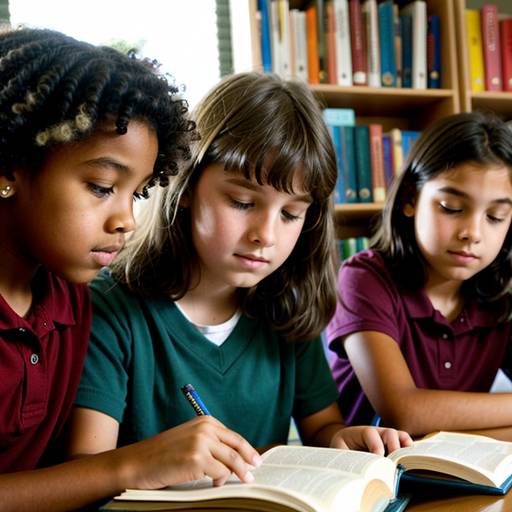
This 5th-grade Language Arts lesson focuses on introducing students to various reading genres. The objective is for students to identify and understand different genres, explore their unique characteristics, and select books for independent reading. The lesson begins with a discussion about favorite books and genre categorization. Then, students participate in a guided practice session where they collaboratively create a chart of genres and their traits, with examples discussed as a class.
The core of the lesson involves students rotating through “Genre Exploration Stations” where they can examine books from different genres and fill out worksheets noting key characteristics. After this engaging group activity, students independently choose a book that interests them, recording details about their selection. The lesson concludes with a wrap-up discussion where students share their chosen books, fostering a sense of community and exploration in reading. Assessment is conducted informally through interactions and the collected worksheets, and potential extensions include presentations and a reading challenge.
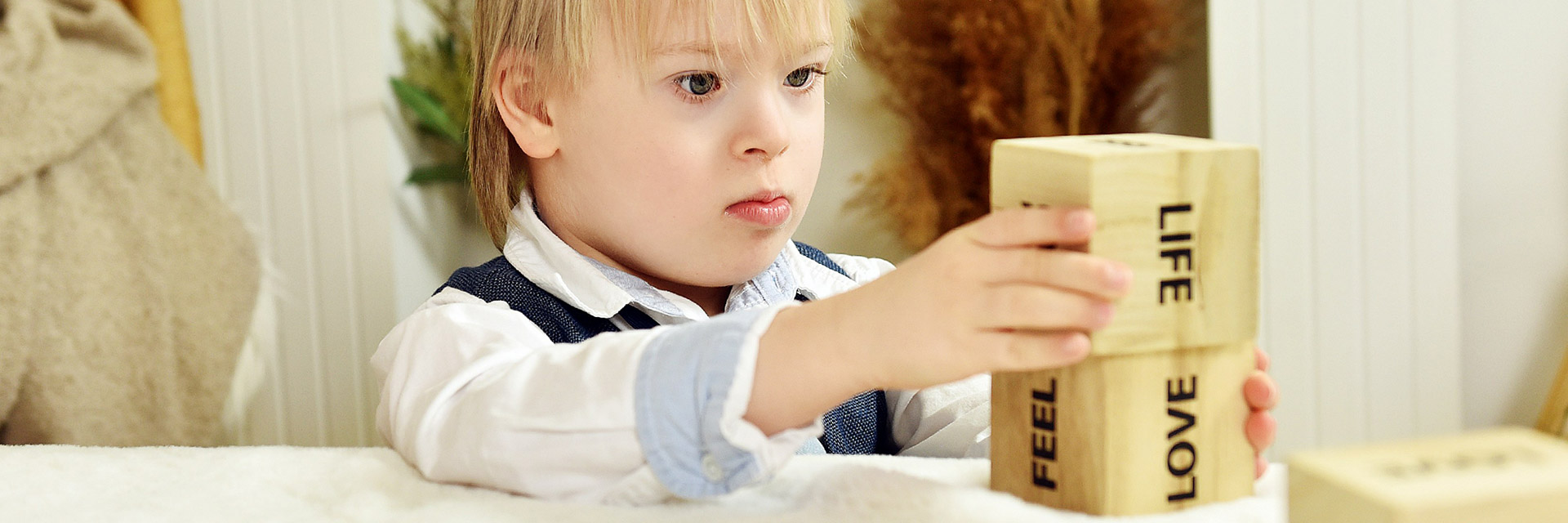
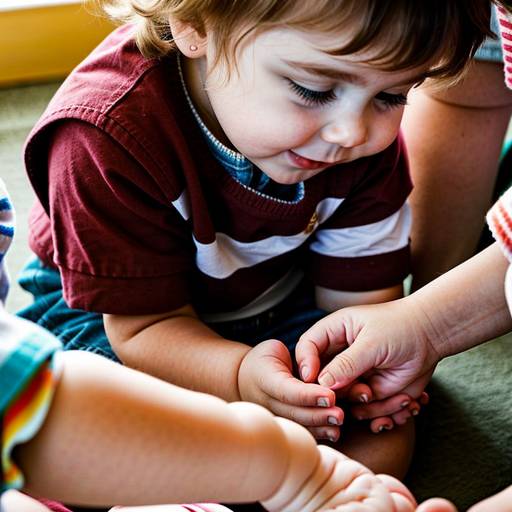
This lesson plan focuses on teaching toddlers the concept of respect through engaging activities that encourage kindness and positive interactions. The session begins with a circle time discussion and a story that illustrates respectful behaviors, followed by a visual chart that depicts actions such as listening and sharing. Children participate in small group activities where they practice taking turns and sharing toys, fostering collaborative play while enhancing their understanding of gentle interactions. A movement game reinforces the importance of patience and courteous communication. An art activity allows children to express their understanding of respect creatively. The lesson concludes with a group discussion where children share their insights and reflect on their learning. Throughout the lesson, the emphasis is placed on creating a compassionate classroom environment, with opportunities for ongoing discussions about respect in their daily lives.
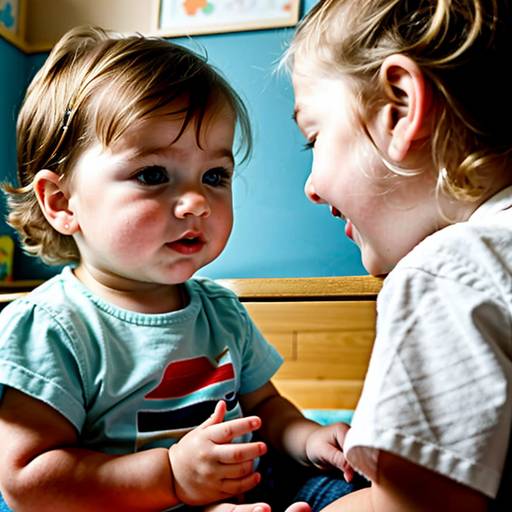
This lesson plan aims to teach toddlers about personal boundaries and the importance of respecting each other's space through engaging activities. The session begins with an introduction to the concept of gentle touch using a soft toy, followed by a story that highlights personal space.
Children participate in a circle activity where they learn to identify and occupy their own space using hula hoops or drawn circles, allowing them to express themselves without intruding on others. A gentle touch game follows, where they practice safe and respectful interactions with peers through designated actions.
The lesson concludes with a group discussion, where children share their thoughts on respecting personal space and how to be good friends. Through observation and participation, educators assess the toddlers' understanding of these key social skills, which can be reinforced in future lessons and at home.

In this Kindergarten lesson, students will explore fundamental geometric shapes such as circles, squares, triangles, and rectangles. The lesson begins with a group discussion where students identify and describe different shapes. Following this, students learn about patterns, focusing on how shapes and colors can create sequences that repeat. Through direct instruction, they observe and predict the next shape in a pattern, then move on to creating their own patterns using shape cut-outs on construction paper.
Students engage in guided practice by working in pairs to replicate patterns with pattern blocks using cards provided by the teacher. This interactive experience allows them to apply their understanding of shapes and recognize patterns in a hands-on manner. The lesson wraps up with a reflection session where students share their creations and discuss what they learned. Assessment is based on observation during activities and student participation, providing insights into their understanding of geometric concepts. Extensions include a shape scavenger hunt and the incorporation of songs to further reinforce learning. Overall, the lesson emphasizes exploration and creativity while building foundational skills in geometry and pattern recognition.