
Filters
Level
Grade
Subject
Subject Area
Subject Topic
Standard(s)
Audience
Keyword
DurationMinutes
Lesson Plans

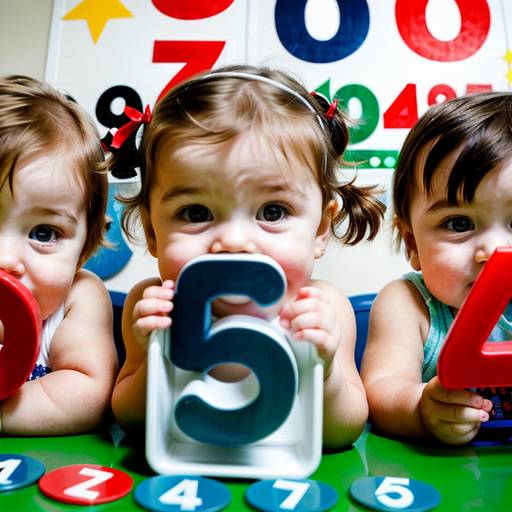
This lesson plan is designed for toddlers aged 2-4 years, focusing on the introduction of basic number operations—addition and subtraction—through playful and engaging activities. The session begins with a fun counting song to capture the children's attention, followed by a warm-up activity involving a large die, where they will roll it and recognize the number of spots.
During the hands-on exploration segment, children work in small groups with colorful manipulatives to practice addition by combining groups of items and counting the total. They then transition to subtraction by removing items from a larger set and counting how many are left, using number cards to visually represent the equations.
An interactive game called "Number Hunt" encourages children to find hidden number cards while reinforcing their recognition skills and matching them with manipulatives. The lesson concludes with a reflection circle, allowing children to share their learning experiences, followed by a sing-along to celebrate their achievements.
Overall, the plan aims to develop counting skills, enhance fine motor abilities, and promote social interaction among peers while introducing foundational concepts of number operations. It includes opportunities for assessment through observation and offers extension activities for further learning at home.

In this 4th Grade mathematics lesson, students will explore the concept of symmetry through engaging activities that promote understanding and creativity. The lesson begins with a discussion about symmetry, using everyday examples to help students grasp the idea of mirror images and lines of symmetry. Through direct instruction, students will examine various geometric shapes, identifying those with symmetry and counting their lines of symmetry.
During guided practice, students will create their own shapes and adjust them to ensure symmetry, fostering collaboration as they compare their designs with a partner. For independent practice, they will engage in a hands-on symmetrical art project, using colored paper and scissors to produce visually appealing patterns that reflect symmetry.
The lesson concludes with a sharing session, allowing students to showcase their artwork and reflect on what they’ve learned about symmetry in both their designs and in the world around them. Throughout the lesson, assessments will be based on participation and the understanding demonstrated in their creative projects, with accommodations and extensions provided to meet diverse learning needs.
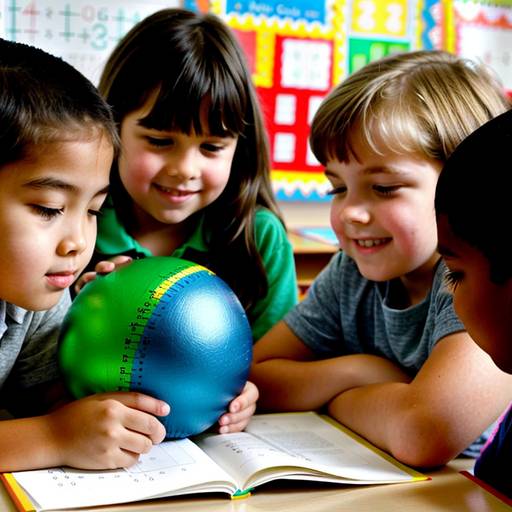
This 1st grade math lesson focuses on the concepts of measurement and weight through engaging, hands-on activities. Students begin by discussing the differences between measurement (size) and weight (heaviness) before working in small groups to measure classroom objects using non-standard units, like unifix cubes. They record their measurements and share findings with the class, creating a collective visual chart.
Next, the students explore weighing various objects using balance scales, predicting which will be heavier or lighter before confirming their predictions through hands-on experimentation. Their observations are noted on a worksheet to reinforce learning.
The lesson concludes with a review of key concepts, emphasizing teamwork and participation. Students are encouraged to reflect on their experiences, and sticker rewards are given for engagement. This lesson not only develops foundational skills in measurement and weight but also promotes collaboration, communication, and a love for learning.

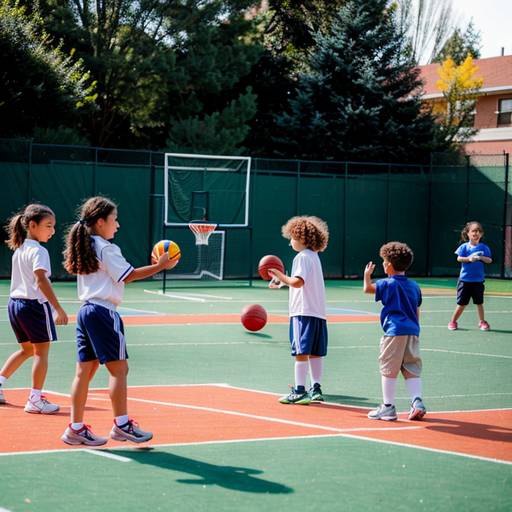
This preschool physical education lesson focuses on developing basic throwing and catching skills through engaging, age-appropriate activities. The 30-minute session begins with a brief introduction where students learn about the importance of these skills in sports. A dynamic warm-up routine prepares them for physical activity, followed by two skill development stations: one for practicing throwing accuracy at cones and another for catching with partners.
Next, students participate in a fun balloon toss activity that enhances their catching skills while encouraging teamwork. A relay race adds a competitive element, requiring students to work together to complete the course by throwing a ball into a bucket. The lesson concludes with a cool-down period involving gentle stretching and a reflection on what they enjoyed and learned, emphasizing the fun of physical activity and the importance of practice in sports. Adaptations are provided for varying skill levels to ensure all students can participate and gain confidence in their abilities.

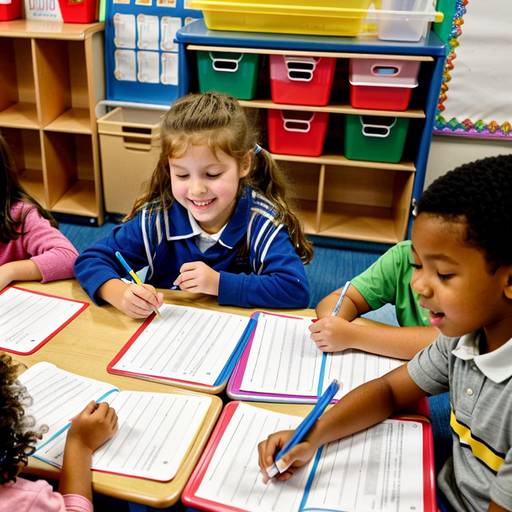
In this 1st Grade Language Arts lesson plan, students will explore the concept of synonyms and expand their vocabulary. The lesson begins with a brief introduction to synonyms, encouraging students to share their understanding and examples. Through an engaging picture card activity, students will identify synonyms for common words as a class, promoting collaboration and discussion.
For independent practice, students will complete a synonym match-up worksheet and create simple sentences using the synonyms they learned, allowing them to apply their knowledge creatively. The lesson concludes with a review of their sentences, reinforcing the importance of synonyms in language.
Assessment will be conducted through observation during activities and by reviewing worksheets, while differentiation strategies will cater to varying skill levels. Extensions include creating a “Synonym Wall” in the classroom and engaging families in discovering new synonyms at home. This lesson aims to enhance students’ language skills in an enjoyable and interactive manner.

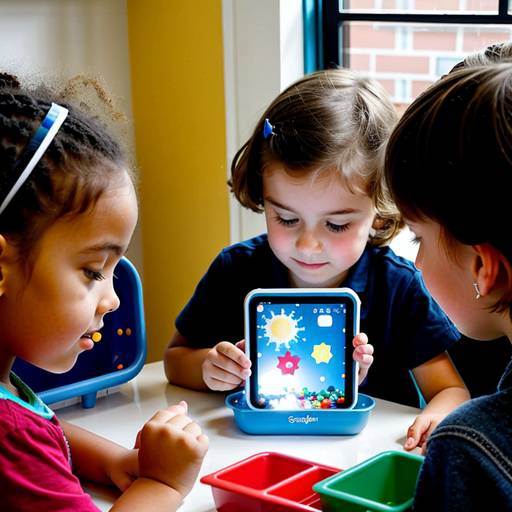
In this preschool science lesson, students will explore everyday technology found in their environment, enhancing their understanding of how various tools function and assist us in daily life. The lesson begins with a circle time discussion where children share technology they use at home and learn how these objects make life easier. Afterward, they will engage in hands-on exploration at designated stations featuring everyday items like remote controls, calculators, and flashlights, examining them closely with magnifying glasses and discussing their purposes.
Following the exploration, students will express their creativity by crafting their own imaginary technologies using various craft materials, which encourages imaginative thinking and problem-solving. They will then showcase their creations during a mini technology fair, explaining how their gadgets work. To conclude, students will reflect on their learning experiences through discussions and possibly a song or story about technology. This lesson aims to foster curiosity about technology among preschoolers while reinforcing their understanding of its role in their lives.
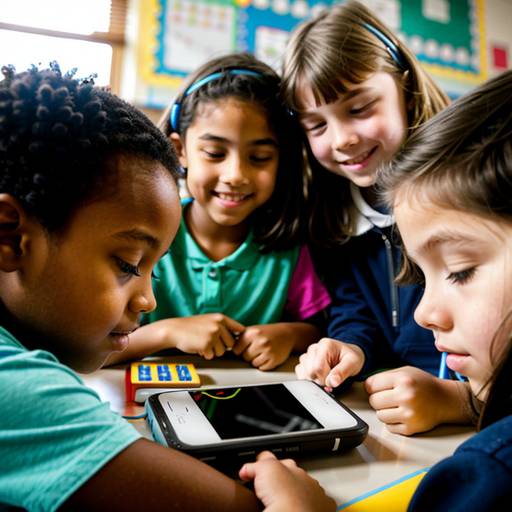
In this 45-minute technology lesson for 2nd graders, students will learn about the importance of proper device handling and maintenance. The lesson begins with a discussion on the types of devices students use and introduces the concept of responsibility for technology care, supported by a short video. Key points will include safe carrying techniques, cleaning devices, charging best practices, and proper storage.
Through guided practice, students will engage with a checklist that outlines device care essentials, sharing personal experiences and discussing examples of good and bad practices. In small groups, they will analyze specific scenarios involving technology mishaps and present their solutions. The lesson concludes with a recap of the key takeaways and encourages students to share what they learned with their families. Assessment will be based on participation and the checklists, with an optional extension activity allowing students to create informative posters on device care to showcase in the classroom.
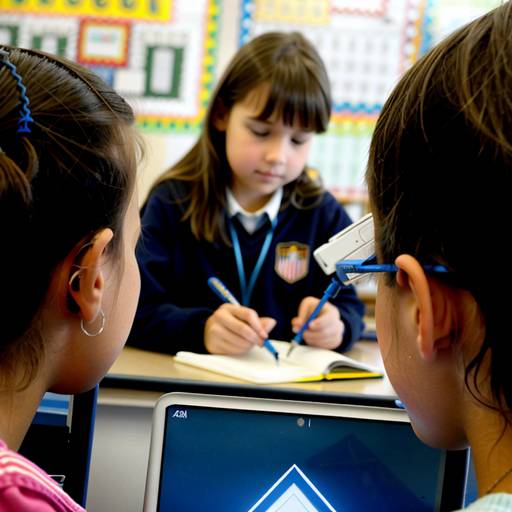
In this technology lesson designed for 2nd graders, students will explore the importance of device maintenance and organization. The session begins with a discussion about the devices they use and the responsibilities that come with caring for them. A mini-lesson focuses on proper cleaning techniques and the significance of maintaining an organized tech space.
Students will then engage in hands-on activities where they clean devices using appropriate supplies and organize tech equipment in the classroom. They will create labels for bins and boxes to help identify where items belong, reinforcing tidy tech habits. The lesson concludes with a review of the key concepts, allowing students to share their insights and experiences. Assessment will be based on observation during activities and a brief discussion or drawing to illustrate their understanding. This engaging and interactive lesson encourages students to take responsibility for their technology and promotes safe and organized learning environments.
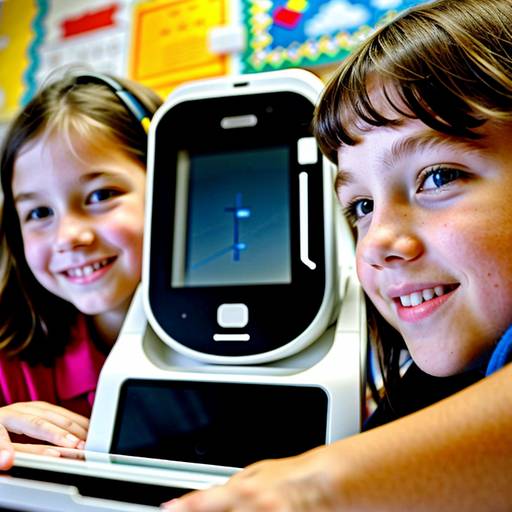
In this 3rd-grade technology lesson, students will learn essential skills related to device maintenance and basic troubleshooting techniques. The lesson starts with a discussion about the importance of caring for electronic devices, followed by hands-on activities where students practice cleaning various devices and address common issues that may arise, such as slow performance or charging problems.
Working in small groups, students will engage in troubleshooting challenges, using provided handouts to identify solutions for specific scenarios. Throughout the lesson, students will share their insights and create a supportive learning environment, culminating in a recap of the techniques learned and a commitment to practicing good device care at home. Additional extensions include creating a Device Care Checklist to share with family members. The lesson emphasizes collaboration and active participation, ensuring that all students grasp the significance of keeping their devices in optimal condition.
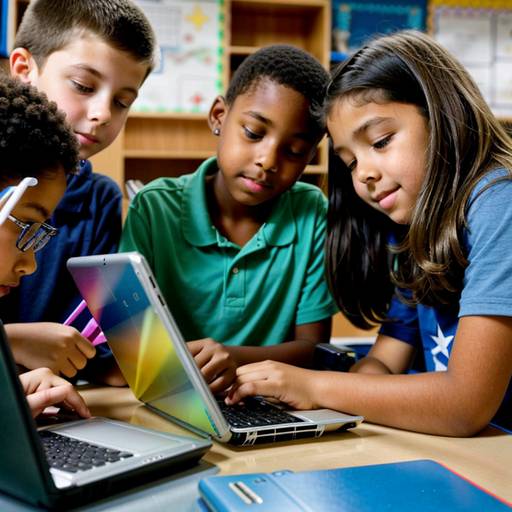
In this 4th-grade technology lesson, students will explore the essential practices of device maintenance and organization, focusing on the care and tidiness of digital devices. The lesson begins with a discussion on the importance of maintaining clean and organized workspaces, followed by direct instruction on common device issues, cleaning techniques, and the significance of software updates.
Students will participate in a group activity where they will create a "Device Care Checklist," brainstorming additional tips for keeping devices in good condition. Hands-on practice at various stations will allow them to clean devices, organize physical accessories, and manage digital files effectively.
The lesson concludes with a reflection on key takeaways and an exit ticket assignment, prompting students to share one maintenance tip and one organizational tip they learned. Assessment will be based on participation in activities, contributions to the checklist, and the understanding demonstrated in exit tickets. Differentiation strategies will support varying learning needs, and a follow-up plan encourages students to apply these skills regularly in their classroom environment.