
Filters
Level
Grade
Subject
Subject Area
Subject Topic
Standard(s)
Audience
Keyword
DurationMinutes
Lesson Plans

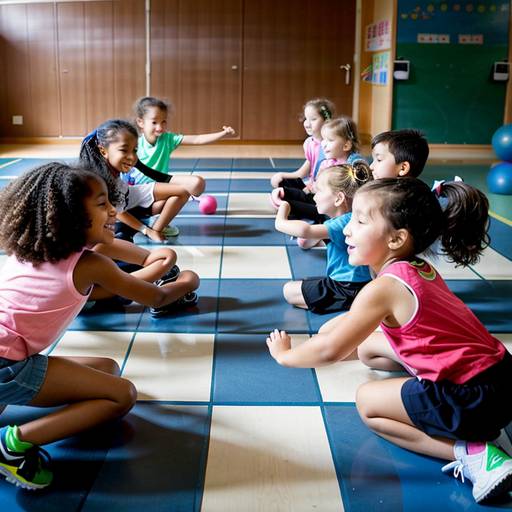
This kindergarten physical education lesson focuses on fostering understanding and appreciation for fitness and flexibility. Students begin by discussing the importance of being fit and flexible, followed by a fun warm-up that includes jumping jacks and simple stretches. The lesson then transitions into stretching stations where small groups practice various stretches, such as the butterfly stretch and side stretch, rotating through multiple activities to enhance flexibility.
Next, students engage in a lively obstacle course using cones, hula hoops, and balls or beanbags, promoting physical fitness through playful movement. The session concludes with a cool-down period where students perform seated stretches and reflect on their favorite activities, reinforcing the benefits of being active. Throughout the lesson, emphasis is placed on participation, enjoyment, and the importance of physical health, with adaptations available for diverse needs. Overall, the lesson aims to instill a love for movement and a foundation for lifelong fitness habits.
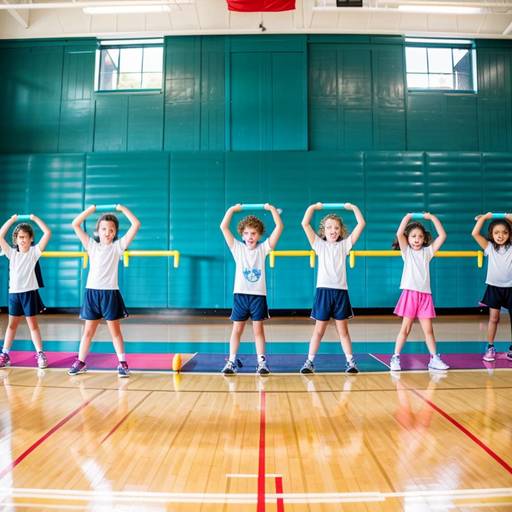
This 2nd-grade physical education lesson focuses on teaching students the importance of fitness and flexibility through engaging activities. The class begins with a brief introduction where students share their thoughts on being active. After a warm-up that includes light jogging and dynamic stretches, students rotate through various flexibility stations, practicing stretches like the forward bend and butterfly stretch.
Next, the lesson features two fun fitness games: a hula hoop relay and a jump rope challenge, fostering teamwork and promoting physical activity. Afterward, the class cools down with stretches similar to those practiced earlier and discusses the importance of flexibility and fitness. The session concludes with a brief reflection on what they learned and a fun dance party to encourage movement. Overall, students gain a better understanding of maintaining an active lifestyle while enjoying physical exercise.

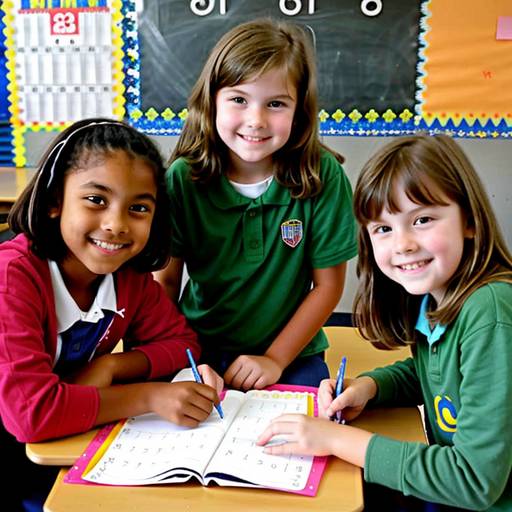
In this engaging 3rd-grade mathematics lesson, students explore the concepts of measurement and weight through hands-on activities. They begin by discussing the importance of measuring in everyday life and learn key vocabulary related to length and weight. Direct instruction focuses on using rulers and meter sticks to measure various classroom items, as well as employing scales to determine their weight.
Students are then divided into small groups to participate in two stations: one for measuring the length of items, using both standard and metric systems, and another for weighing items with a scale. Throughout these activities, they record their findings and take part in group discussions to share observations and surprises regarding the measurements they gather.
The lesson concludes with students reflecting on their learning through a sharing session and a wrap-up activity, where they express curiosity about measurements they would like to explore further. Assessment is based on participation and the accuracy of their measurement techniques. In addition, extensions and modifications are provided to ensure all students are engaged and challenged appropriately. Overall, the lesson emphasizes practical application, collaboration, and connection to real-world contexts in understanding measurement and weight.
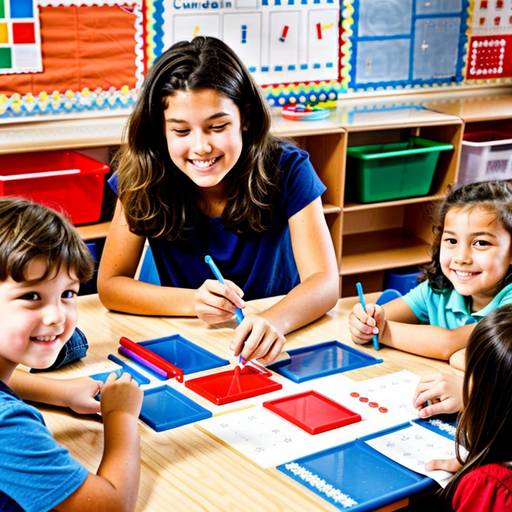
In this kindergarten math lesson, students will explore the concepts of measurement and time through interactive activities. The lesson begins with a storytelling session that introduces measurement and time in relatable contexts. Students will then work in small groups to measure various classroom objects using non-standard units like paper clips, encouraging collaboration and hands-on learning. Following the measurement activity, they will practice telling time using printable clock faces, experimenting with hour and half-hour increments.
The lesson concludes with a group discussion where students share their findings and reflect on what they learned. An extension activity will involve students measuring items at home and drawing a clock to represent a specific time related to their daily routines. Through this engaging approach, students will gain foundational skills in measuring length and understanding time concepts.
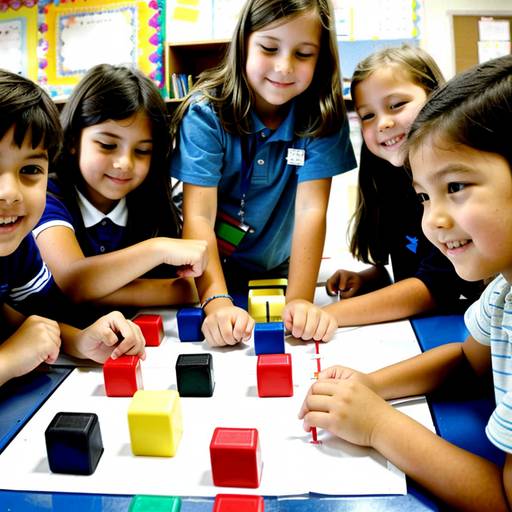
In this engaging 1st-grade math lesson, students will explore the concepts of measurement and time through hands-on activities. They will begin by discussing the importance of measurement and learning to tell time using both analog and digital clocks.
Students will participate in a group activity where they measure various classroom objects using non-standard units, such as paper clips and blocks, recording their findings on chart paper. Following this, they will enhance their time-telling skills through practice with time flashcards, where they will identify different times, and create their own paper plate clocks to demonstrate their understanding of telling time to the hour and half-hour.
Throughout the lesson, students will work collaboratively, share their findings, and engage in discussions that reinforce their learning. The lesson will end with a review of key concepts and an assessment of their understanding through observation, group recordings, and their created clocks. Extension activities will allow for further exploration of measurement and time, ensuring a comprehensive grasp of these fundamental math skills.
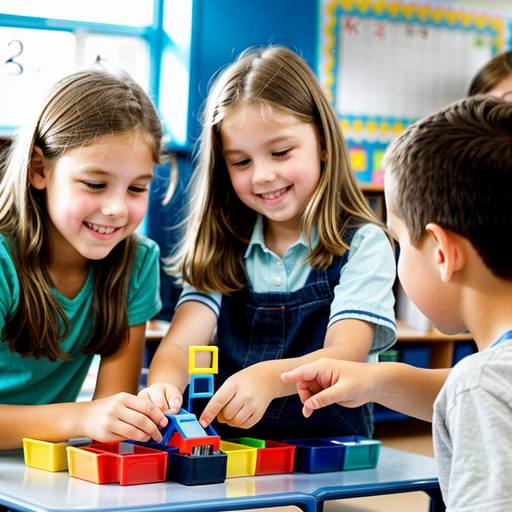
This 2nd-grade math lesson focuses on measurement and weight, aiming to provide students with a hands-on understanding of these concepts. Throughout the lesson, students will explore measuring lengths using both standard (rulers) and non-standard units, as well as weighing different objects with a balance scale. Initially, the teacher will introduce the topics and demonstrate techniques for measuring and weighing. Students will then engage in guided practice, working in small groups to measure and record the lengths and weights of various classroom objects. Following this, they will complete an independent practice activity, selecting their own items to measure and weigh. The lesson concludes with students sharing their findings, reinforcing the real-world applications of measurement and weight. Assessment will focus on students' recorded worksheets and their participation in group activities, allowing for differentiation based on individual learning needs. Extension activities encourage further exploration and collaboration, solidifying the skills learned in the lesson.
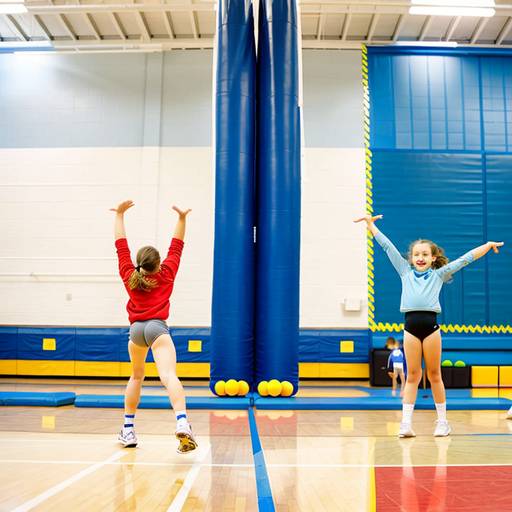
This 3rd-grade physical education lesson focuses on engaging students in a variety of sports and gymnastics activities designed to enhance their teamwork, coordination, and physical fitness. The session begins with dynamic stretching and animal walks for a warm-up, followed by an introduction explaining the day's activities.
Students will then participate in sports skills stations, where they practice hula hoop tossing, cone dribbling, and jump rope techniques. Each station lasts for five minutes, allowing students to rotate and develop different skills. Next, they explore basic gymnastics movements, including balance beam challenges, forward rolls, and simple poses, enhancing their balance and flexibility.
The lesson concludes with a cool down involving guided breathing exercises and a sharing circle where students reflect on their experiences. Assessment is based on student participation and skill demonstration, while extensions encourage creativity and application of learned skills in future performances. Overall, the lesson aims to foster a love for physical activity and develop foundational movement skills.
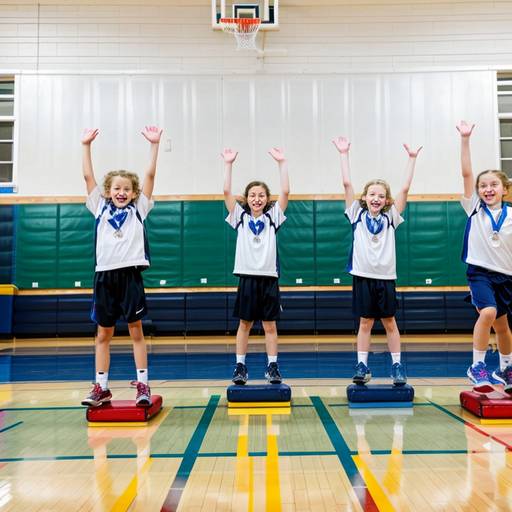
This physical education lesson for 2nd graders focuses on developing coordination and balance through engaging activities. The session begins with a fun introduction that explains the concepts of balance and coordination, followed by a lively warm-up involving a freeze dance game.
Students then participate in three main activities: navigating challenges with hula hoops to enhance balance, walking across balance beams using various techniques, and practicing toss-and-catch exercises with soft balls while balancing on one foot to improve hand-eye coordination.
To conclude, the students cool down with deep breathing and stretching, followed by a group reflection where they share what they learned during the lesson. Assessment is based on observation of student participation and their ability to demonstrate balance and coordination skills. Adaptations are available to support all learners, ensuring an inclusive and fun environment. Overall, this lesson promotes physical activity while building foundational motor skills essential for sports and daily activities.

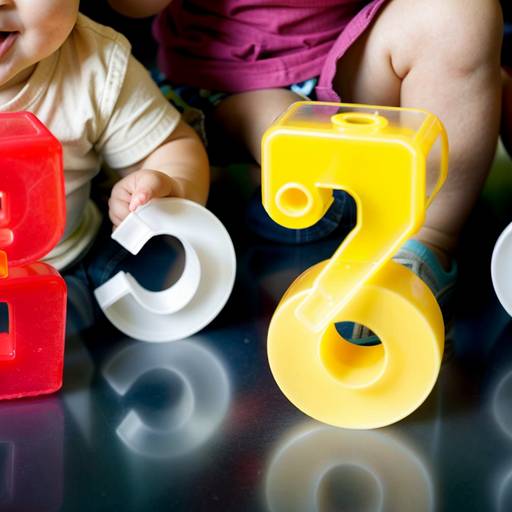
This lesson plan is designed for toddlers aged 2-4 to help them recognize and understand numbers through engaging activities. The session begins with a warm welcome and an introduction to numbers using flashcards, followed by a catchy counting song to capture the children's interest. The first activity involves an interactive matching game where children pair number cards with corresponding counting manipulatives, promoting hands-on learning. Next, kids engage in a creative art project, where they select a number and illustrate it on chart paper using drawings and stickers, fostering their artistic expression alongside numerical skills.
A storytelling segment introduces a counting book, reinforcing the concepts learned while encouraging participation through counting objects in the illustrations. To conclude, a fun movement activity allows children to dance and freeze on specific numbers, integrating physical activity with learning. The session wraps up with a review of the numbers and a farewell song, emphasizing positive reinforcement and engagement throughout the lesson. Educators are encouraged to adapt activities as necessary to fit the children's developmental levels and interests, ensuring a joyful and effective learning experience.
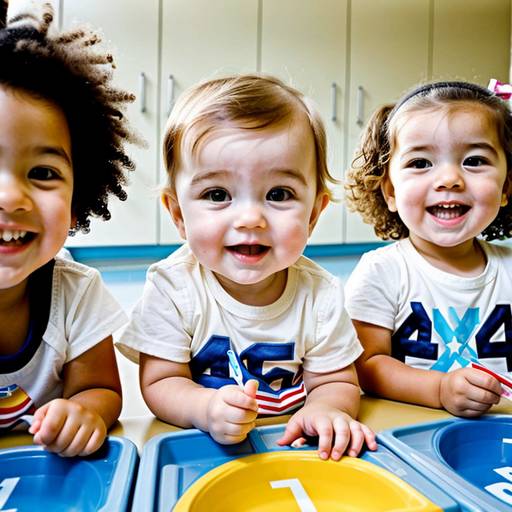
This toddler lesson plan focuses on developing early counting skills through interactive and engaging activities. The session begins with a welcoming circle time where children are introduced to the concept of counting. They engage in hands-on activities using manipulatives like blocks or counting bears, allowing them to practice one-to-one correspondence as they count their items.
Following this, children participate in a number matching activity with number cards, reinforcing their understanding of quantities. The lesson incorporates movement and rhythm through a counting song that encourages participation and action, further solidifying their counting skills in a fun way.
To conclude, children express their creativity by drawing their favorite number and decorating it with items they can count. Throughout the lesson, the focus is on encouraging participation, verbal counting, and fostering a positive attitude toward numbers. The session emphasizes cooperation and language development, laying a solid foundation for future mathematical concepts.