
Filters
Level
Grade
Subject
Subject Area
Subject Topic
Standard(s)
Audience
Keyword
DurationMinutes
3rd Grade Math Lesson Plans

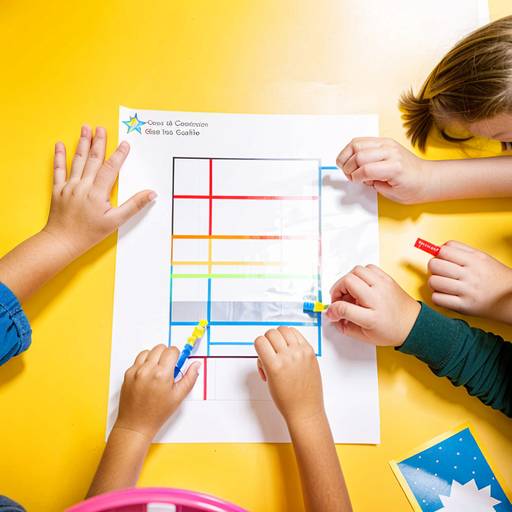
In this 60-minute math lesson for 3rd graders, students will explore the concepts of measurement and length while developing their skills in using standard units. The lesson begins with an engaging introduction that prompts students to discuss the meaning and importance of measurement. Following direct instruction, the teacher demonstrates how to use rulers and measuring tapes to measure various objects.
Students will then participate in guided practice in small groups, measuring items in both inches and centimeters and recording their findings. They will engage in an independent activity where they cut a piece of string to a specified length, re-measure their work, and find classroom objects that match the length of their string.
The lesson concludes with a group discussion where students share their measurements and insights. Assessment will focus on participation, accuracy of recorded measurements, and the completion of activities. Extensions include a measurement scavenger hunt and a home project, allowing students to connect measurement to real-world applications. The lesson emphasizes hands-on learning, collaboration, and the practical use of measurement in everyday life.
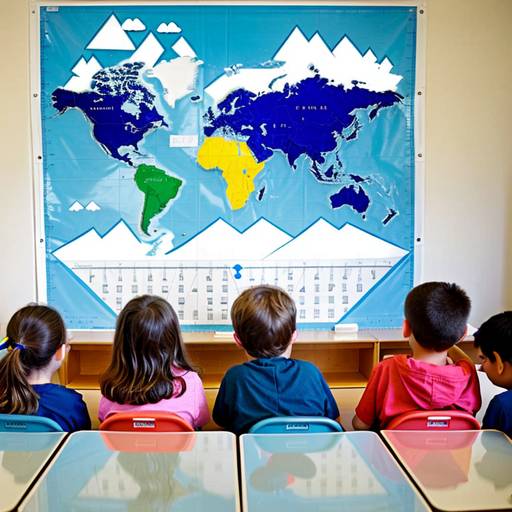
This 3rd-grade math lesson focuses on introducing students to 2D shapes and the concept of area. The class begins with a discussion about shapes found in their environment, followed by an introduction to various 2D shapes, including triangles, rectangles, squares, and circles. Students learn the definition of area and how to calculate it for squares and rectangles using the formula Area = Length × Width.
Through guided practice, students create their own shapes on graph paper, measure their dimensions, and determine the areas. They then complete an area worksheet that reinforces their understanding through calculations and encourages creativity by having them rearrange shapes.
The lesson culminates in a class discussion where students share their findings, fostering a connection between geometry and real-life applications. Assessment will be conducted through observation during practice and evaluation of the worksheets. Differentiation strategies are in place to support varied learning needs, and optional extensions encourage students to explore geometry further at home. Overall, the lesson promotes hands-on engagement and a foundational understanding of geometry and area.
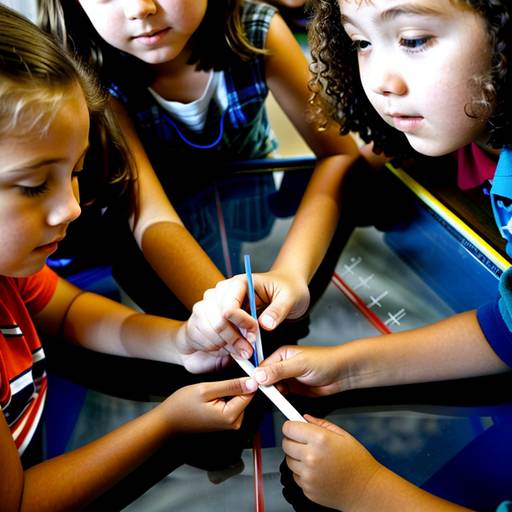
This 3rd-grade math lesson focuses on the concepts of measurement, specifically length and temperature. Students will learn how to measure objects using rulers in both inches and centimeters, and understand how to read temperatures using thermometers, distinguishing between Fahrenheit and Celsius.
The lesson begins with an engaging discussion about measurement in everyday life, followed by direct instruction that demonstrates the proper use of measurement tools. Students will then participate in guided practice by measuring various classroom objects and recording temperature readings from liquids.
Following this, learners will independently complete a worksheet that includes measuring items and converting temperature between Fahrenheit and Celsius. The lesson concludes with a group discussion to review findings and reinforce the importance of measurement in daily activities. Assessment will be based on observation and worksheet completion, with extensions available for further exploration of measurement concepts. Overall, this lesson aims to provide a hands-on and interactive learning experience that enhances students' understanding of measurement.
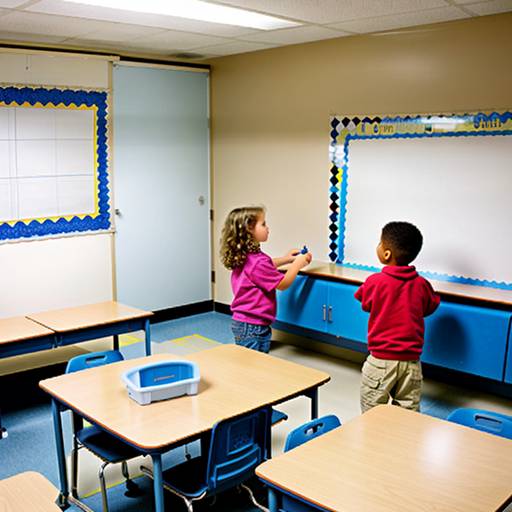
In this 3rd-grade math lesson, students will explore the concept of area as a measurement of space within rectangles. They will learn to calculate area using the formula: Area = Length x Width. The lesson begins with a discussion about area, followed by direct instruction that includes measuring objects in the classroom together. Students will then engage in guided practice by measuring and calculating the area of various rectangular shape cut-outs in pairs. Afterward, they will complete an independent practice worksheet using grid paper to measure and calculate the area of different rectangles. The lesson concludes with students sharing their findings and discussing the real-life significance of area measurement. Throughout the lesson, students will use rulers and measuring tapes, and the teacher will assess understanding through observation and worksheet review. Modifications and extension activities are included to accommodate varying skill levels and encourage further exploration.
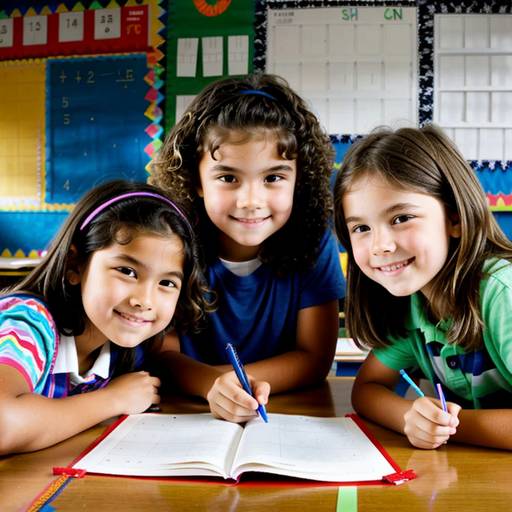
In this 3rd-grade math lesson, students will explore the concept of multiplication as repeated addition through engaging and interactive activities. The lesson begins with a brief review of multiplication, followed by the introduction of multiplication word problems. Students will work in small groups to collaboratively solve a variety of word problems, fostering discussion and critical thinking. After guided practice, they will complete individual worksheets to reinforce their understanding.
Additionally, students will have the opportunity to unleash their creativity by creating their own multiplication word problems, which they will write on sticky notes for sharing with the class. The lesson emphasizes real-life applications of multiplication and encourages problem-solving strategies. Assessment will be conducted through worksheet completion and student participation, with differentiation strategies in place to support diverse learning needs. Extensions include a homework assignment that prompts students to identify real-life scenarios involving multiplication.
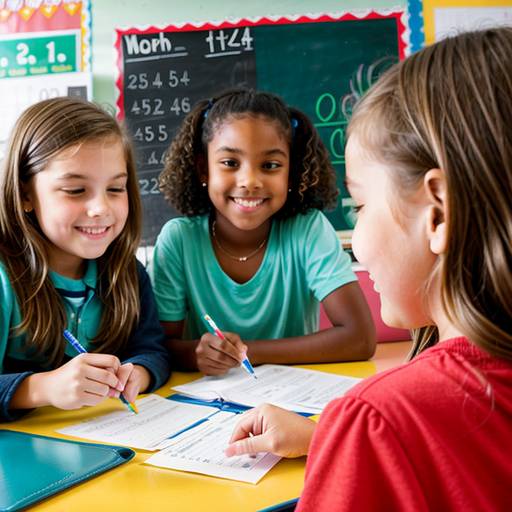
This 3rd-grade math lesson focuses on teaching students essential concepts related to money and budgeting. The lesson begins with an engaging discussion about money, where students learn to identify different coins and bills. They are then provided with play money to practice sorting and combining amounts, enhancing their counting skills.
Following this, students participate in a budgeting activity where they are given a "shopping list" of classroom items with corresponding prices. In pairs, they are tasked with creating a simple budget, selecting items to purchase while ensuring they stay within a set limit. This activity encourages teamwork and reinforces their understanding of making financial decisions.
Throughout the lesson, students have opportunities to engage in hands-on activities, share their thought processes, and discuss the importance of budgeting in daily life. Assessment is based on their participation during activities and the completion of budgeting worksheets. The lesson also includes suggestions for extensions and adjustments to cater to diverse learning needs while fostering real-world applications of money management skills.
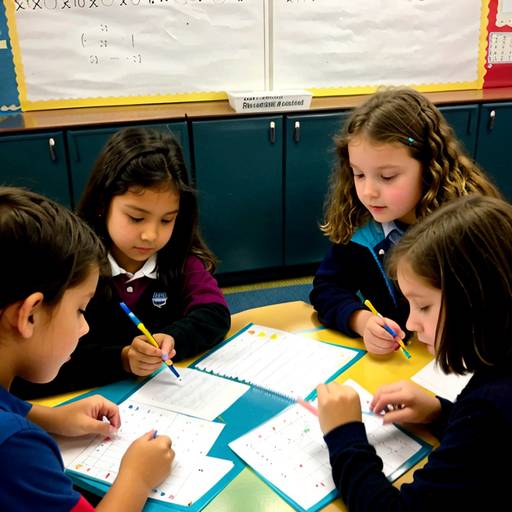
In this 3rd-grade math lesson, students will explore the concepts of multiplication and factors through a combination of direct instruction, hands-on activities, and independent practice. The lesson begins with a discussion about multiplication as repeated addition, followed by a demonstration using visual arrays to illustrate the concept. Students will learn to identify factors by finding pairs of numbers that multiply to produce a specific product.
Throughout the lesson, students will work in pairs using blocks or counters to create multiplication arrays and discuss their findings. They will then complete a worksheet with various multiplication problems and list the corresponding factor pairs. A “Factor Bingo” game will reinforce their understanding by allowing them to identify factors of a given product in a fun, interactive way.
The lesson concludes with a review of key concepts and an exit ticket for students to write one multiplication problem and its factors. Assessment will occur through observation, worksheet review, and exit tickets, with modifications available for students who need additional support or challenge. Lastly, students will be encouraged to find real-world examples of multiplication and factors at home, promoting the application of these concepts outside the classroom.
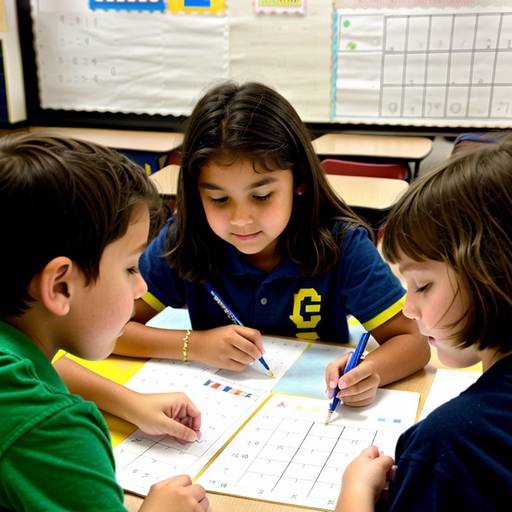
In this engaging math lesson for 3rd graders, students will explore the properties of multiplication, specifically the commutative and associative properties. The lesson begins with a review of basic multiplication concepts, followed by direct instruction where students learn how changing the order or grouping of numbers does not affect the product.
Utilizing manipulatives and flashcards, students will work in small groups to practice applying these properties to solve multiplication problems. This collaborative activity fosters teamwork and allows for peer learning. After guided practice, students will complete a worksheet independently to reinforce their understanding of the properties.
The lesson concludes with a class discussion where students share insights from the day's activities, followed by a brief exit ticket to capture their thoughts and any lingering questions. Assessment will be based on participation, worksheet completion, and reflections provided on the exit tickets. Modifications are included to support diverse learners, while extension activities encourage creativity and deeper understanding of the multiplication concepts.
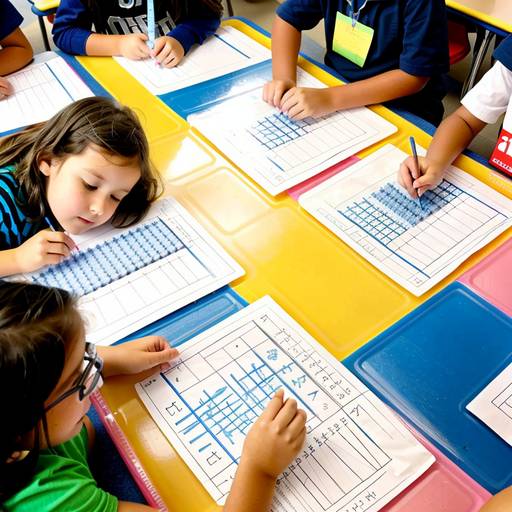
In this 60-minute math lesson for third graders, students will explore the concept of multiplication and identify patterns within multiplication tables. The lesson begins with a discussion to elicit students' prior knowledge of multiplication, which is then connected to the use of a multiplication chart. Through guided practice, students will discover patterns associated with multiplying by 1, 2, 5, and 10.
Next, students will engage in a relay activity where they work in small groups to solve multiplication flashcards, record their answers on colored paper, and discuss any patterns they notice. This collaborative activity fosters teamwork and reinforces their understanding of multiplication concepts.
Following the group activity, students will complete a worksheet that includes various multiplication problems and pattern identification tasks. The lesson concludes with a reflection where students share insights about what they learned, emphasizing the importance of recognizing patterns in multiplication.
Assessment will occur through observation during activities and the review of completed worksheets. Extensions for advanced learners include creating their own multiplication games or puzzles. Overall, the lesson aims to enhance students' comprehension of multiplication and its patterns in an engaging and interactive manner.
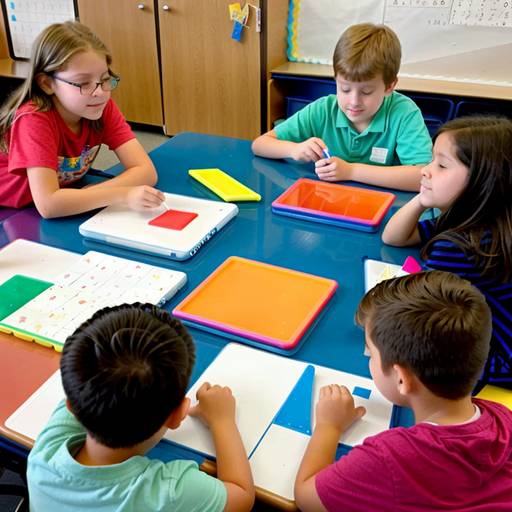
In this 3rd-grade math lesson, students will explore multiplication properties, focusing on the Commutative, Associative, and Distributive properties. The lesson begins with a review of multiplication facts, followed by an introduction to the properties through direct instruction, using examples presented on the whiteboard. Students will then engage in guided practice in small groups, solving multiplication problems using the properties and preparing brief presentations to showcase their understanding. Independent practice will involve worksheets where students apply the properties to various multiplication problems. The class will conclude with group discussions and a quick game to reinforce the concepts learned. Assessment will be conducted through worksheets and observations during group presentations, and appropriate differentiation strategies will be implemented to support all learners.