
Filters
Level
Grade
Subject
Subject Area
Subject Topic
Standard(s)
Audience
Keyword
DurationMinutes
3rd Grade Lesson Plans
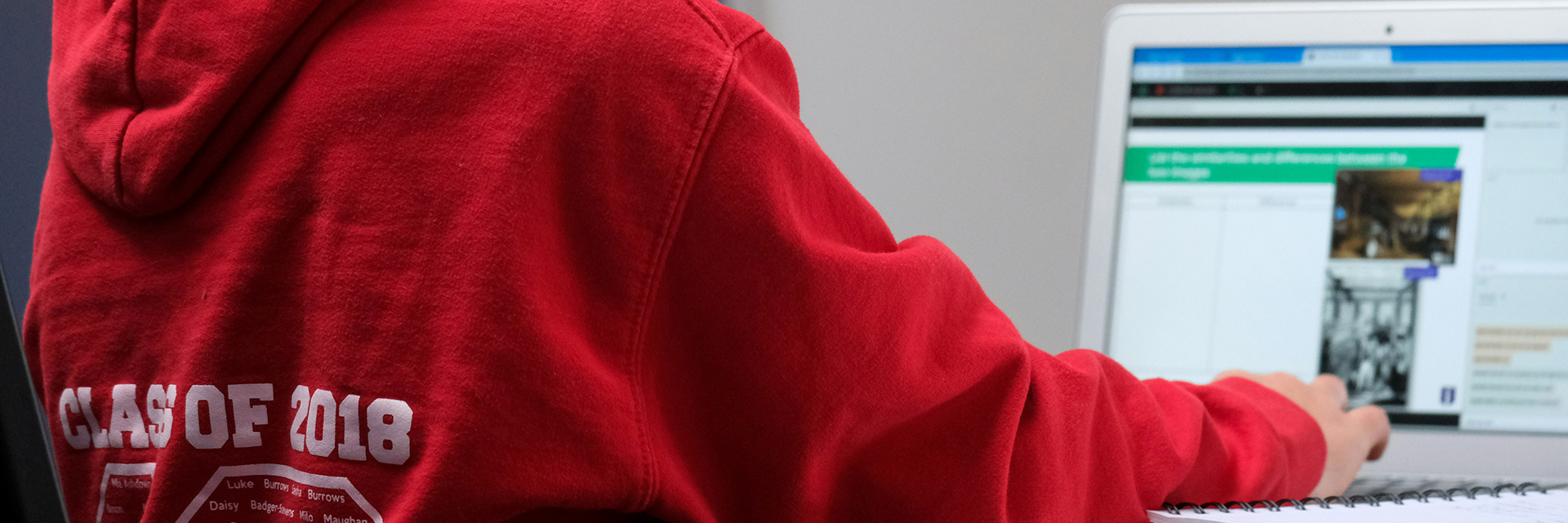
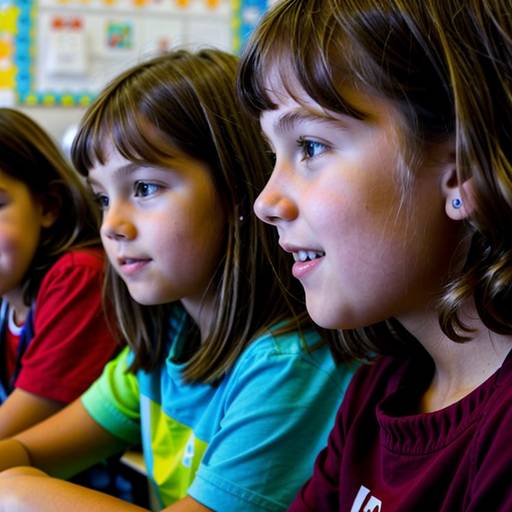
This 3rd-grade technology lesson focuses on teaching students the principles of digital citizenship and raising awareness about cyberbullying. Over the course of 60 minutes, students will engage in discussions to define digital citizenship and explore the impact of cyberbullying through the viewing of a brief video. They will participate in group activities that involve role-playing various online scenarios, allowing them to practice responding positively to both friendly and unkind interactions.
As a class, students will brainstorm and document ways to foster a kind digital community, culminating in the creation of a collective poster displaying their ideas. To solidify their commitment to being respectful online, each student will sign a cyberbullying pledge. The lesson aims not only to inform students about the importance of kindness in digital interactions but also to equip them with strategies for addressing and preventing cyberbullying. Assessment will involve monitoring participation and reviewing pledges, with options for extending learning through creative projects related to digital safety.

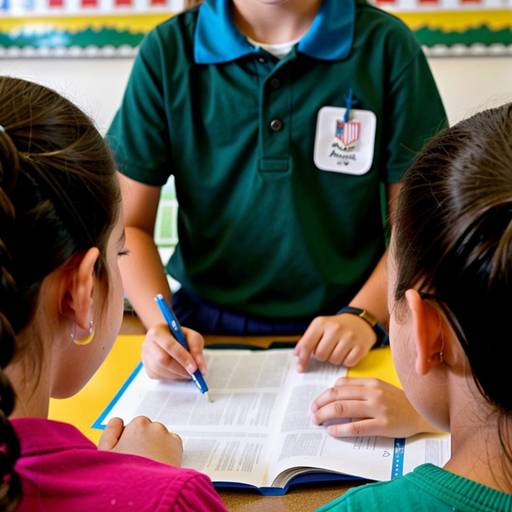
In this 3rd-grade Language Arts lesson, students will explore basic grammar concepts focusing on sentence structure. The lesson begins with a captivating read-aloud that introduces the importance of complete sentences in communication. Students will learn to identify subjects and predicates, understanding what constitutes a complete sentence, and the role of punctuation.
Through interactive discussions and guided activities, students will sort sentences and fragments, followed by an independent practice where they create their own complete sentences using provided subjects and predicates. The lesson closes with a sharing session, allowing students to present their work and reflect on the importance of using complete sentences. Assessment will be based on participation during activities and the accuracy of students' worksheets, with optional extended activities to reinforce learning further.

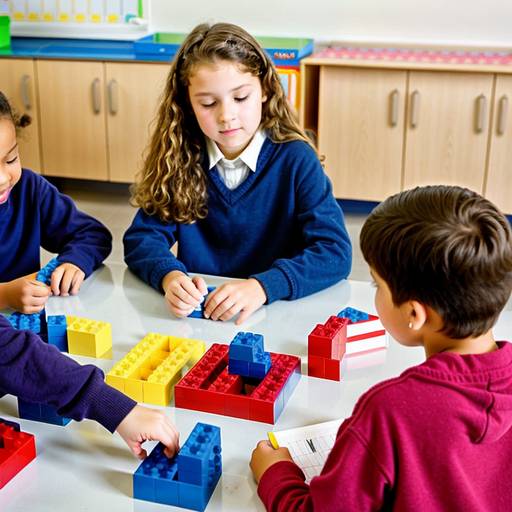
In this 3rd-grade math lesson, students will explore multiplication concepts and patterns through interactive and hands-on activities. The lesson begins by engaging students with skip counting to encourage them to identify patterns related to multiplication. Direct instruction will introduce multiplication as repeated addition, using practical examples to highlight the relationship between multiplication facts and patterns, particularly in the 5s and 10s tables.
Students will then participate in a hands-on activity where they create arrays using manipulatives to visually represent multiplication facts. Small group discussions will follow, allowing students to share their observations about patterns in their products. They will also complete worksheets that challenge them to identify and extend multiplication patterns.
To conclude, the lesson reinforces key takeaways through a brief review and encourages students to share their insights. Assessment will occur through monitoring group activities, evaluating worksheet completion, and reviewing independent practice to ensure understanding. Differentiation strategies will be implemented to support varying learning levels, ensuring all students can engage with the material effectively. By the end of the session, students should demonstrate confidence in recognizing and working with multiplication patterns.
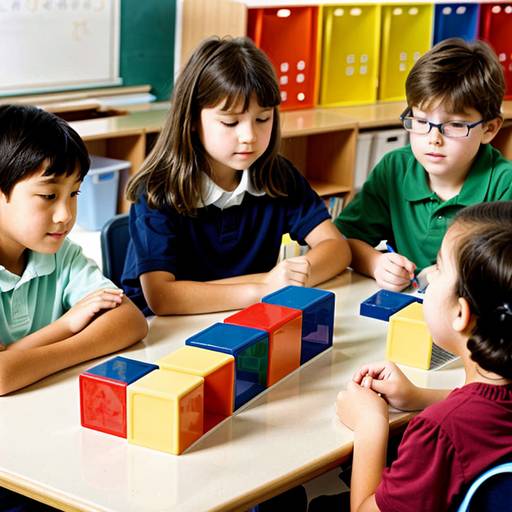
This lesson plan focuses on teaching 3rd-grade students the concept of multiplication through the use of arrays. It begins with an interactive discussion to connect multiplication with repeated addition. The instructor introduces arrays as a visual tool for organizing numbers, demonstrating how to represent multiplication problems using rows and columns. Students then engage in guided practice by creating various arrays with counters, promoting collaboration and understanding through peer discussions. Afterward, they work independently on a worksheet that requires them to draw arrays corresponding to specific multiplication problems. The lesson concludes with students sharing their arrays and the multiplication sentences they represent, reinforcing their understanding of the concept. Assessment is conducted through the review of worksheets and participation, with extensions for advanced learners and modifications for those who need additional support. The approach allows students to visualize multiplication and enhances their problem-solving skills in a hands-on manner.
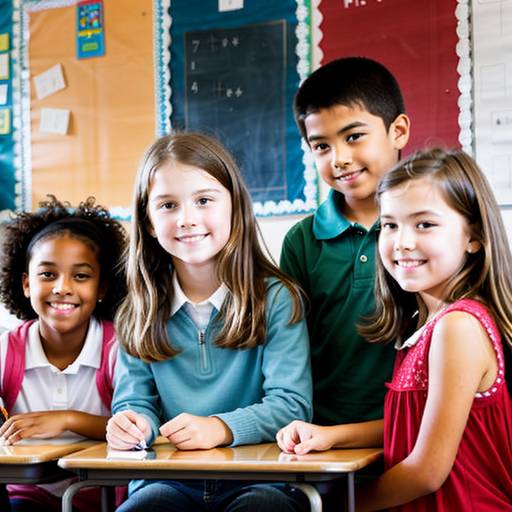
In this 3rd-grade math lesson, students will explore the concepts of multiplication and factors through interactive activities and visual aids. The lesson begins with a review of addition to establish a connection to multiplication as repeated addition. Students will engage in group discussions to identify real-life applications of multiplication. The teacher will model the use of arrays to visualize multiplication problems, further explaining factors as numbers that can be multiplied to reach a given product.
During guided practice, students will participate in an activity involving a Factor Wheel to determine the factors of chosen numbers. Following this, each student will create their own multiplication arrays on grid paper, identifying corresponding factors. The lesson wraps up with student sharing and reflections, reinforcing their understanding of multiplication facts and factors. Assessment will be conducted through observation and review of students' work, along with an exit ticket to gauge individual comprehension. Differentiation strategies will be employed to support varied learning needs.

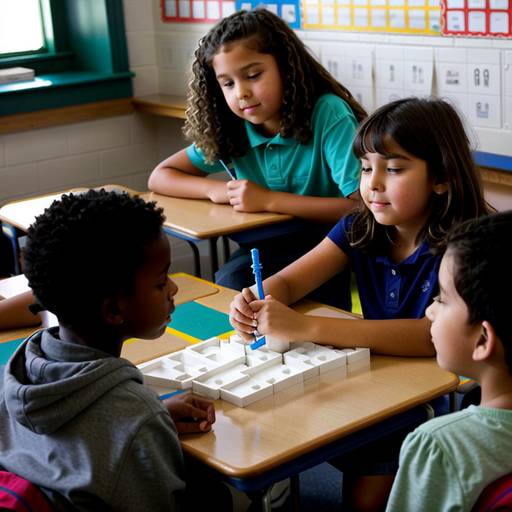
This lesson plan for third-grade social studies focuses on helping students understand the various roles individuals play within a community and how these roles contribute to the overall well-being of their neighborhoods. The class begins with a discussion about the concept of community and the different jobs that exist within it. Students then receive "Community Role Cards" to explore specific roles and share their insights with classmates.
In small groups, students create a visual representation, or collage, showcasing selected community roles, using magazine cutouts and drawings to enhance creativity. Each group presents their collage, explaining the importance of the roles they highlighted. The lesson concludes with a reflective discussion where students share what they learned and contemplate how to appreciate community members. Assessment includes observation of participation and a review of the group projects, allowing educators to gauge understanding and engagement throughout the lesson.
Through this engaging and interactive approach, students gain a deeper appreciation for the diverse individuals who contribute to their communities.
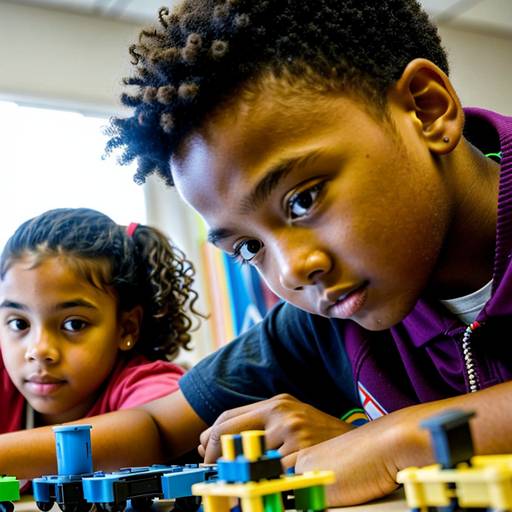
In this engaging technology lesson for 3rd graders, students will explore basic robotics concepts through hands-on activities. The lesson begins with an introduction to robotics, highlighting various types of robots and their components. Students will be divided into small teams, where they will build and customize robots using provided kits. Following the assembly, teams will learn how to program their robots to perform specific tasks, fostering collaboration and problem-solving skills.
Students will then participate in a series of challenges, such as navigating a maze, picking up objects, and maneuvering through an obstacle course, allowing them to apply their building and programming skills in a fun, competitive environment. The lesson concludes with a reflective discussion, where students share their experiences, challenges faced, and what they learned about teamwork and creativity in robotics. The overall goal is to provide students with a foundational understanding of robotics while encouraging critical thinking and collaboration.
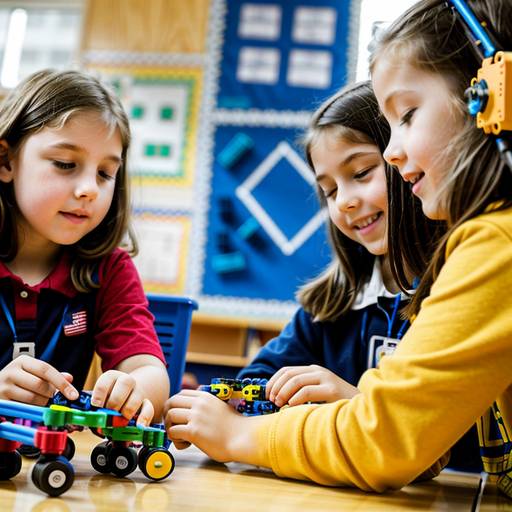
In this 3rd-grade technology lesson, students will explore the exciting world of robotics through hands-on engagement. The lesson begins with a discussion about robots, where students share their knowledge and observations about robots in everyday life. A short video will enhance their understanding of various robotic applications.
After this introduction, students will work in small groups to design their own robots. They will use worksheets to sketch their ideas and determine the materials needed for construction. Once planning is complete, groups will receive robotics kits and construction supplies to build their robots collaboratively.
As the session progresses, students will present their completed robots to the class, explaining their design choices and the intended functions of their creations. The lesson will conclude with a recap of key concepts and the significance of collaboration in engineering challenges, along with a potential homework assignment to research robots. Overall, students will gain foundational insights into robotics while developing teamwork and problem-solving skills.
This 3rd-grade social studies lesson focuses on helping students understand the concept of community and the importance of rules. The lesson begins with a discussion about what constitutes a community, allowing students to share their insights and identify various community members. Students then learn about the significance of rules through a guided reading of common community rules.
In small groups, students brainstorm ideas for rules that would enhance their classroom community, encouraging them to think critically about the rationale behind each rule. The class collaborates to create a collective list of essential rules. To reinforce their commitment to these rules, each student crafts a personal "Community Pledge," which they decorate and display in the classroom as a reminder of their responsibilities.
The assessment of student understanding is based on participation in discussions, the relevance of the group's rule contributions, and the completion of the pledges. The lesson also includes extensions, such as inviting a community member to speak or organizing a field trip to explore community roles in action. Overall, this lesson fosters a sense of responsibility and belonging among students while highlighting the importance of cooperation in a community setting.
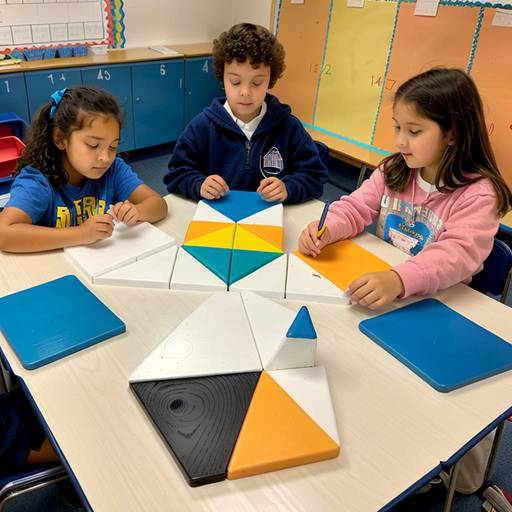
In this 3rd-grade math lesson, students will explore the concept of area through measurement and calculation involving squares and rectangles. The lesson begins with an introduction to area as the amount of space inside a shape, distinguishing it from perimeter. The instructor will demonstrate how to measure the sides of shapes using rulers and explain the area formula: Area = Length × Width. Students will engage in guided practice by measuring pre-prepared shape templates, calculating their areas, and representing them visually on graph paper. Following this, they will complete independent worksheets that reinforce the area calculation skills learned. The lesson concludes with a review of key concepts and their real-world applications, along with an assessment of students' understanding through worksheet evaluation. Optional extensions are provided for advanced learners to explore more complex shapes and applications. Overall, the lesson aims to provide hands-on learning experiences that foster a strong grasp of measurement and area principles.