
Filters
Level
Grade
Subject
Subject Area
Subject Topic
Standard(s)
Audience
Keyword
DurationMinutes
3rd Grade Lesson Plans
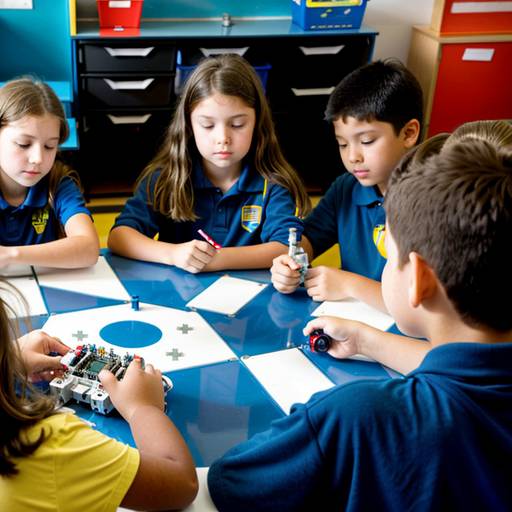
In this third-grade technology lesson, students are introduced to the world of robotics and the fundamental concepts behind robot construction. The lesson begins with a discussion on the role of robots in everyday life, followed by an exploration of the different components that make up a robot. Working in small groups, students assemble simple robot kits, allowing for creativity and collaboration as they build and customize their creations. After the robot building activity, students are introduced to basic programming using tablets or computers to make their robots perform simple movements. The lesson concludes with presentations from each group, where students share their robots' features and demonstrate their programming. Observational assessments focus on student engagement, teamwork, and understanding of programming concepts, while extension activities encourage further exploration of robotics. The lesson promotes hands-on learning and critical thinking, equipping students with skills relevant to future technology and engineering fields.

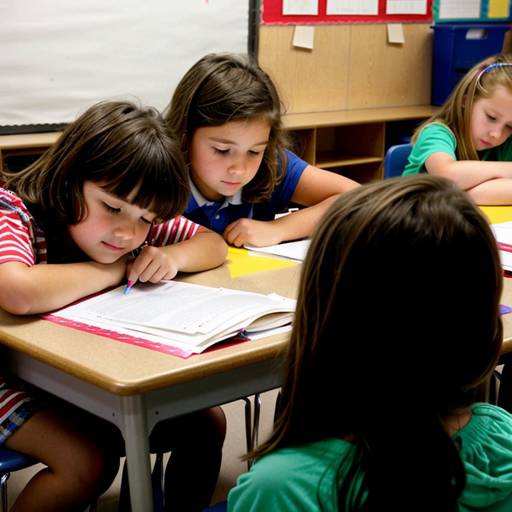
In this 60-minute lesson plan designed for 3rd-grade students, the focus is on teaching the fundamentals of persuasive writing. The lesson begins by engaging students in a discussion about their experiences with persuasion, helping them connect personally to the topic. Key elements of a persuasive letter are introduced, including the greeting, opinion, supporting reasons, closing statement, and sign-off. Students then have the opportunity to choose a topic they feel passionately about and outline their arguments using a graphic organizer. During independent practice, they write their persuasive letters, allowing for personal expression and creativity. The lesson concludes with students sharing their letters, fostering discussion and reflection on the persuasive techniques used. Assessment includes observation of participation, review of graphic organizers, and evaluation of the completed letters. Extensions for the lesson are suggested to further enhance students' engagement with persuasive writing in real-world contexts.

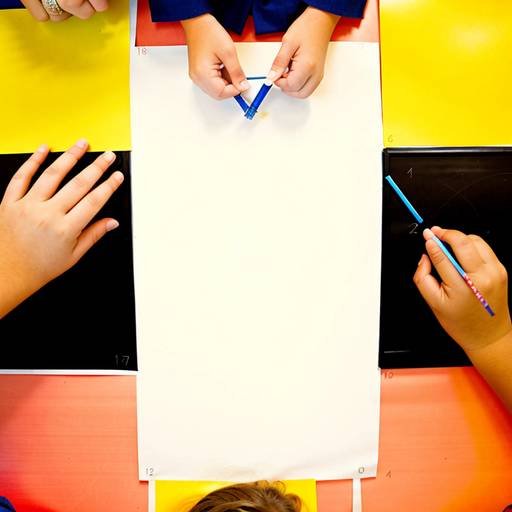
This lesson plan is designed for 3rd-grade students to explore the concepts of measurement in length and temperature. Over the course of 60 minutes, students will engage in hands-on activities to measure various objects using rulers and take temperature readings with thermometers. The lesson begins with an introduction to the importance of measurement in everyday life, followed by direct instruction on using rulers and thermometers effectively.
Students will then participate in guided group practice, measuring the length of different objects and recording the classroom temperature. Afterward, they will complete a worksheet independently, where they analyze and answer questions about the measurements they took. The class will reconvene for a discussion, where groups will share their findings, and a collective temperature chart will be created for visual representation.
Assessment will be based on the completed worksheets and group participation. Extensions are offered for advanced learners, including unit conversion and investigating the effects of temperature on different materials. Modifications are also provided to support students needing additional assistance, ensuring all learners can engage meaningfully with the concepts presented.

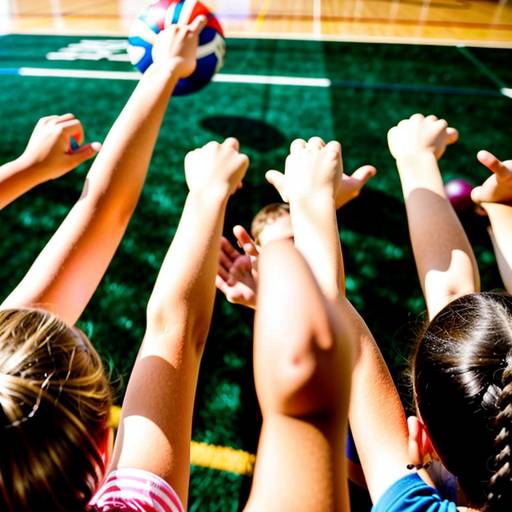
In this engaging Physical Education lesson for 3rd-grade students, the focus is on enhancing coordination and teamwork through a variety of activities and games. The session begins with dynamic stretching to warm up the students physically and mentally. Following the warm-up, a discussion introduces the concepts of coordination and teamwork, emphasizing their importance in sports and group activities.
Students are then divided into teams and participate in a series of coordinated relay races, which include synchronized movement, ball balancing, and passing a hula hoop down the line. Each task encourages collaboration and communication among teammates. Next, the class takes on a team challenge by navigating an obstacle course designed to promote cooperative problem-solving and physical coordination.
To wrap up the lesson, students engage in a guided cool down with static stretching and participate in a reflection discussion about their experiences. Throughout the class, observation and feedback help assess each student’s participation and understanding of coordination and teamwork. Adaptations are also included to ensure that every student can fully engage and benefit from the activities, promoting inclusivity and skill development.
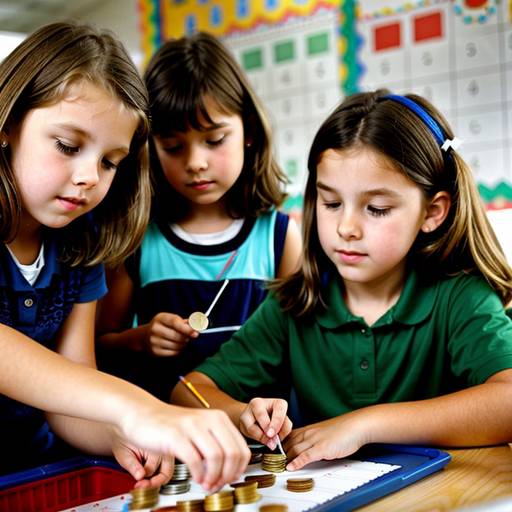
This 3rd-grade math lesson focuses on teaching students about money and budgeting through hands-on activities and real-life scenarios. The lesson begins with a discussion about the importance of money, followed by an introduction to different coins and their values. Students engage in guided practice to identify and count money using play coins.
Afterward, they work independently on budgeting templates, planning purchases within a given budget. In a group activity, students participate in a shopping fair simulation where they make decisions about what items to buy while adhering to their budget. The lesson concludes with a reflective discussion, allowing students to share their experiences and thoughts on making money choices. Assessment includes observation during activities and reviewing budgeting worksheets. Extensions and modifications are suggested to accommodate different learning needs, ensuring an inclusive and engaging experience for all students.
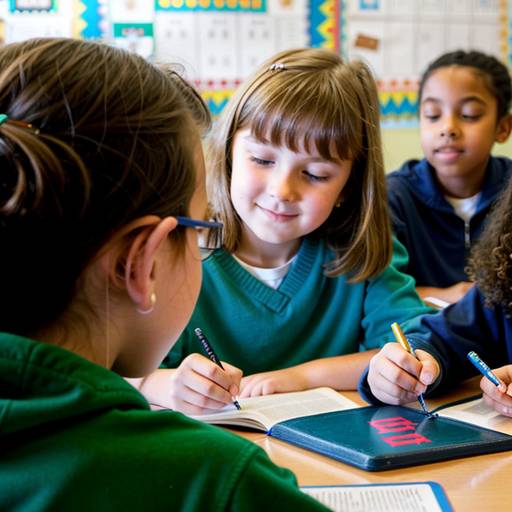
The lesson plan focuses on engaging 3rd-grade students in creative writing by guiding them through the elements of storytelling, including characters, setting, problem, and resolution. The lesson begins with a warm-up discussion about adventure stories, allowing students to share their favorites and identify key story components. Students then participate in a brainstorming session in pairs to develop their own story ideas, which they ultimately write independently, incorporating descriptive language and illustrations.
The lesson concludes with students sharing parts of their stories in small groups or with the class, fostering a supportive environment for collaboration and feedback. Assessment is based on observation during activities and the quality of the written stories. Modifications are available for different student needs, and extensions encourage students to showcase their work in a class book format. Overall, the lesson aims to develop creativity, improve writing skills, and enhance students' storytelling abilities.
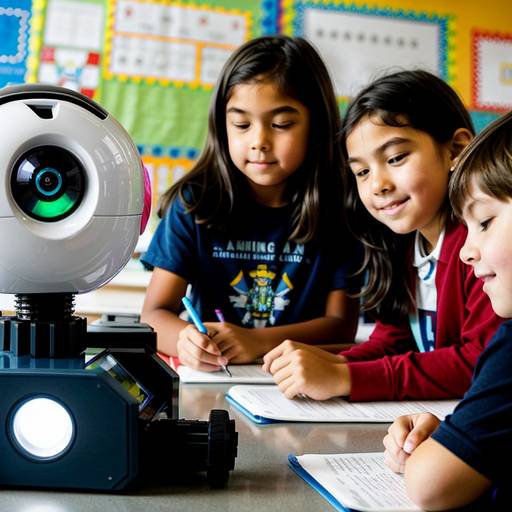
In this 1-hour lesson plan for 3rd graders, students will explore the world of robotics through collaborative design and building activities. They will begin by discussing the purpose and functionality of robots in everyday life, including key components such as sensors and actuators. After forming small groups, students will brainstorm ideas for their own robot creations and sketch designs. Using assorted craft materials and basic robot kits, groups will work together to construct their robots, fostering teamwork and creativity. Each group will then present their robot to the class, explaining its purpose, the materials used, and any challenges they faced during the building process. The lesson concludes with a reflection on the learning experience, highlighting the importance of collaboration and innovation in technology. Assessment will focus on participation during group work and the quality of presentations, while extensions offer opportunities for further creativity.

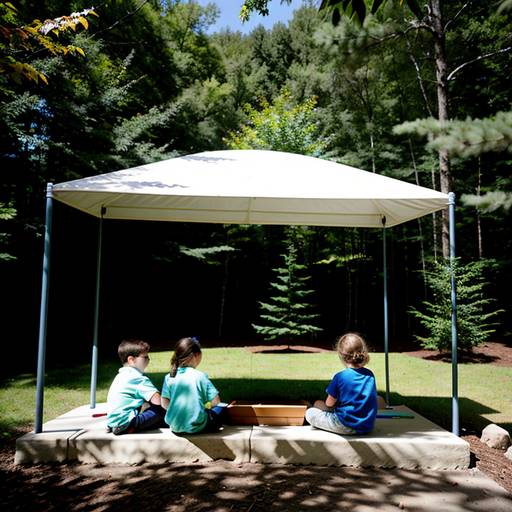
In this 3rd-grade art lesson, students will explore the concept of sculpture by creating nature-inspired artworks using recycled materials. The lesson begins with a discussion about different forms of sculpture and their relationship to the environment, supplemented by inspirational images. Students will brainstorm and sketch their designs, focusing on elements from nature that resonate with them.
As they move on to the hands-on creation phase, they will use a variety of recycled items to build their sculptures, learning about balance and stability in their designs. Once their sculptures are complete, they will have the opportunity to decorate and personalize their work.
The lesson concludes with a gallery walk where students present their sculptures to the class, sharing their inspirations and the materials they used. Through this process, they will develop their artistic skills, enhance creativity, and gain insights into the importance of sustainability in art. The activity also encourages teamwork, particularly through an optional extension project where students collaborate on a larger sculpture.
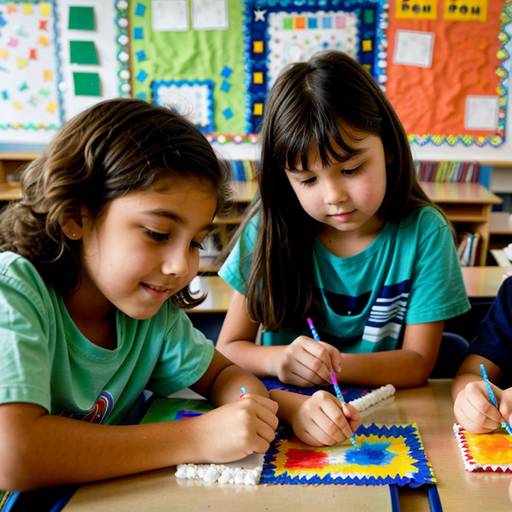
In this 3rd-grade art lesson, students will explore fundamental drawing techniques, including the use of lines, shapes, and textures, while encouraging them to draw from their imagination. The lesson begins with a discussion on different types of lines and shapes, along with a demonstration on how to transform simple forms into more complex images. Students will then engage in independent work, using pencils to sketch original ideas based on their interests and imaginations, followed by coloring their creations with colored pencils or markers. The lesson concludes with a sharing session, where students present their artwork and explain their creative choices. Assessment will focus on observation during the drawing process and the evaluation of the final artworks for creativity and technique application. Extensions are available for students who finish early, allowing for further exploration or storytelling related to their artwork. Overall, the lesson aims to foster creativity and confidence in young artists while developing essential drawing skills.
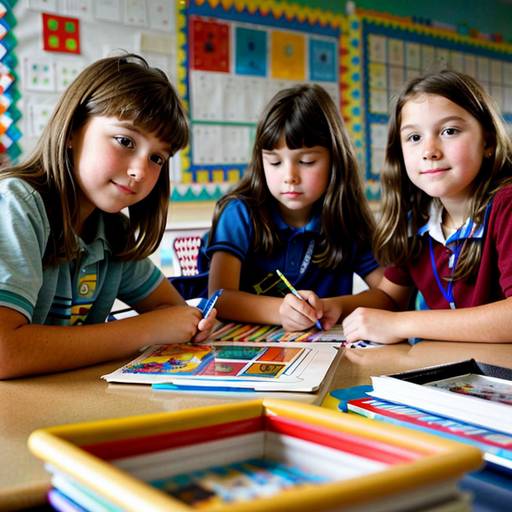
In this 3rd-grade art lesson, students will explore various art forms and the concept of mixed media by creating a unique piece that incorporates drawing, collage, and painting techniques. The lesson begins with a discussion and examples of different art forms, encouraging students to observe and identify materials and techniques used in mixed media artworks.
Students will then plan their own artwork based on a chosen theme and sketch a draft. They will cut out images and shapes from magazines and colored papers to create a collage, layering these elements to add depth. Textured materials such as fabric and sandpaper will be introduced, encouraging students to enhance their pieces with unique textures. Finally, students will apply watercolor paints to add color and further dimension to their creations.
After completing their artworks, students will participate in a gallery walk to observe and appreciate their classmates' pieces. The lesson concludes with a class discussion, allowing students to reflect on their experiences and the techniques they used, along with a written reflection on their work and artistic choices. Assessment will focus on participation, creativity, and understanding of mixed media, with opportunities for extension through at-home projects or a class exhibition.