
Filters
Level
Grade
Subject
Subject Area
Subject Topic
Standard(s)
Audience
Keyword
DurationMinutes
3rd Grade Lesson Plans

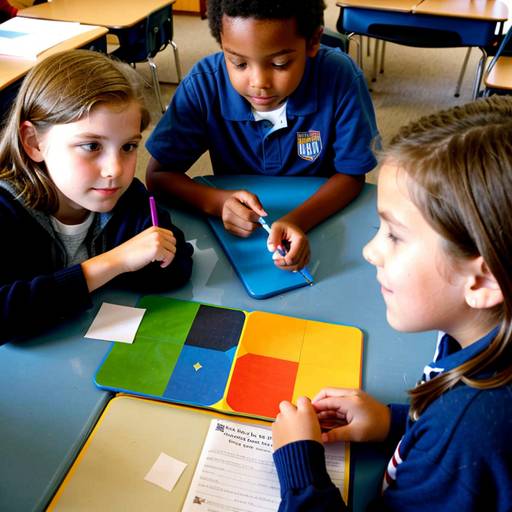
In this 3rd-grade language arts lesson, students will engage in learning about vocabulary and context clues over the course of one hour. The lesson begins with a discussion about the importance of vocabulary, followed by an introduction to context clues as a strategy for uncovering the meanings of unfamiliar words. The teacher models this process using example sentences that include context clues, guiding students in how to infer meanings.
Students will then work in small groups to read a selected text, identify unfamiliar words, and discuss the context clues present in those sentences. Following this collaborative activity, students will complete a worksheet independently, focusing on underlining unfamiliar words and using context clues to deduce their meanings.
The lesson concludes with a group sharing session, allowing students to present one new vocabulary word they discovered and the clues they used to understand it. To reinforce their learning, students are encouraged to find and document new words in their independent reading. Assessment will occur informally through group discussions, shared sentences, and the collected worksheets. Opportunities for differentiation and extensions are included to support varying levels of learners.

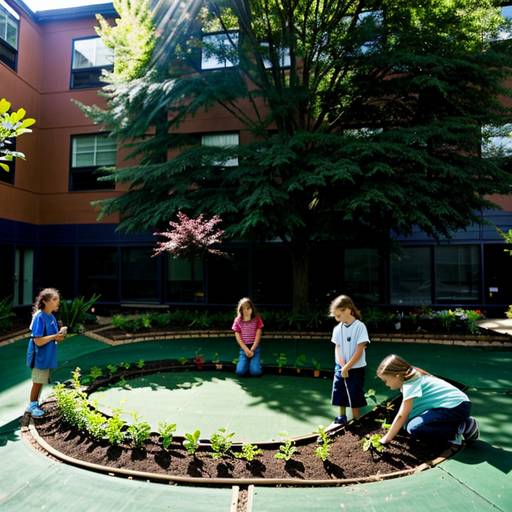
In this 3rd-grade math lesson, students will explore the concept of division through hands-on activities that relate to dividing plants among pots. The objective is for students to understand and perform basic division by visualizing and physically engaging with the material. The lesson begins with an engaging introduction discussing gardens and equal sharing, followed by direct instruction that models division using a simple problem on the whiteboard.
Students will then participate in a group activity where they divide a set number of plant cutouts into designated pots, fostering collaboration and discussion about the division process. This is followed by independent practice, where students solve division problems on worksheets and tackle word problems that apply division to real-life scenarios. The lesson concludes with a review of key concepts and an exit ticket where students express their learning.
Throughout the lesson, assessments will be made based on participation, worksheet completion, and exit responses. Differentiation strategies will be employed to support both advanced students and those who may need additional help, ensuring that each student grasps the concept of division effectively. After the lesson, the teacher will reflect on the activities to evaluate student understanding and future improvements.
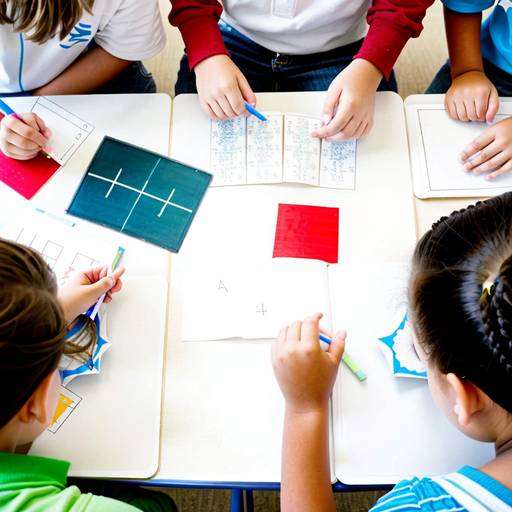
This 3rd-grade math lesson focuses on introducing students to the concept of division through sharing and grouping. It begins with a discussion about everyday experiences related to sharing, leading to the introduction of key vocabulary: dividend, divisor, and quotient. Students engage in direct instruction where they learn to visualize division by grouping objects. They then participate in guided practice using manipulatives to solve simple division problems, followed by independent practice with worksheets that reinforce their understanding. The lesson concludes with a review of the core concepts and an optional extension activity that incorporates teamwork and competition. Throughout the lesson, various assessment methods are utilized to monitor student comprehension and encourage engagement with the subject matter.
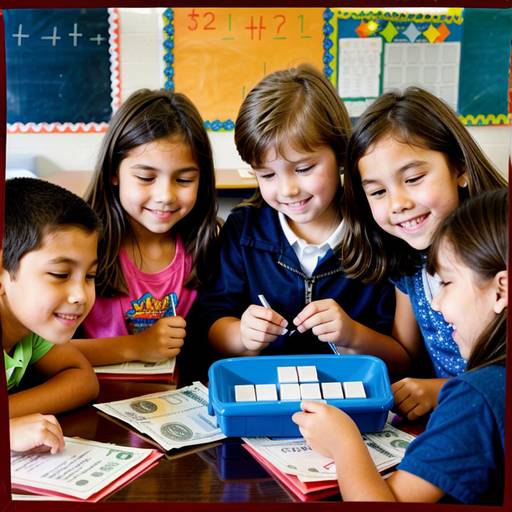
In this 3rd-grade math lesson, students will explore the concepts of money management and budgeting through hands-on activities. The lesson begins with an engaging discussion about budgeting and the importance of managing money wisely. Students will learn to identify and count various coins and bills, followed by practical budgeting scenarios where they will create their own budgets based on a fictional allowance.
Through guided practice, students will use play money to make selections from a classroom store filled with items of varying costs, filling out worksheets as they keep track of their spending and savings. During independent practice, students will design their own budget based on their preferences and learn to complete a budgeting worksheet without exceeding their allowance. The lesson concludes with a sharing session, where students can present their budgeting choices and reflect on their learning.
Assessment will be conducted through completed worksheets and participation in discussions and activities. Extensions will be offered to deepen understanding, while modifications will ensure all students can engage meaningfully with the material. By the end of the session, students will gain foundational skills in recognizing, counting, and budgeting money, setting them up for future financial literacy.

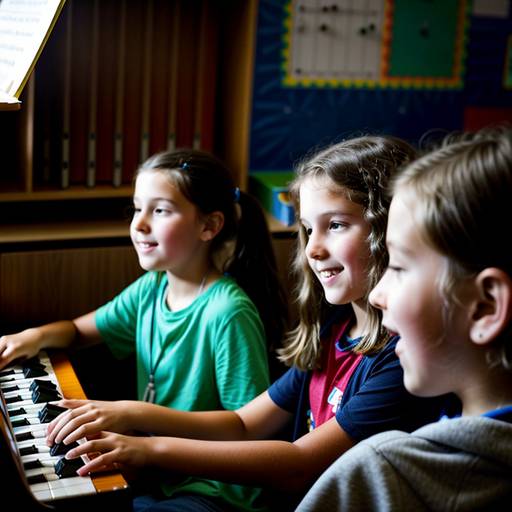
In this 45-minute music lesson for 3rd graders, students will explore the concept of dynamics in music, learning about the terms forte (loud), piano (soft), mezzo forte (moderately loud), and mezzo piano (moderately soft). The lesson begins with an engaging discussion about dynamics, followed by a listening activity where students identify these dynamic changes in various musical clips.
Students will then break into small groups to create and present rhythm patterns using different dynamics with instruments provided. Afterward, they'll engage their voices in a creative exercise where they compose a short musical phrase that incorporates at least two dynamics, using movement to illustrate the changes.
The lesson concludes with a class discussion that highlights how dynamics influence the emotional expression in music. Student participation, both in group activities and their presentations, will be observed to assess their understanding and implementation of dynamics. For an extension, students will be encouraged to identify dynamics in their favorite songs and share their findings in the next class.

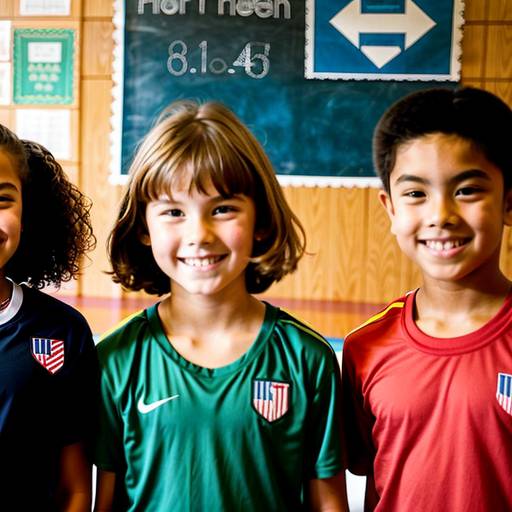
In this 60-minute physical education lesson designed for 3rd graders, students will engage in a variety of activities that blend basic sports skills with introductory gymnastics movements. The session begins with dynamic stretching and a movement activity to build agility.
Students rotate through four stations focusing on different skills: walking on a balance beam to improve balance, practicing basketball shooting to develop accuracy, executing forward and backward rolls on gym mats to enhance body control, and participating in a relay race to foster teamwork.
After the main activities, students will gather for a cool-down session with group stretches. The lesson concludes with a reflection period where students can share their experiences and what they've learned about sportsmanship and teamwork. Throughout the session, the instructor will monitor progress and encourage self-assessment and peer feedback to reinforce both skill development and positive engagement.
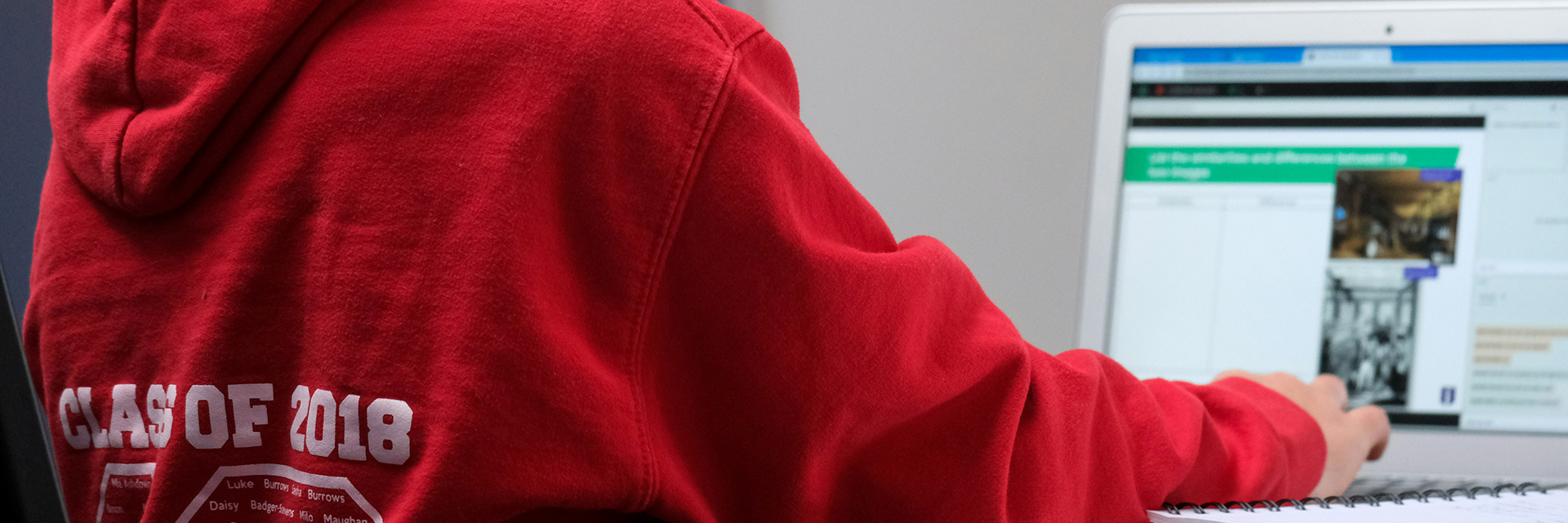

This lesson plan focuses on teaching 3rd-grade students the principles of digital citizenship and raising awareness about cyberbullying. The lesson begins with a discussion on what it means to be a good citizen both online and offline, followed by an engaging video that illustrates the key concepts. Students then participate in small-group activities where they analyze scenarios related to cyberbullying and devise kind responses, fostering empathy and solution-oriented thinking.
To reinforce their learning, students engage in an interactive Bingo game that highlights the importance of kindness in digital interactions. The lesson concludes with a reflection on the key takeaways, encouraging students to commit to spreading kindness online. Overall, this plan aims to equip students with the knowledge and skills needed to create a respectful and supportive digital environment.

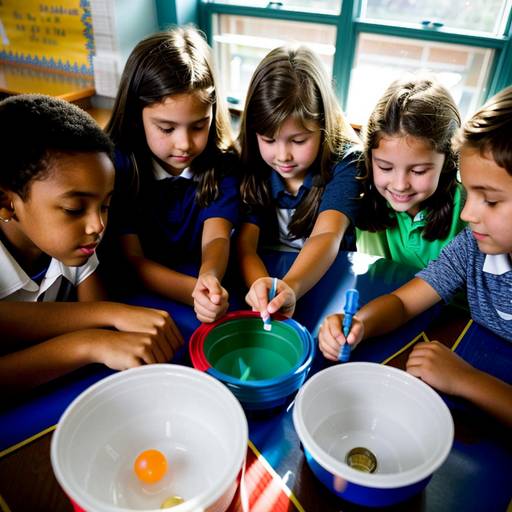
In this engaging 3rd-grade science lesson, students will explore the concept of energy and its various forms, focusing on how energy can transform from one type to another. The lesson will begin with a discussion to pique students' interest and gather their initial thoughts about energy in everyday life. Following this introduction, students will learn about different forms of energy, such as kinetic, potential, thermal, and electrical, through direct instruction.
The main part of the lesson will involve hands-on activities at various stations. Students will participate in experiments that demonstrate energy transformations, including a balloon rocket, a solar-powered toy car, and a flashlight. This interactive approach will help them observe and understand the principles of energy transformation in real-time. After the activities, students will regroup for a class discussion to share their observations and insights.
To reinforce learning, each student will complete a worksheet where they can illustrate or describe an energy transformation they witnessed during the session. The lesson concludes with a review of the key concepts, encouraging students to articulate their understanding of energy and its transformations. Through this lesson, students will develop a foundational comprehension of energy, its types, and transformations in a fun and interactive manner.
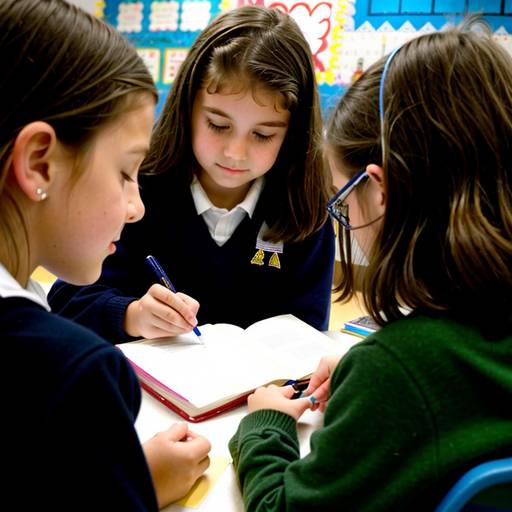
In this 3rd-grade language arts lesson, students will learn about persuasive writing and its key elements, including forming an opinion, providing supporting reasons, and crafting a call to action. The lesson begins with a discussion about experiences with persuasion, followed by an examination of a persuasive letter to identify effective techniques. Students will then use a graphic organizer to plan and structure their own persuasive letters on topics they are passionate about. After drafting their letters, they will have the opportunity to share their work with classmates. The lesson concludes with a reflective discussion about the persuasive writing process. Assessment will focus on the students' understanding of the persuasive writing components through both their graphic organizers and written letters.
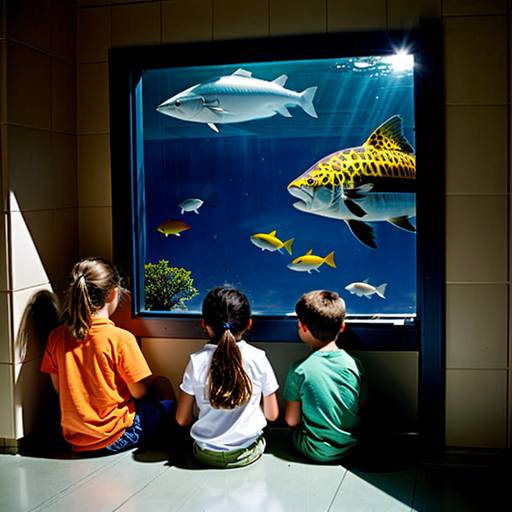
In this 3rd grade life science lesson, students will explore various animal habitats and the unique adaptations that allow animals to thrive in those environments. The session begins with a discussion of different habitats, such as deserts, forests, and oceans, encouraging students to identify the animals that inhabit each one. Following this, the teacher will present information on how specific animal traits contribute to their survival, using a chart to illustrate these connections.
Students will then engage in a matching activity with habitat cards and animal figurines, facilitating group discussions about why certain animals are suited to particular habitats. For the independent activity, students will create 3D models of a habitat of their choice, incorporating at least three animals and demonstrating their understanding of the topic.
The lesson concludes with presentations, where students share their habitat models and insights, promoting reflection on what they learned about animal adaptations and habitats. Assessment will focus on student participation, creativity, and accuracy in their models, with extensions available for further exploration of the topic. Modifications will ensure all students can fully participate and grasp the material.