
Filters
Level
Grade
Subject
Subject Area
Subject Topic
Standard(s)
Audience
Keyword
DurationMinutes
3rd Grade Lesson Plans

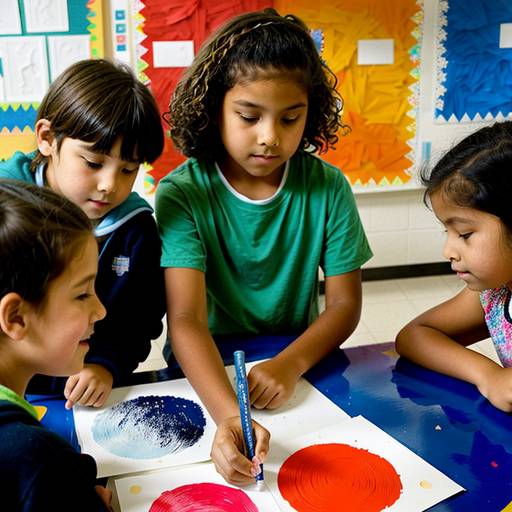
In this 3rd-grade art lesson, students will explore the fundamental principles of printmaking, focusing on texture and creativity. The session begins with a discussion about printmaking, including examples of textured prints to ignite students' imaginations. Following an engaging demonstration, students will create their own textured designs using Styrofoam plates and crafting tools. They will learn to apply paint to their foam stamps and produce impressions on construction paper, allowing for experimentation with colors and layering techniques. As students work, the instructor will provide guidance and encouragement. The lesson concludes with a sharing circle, where students showcase their prints and reflect on their artistic experiences. This activity not only fosters creativity but also helps students understand the artistic process and the role of texture in visual art.
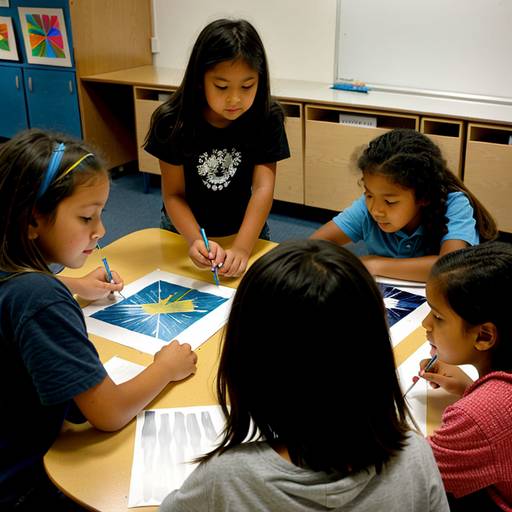
In this engaging art lesson designed for 3rd-grade students, learners will explore the fascinating technique of printmaking while developing their creativity and understanding of historical art forms. The lesson begins with an introduction to printmaking, emphasizing its significance in both history and contemporary art, followed by a demonstration on creating printmaking plates using Styrofoam.
During the hands-on activity, students will design their foam plates, apply paint, and create their own prints on paper, experimenting with colors and layering. The session culminates in a mini art gallery walk, where students showcase their completed prints and discuss their artistic processes and inspirations. Through this experience, students will not only enhance their artistic skills but also gain an appreciation for printmaking as a unique form of expression, while learning the value of collaboration and sharing in the creative process.

In this 3rd-grade language arts lesson, students will explore narrative writing by learning the essential elements of a story, including the beginning, middle, and end. The lesson begins with a discussion about what makes a compelling narrative and an introduction to a story map to organize their thoughts. Students will fill out graphic organizers to brainstorm their main characters, settings, conflicts, and resolutions. After completing their story maps, they will independently write their narratives, focusing on using descriptive language to engage readers. The lesson concludes with a sharing session where students present their stories to the class, followed by a reflection on their writing experience. The objective is to enhance students' narrative writing skills and their ability to express themselves creatively. Assessment will include reviewing story maps and narratives to ensure comprehension and effectiveness. Differentiation strategies are incorporated to support diverse learners.
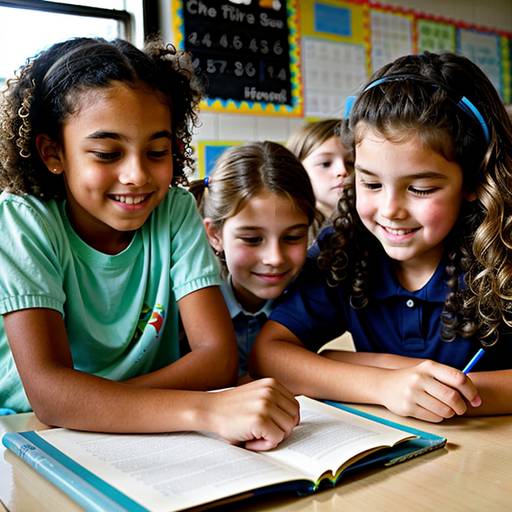
In this 3rd-grade technology lesson, students will explore multimedia creation and digital storytelling by working in small groups to develop engaging narratives. The lesson begins with a brainstorming session on story elements, followed by an introduction to various multimedia examples. Students will then be divided into groups, each assigned a unique story prompt, and will use planning templates to outline their stories, considering how to incorporate images and audio.
During the second class, groups will create their digital stories using designated software, focusing on the integration of text, visuals, and sound to enhance their narratives. They will practice their presentations within their groups before sharing their completed stories with the class. Finally, students will reflect on their learning experience, discussing the impact of multimedia on storytelling. Assessment will be based on group collaboration, creativity, and presentation effectiveness, with modifications offered for students needing additional support. This lesson encourages creativity and teamwork while reinforcing key storytelling concepts through technology.
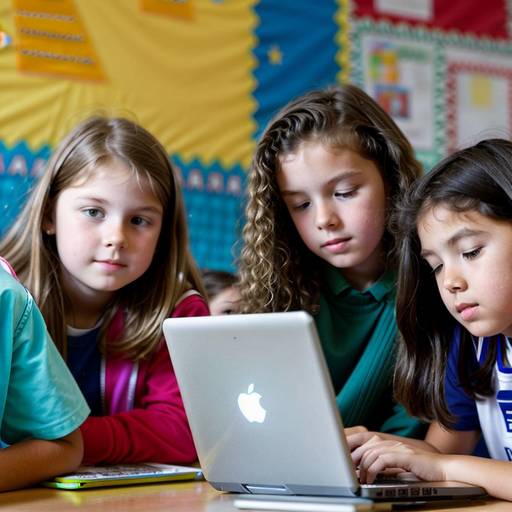
This lesson plan is designed for 3rd-grade students to enhance their internet navigation skills and understand the principles of netiquette for safe online communication. The session begins with an engaging discussion about students' prior experiences with the internet. A demonstration introduces basic website navigation, highlighting essential skills such as using search bars and understanding site links.
Students learn about netiquette through examples of appropriate online behavior and receive handouts outlining key rules to follow. In pairs, they practice navigating a designated website and discuss scenarios involving online interactions to identify respectful communication. Individual reflection is encouraged as students complete a workbook activity relating to their experiences with online behavior.
To reinforce learning, students participate in a "Sticky Note Challenge," where they write their netiquette rules and display them on a classroom wall. The lesson concludes with a review of key concepts, emphasizing the importance of being respectful in digital environments. Assessment includes monitoring participation and reviewing workbook responses, with optional extensions for further exploration of safe online practices.

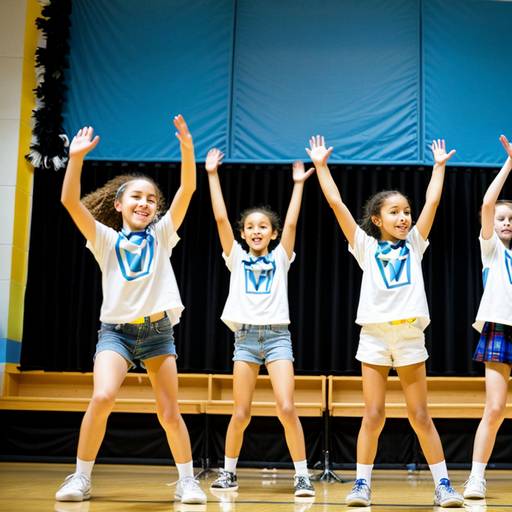
In this 45-minute music lesson for 3rd graders, students will explore the concept of dynamics, focusing on loud and soft sounds in music. The lesson begins with a discussion about dynamics, introducing key terms such as piano (soft), forte (loud), mezzo-piano, and mezzo-forte. Students will practice these concepts through movement activities, where they express dynamics by moving energetically for loud sounds and gently for soft sounds, coordinated with varying music selections.
Next, the class will engage in vocal exercises using a familiar song, taking turns singing at different dynamic levels to understand how dynamics can change the mood of a piece. The lesson further includes a group percussion ensemble, where small groups of students are assigned different dynamic levels to perform together, reinforcing their understanding through collaborative music-making.
Finally, the lesson concludes with a reflection on the importance of dynamics in music and encourages students to listen for these changes in their favorite songs at home. Assessment will be based on students' participation and demonstration of dynamic concepts throughout the activities. Extension ideas include a homework assignment that involves listening to music and identifying dynamic changes. Overall, the lesson effectively combines music theory and physical activity to deepen understanding of musical dynamics.

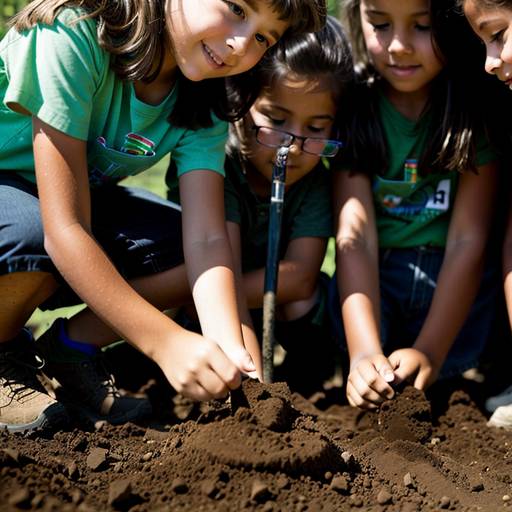
In this engaging Earth Science lesson for 3rd graders, students will explore the fascinating world of soil. The lesson begins with a discussion about soil and its importance, introducing students to the different layers of soil, including their characteristics and functions. Students will then participate in a hands-on investigation where they will examine various soil samples in small groups. Using clear cups or jars, they will observe the color, texture, and behavior of different soil types when mixed with water, recording their findings on a worksheet. The lesson concludes with students sharing their observations and discussing the significance of soil in the ecosystem, including its role in supporting plant life and maintaining environmental health. Optional extensions allow students to further investigate soil samples from home. This lesson promotes teamwork, critical thinking, and hands-on learning, fostering a deeper understanding of this essential natural resource.
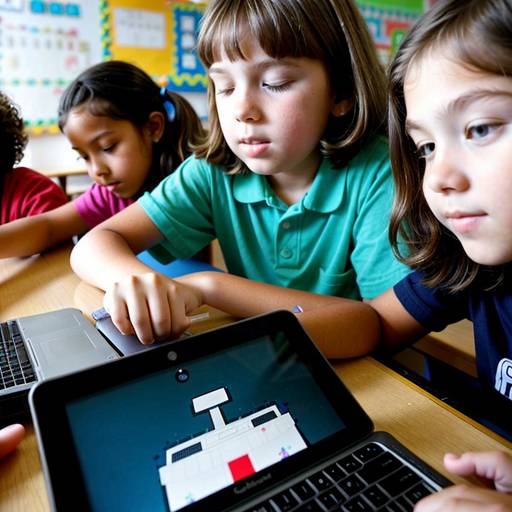
This lesson plan is designed for third-grade students to teach them essential internet skills and search engine basics. The lesson begins with an introduction to the internet and the function of search engines, emphasizing the importance of online safety and responsible use. Through direct instruction, students will learn how to effectively use search engines, formulate search queries using keywords, and evaluate search results for credibility.
In a guided practice activity, students will participate in a "Digital Treasure Hunt," where they research specific questions online and fill out a worksheet with their findings. After some independent practice, students will have the opportunity to share their discoveries with classmates. The lesson concludes with a review of what they learned about navigating the internet safely.
Assessment will involve monitoring student engagement during activities and reviewing their completed worksheets to ensure they grasp the concepts of effective searching and online safety. Additional extensions are provided for advanced learners, along with reminders about using safe websites. Overall, the lesson aims to equip students with valuable skills for exploring the digital world confidently and responsibly.
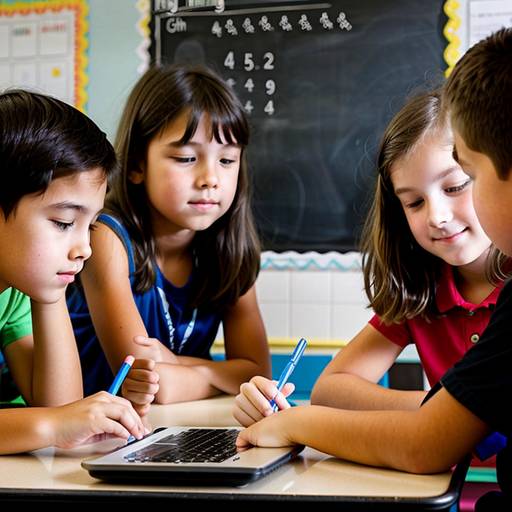
This 3rd-grade technology lesson focuses on introducing students to basic coding concepts such as sequences, loops, and conditional statements. The lesson begins with a discussion to gather students' prior knowledge about coding, followed by an explanation of key vocabulary and its importance in technology. An interactive demonstration on a block-based coding platform showcases how to create simple programs using the concepts taught.
Students then engage in guided practice by logging into the coding platform and completing a tutorial that reinforces their understanding. Working in pairs, they brainstorm and develop a mini-project that incorporates their newly learned coding techniques, encouraging creativity through games, animations, or stories.
The class wraps up with presentations of each pair's project, allowing students to explain their use of coding concepts and share their experience. The teacher assesses student understanding through observation, project review, and an exit ticket where students reflect on their learning. The lesson also includes extension activities for students interested in further exploring coding at home.
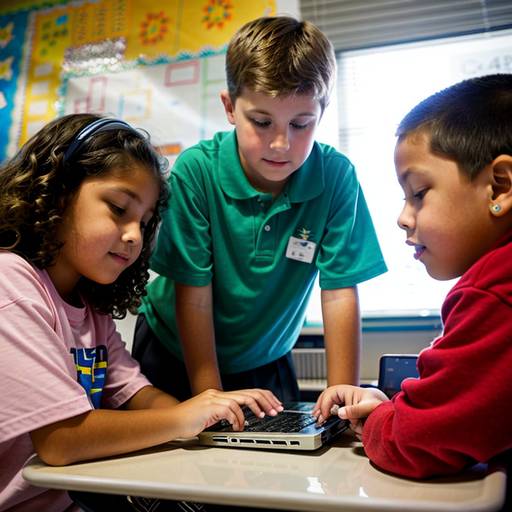
In this 3rd-grade technology lesson plan, students will learn essential internet skills, focusing on safe navigation and online research. The lesson begins with a discussion about the purpose and importance of using the internet for finding accurate information. Students will be introduced to key concepts, such as what makes a source credible, through direct instruction and demonstration on evaluating websites.
Working in pairs, students will engage in a guided practice activity to explore different websites related to a provided research question, using a guide to assess the credibility of their findings. They will then participate in a class discussion to share their experiences and conclusions.
For independent practice, each student will select an animal and conduct research using the evaluation criteria, completing a graphic organizer that summarizes their findings and reflects on the credibility of their sources. The lesson concludes with a wrap-up where students share newfound insights, reinforcing the importance of verifying information.
Assessment will be based on observational participation during discussions and the quality of students' graphic organizers. The lesson incorporates vocabulary development and offers opportunities for extending learning through digital presentations in future activities. Overall, students will gain valuable skills in navigating the internet and conducting online research responsibly.