
Filters
Level
Grade
Subject
Subject Area
Subject Topic
Standard(s)
Audience
Keyword
DurationMinutes
3rd Grade Lesson Plans

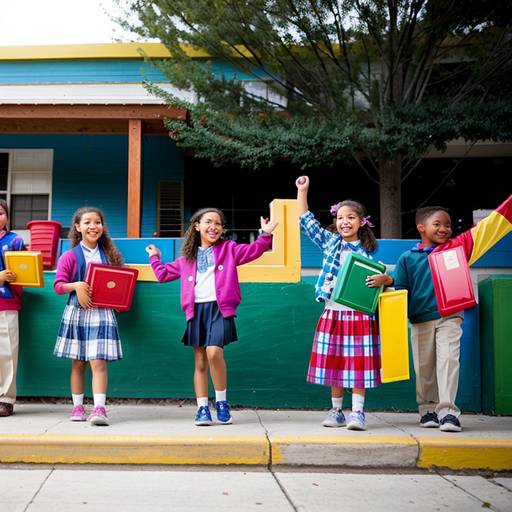
In this 3rd-grade Social Studies lesson, students will explore the concept of community and diversity by examining the unique neighborhoods within their town. The lesson begins with a group discussion to define the idea of community and identify different neighborhoods on a large map. Students will then work in small groups to research specific neighborhoods, focusing on their cultural, historical, and social aspects through guiding questions. Each group will create a visual representation of their neighborhood, highlighting its distinct features and contributions to the overall community. The class will participate in presentations to share their findings, followed by a reflective discussion about what they learned and appreciated about their community's diversity. The lesson emphasizes the importance of respecting and celebrating differences among community members, encouraging students to engage with and learn more about their neighbors. Assessment will be based on group presentations and participation in discussions, with extensions available through community interactions or field trips.
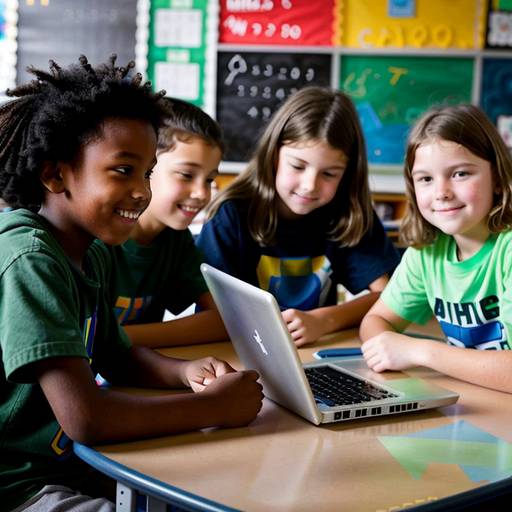
This lesson plan focuses on introducing 3rd-grade students to the basics of coding through an engaging and interactive experience. The lesson begins with a discussion about the nature and importance of coding, followed by the introduction of key vocabulary and coding concepts, including sequence, loops, and conditions. Students then participate in a guided practice session where they learn to use a block-based coding platform, such as Scratch or Code.org, to create simple animations or games that incorporate the concepts discussed.
During independent practice, students are encouraged to work on their projects, applying what they've learned and adding unique features using the coding principles. The lesson concludes with a sharing session where selected students present their projects to the class, explaining how they implemented the coding concepts in their work. Throughout the lesson, teachers assess student understanding through observation and project evaluation, providing a foundation for further exploration in coding. Extensions include additional coding challenges and hands-on activities with robotics kits to deepen students' understanding of coding in various contexts.
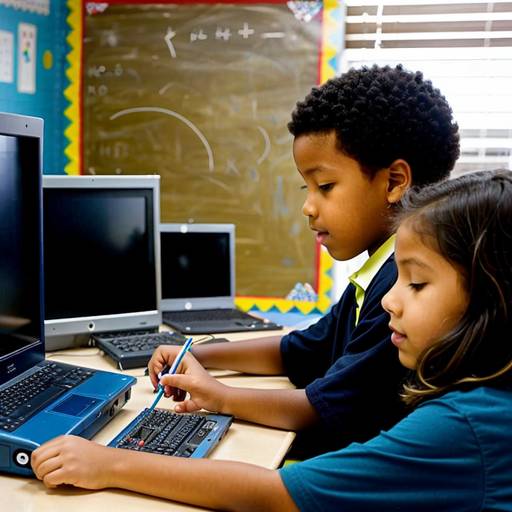
In this 3rd-grade technology lesson, students are introduced to the basics of coding and essential coding concepts through interactive activities. The lesson begins with a discussion that defines coding and explores its importance, focusing on key terms such as algorithms and sequences. A short video illustrates how coding is used in everyday life, and students collaborate to create a simple algorithm together on the whiteboard.
In the hands-on portion of the lesson, students work in small groups using platforms like Code.org or ScratchJr to develop a coding project, where they create sequences of instructions to animate a character. As they engage with the technology, the teacher circulates to provide guidance and support.
To conclude the lesson, students share their projects with the class, allowing for reflection on what they learned about coding. Optional homework encourages students to articulate their understanding of coding in writing and draw connections to its applications in their lives. Assessment focuses on participation, collaboration, and the quality of the coding projects developed. The lesson aims to foster a strong foundation in coding concepts while promoting creativity and teamwork.
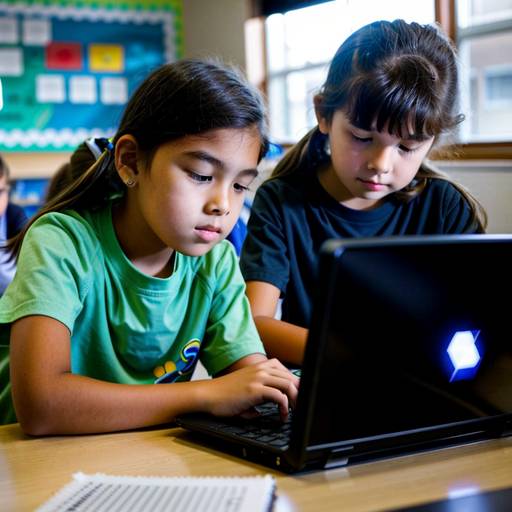
This lesson plan is designed for 3rd-grade students to explore the fundamentals of coding and programming through interactive activities. The objectives include understanding basic coding concepts such as algorithms, debugging, and sequencing, along with gaining experience using a visual programming platform like Scratch or Code.org.
The lesson begins with an engaging discussion to gauge students' prior knowledge and introduces key coding terminology through a handout. A demonstration of the coding platform follows, showcasing how to create a simple animation or game collaboratively.
Students then participate in a hands-on coding activity where they log into their accounts and work on individual projects, fostering critical thinking and problem-solving skills. Throughout this activity, the teacher circulates to provide support and assistance with debugging.
The lesson concludes with students showcasing their projects and participating in a reflective discussion about their learning experiences. An exit ticket prompts each student to share a new insight gained and a question they still have about coding.
Extensions for advanced learners encourage further exploration of coding features and resources. Overall, the lesson aims to ignite students' interest in technology and provide a foundational understanding of coding concepts.

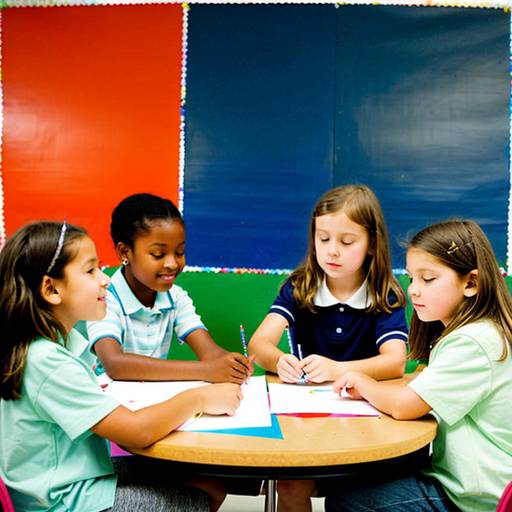
In this 3rd-grade art lesson, students will learn about collage-making with a focus on various art techniques. The class will begin with a discussion about what a collage is, along with examples from well-known artists to illustrate layering, texture, and composition. Students will then plan their collages around a chosen theme, sketching their ideas on scrap paper before gathering materials to create their artwork. They will be encouraged to use a variety of textures and colors, incorporating mixed media elements such as magazine cutouts, fabric scraps, and their own drawings. After completing their collages, students will participate in a sharing session to discuss their themes and the techniques they employed. The lesson emphasizes creativity, collaboration, and hands-on learning, culminating in a reflection on the artistic process. Assessments will focus on individual creativity and effective use of the materials. Optional extensions may include hosting an art gallery or incorporating a writing activity related to students' collages. Adaptations can be made to support all learners in the classroom.
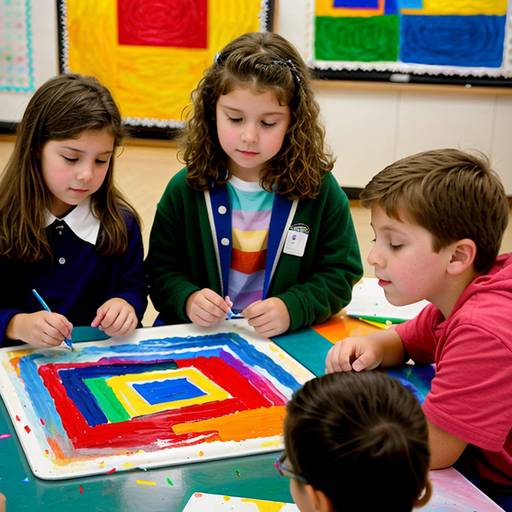
In this 3rd-grade art lesson, students will explore the elements of art—line, shape, color, form, space, texture, and value—while gaining an understanding of basic color theory. The lesson starts with a discussion of how colors evoke emotions, followed by an introduction to the color wheel, including primary, secondary, and complementary colors.
Students will demonstrate their comprehension through a guided practice session where they learn watercolor techniques. For the main activity, they will create their own artwork using a variety of colors and elements, focusing on expressing their feelings through their choices.
The lesson concludes with a mini-gallery walk where students share their creations with classmates, discussing their use of color and art elements. Assessment will be based on creativity and the application of learned concepts. Extensions include discussions on the impact of color in various contexts and a potential field trip to an art museum. Overall, this lesson aims to foster creativity and enhance students’ understanding of art fundamentals.
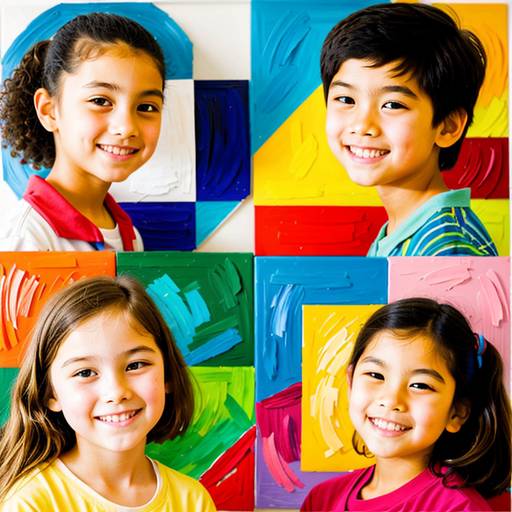
In this 3rd-grade art lesson, students will explore fundamental painting techniques while creating a colorful collage. The lesson begins with a discussion about color and its emotional effects, followed by a demonstration of three specific painting methods: wet-on-wet, dry brush, and sponge painting. After practicing these techniques on paper, students will use heavyweight paper or canvas boards to create their own collages, incorporating the techniques they have learned along with various collage materials such as torn paper and fabric scraps. Throughout the activity, students will express their creativity while experimenting with texture and color. The lesson concludes with a reflection where students share their work with classmates and discuss their artistic choices. Clean-up will be a collaborative effort, reinforcing responsibility and teamwork. The assessment will focus on observation of participation and the creativity displayed in the final artwork. Extensions may explore art styles or famous artists related to color and texture. Overall, this lesson aims to inspire creativity and engage students in hands-on learning about painting techniques.
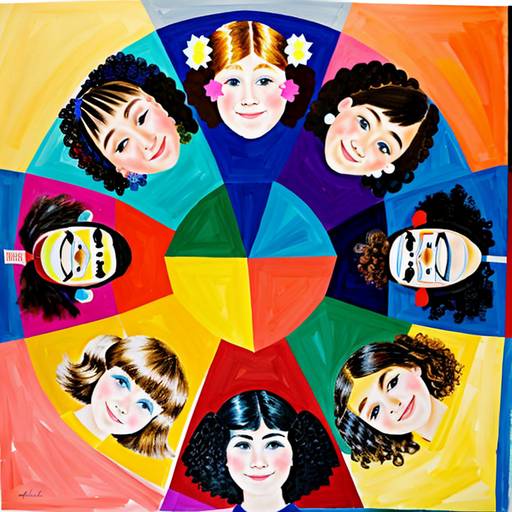
This lesson plan for 3rd-grade students focuses on exploring mixed media art forms through the creation of collages. Over two class sessions, students will learn about different art styles and materials, discussing the elements that make up a collage. The first class includes a demonstration of creating simple collages using magazines and construction paper, followed by a brainstorming activity where students sketch their ideas. In the second class, students will gather various materials to bring their collage concepts to life, incorporating diverse textures and colors while adding details with markers and fabric scraps. The lesson emphasizes creativity, collaboration, and peer feedback, allowing students to express their artistic vision while learning about composition and the use of different media. Finally, students will participate in a class discussion to reflect on their experiences and the techniques they used, culminating in a showcase of their artwork. This multifaceted approach encourages engagement and appreciation for the artistic process.
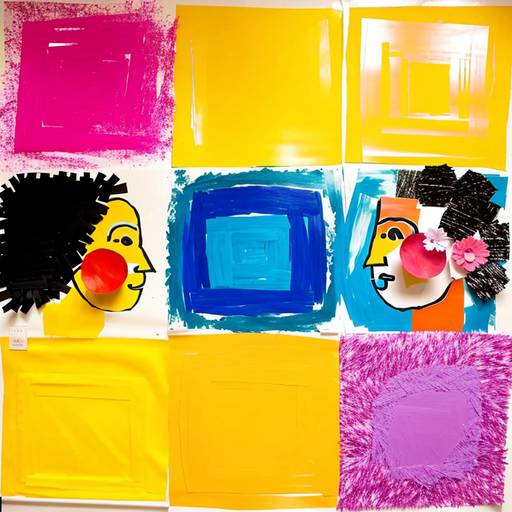
In this 3rd-grade art lesson, students will explore the concepts of texture and pattern through drawing techniques. The session begins with a discussion about textures and patterns, accompanied by a demonstration on creating texture rubbings using various textured items. Students will then practice drawing different patterns with pencils.
During the independent activity, students will create a mixed media drawing that incorporates both the texture rubbings and patterns they have developed, inspired by a chosen theme. They are encouraged to use colored pencils, crayons, or markers to enhance their artwork and emphasize the textures and patterns.
To conclude the lesson, students will share their creations with the class, reflecting on how they used textures and patterns in their work. The lesson will be assessed based on creativity and the effective use of textures and patterns in their compositions. Extensions may include creating a classroom display of artwork or introducing more advanced techniques in future lessons.

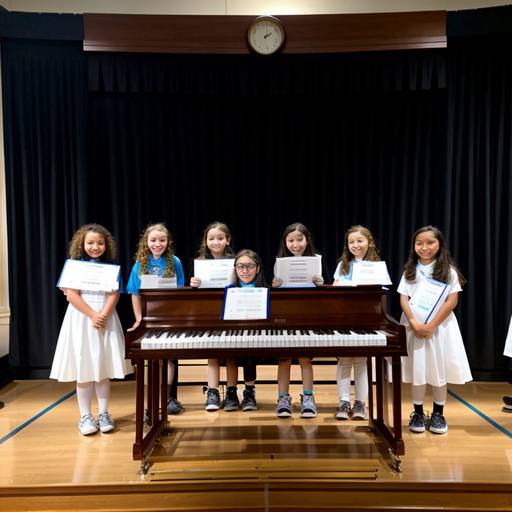
In this 1-hour music lesson for 3rd-grade students, the focus is on exploring three influential composers: Mozart, Beethoven, and Bach. The lesson begins with an interactive introduction, inviting students to share any knowledge they have about composers. Students then engage in a direct instruction segment where each composer is presented with fun facts, accompanied by listening activities featuring selected musical pieces.
Group work follows, where students compare and contrast two of the composers using a Venn diagram. This is followed by a creative activity in which each student creates a "Composer Trading Card" that includes a drawing, a fun fact, and a favorite piece of music related to their chosen composer. The lesson concludes with a sharing session and an exit ticket activity to reinforce what they’ve learned. Assessment is based on participation, completion of the Venn diagram, and the trading cards, with extensions offered for further exploration at home. This engaging approach helps students connect with music history and develop an appreciation for these great composers.