
Filters
Level
Grade
Subject
Subject Area
Subject Topic
Standard(s)
Audience
Keyword
DurationMinutes
3rd Grade Lesson Plans

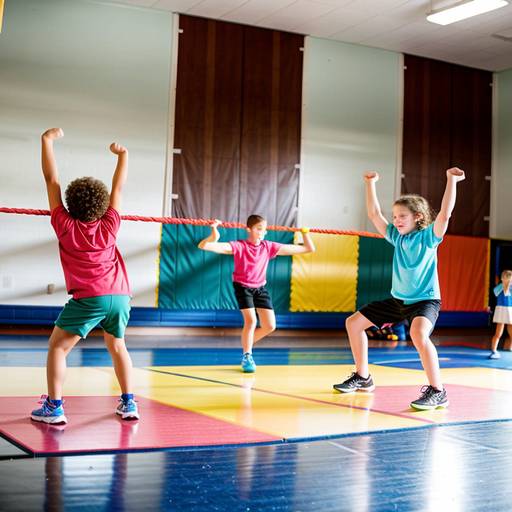
In this 3rd Grade Physical Education lesson plan, students will explore the concepts of fitness and strength through a series of engaging activities. The lesson begins with a warm-up that incorporates dynamic stretching and exercises to elevate their heart rate.
Students will then participate in five activity stations, each designed to enhance their strength and fitness levels. They will challenge themselves with hula hoop rotations, resistance band exercises, jump rope skills, bean bag tossing, and team push-up challenges. Each station promotes cooperation and encourages students to track their progress.
The lesson concludes with a cool-down period that includes group stretching and breathing exercises. Students will reflect on their experiences and learn the importance of being physically active while developing teamwork skills. Optionally, they have the opportunity to keep a fitness journal to document their physical activities over the week. Overall, this lesson aims to foster a fun and supportive environment for physical activity and strength-building.

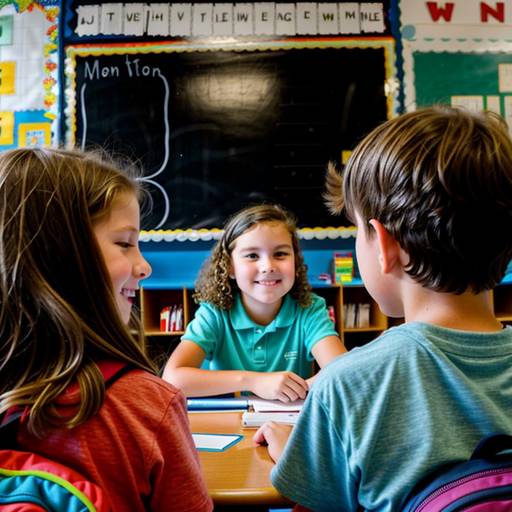
This 3rd-grade language arts lesson plan focuses on teaching students the rules of capitalization and how to apply them in their writing. The lesson begins with an engaging discussion about capital cities, emphasizing the importance of proper nouns. Students are introduced to key capitalization rules through direct instruction, utilizing a poster as a visual aid.
During guided practice, students work on a worksheet with sentences missing capital letters, collaborating to identify which words need capitalization. They then independently write a short paragraph about their favorite city, applying the capitalization rules learned. The lesson concludes with students sharing their paragraphs and reinforcing the rules through a chant or song. Assessment is based on their worksheets and paragraphs, with differentiation strategies in place for varying skill levels. An extension activity involves creating a "Capital City" bulletin board for ongoing practice and engagement. Overall, the lesson aims to enhance students' understanding and application of capitalization in their writing.
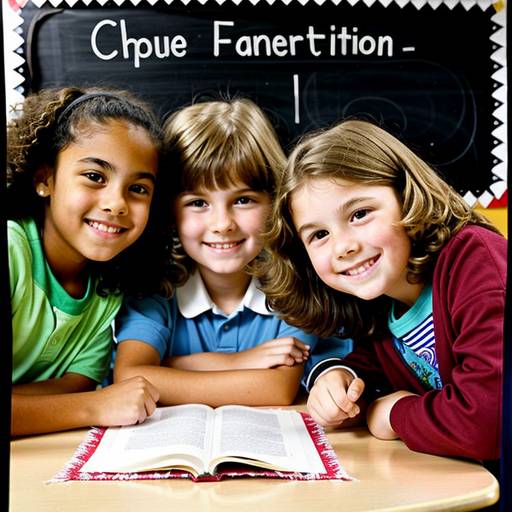
This 3rd-grade language arts lesson focuses on teaching students the essential rules of capitalization in writing. The lesson begins with a brief discussion about the importance of capitalization, followed by direct instruction where students analyze sentences with capitalization errors. During guided practice, they work on correcting capitalization mistakes in provided worksheets. Students then engage in a creative activity where they write and illustrate their own sentences using proper capitalization. The lesson concludes with a class share, where students present their work, reinforce their understanding, and review the capitalization rules. Assessment is based on participation and completion of worksheets, with differentiation strategies in place to support various learning needs. Overall, the lesson aims to enhance students' grammar skills and confidence in writing through interactive and engaging activities.
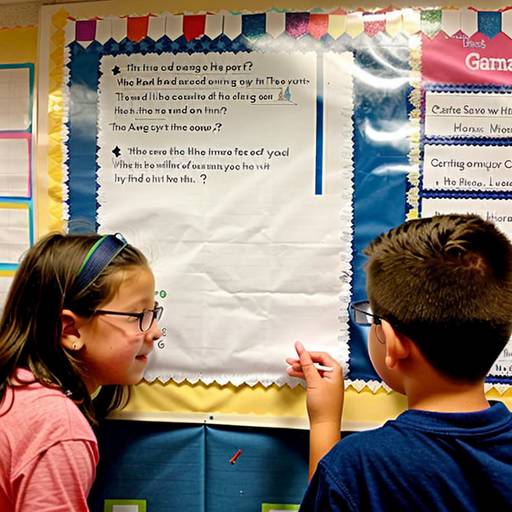
In this 3rd-grade Language Arts lesson, students will focus on the rules of capitalization, learning to identify and correctly capitalize proper nouns and the beginnings of sentences. The lesson begins with a discussion on the importance of capitalization, followed by hands-on practice where pairs of students work together to correct improperly capitalized sentences. To reinforce their skills, students participate in an engaging treasure hunt, where they find clues containing sentences that need capitalization corrections. After completing the treasure hunt, each student writes a creative story or paragraph incorporating proper capitalization. The lesson concludes with a sharing session, allowing students to showcase their work and reinforcing the significance of clear communication through correct capitalization. Assessment is based on participation and the accuracy of students’ written work, with opportunities for extensions for advanced learners. Overall, the lesson combines exploration and collaboration to enhance students' grammar skills in a fun and interactive manner.
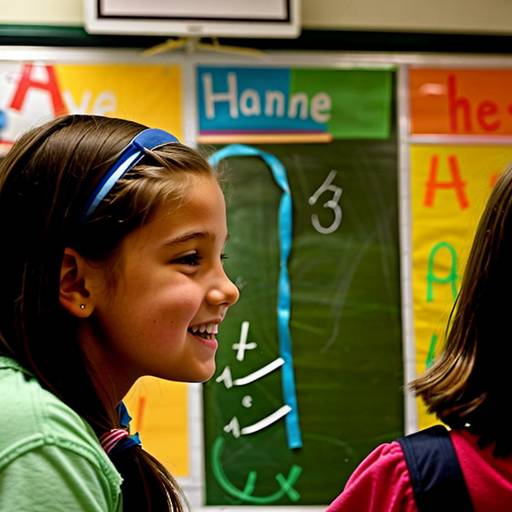
This 3rd-grade language arts lesson focuses on teaching students the rules of capitalization in grammar. The class lasts 60 minutes and begins with an engaging song to capture the students' interest and initiate discussion about capitalization. The teacher then presents key capitalization rules, including the importance of capitalizing the first letter of sentences, proper nouns (names, places, and titles), and other relevant terms.
Students participate in a guided practice activity where they work together to identify and correct capitalization errors in sample sentences on the whiteboard. Following this, they complete a worksheet individually, rewriting a paragraph to incorporate the correct capitalization.
At the end of the lesson, students reflect on what they’ve learned by sharing their corrected sentences with the class. Assessment includes reviewing the completed worksheets for capitalization accuracy and the level of participation during discussions. Differentiation strategies and extension activities are provided to cater to diverse learning needs. Homework consists of writing a short paragraph about a favorite place or person, applying capitalization rules correctly. Overall, the lesson aims to enhance students' understanding of grammar and proper writing conventions in an interactive manner.
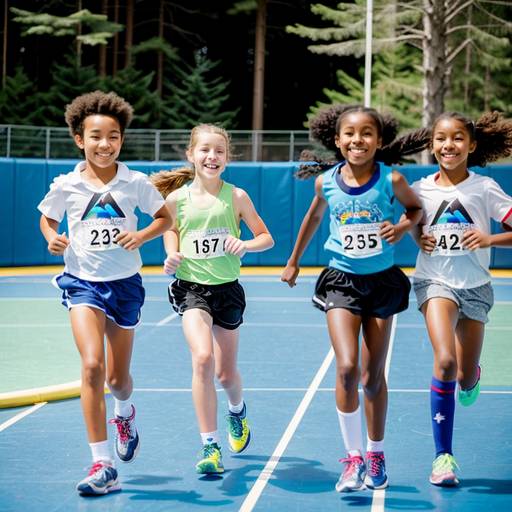
In this 45-minute physical education lesson for 3rd-grade students, the focus is on promoting cardiovascular fitness through engaging and interactive activities. The class begins with a warm-up that includes dynamic stretching and a cardio burst to prepare the students for physical activity.
Students are then divided into small groups and rotate through five activity stations, each designed to enhance their cardio skills while encouraging teamwork and fun. Activities include jumping rope, navigating a hurdle course, playing with a parachute, participating in a bean bag relay race, and a game of Fitness Simon Says that emphasizes quick movements.
To conclude the lesson, students take part in a cool-down session featuring static stretches, followed by a group discussion on the benefits of cardiovascular fitness and the importance of teamwork. Throughout the lesson, the instructor observes student engagement and provides positive feedback, ensuring that everyone has the opportunity to participate and enjoy the activities. Adaptations are available for students with physical limitations to ensure inclusivity, and safety precautions are emphasized to maintain a safe environment. Overall, the lesson aims to instill a love for fitness and encourage students to be active together.
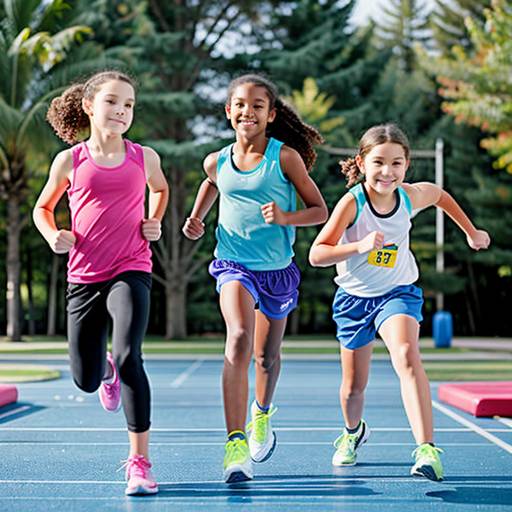
This lesson plan is designed for 3rd-grade students to engage in physical activities that enhance cardiovascular endurance while promoting teamwork and fun. The session begins with a 10-minute warm-up, incorporating dynamic stretching and a "Follow the Leader" game to prepare students for exercise.
The main component consists of four fitness stations that students rotate through every 8 minutes: a jump rope challenge to build coordination, a frisbee toss combined with running, a hula hoop activity paired with jumping jacks, and an obstacle course relay to encourage agility and team participation.
The lesson concludes with a cool-down segment that includes static stretching and a reflection discussion, allowing students to share what they enjoyed and learned about fitness. The plan assesses student engagement and understanding of the importance of cardiovascular health while providing adaptations for various skill levels. Overall, the objective is to instill a sense of enjoyment in physical activity and promote a healthy lifestyle.
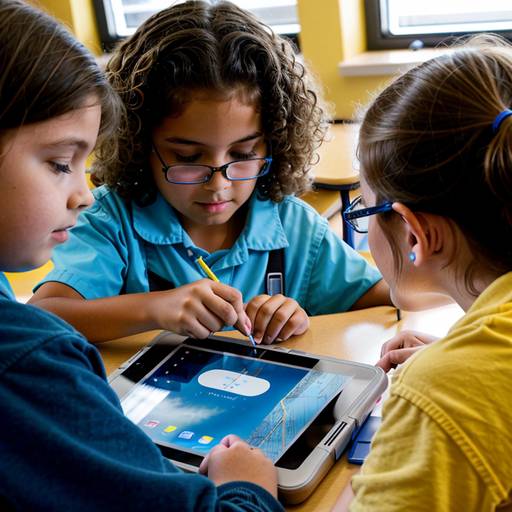
In this engaging 60-minute lesson designed for 3rd-grade students, learners explore the essential practices of maintaining and organizing their technological devices. The lesson begins with a discussion about the types of devices used in the classroom and the importance of caring for them. Students watch a brief instructional video on device cleaning techniques and learn proper handling practices to ensure their devices remain in good condition.
Following the instruction, students participate in a hands-on activity where they collaborate with a partner to clean their devices using appropriate supplies. They also engage in a digital organization challenge, creating folders on their devices and labeling them for easy access. To wrap up the lesson, students reflect on their learning experiences by sharing insights about maintenance and organization with the class.
Assessment is conducted through observation during activities and participation in discussions, while extensions encourage students to promote device care at home. Differentiation strategies are in place to support all learners, making this lesson effective in fostering responsibility and organizational skills within a digital context.

In this 45-minute technology lesson for 3rd graders, students will learn the importance of maintaining and cleaning their electronic devices. The lesson begins with a discussion about the various devices they use, followed by an explanation of proper cleaning techniques and hygiene practices. Utilizing a PowerPoint presentation, students will explore steps such as using microfiber cloths for screens, safely using disinfectant wipes, and understanding the importance of avoiding liquids around devices.
They will then participate in a guided activity, practicing these cleaning methods on old electronics or simulated cleaning. Afterward, a class discussion allows students to share their learnings and experiences. For homework, students will be tasked to clean one of their devices at home and reflect on the process in writing. The lesson emphasizes the health benefits of device maintenance and encourages responsible use while addressing environmental concerns related to e-waste. Assessments will focus on participation during activities and the quality of their reflections. The plan includes differentiation strategies to support various learning needs.
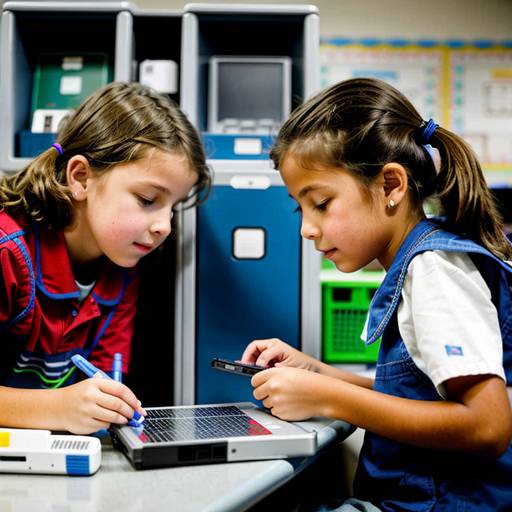
This lesson plan is designed for 3rd-grade students to teach them the importance of proper handling and maintenance of technology devices. The objectives include understanding essential practices for caring for devices, identifying key maintenance tips, and demonstrating correct handling techniques. The lesson begins with a discussion about the devices students use, followed by the introduction of five important care practices: cleaning devices appropriately, using protective cases, avoiding food and drink near devices, handling devices with clean hands, and properly managing charging cords.
Students will engage in role-playing activities to illustrate good and bad practices and participate in a class discussion to reinforce their understanding. They will receive a "Device Care Checklist" to assess their current habits and identify areas for improvement. The lesson concludes with a recap of the key practices and an exit ticket where students will commit to one improvement they can make at home regarding device care. Throughout the lesson, differentiation strategies will be employed to support diverse learners, and a potential extension activity is proposed to further instill responsibility for device maintenance.