
Filters
Level
Grade
Subject
Subject Area
Subject Topic
Standard(s)
Audience
Keyword
DurationMinutes
3rd Grade Lesson Plans

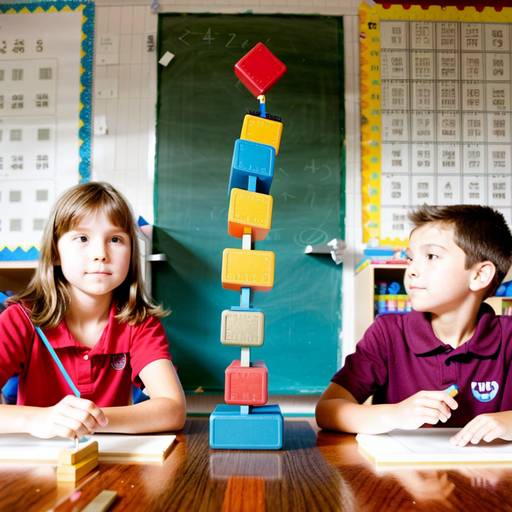
In this 3rd-grade math lesson, students will explore the concepts of measurement and weight through engaging activities. They will begin by discussing the importance of these concepts in everyday life and learn to use standard units for measuring length (inches, feet) and weight (ounces, pounds). Through guided practice, small groups will measure and weigh various classroom items using rulers and scales, recording their findings on chart paper. Additionally, they will estimate and measure fruits or vegetables, comparing their estimates to the actual measurements. The lesson will conclude with a class discussion on their discoveries. Assessment will involve observation during group activities and review of worksheets, allowing for differentiation and extensions like bringing personal items for added engagement. Overall, the lesson aims to provide hands-on learning opportunities, promoting collaboration and a deeper understanding of measurement and weight.

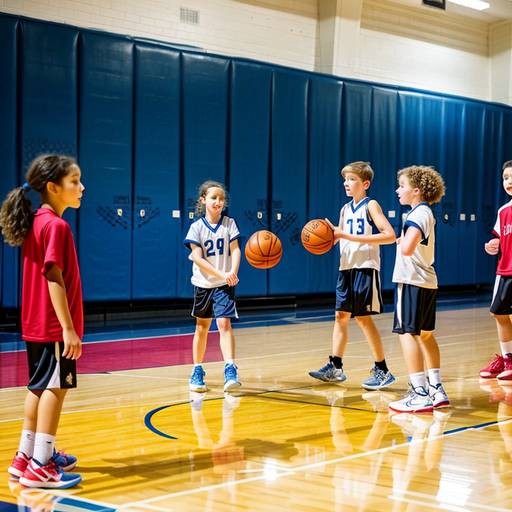
This physical education lesson for 3rd grade students focuses on basic basketball skills, including dribbling, passing, and shooting. The class begins with a dynamic warm-up that prepares students physically for the activities ahead. Students then learn proper dribbling techniques while navigating around cones, enhancing their ball control and spatial awareness. Following the dribbling practice, they engage in a partner passing drill where key passing techniques such as the chest pass and bounce pass are demonstrated and practiced.
Next, students receive instruction on shooting form, emphasizing the importance of stance and follow-through, and then take turns practicing shots at the basketball hoop. The lesson concludes with a cool down that involves static stretches, along with a group discussion that encourages reflection on what they learned. Teachers assess student performance through observation during drills and provide feedback to promote improvement. Modifications are available for students who may need extra support, ensuring that all participants engage successfully in the lesson.
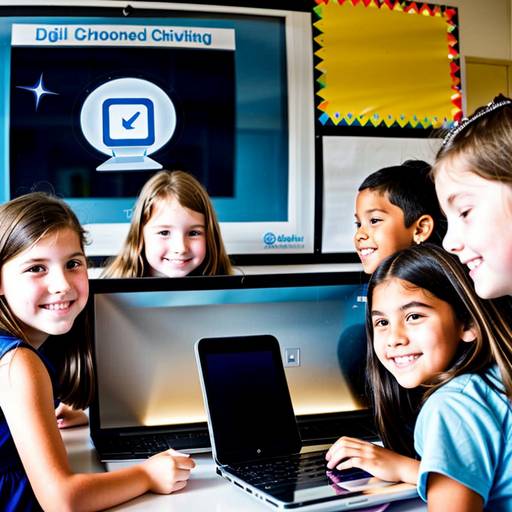
This lesson plan aims to educate 3rd-grade students about digital citizenship and cyberbullying awareness. Students will explore the meaning of digital citizenship, emphasizing the importance of using technology responsibly and respectfully. Through discussions and a slideshow presentation, they will learn about key topics such as privacy, respectful online communication, and the impact of their digital footprint.
The lesson includes a focus on cyberbullying, where students will define the term, recognize examples, and understand its effects on individuals. In small groups, students will work on scenarios related to cyberbullying, brainstorming positive responses and solutions. They will create posters that illustrate their scenarios and proposed strategies, promoting teamwork and communication.
After group presentations, the class will engage in a discussion to reflect on the various strategies shared. The lesson concludes with a summary of the key concepts learned, emphasizing the importance of promoting kindness and responsible actions in online interactions. Assessment will include observation of participation and review of group projects, while follow-up activities encourage students to share their knowledge with their families and consider creating a digital citizenship pledge.
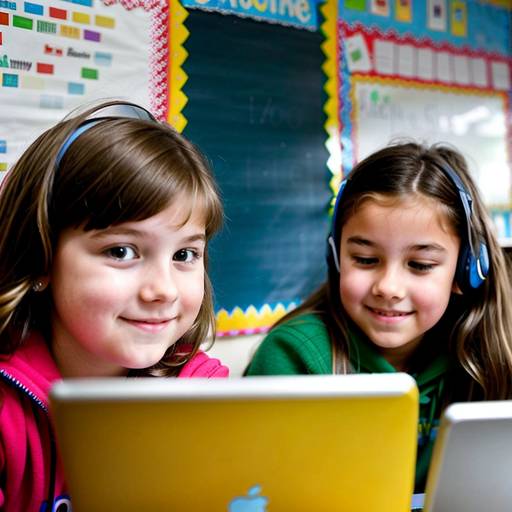
This 3rd-grade technology lesson focuses on teaching students about digital citizenship and online safety. The lesson begins with an engaging discussion about their favorite websites and games to introduce the concept of digital citizenship. Students learn essential online safety rules through a structured discussion and an interactive video, followed by a group activity where they analyze scenarios related to online behavior and share their responses.
Independently, each student creates a poster illustrating key online safety tips and aspects of good digital citizenship, which they then present to the class. The lesson wraps up with a recap of the concepts learned, and students reflect on their understanding through written notes. The overall goal is to empower students to navigate the online world responsibly, fostering a culture of respect and safety in digital interactions. Optional extensions include inviting a guest speaker and providing resources for families to continue the conversation at home.

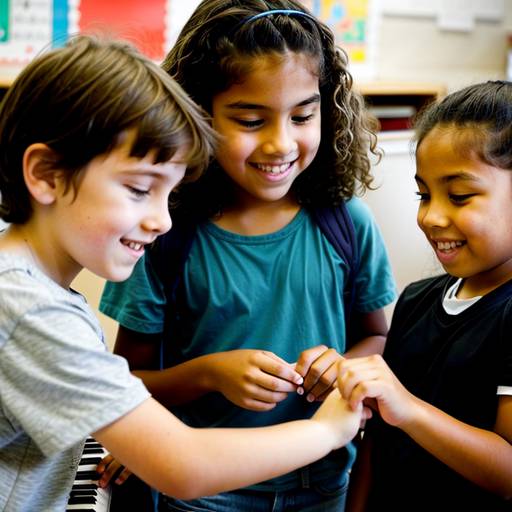
In this music lesson for 3rd-grade students, the focus is on understanding music theory with an emphasis on rhythm and beats. The session begins with a warm-up clapping activity to introduce the concepts of beat and rhythm, highlighting how the beat serves as the foundation of music. Students then learn about quarter and eighth notes, identifying their values and how they can be combined to create rhythm patterns.
Through guided practice, students work in small groups to clap out rhythms from flashcards, fostering collaboration and active participation. They also engage in independent practice by completing worksheets with rhythm patterns to reinforce their understanding. The lesson concludes with a share-out session where students reflect on what they learned, followed by a fun rhythm game that encourages creativity in developing their own patterns. Throughout the lesson, student comprehension is informally assessed through observation and worksheet review, with opportunities for extension into cultural rhythms using percussion instruments.
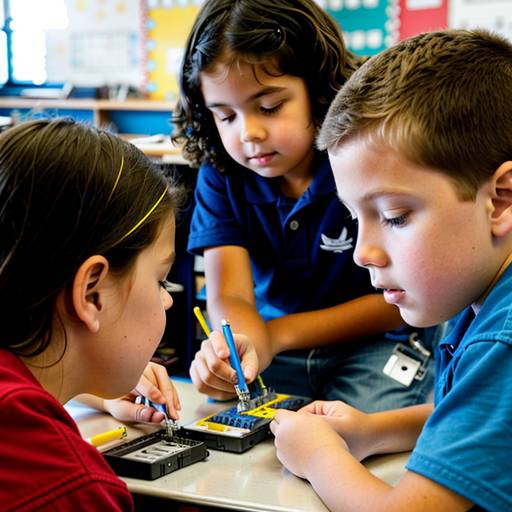
In this third-grade technology lesson, students will explore the importance of device maintenance and basic troubleshooting skills. The session begins with a discussion on why caring for devices is essential, followed by an overview of maintenance techniques such as keeping devices clean, properly charging them, and managing software updates. Students will engage in hands-on activities where they can practice cleaning devices and collaborate in small groups to solve common device issues using provided troubleshooting steps. The lesson concludes with a review of key concepts and the distribution of a Device Maintenance Checklist for students to use at home. This interactive approach aims to empower students with practical knowledge while promoting responsibility for their digital devices. Assessment will take place through observation and the collection of checklists, with opportunities for extension activities that involve creating educational posters or teaching family members about device care.
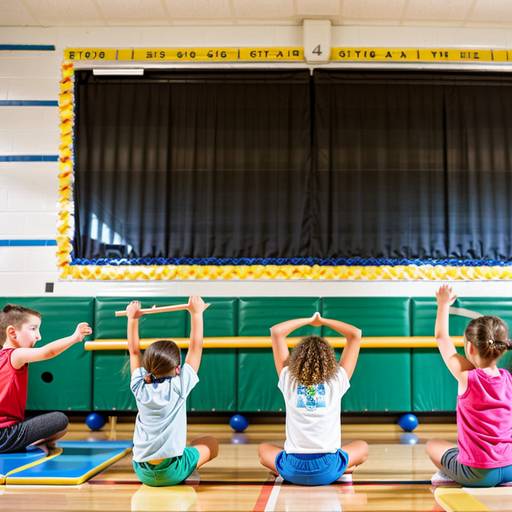
In this 45-minute physical education lesson for 3rd graders, students will explore the concepts of fitness and flexibility through a variety of engaging activities. The lesson begins with a brief introduction to the importance of flexibility for overall health, followed by a dynamic warm-up to get students moving.
Students will participate in a series of stretching stations where they will practice different flexibility exercises, including seated toe touches, butterfly stretches, and standing quadriceps stretches. To reinforce listening skills and make the learning experience fun, a game of Simon Says with flexibility-focused commands will be played.
The lesson concludes with a calming cool-down session that includes deep breathing and gentle stretches, allowing students to reflect on their experiences. Students will share their favorite activities and discuss how they can incorporate flexibility exercises into their daily lives. Throughout the session, instructors will assess participation and engagement while providing modifications to suit various ability levels. Overall, the lesson aims to promote physical health, social interaction, and personal responsibility for fitness in a fun and supportive environment.

In this 3rd-grade science lesson focused on life science and the human body, students will explore the major systems that keep our bodies functioning. They will learn about the skeletal, muscular, circulatory, and respiratory systems, including their primary functions and how they interact with one another. The lesson begins with a discussion to engage students and gauge their prior knowledge.
Following a direct instruction segment where each body system is presented with diagrams, students will work in small groups to create models representing their assigned body systems using construction paper and other materials. This hands-on activity promotes collaboration and creativity, allowing students to label parts and explain the functions of their system in group presentations.
The lesson concludes with a recap of the importance of body systems in maintaining health, encouraging students to consider how they take care of their bodies. Assessment will occur through observation of group work, presentations, and optional follow-up activities that reinforce the concepts learned.

In this 3rd-grade language arts lesson, students will explore and identify various book genres, including fiction, non-fiction, poetry, mystery, fantasy, and biography. The lesson begins with a discussion about the importance of genres and includes a participatory activity where students work in small groups to examine a selection of books from different genres. They will analyze the characteristics of each genre and summarize their findings on worksheets. Following the group exploration, students will share their insights with the class, contributing to a collaborative genre poster for future reference. Each student will then choose a favorite genre to write or draw about, reflecting on their personal preferences. The lesson emphasizes cooperation, creativity, and the joy of reading, concluding with student presentations that foster engagement and understanding of literary diversity. Assessment will be based on participation, worksheets, and individual responses regarding their chosen genre. Differentiation strategies will ensure all learners are supported throughout the activities.
This third-grade physical education lesson focuses on introducing students to the fundamental skills of dribbling and passing in basketball. The lesson begins with a dynamic warm-up and a brief overview of basketball's basic rules and terminology, emphasizing teamwork. Students engage in various drills to practice their dribbling skills, including stationary dribbling and a relay race using an obstacle course.
Next, learners participate in partner passing exercises to enhance their passing techniques, followed by a target game that encourages precision. The lesson culminates in mini basketball games, where students apply their skills in a fun, competitive setting while working together in teams.
To conclude, students cool down with stretches and reflect on the day's activities by sharing their thoughts on what they enjoyed and learned, particularly about teamwork in sports. Throughout the lesson, teachers assess students' skill levels and provide modifications for those needing extra support. Overall, the session aims to cultivate a passion for basketball, improve fundamental skills, and promote collaboration among students.