
Filters
Level
Grade
Subject
Subject Area
Subject Topic
Standard(s)
Audience
Keyword
DurationMinutes
2nd Grade Lesson Plans

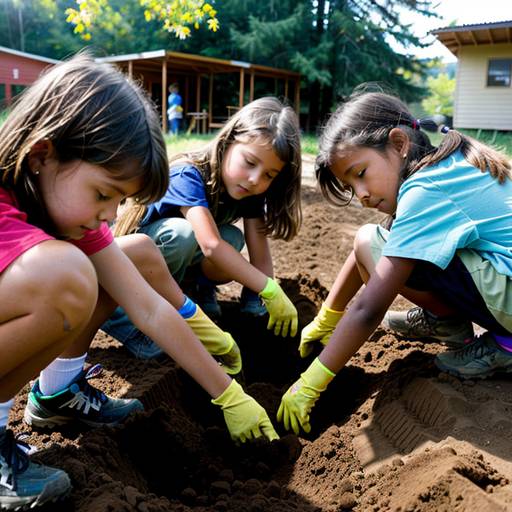
This 2nd-grade Earth Science lesson focuses on exploring soil and its significance in the environment. Students will begin by activating their prior knowledge about soil and discussing its components, layers, and various uses. Through direct instruction, they will learn about the different layers of soil (topsoil, subsoil, bedrock) and the four main types of soil (sand, silt, clay, and loam).
The hands-on activity allows students to engage with soil samples at different stations, where they will observe and record characteristics such as texture and water retention using magnifying glasses and clear cups. This observational activity fosters critical thinking as students classify the soil samples and discuss their findings as a group.
The lesson will conclude with a review of key concepts and an open-ended discussion about the relationship between soil and the support of plant and animal life. Assessments will be made through group participation and the clarity of recorded observations. To extend learning, students may also bring in soil samples from home and explore soil-themed art projects. Overall, this lesson promotes curiosity and a deeper understanding of Earth's natural resources.
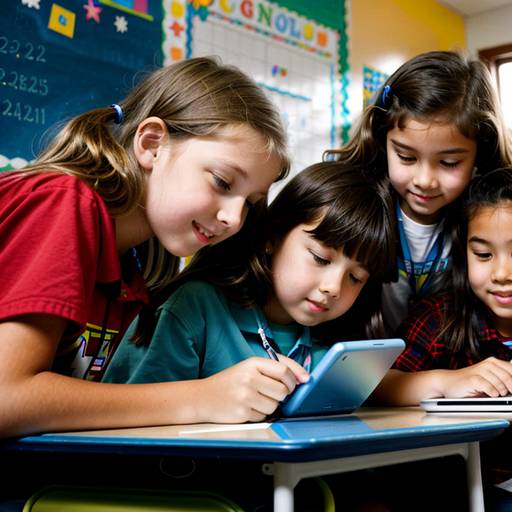
In this 2nd-grade technology lesson, students will be introduced to various technology tools and their purposes. The lesson begins with a discussion about what technology is, engaging students in sharing their thoughts and experiences. A visual presentation highlights different technology tools, prompting further discussion on how each tool assists in learning and everyday life. Students will then work in small groups to identify and discuss the functions of various technology tools from provided worksheets. Following this, they will have the opportunity to explore a tool in pairs, practicing its use. The lesson concludes with students sharing their favorite technology tool through drawings and sentences, reinforcing their understanding of technology's role in supporting learning and creativity. Assessment will be based on participation in discussions and the completion of worksheets. Extensions may include encouraging students to present on technology tools they use at home. Adjustments will be made to suit the specific needs of the students.

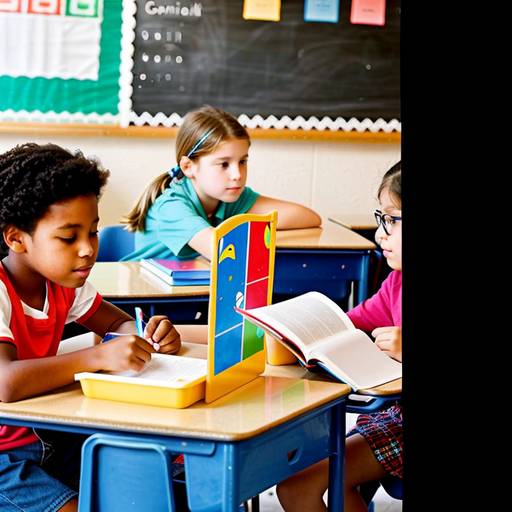
In this 2nd-grade social studies lesson, students will explore various countries around the world to understand their cultures and geographies. The lesson begins with a discussion about the concept of countries, followed by a collaborative group activity where students examine country fact cards that include pictures, landmarks, and cultural information. Each group will select 2-3 countries to research and then create a mini-presentation on a poster board, illustrating key aspects of their assigned countries. Students will share their findings with the class, fostering a sense of global awareness and appreciation for diversity. The lesson concludes with an interactive mapping activity, where students mark the countries they learned about on a world map. Assessment will focus on group participation, creativity in presentations, and individual worksheets summarizing their learnings. Extension activities may include a homework project or a pen pal exchange with a classroom in another country to further enhance their understanding of global connections.
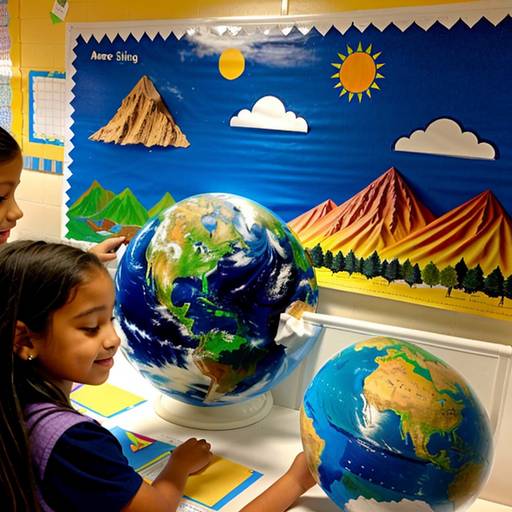
In this 2nd-grade social studies lesson, students will engage in a hands-on exploration of various landforms and their characteristics. The lesson begins with a discussion about what landforms are, complemented by a visual presentation using a world map or globe to identify mountains, valleys, hills, and plains.
Students will work in small groups to create models of their chosen landform using modeling clay or playdough, promoting collaboration and creativity. Each group will present their landform to the class, explaining its features and common locations. To conclude, students will complete a worksheet where they draw and label their favorite landform along with an interesting fact they learned.
Assessment will be based on participation, the quality of the models, and the worksheets. The lesson includes extensions such as reading related literature about landforms and a potential field trip to observe landforms in a local park, ensuring engagement and understanding while catering to diverse learning needs.

In this 2nd-grade music appreciation lesson, students will explore iconic songs and the artists behind them. The session begins with an introduction to the concept of songs and a listening activity where students identify familiar tunes and share their emotions and images evoked by the music. Following this, the lesson includes a learning segment about the featured artists and the cultural significance of their work. Students will then engage in a creative expression activity by choosing their favorite song and creating visual art that represents its themes and emotions. The class will conclude with a review of their learning and an invitation for students to connect with their families about their favorite songs for further sharing in the next session. This engaging lesson fosters musical appreciation, emotional expression, and creativity among young learners.
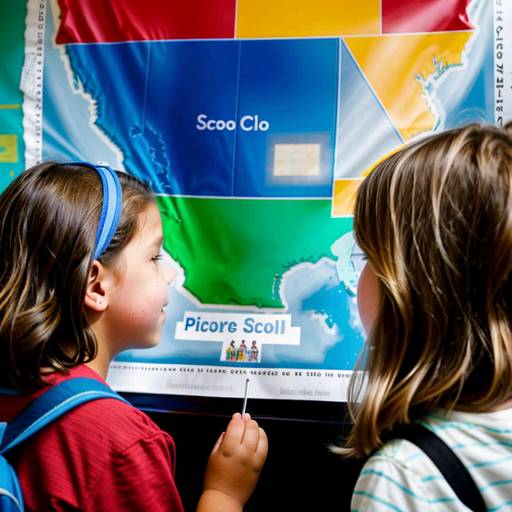
In this 2nd-grade social studies lesson focused on geography and maps, students will gain an understanding of basic map skills, including identifying essential components such as the title, legend, compass rose, and scale. The lesson begins with a discussion about maps, during which students share their prior knowledge and experiences. Following this, students will explore a printed map of their local area, learning about various landmarks and symbols through guided instruction.
After familiarizing themselves with map elements, students will create their own simple maps of their classroom or route to school, using symbols and labels discussed earlier. They will then share their creations in small groups, fostering collaboration and communication. As an independent activity, students will complete a worksheet matching symbols to locations on a community map, followed by a reflection exercise where they articulate the importance of maps and their learnings.
The lesson wraps up with students sharing their drawings and a recap of map significance. Assessment will be based on student participation, completed maps and worksheets, and reflective writing. Extensions may include an introduction to GPS and digital maps for advanced learners. Overall, the lesson aims to deepen students' understanding of map reading and their connection to the community.
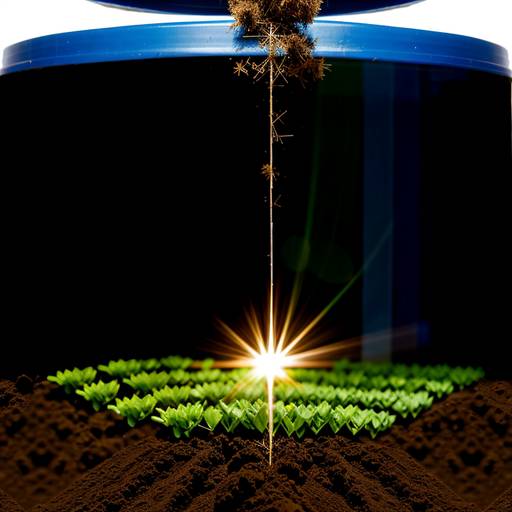
In this 2nd-grade Earth Science lesson, students will explore the concept of soil, its layers, and the various organisms that inhabit it. The lesson begins with a read-aloud from a soil-related storybook to engage students and introduce the importance of soil for plants and animals. Following the introduction, students will participate in a hands-on activity where they will examine different soil samples using plastic cups and magnifying glasses to observe textures and colors.
After the exploration, students will gather for a group discussion to share their observations, and a chart will be created to summarize their findings about soil characteristics. Additionally, students will learn about the layers of soil and the roles of various soil organisms, such as earthworms and decomposers, in maintaining a healthy ecosystem. The lesson concludes with a review of key concepts, allowing students to express one new thing they learned during the session. Assessment will include participation in discussions, completion of observation charts, and an exit ticket reflecting their newfound knowledge about soil.

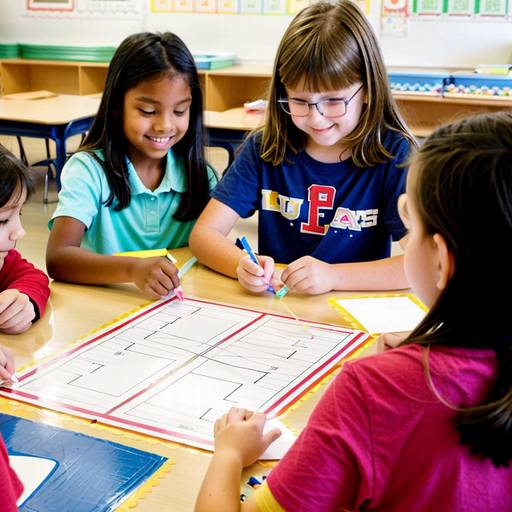
In this 2nd grade math lesson focused on geometry and lines, students will engage in interactive activities that help them identify and describe basic geometric shapes such as circles, squares, triangles, and rectangles, as well as types of lines, including straight and curved. The lesson begins with a group discussion where students share their observations of shapes in the classroom. They will then participate in a hands-on craft activity to create their own geometric shapes using construction paper. Following this, students will explore the concept of lines by making straight and curved lines with string and rulers.
To reinforce their understanding, they will embark on a geometry scavenger hunt in pairs, looking for objects that match a checklist of shapes and lines. The lesson concludes with a reflection session where students share their discoveries. Assessment will take place through observation during the activities and by reviewing the shapes and lines they created and identified. Optional extension activities include providing coloring sheets featuring shapes for additional practice. This comprehensive approach aims to foster a deeper understanding of geometry in an engaging and collaborative setting.

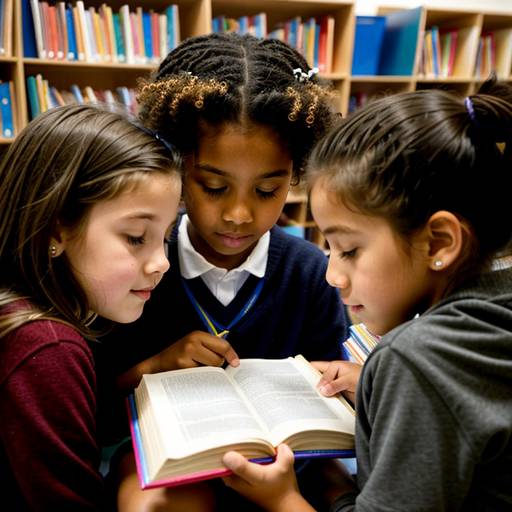
This lesson plan for 2nd grade Language Arts focuses on introducing students to various reading genres, including fiction, non-fiction, poetry, and fantasy. The objectives include helping students identify and describe these genres, differentiate between them, engage in a read-aloud activity to experience examples, and create a personal "Genre Passport" to document their favorite books.
The lesson begins with a discussion on the concept of genres, leading to a brief overview of each type with examples. Students participate in group activities where they explore selected books, discuss their characteristics, and summarize their findings. Afterward, students fill out their Genre Passports with titles of books they’ve read.
The lesson concludes with a review of key concepts, encouraging students to share their favorite genres or books with others. Assessment is based on participation and the accuracy of the Genre Passports. The plan includes extension activities, such as starting a Genre Book Club and creating a classroom display of genre-specific books for ongoing exploration. Overall, the lesson promotes an understanding of reading genres and fosters a love for reading.
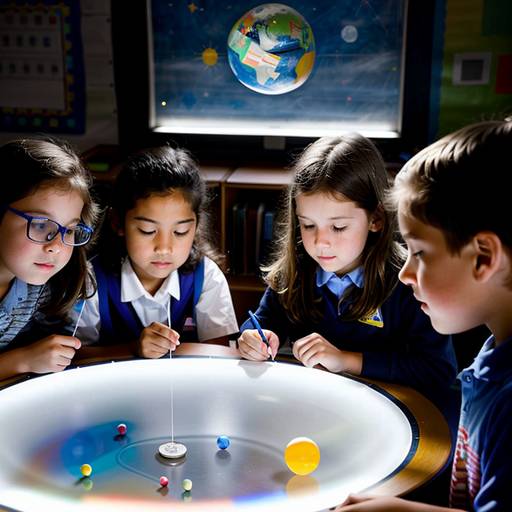
In this 60-minute lesson for 2nd graders, students will explore the concept of matter and its different states: solids, liquids, and gases. The lesson begins with a discussion to define matter and its characteristics, encouraging students to share examples from their experiences. They will then work in small groups to classify various objects provided, allowing them to engage in hands-on activities involving water to observe the properties of liquids.
Following that, the teacher will demonstrate how matter can change states using ice melting into water and boiling water producing steam. This visual and interactive approach helps solidify students' understanding of matter. In the final part of the lesson, students will create simple models of matter using Popsicle sticks, representing a solid, liquid, or gas, and share their creations with the class.
To assess understanding, students will complete an exit ticket that includes drawing examples of each state of matter and writing a brief description of what matter is. The lesson emphasizes exploration, observation, and group collaboration, while providing opportunities for differentiation to cater to varying learning needs. As an extension, students can conduct a simple home experiment to observe changes in matter, fostering a connection between classroom learning and real-world applications.