
Filters
Level
Grade
Subject
Subject Area
Subject Topic
Standard(s)
Audience
Keyword
DurationMinutes
2nd Grade Lesson Plans

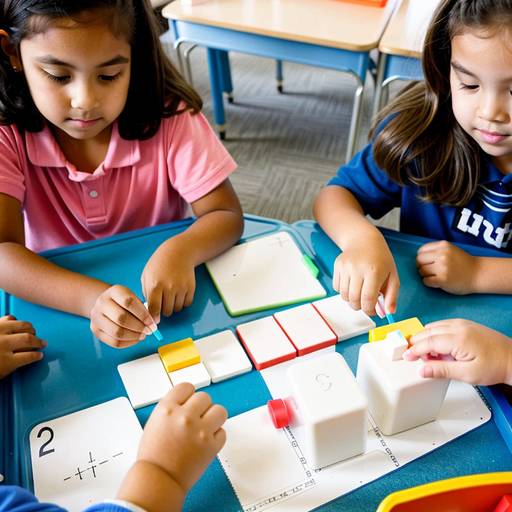
In this 2nd-grade math lesson, students will engage with the concept of addition through hands-on activities using various manipulatives. The lesson begins with a review of addition, followed by a demonstration where the teacher models how to combine groups using physical objects. Students will then work in small groups, using manipulatives to represent and solve simple addition problems from provided worksheets. After completing the activities, groups will share their findings with the class, reinforcing their understanding through discussion. The lesson concludes with a fun counting game that encourages movement and reinforces the addition concept. Assessment will involve observing student participation and reviewing their completed worksheets, with modifications and extensions available to support diverse learning needs. Overall, this interactive approach aims to make learning about addition engaging and accessible to all students.
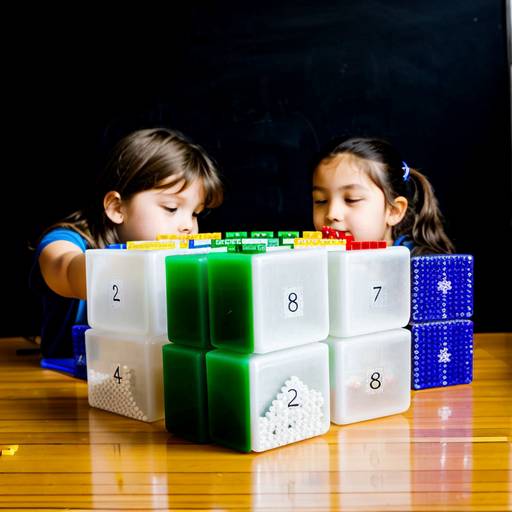
In this 2nd grade math lesson, students will explore the concepts of measurement and weight using both non-standard units and classroom objects. The lesson begins with a discussion about measurement, followed by a hands-on activity where students measure the length of various objects using Unifix cubes, recording their results on worksheets and sharing findings with the class.
Next, students will learn about weight, differentiating it from length, and use a scale to weigh selected objects. They will compare the weights of these items, using terms like "heavier than" and "lighter than." Finally, the class will reconvene to discuss their experiences, reflecting on what they learned about measurement and the importance of using both standard and non-standard units. The lesson aims to engage students in practical applications of measurement while fostering collaboration and critical thinking. Assessment will be based on worksheet completion and group participation, with extensions and differentiation provided to accommodate diverse learning needs.

In this 2nd-grade physical science lesson, students explore the concepts of motion and forces, particularly focusing on pushes and pulls. The lesson begins with a discussion on various ways students move and introduces key vocabulary related to motion.
Students engage in two hands-on activities: first, experimenting with toy cars to observe how different forces affect their movement. They then form small groups to conduct marble races using rubber bands as a means of propulsion, allowing them to see firsthand how force influences speed and distance. After these activities, students come together to share their observations and contribute to a class chart that summarizes their findings about motion and everyday examples of push and pull.
The lesson concludes with an assessment based on observational insights and a quick reflection activity, encouraging students to express what they learned. Extensions include additional exploration stations and discussions about friction, helping to deepen their understanding of how different factors influence motion. Overall, the lesson aims to foster curiosity and foundational knowledge in physical science through interactive learning experiences.

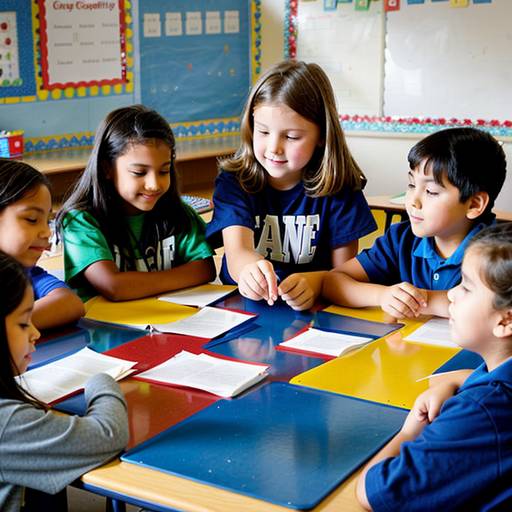
This 2nd Grade Social Studies lesson focuses on the concept of community and the importance of rules in creating a safe and welcoming environment. Students begin by discussing what makes a community and the rules that help it function effectively, supported by a read-aloud of a community-themed book. They then collaboratively brainstorm ideas for community rules which are recorded on a chart. In small groups, students create posters that illustrate their ideal community and its rules, allowing them to express their creativity and understanding of the topic. The lesson culminates with group presentations, where students share their posters and reflect on the significance of community rules. Assessment is based on participation and the quality of the posters, with extensions including a potential "Community Day" to engage families and local leaders. Accommodations are provided to support diverse learners during group activities.

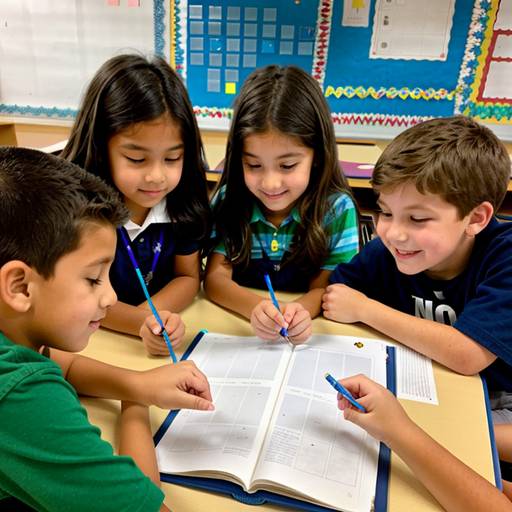
In this 2nd-grade language arts lesson, students will explore narrative writing by creating their own adventure stories. The lesson begins with a read-aloud of an engaging adventure story, followed by a class discussion that identifies key narrative elements: characters, setting, plot, and resolution. Students will then collaborate to fill out story maps that help them plan their own stories, focusing on unique characters and imaginative settings. After guided brainstorming, students will write their story drafts, incorporating the components discussed. The lesson concludes with students sharing parts of their stories with classmates, fostering a supportive environment for creativity. Assessment will be based on the clarity and completeness of their narratives, while accommodations will be provided to support diverse learning needs.

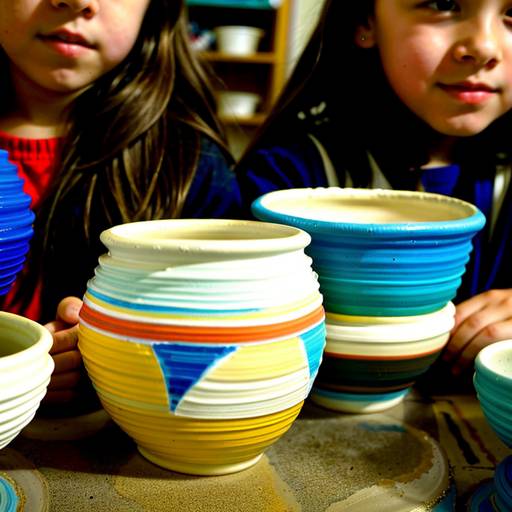
In this 2nd-grade art lesson, students will explore the world of ceramics by learning about various art forms and creating their own clay sculptures or functional items using basic hand-building techniques. The class will begin with a discussion about ceramics, showcasing images of different ceramic artworks, followed by a demonstration of techniques such as rolling, pinching, coiling, and slab building. Students will then sketch their designs before working with air-dry clay to bring their creations to life, focusing on creativity and fine motor skills. The lesson will conclude with a sharing session where students present their pieces to the class. Clean-up will be included, and future classes will build on this experience with decoration techniques. Assessment will focus on participation, creativity, and technique use throughout the process.
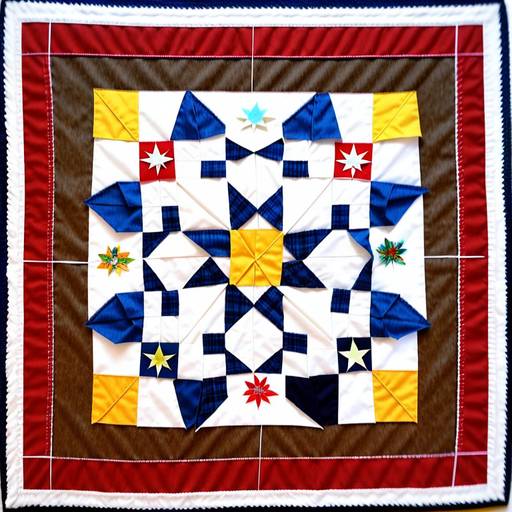
In this 1-hour art lesson for 2nd-grade students, the focus is on exploring fiber arts through a hands-on collage project. Students learn about various textile materials and their cultural significance by examining examples of fabric art. The teacher demonstrates the techniques of cutting, layering, and gluing fabric scraps onto a base of construction paper or canvas. During the creative activity, students select materials and express their individuality by designing unique mixed media collages. The lesson wraps up with students sharing their artworks and the stories behind them, fostering a sense of community and celebration of creativity. Assessment includes observing student engagement and providing feedback during the sharing session. Extensions to the lesson encourage storytelling and the introduction of additional fiber art techniques in future classes.
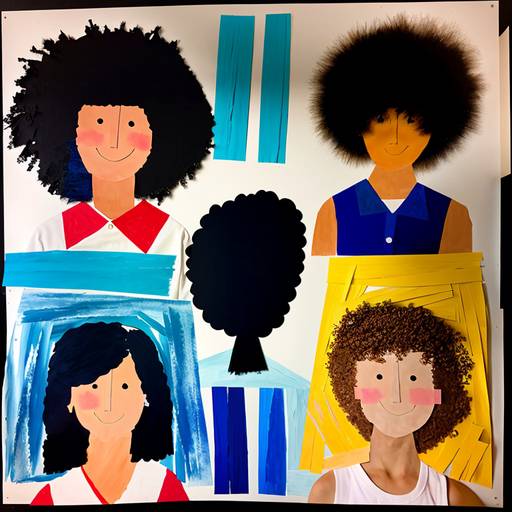
In this 2nd-grade art lesson, students will explore the techniques of collage-making by emphasizing texture and color. The lesson begins with an engaging introduction where students will view examples of collages created by famous artists and discuss the various materials and textures used. After a guided demonstration of how to gather materials and apply different artistic techniques, students will have the opportunity to independently create their own unique collages based on a chosen theme. Throughout the process, they will be encouraged to incorporate various textures and colors using a mix of materials such as construction paper, magazines, and textured items.
To conclude the lesson, a gallery walk allows students to showcase their completed artwork, share their themes, and reflect on the different elements they incorporated. The teacher will assess students based on creativity, use of materials, and demonstration of understanding art concepts. Overall, this lesson fosters creativity, self-expression, and an appreciation for diverse artistic techniques while giving students hands-on experience with collage art.
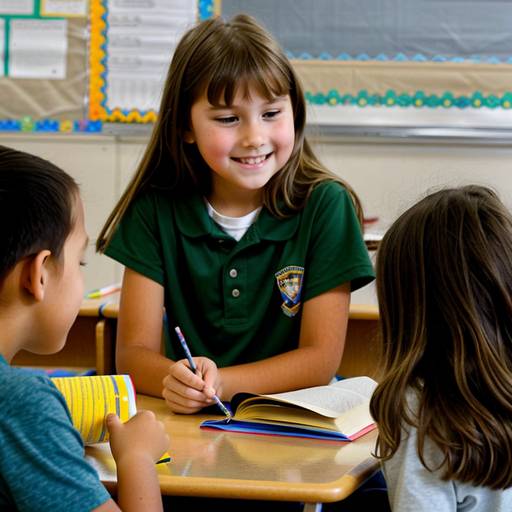
In this 2nd Grade Language Arts lesson, students will engage in creative writing by developing their own imaginative stories based on chosen prompts. The lesson begins with a discussion about storytelling and the elements that make up a story, such as characters, setting, conflict, and resolution. Students will then select a prompt and brainstorm ideas before writing their stories. They will have the opportunity to illustrate their narratives, enhancing their creativity. After writing, students will share their stories with the class, fostering a communal learning environment through positive feedback. The lesson concludes by highlighting the diverse ideas generated, encouraging students to continue writing beyond the classroom. Assessment will be informal, based on students' participation and the quality of their written narratives. Extensions include creating a class storybook or featuring a "Story of the Week" to further celebrate their creativity.

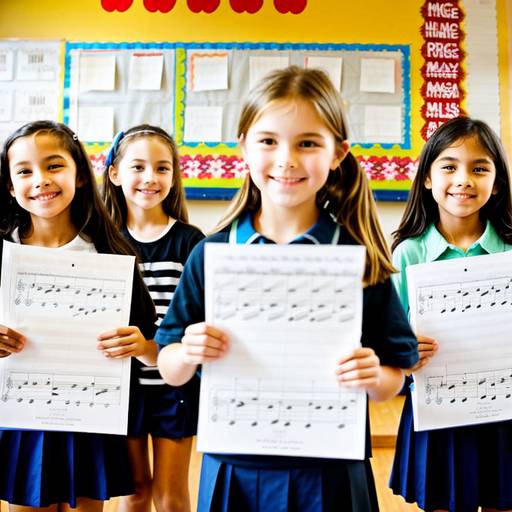
In this 2nd-grade music lesson, students will explore the basics of rhythm and music theory by learning about different note values, including quarter notes, half notes, and whole notes. The lesson begins with a discussion on rhythm, followed by a group clapping activity where students practice clapping simple patterns that incorporate the note values. Afterward, students will engage in a hands-on activity using percussion instruments to create their rhythms, emphasizing the importance of maintaining a steady beat.
To reinforce their understanding, students will create their own rhythmic patterns on worksheets, which they will later share with the class by clapping or using their instruments. The lesson concludes with a reflection on the concepts learned and how rhythm influences music. Assessment will be based on participation, the ability to perform rhythmic patterns, and the completion of worksheets. Extension activities are suggested to further explore rhythm through movement and technology.