
Filters
Level
Grade
Subject
Subject Area
Subject Topic
Standard(s)
Audience
Keyword
DurationMinutes
2nd Grade Lesson Plans

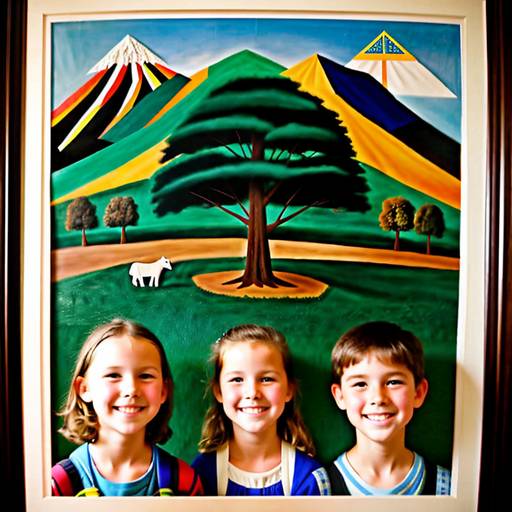
In this 2nd grade art lesson, students will engage in creating a safari-themed collage while exploring various artistic techniques. The lesson begins with a discussion about safaris, animals, and different landscapes to spark inspiration. After a demonstration on how to cut and layer materials, students will use a range of supplies, including colored construction paper, magazines, and textured materials, to design their unique artwork. They will focus on assembling various elements to depict a safari scene, incorporating personal narratives into their creations. At the end of the session, students will participate in a gallery walk, presenting their collages and sharing the stories behind their work. The lesson emphasizes creativity, the combination of different textures, and the development of storytelling through visual art. An assessment will be conducted based on participation, creativity, and the effective use of collage techniques. Extensions for the lesson include digital collage creation and organizing an art exhibit for parents.
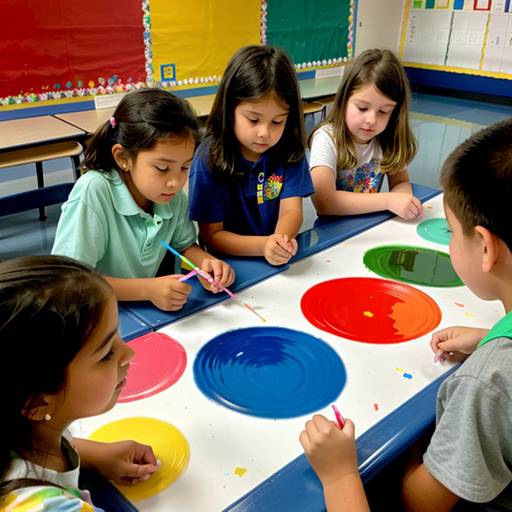
In this 2nd-grade art lesson, students will explore the concepts of primary and secondary colors through interactive activities focused on color mixing. The lesson begins with a discussion about colors, where students learn about primary colors (red, blue, yellow) and how mixing them creates secondary colors (green, orange, purple). Each student will create their own color wheel by painting the primary colors and mixing them to fill in the secondary sections. Following the individual activity, students will participate in a collaborative art project, where they use their new colors to create a colorful mural on large paper, encouraging teamwork and creativity. The lesson concludes with a group discussion, allowing students to share their experiences and insights about color mixing while reflecting on their artwork and the emotions colors can convey. Assessments will focus on participation and understanding, with opportunities for extensions at home and in future lessons.
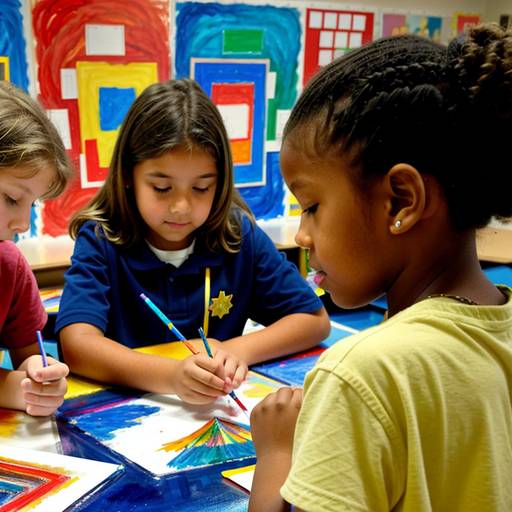
In this 2nd-grade art lesson, students will explore the fundamental elements of art, focusing on line, shape, and color. The session begins with a discussion of an example artwork, prompting students to identify different lines and shapes while introducing the concepts of primary and secondary colors. Following this, they will learn about color mixing by creating secondary colors from primary colors using watercolor paints.
Students will then engage in a hands-on art activity where they create their own artworks, incorporating a variety of lines, shapes, and colors, including mixed colors. The lesson concludes with a sharing session where students present their creations and reflect on their artistic choices. Throughout the lesson, emphasis will be placed on encouraging creativity and understanding the emotional and expressive qualities of art. Finally, students will participate in clean-up and have the opportunity to display their completed artworks in the classroom.
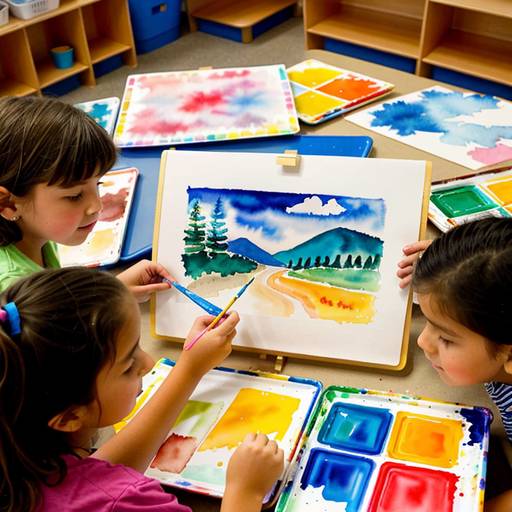
In this 2nd-grade art lesson, students will explore basic watercolor painting techniques and create their own original artworks. The session will begin with a discussion and demonstration of various techniques, including wet-on-wet, wet-on-dry, color mixing, and blending. After the demonstration, students will receive watercolor paper and paints to experiment with these techniques in a guided hands-on activity. They will be encouraged to create a landscape or abstract piece, incorporating at least two different techniques. As the class wraps up, students will share their artwork and explain the techniques they used. Assessment will focus on engagement, creativity, and the application of techniques. The lesson encourages creativity and experimentation while laying the groundwork for future artistic exploration. Adaptations are included to support diverse learners, ensuring a positive experience for all students.
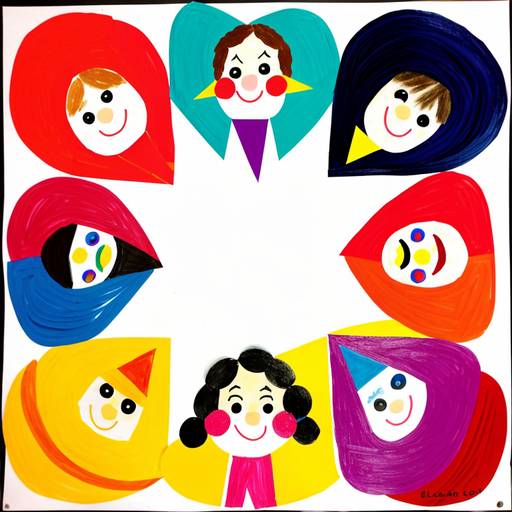
In this 2nd-grade art lesson, students will explore the basic elements of art with a focus on color theory. The lesson begins with a discussion about primary and secondary colors, including a demonstration of color mixing. Students will then engage in a creative activity where they design their own unique creatures using a variety of materials such as construction paper, magazines, and art supplies. They will cut out shapes and collage them together while incorporating different colors, encouraging them to think about their color choices and how they enhance their artwork.
The session includes a mini-gallery walk for students to share their creations with peers, fostering a sense of community and collaboration. Reflection prompts will encourage students to articulate their artistic decisions regarding color. Assessment will be based on creativity, color usage, and effort. Additionally, extensions are suggested for further exploration of color and storytelling related to their creatures. Overall, this lesson aims to deepen students' understanding of color while allowing for personal expression through art.
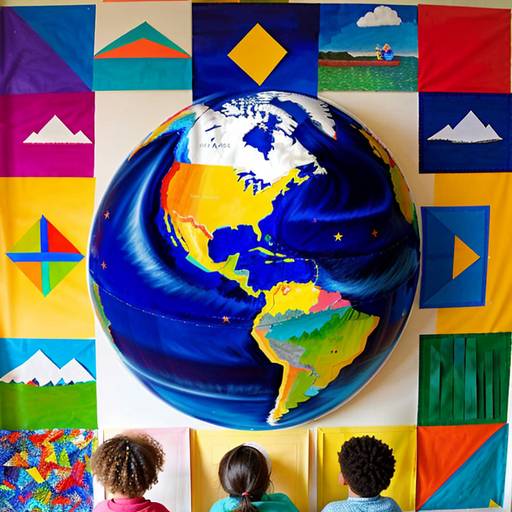
In this 2nd-grade art lesson plan, students will explore the techniques of collage by creating their own mixed-media artworks. The class will begin with a discussion on the concept of collage and its various forms, including examples from famous artists. Students will then brainstorm and sketch their ideas based on a theme of their choice. Afterward, they will have the opportunity to cut and layer materials such as magazine clippings, textured paper, fabric scraps, and stickers to bring their designs to life. The lesson will culminate in a mini-gallery walk, where students will share their collages and explain their creative choices. Throughout the activity, emphasis will be placed on creativity, individuality, and the use of various textures and materials. Assessment will focus on participation, effort, and the final artwork, with opportunities for extensions to accommodate varied skill levels.

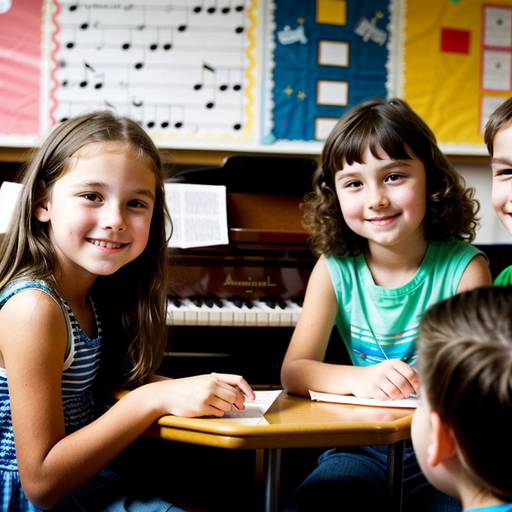
In this 2nd-grade music lesson, students will explore the fascinating world of famous composers and their unique contributions to music history. The lesson begins with an engaging introduction, where students learn about notable composers such as Bach, Beethoven, Mozart, and Tchaikovsky, accompanied by visual aids and fun facts about their lives and styles.
Next, students partake in a listening activity where they hear short excerpts of each composer’s work, prompting discussions about the emotions evoked by the music and the instruments used. This exploration helps students understand the various musical styles and the influence of historical context on the composers' creations.
In a creative segment, students are encouraged to express themselves by designing their own mini-compositions inspired by the music they have heard. They will illustrate the instruments they envision using and compose simple rhythms or notes, reinforcing their understanding of musical concepts.
The lesson concludes with a sharing session, allowing students to present their creative works to the class. Overall, this interactive and educational experience promotes appreciation for music history while fostering creativity and engagement among young learners. Additionally, students are encouraged to continue their exploration of music at home and can participate in a “Composer of the Week” program to further expand their knowledge.

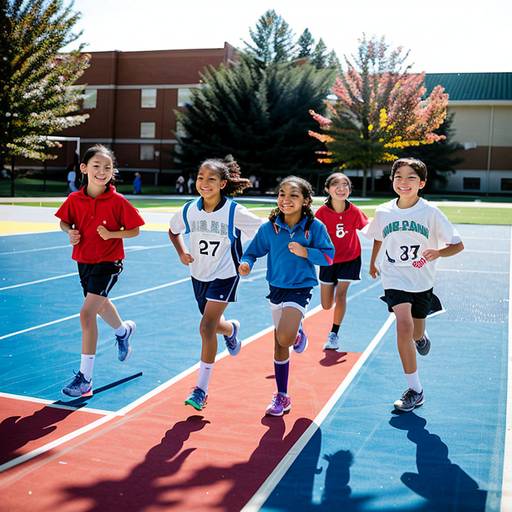
This lesson plan is designed for 2nd-grade students and focuses on enhancing coordination and fostering teamwork through engaging relay activities. The session begins with a brief discussion on the importance of cooperation and communication in sports and everyday life. A dynamic warm-up prepares students for physical activity by incorporating movement and stretches.
Students participate in a series of relay race stations, each featuring different activities designed to promote coordination, such as balancing a bean bag, tossing and catching, passing a hula hoop while staying connected, and jumping rope. Teams rotate through these stations, with a specific time allocated for each, encouraging collaboration and strategy among teammates.
The lesson concludes with a cool-down period focused on deep breathing and stretching, followed by a reflective discussion where students share their experiences and insights about teamwork and coordination during the activities. The instructor assesses student participation and cooperation throughout the session, highlighting the significance of these skills in various aspects of life. Modifications are included to support diverse learners and ensure inclusive participation.
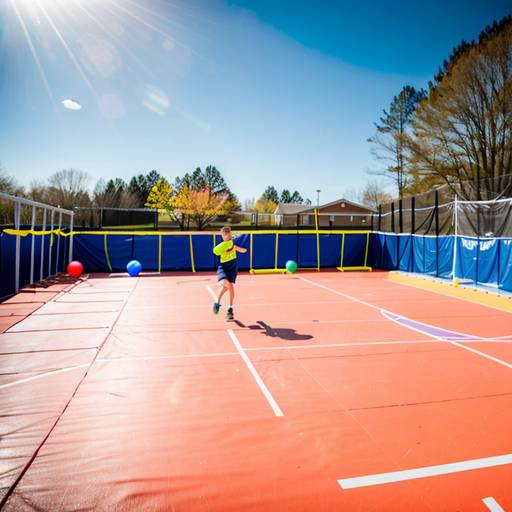
This 2nd-grade physical education lesson focuses on improving coordination and teamwork through an engaging obstacle course activity. Students participate in a dynamic warm-up to prepare for physical activity and then split into small teams to navigate various stations designed to enhance coordination skills. The course includes tasks such as jumping through hula hoops, weaving around cones, skipping over jump ropes, and tossing soft balls. Teams will encourage each other, fostering communication and collaboration. After completing the obstacle course, students engage in a group reflection to discuss their experiences and strategies used to support one another. The lesson concludes with a cool-down routine to relax their bodies, emphasizing the importance of teamwork and physical fitness. Observations during the activity will assess students' interaction and coordination skills, with adaptations available for those needing additional support.

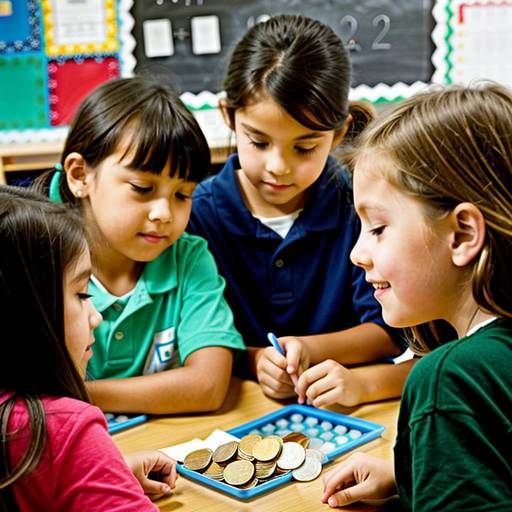
In this engaging 2nd-grade math lesson, students will explore the concept of money by identifying, counting, and comparing various coins and bills. The lesson begins with a discussion about what they could purchase with a dollar, followed by a demonstration of different coins and their values. Students will then participate in a hands-on activity in small groups, counting mixed coins and calculating their total value using a provided counting mat. After this guided practice, they will work independently on worksheets that involve counting coins and matching them to prices from flashcards. The lesson concludes with a whole-group discussion, where students share their strategies and insights, followed by a fun game to reinforce their understanding of pricing. Throughout the session, the teacher will assess students’ understanding through observation and the collection of worksheets, ensuring that all learners can grasp the importance of money in everyday life. Extension activities, such as running a classroom store, will provide additional opportunities for practical application of these newly acquired skills.