
Filters
Level
Grade
Subject
Subject Area
Subject Topic
Standard(s)
Audience
Keyword
DurationMinutes
2nd Grade Lesson Plans

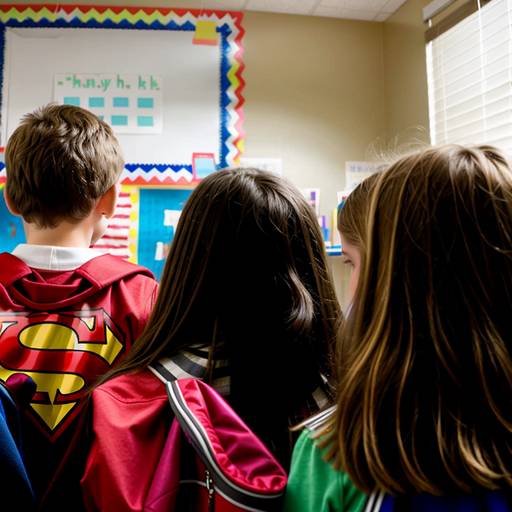
This 2nd-grade language arts lesson focuses on teaching students the rules of capitalization through engaging activities and relatable analogies. The lesson begins with an introduction to the importance of capital letters, framed as “superheroes” that make sentences clear and exciting. Students will learn key capitalization rules, including the use of capitals for the first word in sentences, proper nouns, and the names of days and months.
During guided practice, students will work collaboratively to identify and correct capitalization errors in sample sentences displayed on chart paper. They will then complete an independent worksheet featuring exercises that require them to circle incorrect lowercase letters and rewrite sentences with appropriate capitalization. Additionally, they will express their creativity by writing their own sentences about their favorite superheroes while applying the rules learned.
The lesson concludes with students sharing their sentences aloud, reinforcing their understanding of capitalization, and submitting exit tickets that demonstrate their grasp of the day's concepts. Assessment will be conducted through observation during activities and the review of completed worksheets and exit tickets, allowing for differentiated support based on individual skill levels.
In this 2nd grade language arts lesson, students will explore the rules of capitalization, focusing on proper nouns and their usage. The lesson begins with a discussion to help students understand the importance of capital letters in daily life. Students will then collaborate to identify and correct capitalization errors in sample sentences displayed on the whiteboard. Following guided practice, they will complete a worksheet that includes correcting sentences and creating their own, emphasizing correct capitalization. The lesson concludes with students sharing their sentences with the class, reinforcing their understanding and rewarding their efforts with stickers or stamps. The teacher will assess student comprehension through observation and collected worksheets, with differentiation provided to meet diverse learning needs.
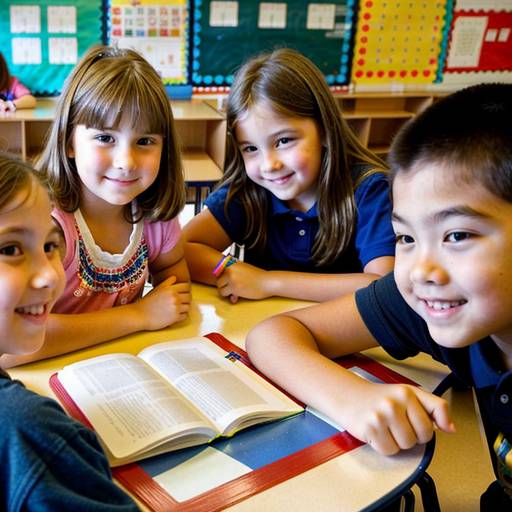
In this 2nd grade Language Arts lesson, students will learn about the rules of capitalization and how to apply them in sentences. The lesson begins with a discussion on the importance of capital letters, followed by an exploration of specific capitalization rules using a chart. Guided practice involves correcting sentences together as a class, where students identify and fix capitalization errors. For independent practice, students receive worksheets with sentences that need capitalization corrections and are encouraged to rewrite their favorite corrected sentence on a sticky note. The lesson concludes with a few students sharing their sentences and a recap of the capitalization rules. Assessment will occur through observation during guided practice and the review of worksheets to gauge understanding. Additionally, extensions are provided for early finishers to promote further engagement with capitalization in writing.

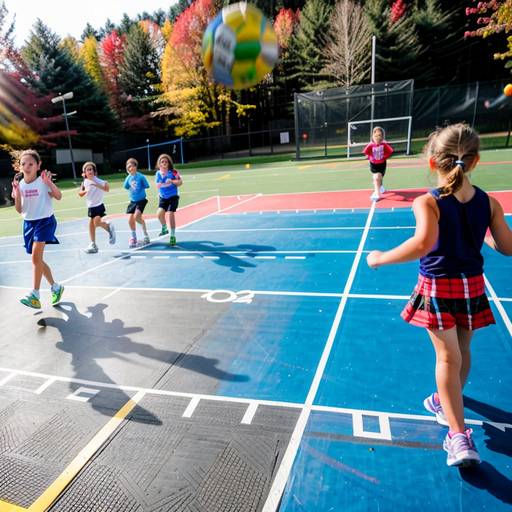
This lesson plan aims to introduce 2nd-grade students to the importance of cardiovascular fitness through engaging and fun activities. The session begins with a brief discussion on the significance of staying active for a healthy heart, followed by a dynamic warm-up to prepare the students for physical activity.
Students will participate in five different activity stations, each designed to promote cardiovascular exercise and encourage teamwork. Activities include hula hooping, jump roping, a ball passing game, sprinting between cones, and a freeze dance. After completing the circuit, students will cool down with gentle stretches and deep breathing exercises while reflecting on their experiences.
The lesson concludes with a recap of what they learned about staying active and providing a take-home sheet of fun activities to try with family and friends. Throughout the session, students' participation and engagement will be observed, fostering a positive attitude towards fitness. Adaptations will be made as necessary to accommodate varying fitness levels.
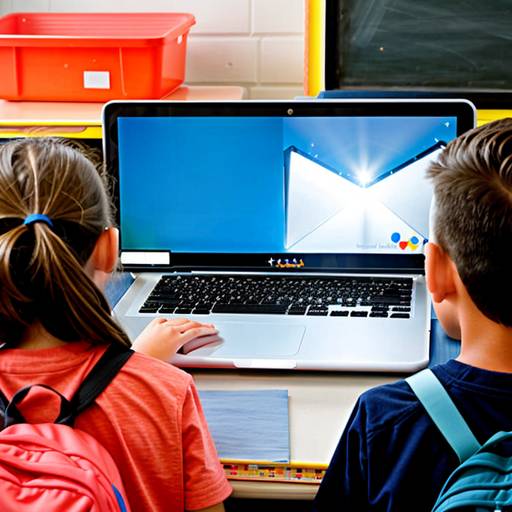
In this 2nd-grade technology lesson, students will learn the essential practices for maintaining and handling devices properly. The lesson begins with an engaging discussion about students’ favorite devices, followed by a short video that highlights the significance of device care. Key concepts including cleaning methods, safe storage, and careful handling will be introduced through direct instruction and a flashcard matching activity.
Students will then participate in a group project where they create a poster outlining various ways to care for devices, fostering collaboration and creativity. Afterward, each student will reflect on what they’ve learned by filling out a checklist on sticky notes, which will serve as an exit ticket. The lesson concludes with a review and an opportunity for students to share their takeaways. Assessments will be based on the group posters and individual exit tickets, with extensions offered for further engagement at home. Overall, the lesson aims to equip students with important skills to ensure the longevity and proper use of their technology tools.

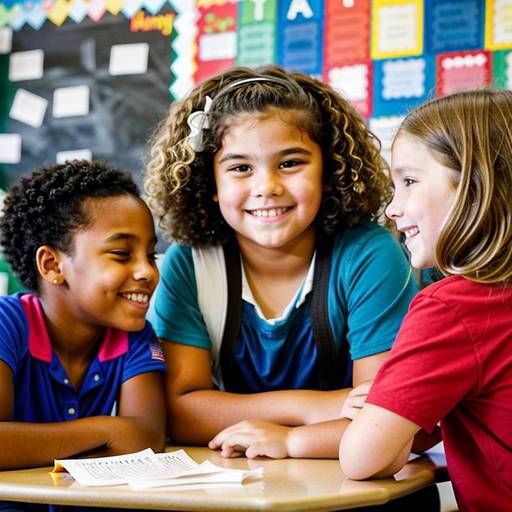
This 2nd-grade social studies lesson focuses on exploring the concepts of community and diversity. Students will engage in a discussion about what constitutes a community and the importance of diversity within it. The lesson includes a read-aloud of a children's book that emphasizes various cultures and their contributions to the community.
Following the reading, students will create individual drawings that represent their own cultures and traditions, which will be compiled into a large mural to celebrate the diversity within the classroom. A reflection activity will allow students to express what they love about their community and the value of diversity.
Assessment will occur through observations of participation, the quality of the drawings and worksheets, and results from a reflection exercise. Extensions may include inviting family members to share cultural traditions and organizing a "Culture Day" for students to showcase their heritage. The lesson is designed to foster appreciation and respect for differences among peers, highlighting the rich tapestry that diverse backgrounds bring to the community.


In this 2nd-grade science lesson, students will explore the fascinating world of stars and constellations. They will begin by discussing what they know about stars, learning about their characteristics and colors. The lesson will then introduce common constellations and share stories associated with them, fostering a connection to mythology.
Next, students will create their own unique constellations using dark construction paper and white chalk or paint, allowing them to express their creativity. Each student will name their constellation and write a brief story about it. The lesson will conclude with a sharing session, where students present their creations to the class, promoting confidence in public speaking.
Assessment will be based on participation and the understanding demonstrated through their constellation designs and stories. Extensions may include a stargazing event for families or the use of technology to identify constellations in real-time, enhancing students' engagement with astronomy.

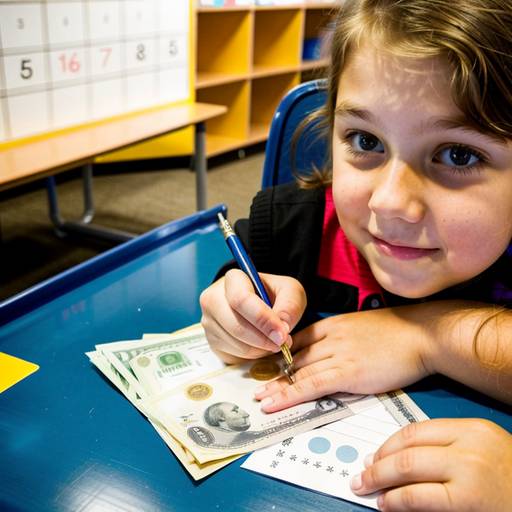
In this 2nd-grade math lesson, students will explore the concept of money by learning about the values of different coins, including pennies, nickels, dimes, and quarters. The lesson begins with an engaging discussion on students’ experiences with money, followed by direct instruction on identifying and valuing each type of coin using a visual chart. Guided practice involves hands-on coin counting activities in small groups, where students will work together to make specific amounts using play money.
Next, students will complete worksheets that focus on coin identification and values in pairs. During independent practice, they will simulate a shopping experience with small items priced in cents, allowing them to apply their counting skills in a real-world context. The lesson concludes with a group reflection on their learning experiences, where students will share insights they've gained about money. Assessment will be conducted through observation, worksheet review, and participation in the shopping simulation. Extensions are available for more advanced learners, including discussions about paper money and classroom economy concepts.
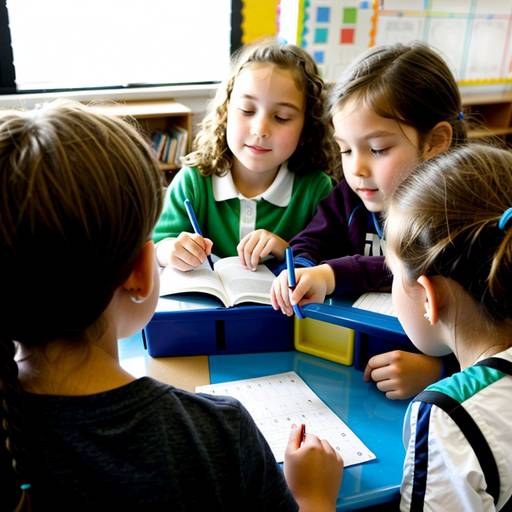
In this 2nd-grade math lesson, students will learn how to read both analog and digital clocks while also exploring the concept of elapsed time through engaging activities. The lesson begins with a discussion where students share their morning routines, helping to contextualize time in their daily lives.
Direct instruction follows, introducing clock reading and elapsed time with clear examples. Guided practice involves working through time-related scenarios on worksheets in pairs, fostering collaboration and reinforcing understanding.
Students will participate in a relay activity to practice telling time and will create drawings representing daily activities that demonstrate elapsed time. The lesson concludes with students sharing their work and reflecting on what they learned, along with a quick exit ticket to assess their understanding. Throughout the lesson, differentiation strategies ensure that all learners can engage with the material effectively.

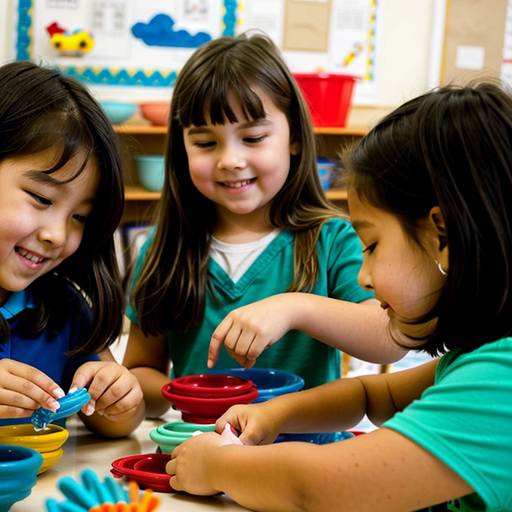
In this art lesson for 2nd grade students, learners will explore the fundamental concepts of ceramics by engaging in hands-on clay sculpting. The session begins with a brief introduction to the properties of clay and its uses, accompanied by visual examples of clay art. Students will then receive guidance on basic sculpting techniques, including rolling, pinching, and adding texture to their creations.
After the demonstration, students will independently work with air-dry or modeling clay to create their own sculptures, drawing inspiration from provided imagination cards or their own ideas. Instructors will circulate among the students to offer support and encouragement throughout the creation process.
The lesson will conclude with a sharing session where each student presents their finished pieces, discussing the inspiration behind their work and how they crafted their sculpture. Assessment will focus on engagement and creativity. Future sessions may allow students to decorate their finished pieces, further enhancing their artistic expression.