
Filters
Level
Grade
Subject
Subject Area
Subject Topic
Standard(s)
Audience
Keyword
DurationMinutes
2nd Grade Lesson Plans

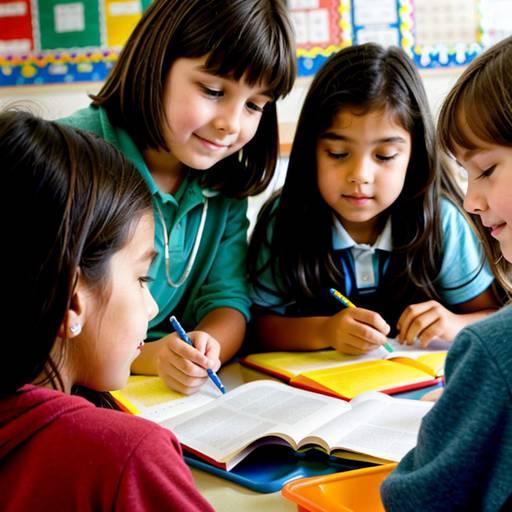
This 2nd-grade Language Arts lesson plan focuses on enhancing reading comprehension through an engaging storybook reading experience. Students will begin by discussing their favorite stories and their adventures before a guided reading session of a selected book, where they will learn to identify key story elements such as characters, setting, and plot. Throughout the reading, students will be encouraged to ask questions and share their thoughts using sticky notes. After the reading, the class will engage in a discussion to reflect on the story and its messages.
Students will then create a story map graphic organizer that includes drawings and written summaries of the key story elements they identified. Finally, students will share their story maps with the class, promoting peer feedback and reinforcing their understanding. The lesson will be assessed through observation and review of students' completed story maps, allowing differentiation for varying reading levels. Overall, the lesson aims to foster a love for reading while developing comprehension skills.

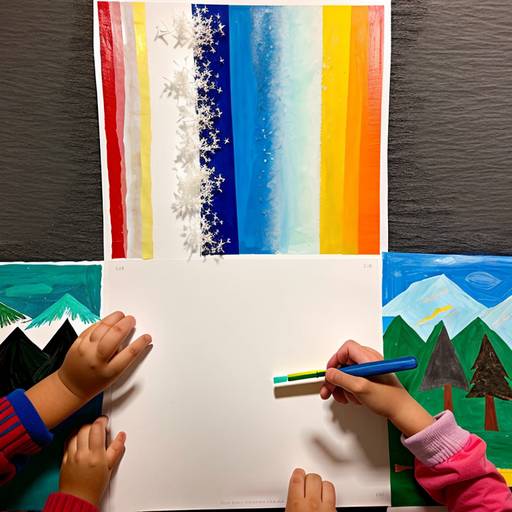
In this 2nd-grade art lesson, students will explore the concepts of texture and color by creating nature-inspired paintings. The lesson begins with a discussion about the various textures found in nature, encouraging students to observe and describe their surroundings. They will learn different painting techniques, including splattering, stippling, and layering, while also being introduced to the idea of warm and cool colors.
Following a demonstration of these techniques, students will sketch and paint their own nature scenes on watercolor paper, incorporating their chosen methods and color schemes. As they work on their artworks, the teacher will provide guidance and support to ensure each student effectively expresses their creativity. The lesson concludes with student presentations of their completed pieces, where they will discuss their techniques and color choices. Assessments will focus on participation, the application of techniques, and the overall creativity in their artworks, while extensions allow for further exploration of mixed media.
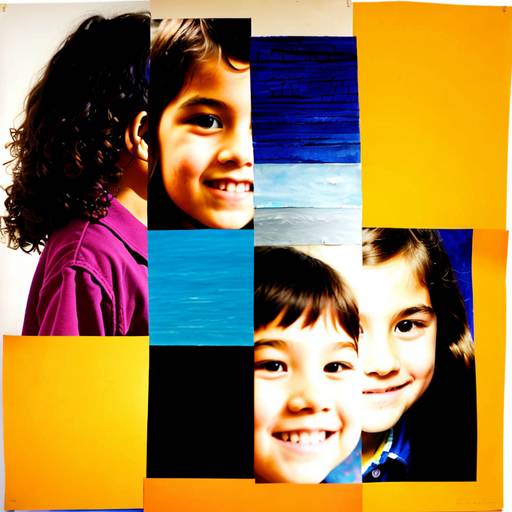
In this art lesson designed for 2nd graders, students will explore the concept of texture by creating a collage using various materials. The lesson begins with an introduction to texture, discussing how it affects our perception of art. After a brief demonstration on how to safely cut and glue materials, students will be provided with colorful construction paper and an assortment of textured items, such as fabric scraps, sandpaper, and bubble wrap. They will use these materials to construct their unique collages, focusing on combining different textures to enhance their artwork.
Throughout the activity, the teacher will circulate to provide support and engage students in conversation about their choices. Once they complete their collages, students will share their creations with the class, explaining the textures they used and the inspirations behind their work. The lesson concludes with a reflection on the importance of texture in art. Cleanup will be emphasized to instill habits of responsibility for materials and workspace. This hands-on experience will not only foster creativity but also help develop fine motor skills and artistic understanding in young learners.
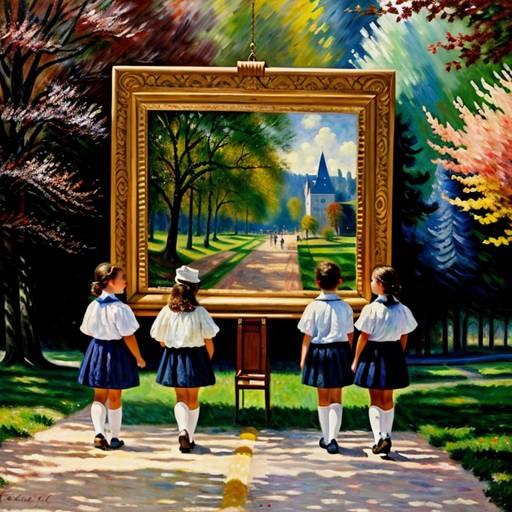
In this art lesson designed for 2nd graders, students will explore the Impressionist art movement, focusing on its characteristics like light, color, and expressive brush techniques. The session starts with a discussion about Impressionism, where students will observe and describe famous paintings, sharing their own feelings about the artwork. Following this, the teacher will demonstrate watercolor techniques that mimic the Impressionist style, emphasizing quick, vibrant brush strokes and color mixing.
Students will then create their own Impressionist-inspired artworks by sketching scenes they love—such as parks or gardens—before painting them in watercolors using the techniques learned. A mini gallery walk will conclude the lesson, allowing students to display their paintings, appreciate each other's work, and reflect on their artistic experiences. The lesson aims to foster creativity, an understanding of art history, and collaboration among peers while providing the opportunity for artistic expression.

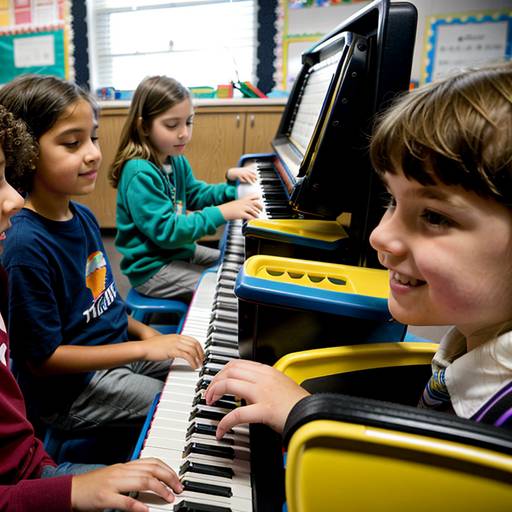
In this 2nd-grade music lesson, students will explore the world of keyboard instruments through interactive activities designed to develop their understanding and appreciation of music. They will learn to identify various types of keyboard instruments and how these instruments create sound.
The lesson begins with a discussion and visual presentation of different keyboard instruments, followed by a live demonstration of playing simple melodies. Students will then participate in hands-on activities in small groups, where they will practice playing a familiar melody on the keyboard, enhancing their skills with basic rhythms.
Each group will have the opportunity to perform their melody for the class, fostering teamwork and encouraging positive feedback among peers. The lesson concludes with a reflective discussion where students share their experiences and insights gained from the activities. The plan includes assessments based on participation and performance, ensuring that students engage fully in the learning process. Extensions for the lesson provide opportunities for further exploration of music beyond the classroom.


In this 2nd grade science lesson, students will explore the fascinating world of stars and their significance in the night sky. The lesson begins with a discussion about what students observe at night, followed by an introduction to different types of stars and their characteristics. In small groups, students will analyze star printouts and share interesting facts, fostering collaboration and communication skills.
The hands-on portion of the lesson involves creating their own constellations on black construction paper using star-shaped stickers or cutouts. Students will then craft a short story about their constellations, encouraging creativity and storytelling.
To enhance engagement, the class will simulate stargazing by turning off the lights and using flashlights to illuminate their constellations, allowing them to present and explain the meanings behind their creations. The lesson concludes with a recap, reinforcing learning and encouraging students to observe the night sky at home.
Assessment will include observing participation during discussions and activities, along with reviewing their constellation projects. An optional extension activity invites students to maintain a Star Journal to document their nighttime observations and discoveries about astronomy. Overall, this lesson aims to instill curiosity and appreciation for the stars and the universe.
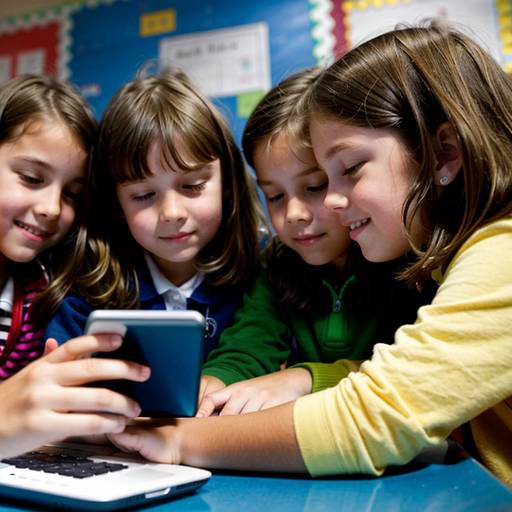
In this 60-minute technology lesson for 2nd graders, students will learn essential internet skills and the importance of safety while browsing online. The lesson begins with a discussion about students' interests in using the internet, followed by a guided practice where they identify safe and unsafe websites based on specific features. Key internet safety tips are introduced and reinforced with printed handouts, encouraging student engagement through questions and sharing personal insights.
During the independent activity, students will explore teacher-selected, safe websites using laptops or tablets and note one interesting observation from each site. The lesson concludes with a fun "Internet Safety Bingo" game, where students match scenarios related to internet use against their Bingo cards while discussing each scenario to reinforce their understanding of safe practices.
Assessment will be conducted through observations of student participation and understanding during the activities. The lesson incorporates differentiation strategies to support diverse learning needs and wraps up with a reflection where students can share new insights gained about internet safety or their favorite discovered website, fostering a sense of community and shared learning.
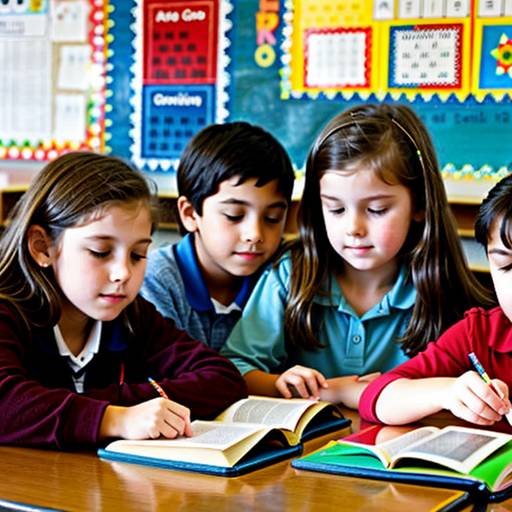
In this 2nd-grade Language Arts lesson, students will explore different reading genres, including fiction, non-fiction, poetry, and informational texts. The lesson begins with a discussion to introduce the concept of genres and an interactive classification activity where students work in pairs to sort book titles and pictures into the appropriate categories. After learning about the characteristics of each genre, students will choose a book to read independently. They will then create a drawing related to their chosen book and write a sentence describing the genre and their reaction to the story. The lesson concludes with student sharing and a recap of the four genres, fostering a deeper understanding and appreciation of diverse reading materials. Assessment includes observation during activities and evaluation of students' drawings and sentences. An extension activity encourages ongoing exploration of genres through a classroom display and a weekly genre-focused project.
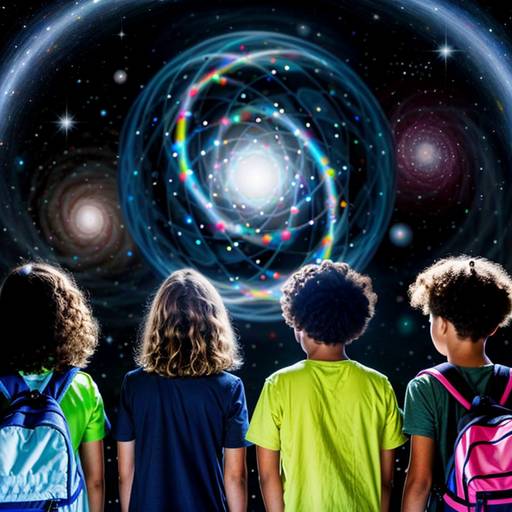
This 2nd grade science lesson focuses on the fundamental concept of matter, exploring its three states: solid, liquid, and gas. Students will engage in discussions to define and identify these states using everyday examples. Through a hands-on experiment, they will observe the melting of ice to understand state changes and the properties of each state. In small groups, students will document their findings through drawings and shared observations. The lesson concludes with a review of concepts and an exit ticket activity to assess understanding. This interactive approach fosters inquiry and collaboration while engaging students in the fascinating world of physical science.
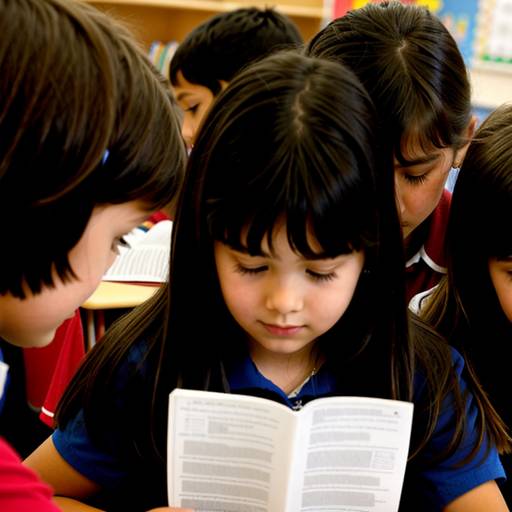
This 2nd grade Language Arts lesson focuses on enhancing reading comprehension through engaging activities centered around a selected picture book. Students begin by predicting the story's content based on the cover and illustrations. Following a read-aloud session, they participate in a group discussion to identify key story elements, such as characters, setting, and main events. They practice reading strategies—prediction, visualization, and summarization—while reading independently or in pairs. The lesson concludes with students sharing their thoughts and learning experiences, reinforcing the importance of these strategies in understanding and enjoying literature. Assessment is conducted through observations and reviewing students' reflections, with differentiated support provided as needed. Extensions include creative activities such as drawing scenes from the story and writing summaries. Overall, the lesson aims to foster confidence and skill in young readers.